
Wholesale Steel Pricing Guide 2026: EN10219 S355JR Supplier
The lowest FOB price is often the most expensive option for African importers.
Accurate wholesale pricing in Africa depends less on base metal rates and more on avoiding compliance failures and logistics penalties. Correct specification matching is the primary cost driver, not the initial quote per ton.
I still remember the humidity and the smell of rust at Jebel Ali port. A container of square hollow sections sat under the scorching sun for over three weeks. The buyer had ordered S355JR structural steel, expecting EN10219 certification for a high-rise framework in Dubai. The supplier, chasing the lowest bid, provided ASTM A500 mill certificates instead. The local consultant rejected the entire shipment. The demurrage charges alone exceeded a significant portion of the cargo value. That delay was not caused by shipping lines or port congestion. It was caused by a single letter mismatch in the standard code. This experience reshaped how I evaluate every quote. In the current market, understanding the nuance between EN10219 and EN10210, and the impact of grade suffixes like JR, J0, or J2, is critical for any serious distributor.
Navigating these technicalities requires more than just a price list. It demands a deep understanding of how specifications drive the final landed cost. When sourcing from a reliable Wholesale Steel Pricing Africa 2026 perspective, buyers must look beyond the headline number. The true cost includes the risk of rejection, the expense of re-certification, and the timeline delays that can halt an entire construction project.
Why Do “Cheap” Steel Quotes Fail in African Ports?
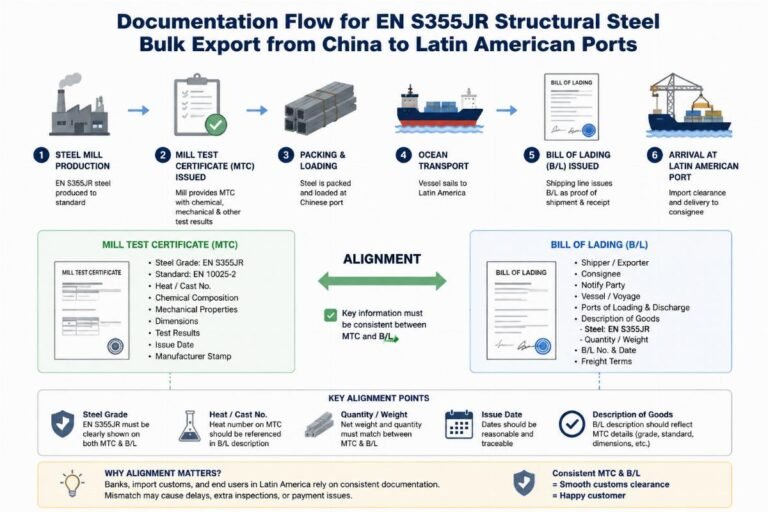
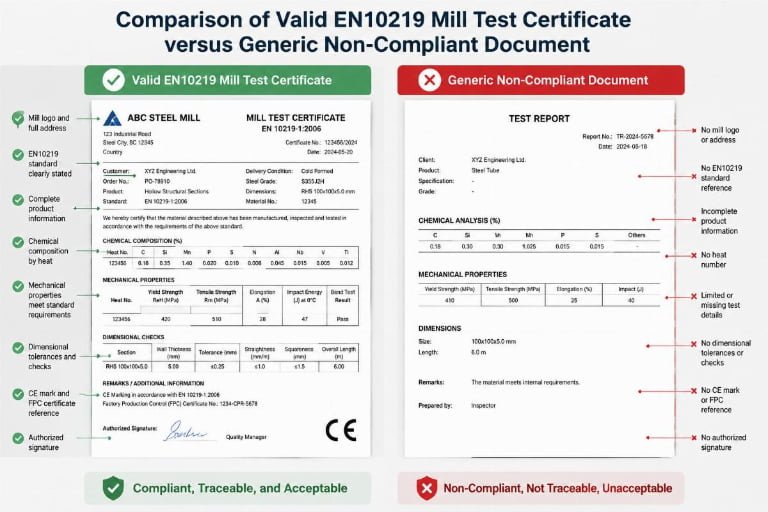
Compliance errors create hidden costs that dwarf initial savings. Many distributors focus exclusively on the Free On Board (FOB) price, ignoring the destination requirements. In many African jurisdictions, customs authorities and engineering consultants strictly enforce European Norms (EN) for structural integrity. A certificate that does not explicitly reference the correct EN standard is often treated as invalid paper.
Consider the case of a infrastructure project in West Africa. The contractor sourced H-beams based on a competitive quote. Upon arrival, the clearing agent flagged the documentation because the mill test certificate lacked the specific CE marking and Declaration of Performance required for EN10210 products. The cargo was held pending third-party inspection. The cost of this inspection, combined with storage fees, erased the margin gained from the lower purchase price. [NEED_CITE: common causes of customs detention for steel imports in Africa]
This scenario highlights a fundamental truth. The cheapest quote often excludes the cost of compliance. A reputable manufacturer integrates certification into the production process. They do not treat it as an afterthought. When evaluating Wholesale Steel Pricing Africa 2026, buyers should request sample certificates before placing orders. Verify that the standard number, grade, and impact test values match the project specifications exactly. If a supplier hesitates to provide this documentation upfront, it is a significant red flag.
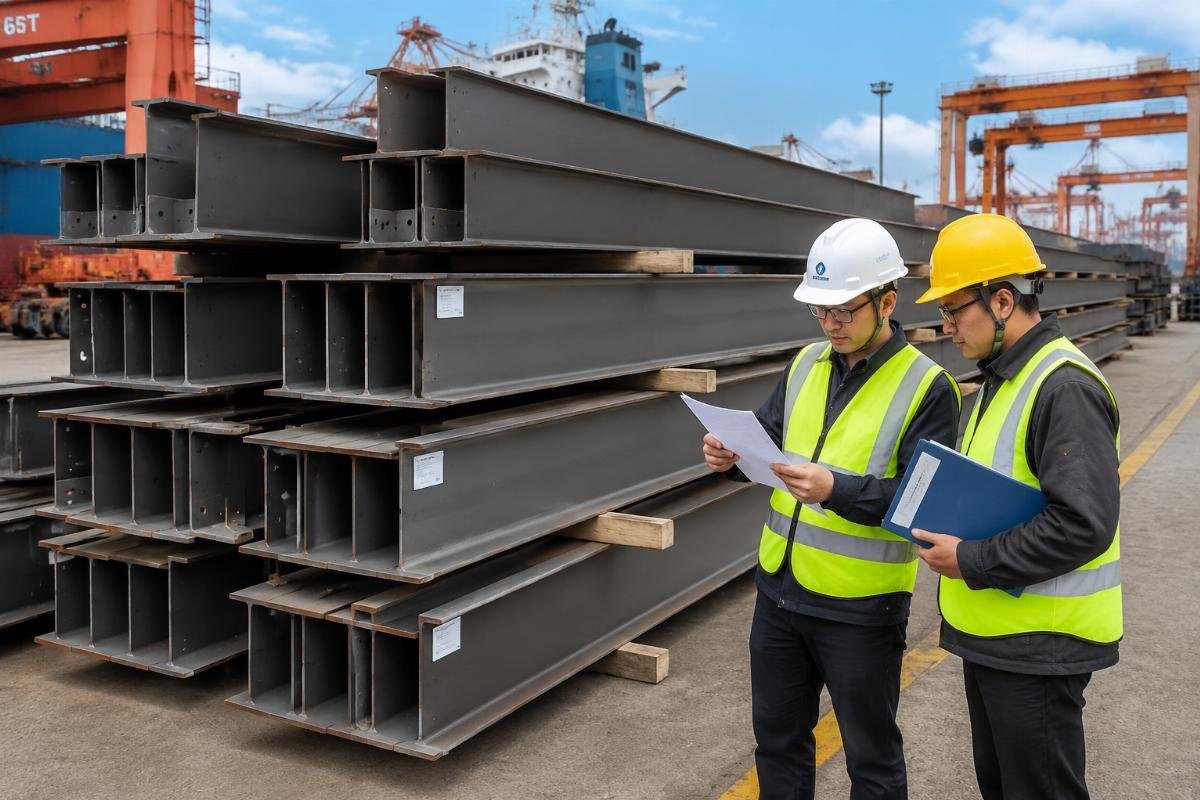
Furthermore, the surface treatment specified in the quote must match the certificate. Galvanizing thickness, painting systems, and shot blasting standards all require verification. A mismatch here can lead to corrosion issues that manifest months after installation, leading to costly repairs and reputational damage for the distributor. The initial savings are negligible compared to the long-term liability.
How to Decode EN10219/EN10210 Specifications for Accurate Pricing?
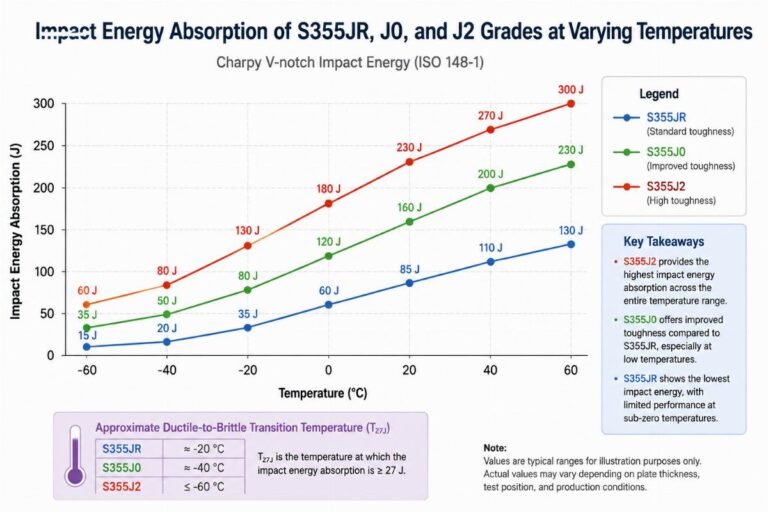
Grade and impact value define the true cost of structural steel. Not all S355 is created equal. The suffix letters JR, J0, and J2 indicate the temperature at which the steel undergoes impact testing. This distinction is vital for projects in varying climatic zones.
S355JR is tested at room temperature. It is suitable for general structural applications in moderate climates. S355J0 is tested at zero degrees Celsius, making it appropriate for cooler regions or structures exposed to night-time temperature drops. S355J2 is tested at minus twenty degrees Celsius, required for high-altitude projects or coastal areas with significant thermal variation. Using JR where J2 is specified compromises structural safety. Using J2 where JR is sufficient inflates the cost unnecessarily.
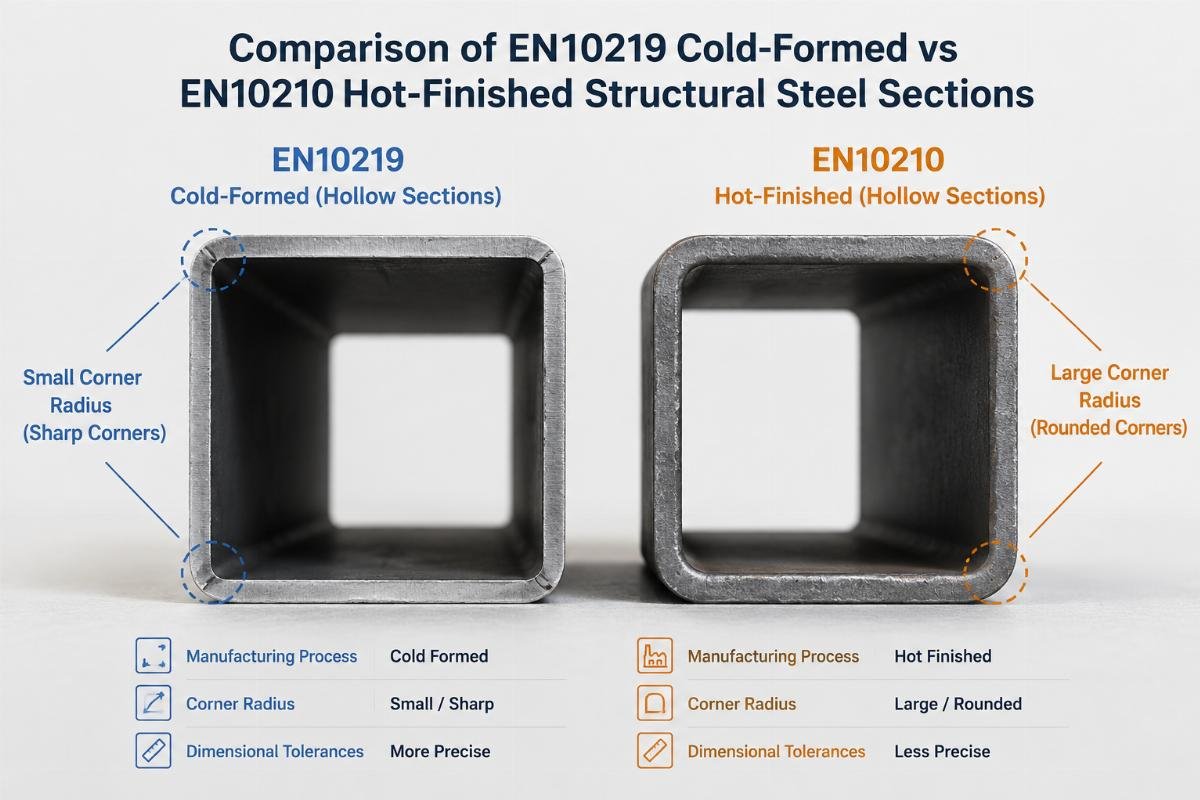
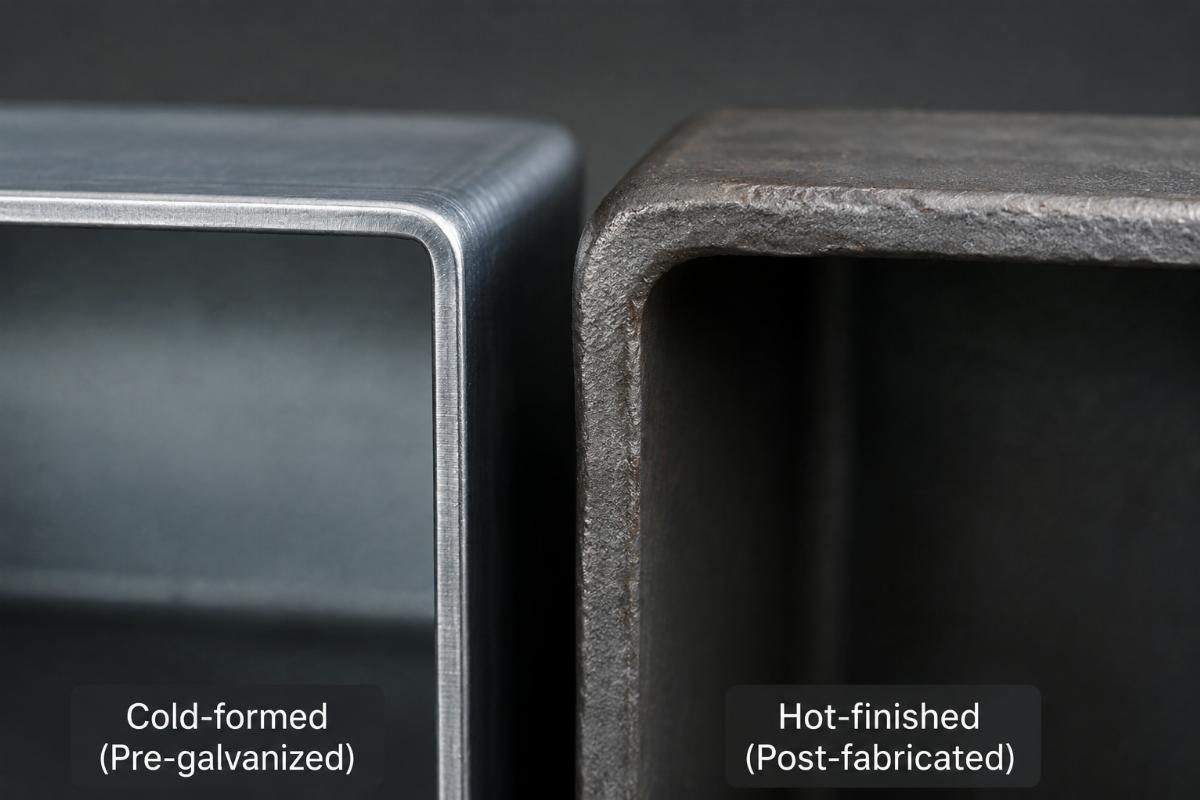
| Specification Feature | EN10219 (Cold Formed) | EN10210 (Hot Finished) |
|---|---|---|
| Production Method | Cold forming of welded tubes | Hot finishing of seamless or welded tubes |
| Corner Radius | Larger, variable radius | Smaller, consistent radius |
| Wall Thickness Tolerance | Tighter tolerances | Standard tolerances |
| Typical Application | General construction, scaffolding | Heavy load-bearing, critical joints |
| Certification Requirement | EN10219 Mill Test Certificate | EN10210 Mill Test Certificate |
[NEED_CITE: technical differentiation between EN10219 and EN10210 standards]
A buyer once requested quotes for SHS and RHS sections for a warehouse project in East Africa. The initial quotes varied widely. Upon review, the lower-priced options were based on EN10219 cold-formed sections, while the higher-priced ones were EN10210 hot-finished. The engineer had specified EN10210 for the main columns due to higher load requirements. The cheaper quote was technically non-compliant for the intended use. By clarifying the standard early, the buyer avoided a potential structural failure and a costly reorder.
When analyzing Wholesale Steel Pricing Africa 2026, ensure the quote specifies the exact standard. Do not accept generic “structural steel” descriptions. Ask for the impact test temperature. Verify if the manufacturer has an in-house laboratory capable of performing these tests according to ISO standards. This capability ensures that the material delivered matches the certificate provided.
What Drives Wholesale Price Fluctuations in 2026?
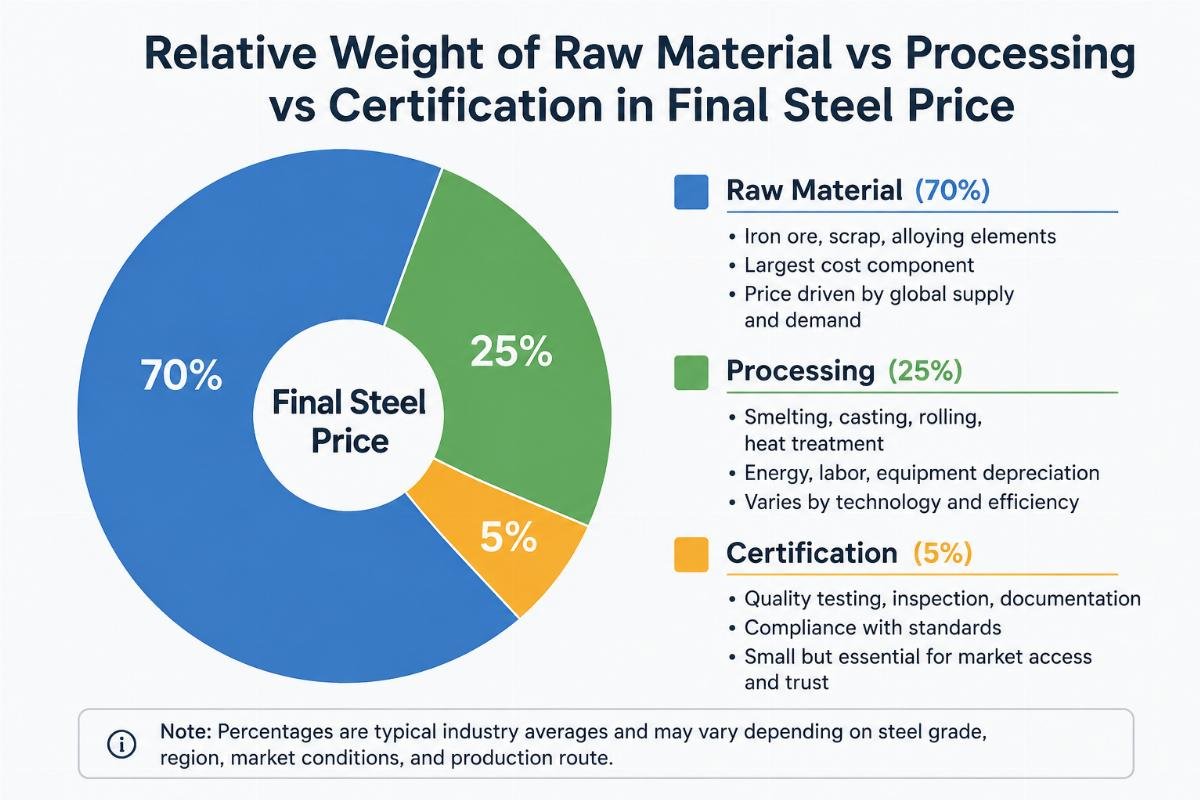
Raw material trends and processing fees dictate market movement. While iron ore and scrap steel prices influence the base rate, they are not the only factors. Processing fees for cutting, welding, and surface treatment constitute a significant portion of the final price.
In 2026, energy costs in manufacturing hubs remain volatile. This affects the cost of galvanizing and heat treatment. Additionally, the demand for custom non-standard sizes has increased. Producing these items requires specialized setup and longer lead times, which adds to the cost. Buyers who stick to standard dimensions from the manufacturer’s existing inventory can secure better pricing and faster delivery.
Another factor is the certification cost. Maintaining EN-standard compliance requires regular audits and testing. Manufacturers with robust quality control systems incur higher operational costs, but they provide greater reliability. Cheaper alternatives often cut corners on these processes, passing the risk to the buyer. [NEED_CITE: global steel trend reports on processing cost components]
Understanding these drivers helps buyers negotiate more effectively. Instead of focusing solely on the per-ton price, discuss the scope of work. Can standard sizes be used? Is bulk galvanizing more cost-effective than piece-by-piece painting? These adjustments can optimize the budget without compromising quality. When reviewing Wholesale Steel Pricing Africa 2026, consider the total package, including surface treatment and certification, rather than just the raw material cost.
How to Optimize Landed Costs with Mixed-Container Strategies?
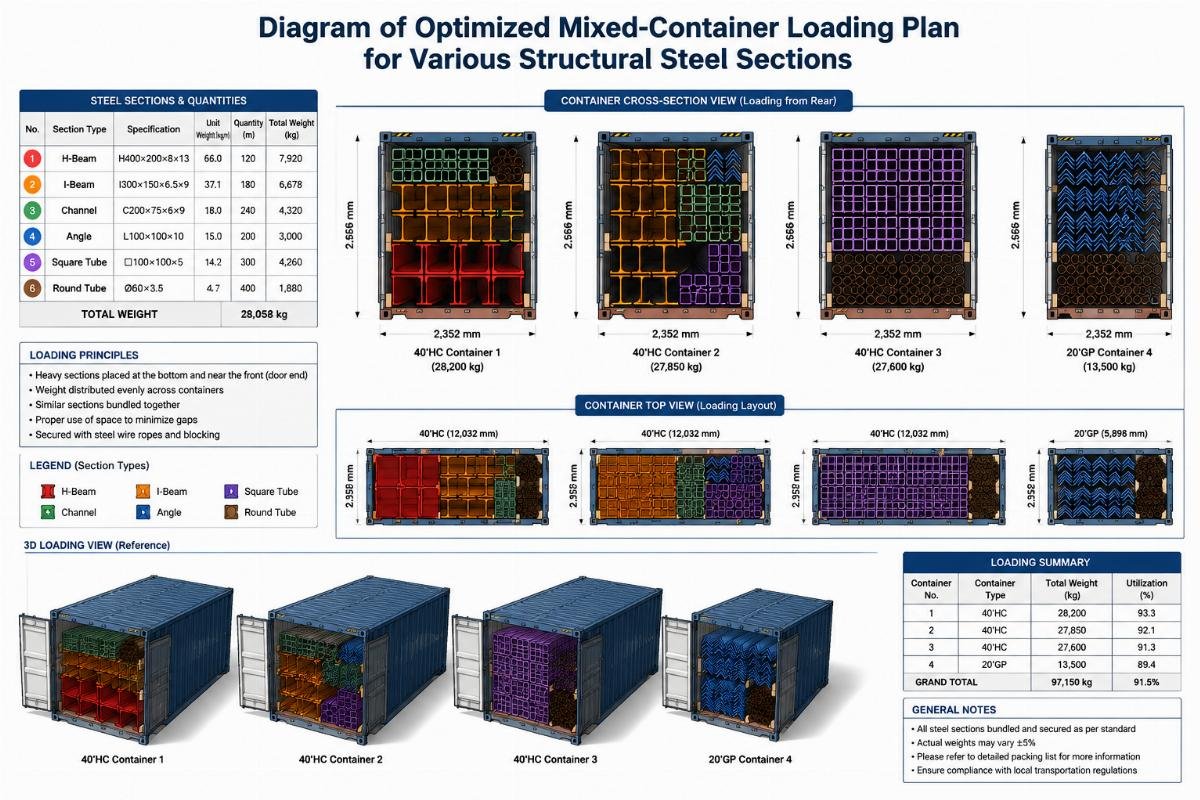
Consolidation reduces per-unit freight significantly. Shipping full containers of a single item is efficient for large projects, but many distributors serve multiple smaller clients. In these cases, mixed-container loading offers substantial savings.
By combining SHS, RHS, H-beams, and plates in a single container, buyers can maximize space utilization. This approach reduces the inland freight cost per unit. It also allows for smaller minimum order quantities, providing flexibility for wholesalers who need to maintain diverse stock levels. However, careful planning is required to ensure that heavier items do not damage lighter ones during transit. Proper dunnage and securing methods are essential.
A distributor in Southern Africa utilized this strategy to supply a series of small-scale housing projects. By consolidating orders for angles, channels, and hollow sections, they reduced their shipping frequency and lowered the overall logistics cost. This efficiency allowed them to offer more competitive prices to their end customers while maintaining healthy margins. [NEED_CITE: logistics optimization strategies for breakbulk steel shipments]
When implementing this strategy, communication with the manufacturer is key. Provide detailed packing lists and loading instructions. Ensure that the manufacturer has experience in mixed-loading operations. Their expertise in optimizing container space can prevent damage and ensure that all items arrive in perfect condition. This level of service is a critical component of effective Wholesale Steel Pricing Africa 2026 management.
Conclusion
Precision in specification prevents financial loss.
Successful steel procurement in Africa relies on technical accuracy and logistical intelligence. By prioritizing EN-standard compliance, understanding grade nuances, and optimizing shipping strategies, distributors can secure reliable supply chains. The focus must shift from the lowest initial quote to the lowest total landed cost. This approach ensures project success and long-term business sustainability.