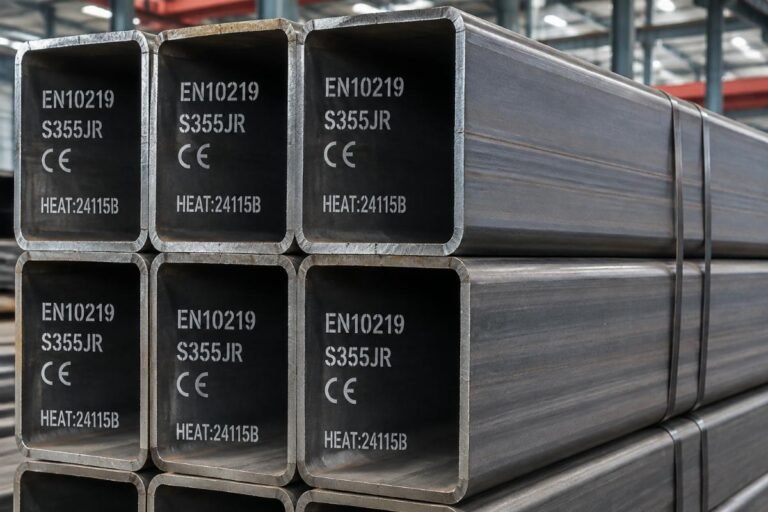

S355JR Structural Steel for Building Frameworks Wholesale Supplier
Yield strength is not the only metric that matters.
The correct selection of structural steel grade suffixes (JR, J0, J2) determines whether your building framework clears customs or gets detained at the port due to failed low-temperature impact tests.
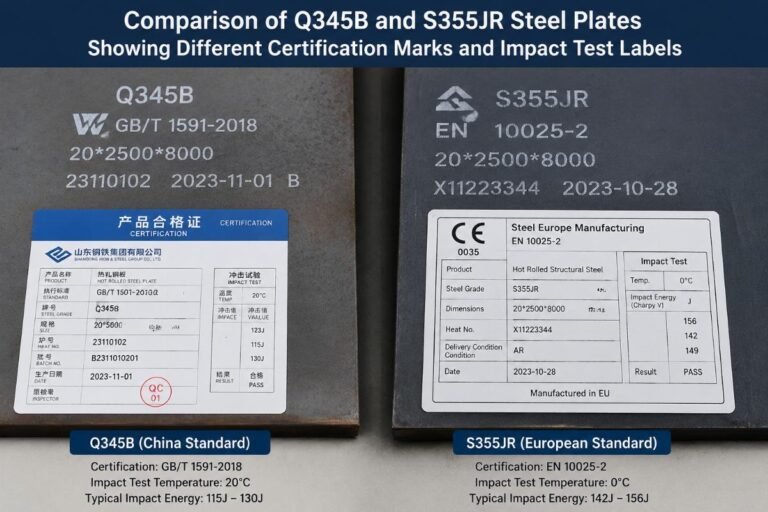
I still remember the chill in the air at the Rotterdam terminal, not from the weather, but from the silence of a container yard holding a full shipment of H-beams. The paperwork looked perfect. The chemical composition matched the order. But the mill test certificates specified S355JR, while the engineering drawings for the multi-story car park demanded S355J2. The difference was not in the yield strength, which remained identical, but in the guaranteed impact energy at minus twenty degrees Celsius. That single letter suffix discrepancy cost the project weeks in delays and a significant sum in re-testing fees. This incident reshaped how I approach every inquiry for S355JR structural steel for building frameworks wholesale supplier services. It is not just about moving metal; it is about ensuring the material performs under the specific environmental stresses of its final destination.
Understanding these nuances is critical for procurement managers who need to balance cost efficiency with regulatory compliance. The market is flooded with offers, but not all suppliers distinguish between the subtle yet vital differences in EN standards.
Why Does Steel Grade Suffix Matter in Building Frameworks?
The suffix defines the material’s resilience against brittle fracture in cold environments, which is often more critical than its ability to bear static loads.
In the construction industry, there is a common misconception that S355 is a monolithic standard. In reality, the European Norm EN 10025-2 breaks this grade down into sub-categories based on impact toughness. The base grade S355 indicates a minimum yield strength of 355 MPa. However, the suffix tells you how the steel behaves when subjected to sudden shocks at specific temperatures. This is governed by the Charpy V-notch test, a standard method for measuring the energy absorbed by a material during fracture [NEED_CITE: Charpy V-notch test methodology per EN ISO 148-1].
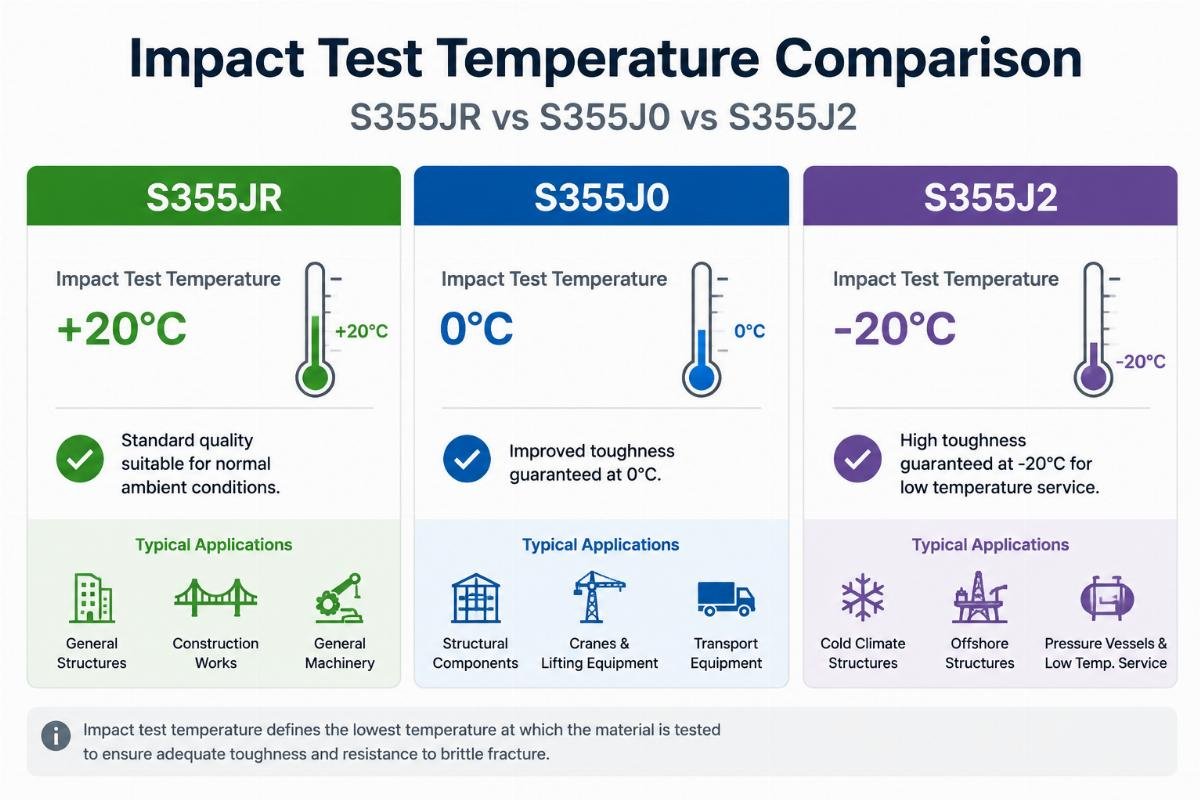
For a S355JR structural steel for building frameworks wholesale supplier, understanding these distinctions is non-negotiable. JR stands for “Junior” or room temperature impact resistance, typically tested at plus twenty degrees Celsius. J0 requires impact energy verification at zero degrees Celsius, and J2 at minus twenty degrees Celsius. If you are building a warehouse in a temperate climate, JR might suffice. But if that same structure is located in a region with harsh winters or high-altitude exposure, using JR steel could lead to catastrophic brittle failure under dynamic loads, such as wind gusts or seismic activity.
I have seen engineers specify J2 for coastal projects where salt spray and cold winds combine to accelerate stress corrosion cracking risks. The extra cost of J2 over JR is marginal compared to the liability of structural failure. When sourcing from a S355JR structural steel for building frameworks wholesale supplier, always verify that the suffix matches the lowest anticipated service temperature of the structure, not just the average annual temperature.
S355JR vs S355J2: What’s the Real Difference?
It is not just a chemistry adjustment; it is a guarantee of performance under thermal stress.
Many buyers assume that the difference between JR and J2 lies in the carbon content or alloying elements. While there are slight variations in the manufacturing process to achieve the required toughness, the primary distinction is the quality control threshold for impact energy. Both grades must meet the same tensile and yield strength requirements. However, J2 steel undergoes more rigorous processing, often involving controlled rolling or normalizing, to ensure the grain structure remains fine and resistant to crack propagation at low temperatures.
| Feature | S355JR | S355J2 |
|---|---|---|
| Impact Test Temperature | +20°C | -20°C |
| Minimum Impact Energy | 27 Joules | 27 Joules |
| Typical Application | Indoor structures, mild climates | Outdoor structures, cold climates |
| Cost Implication | Lower | Higher |
| Certification Focus | Basic EN 10025-2 | Enhanced EN 10025-2 with low-temp verification |
This table highlights the operational differences. Note that the minimum impact energy value is the same, but the temperature at which it must be achieved is drastically different. A steel plate that passes the test at twenty degrees may shatter like glass at minus twenty. This is why a reputable S355JR structural steel for building frameworks wholesale supplier will never substitute J2 with JR without explicit written consent from the client’s engineering team.
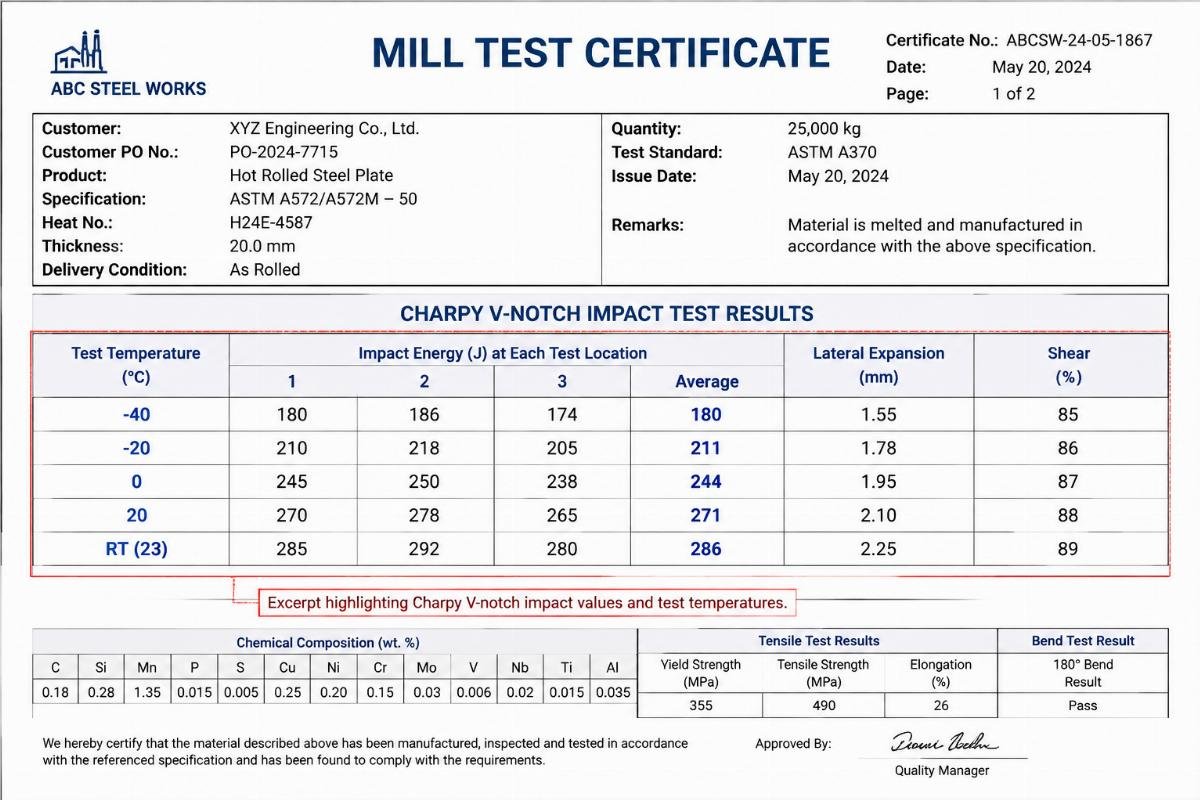
I recall a project in Northern Europe where a distributor attempted to save costs by supplying JR plates for a bridge abutment. The site inspector rejected the material immediately upon reviewing the mill certificates. The delay forced the contractor to air-freight replacement J2 plates, erasing any initial savings and damaging the supplier’s reputation. When evaluating a S355JR structural steel for building frameworks wholesale supplier, ask for sample mill test certificates to see how they report these values. Clear, transparent documentation is a sign of a reliable partner.
Common Pitfalls in International Steel Procurement
Mismatched specifications lead to port detentions and costly re-certification, not just minor administrative headaches.
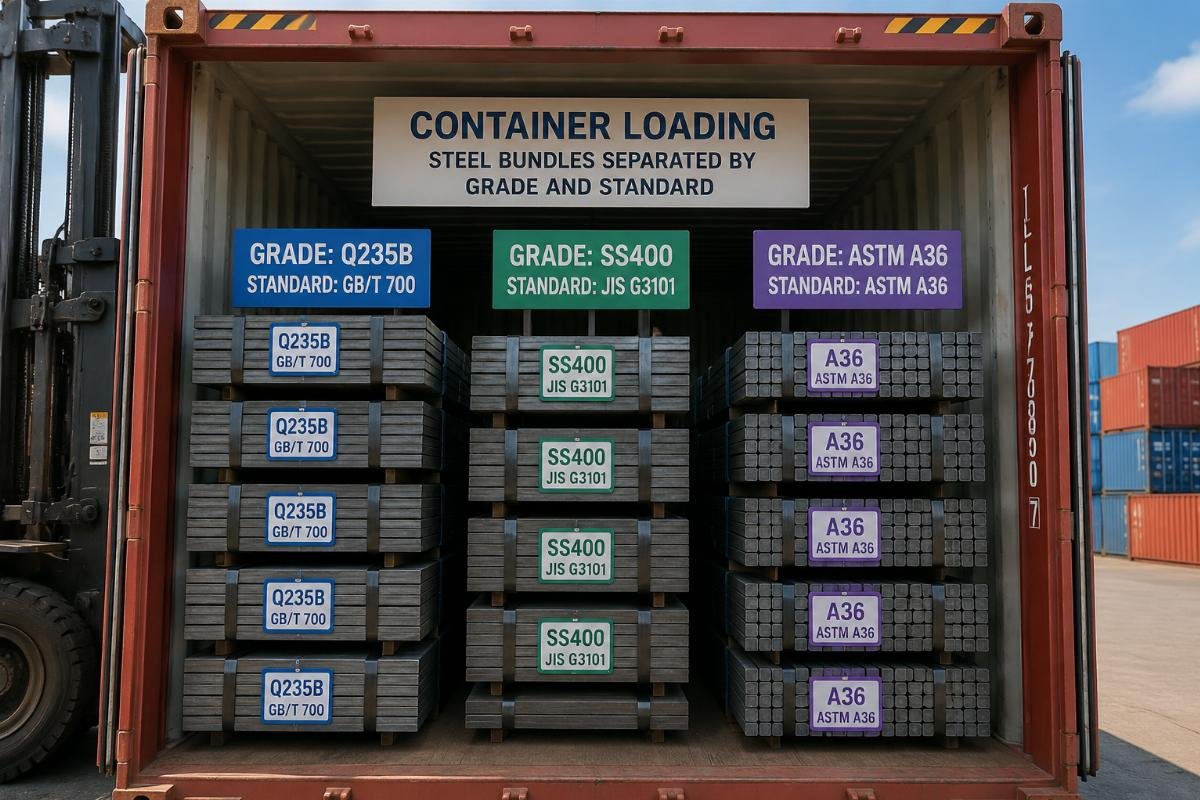
International trade in structural steel is fraught with documentation errors. One of the most frequent issues I encounter involves mixed-grade container consolidation. A buyer might order S355JR beams and S355J2 plates for the same project. If the supplier does not clearly separate these items in the packing list and mill certificates, customs officials or site inspectors may assume the entire shipment is of the lower grade. This confusion can halt construction progress entirely.
Another pitfall is the assumption that EN 10210 certification is universal for all hollow sections. While EN 10219 covers cold-formed welded structural hollow sections, EN 10210 applies to hot-finished ones. The mechanical properties and tolerances differ. A S355JR structural steel for building frameworks wholesale supplier must be precise in labeling which standard applies to which product. Mislabeling can lead to rejection by strict European inspectors who check for conformity with the declared standard.
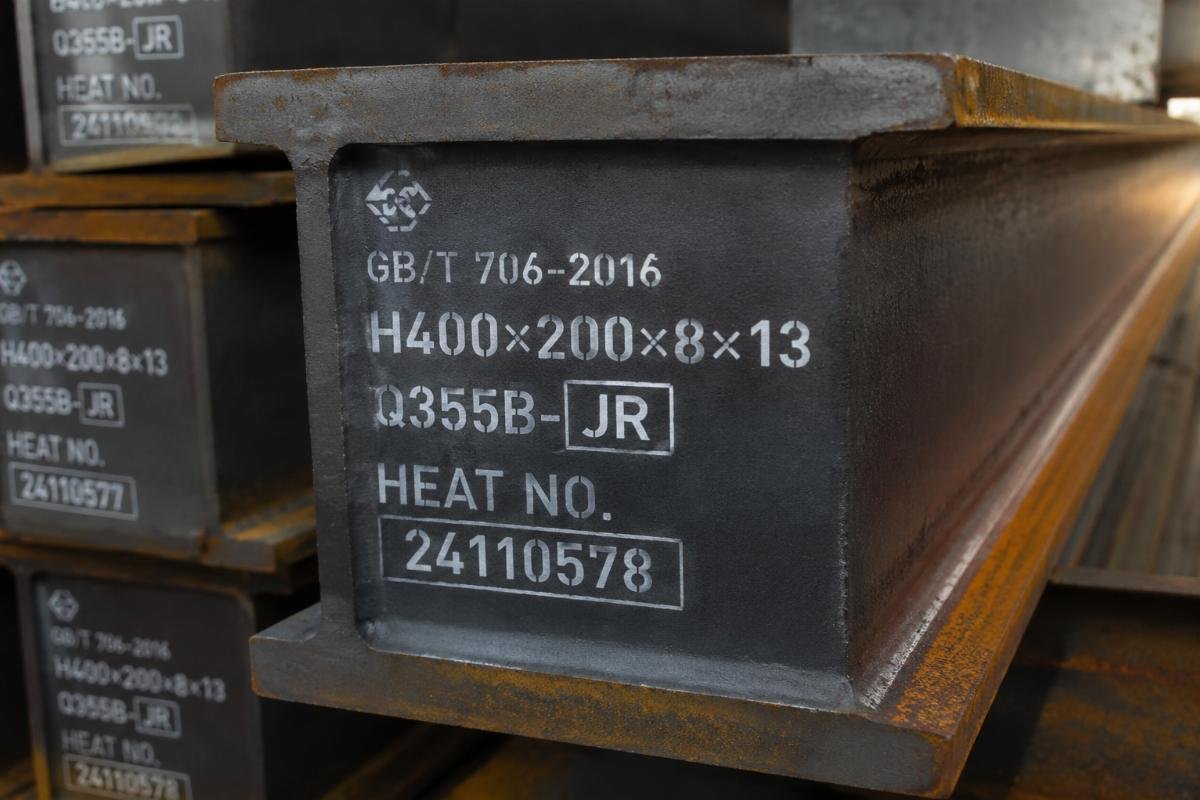
I once dealt with a case where a client in the Middle East received steel marked only as “S355” without the suffix. The local authorities refused to approve the material for a high-rise framework because they could not verify its impact toughness. The supplier had to provide additional third-party testing reports, which took weeks to arrange. To avoid this, always ensure that the grade suffix is physically stamped on the steel and clearly printed on all accompanying documents. When working with a S355JR structural steel for building frameworks wholesale supplier, request a pre-shipment inspection checklist that includes verification of these markings.
How to Specify the Right Grade for Your Project
Align environmental conditions with EN standard impact requirements before placing the order.
Selecting the right grade starts with a thorough analysis of the project’s environmental exposure. Do not rely solely on the architect’s general specification. Engage with the structural engineer to determine the lowest design temperature. If the structure will be exposed to wind loads in a cold region, upgrade from JR to J0 or J2. For indoor applications in heated buildings, JR is usually sufficient and more cost-effective.
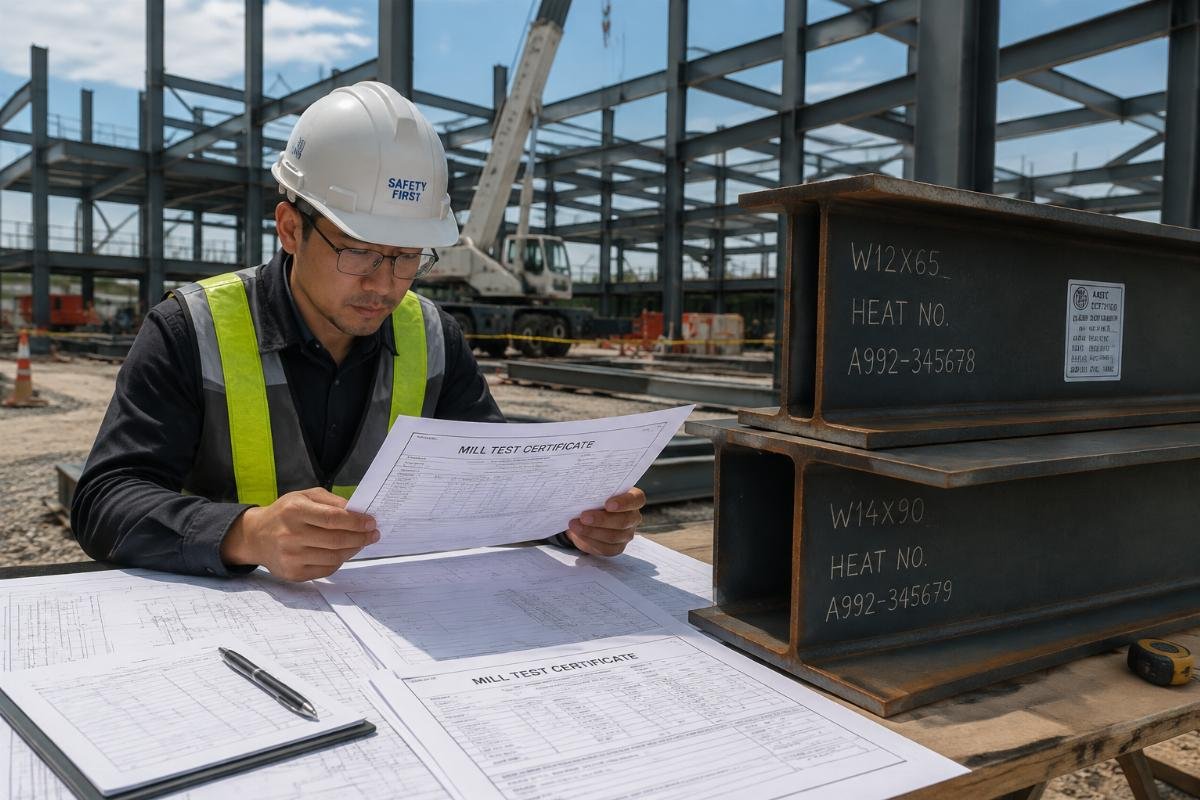
Verification of mill test certificates (MTC) is crucial. Look for the Charpy V-notch values in the MTC. They should explicitly state the test temperature and the energy absorbed in Joules. If the MTC is vague or missing this data, request clarification before shipping. A professional S355JR structural steel for building frameworks wholesale supplier will provide EN 10204 3.1 or 3.2 certificates that include these details.
Additionally, consider the fabrication process. If the steel will be welded extensively, ensure the grade has good weldability. S355JR generally has good weldability, but pre-heating may be required for thicker sections or in cold weather. Consult the welding procedure specifications (WPS) to ensure compatibility. When sourcing from a S355JR structural steel for building frameworks wholesale supplier, ask if they provide technical data sheets that include welding guidelines for their specific production batches.
Finally, maintain clear communication with your supplier. Provide them with the full project specifications, including the relevant EN standards and any additional client requirements. This helps them tailor the production and documentation to your needs, reducing the risk of errors. A responsive S355JR structural steel for building frameworks wholesale supplier will act as a technical partner, not just a vendor.
Conclusion
Correct grade selection prevents logistical nightmares and ensures structural safety.
Choosing between S355JR, J0, and J2 is a decision that impacts both the budget and the integrity of your construction project. By understanding the importance of impact toughness and verifying documentation meticulously, you can avoid costly delays and ensure compliance with international standards. Partnering with a knowledgeable S355JR structural steel for building frameworks wholesale supplier who prioritizes transparency and technical accuracy is the best strategy for successful project execution.