Description
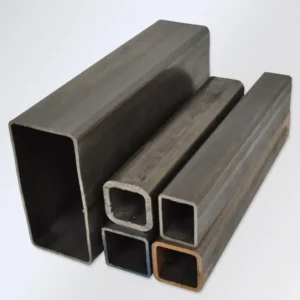
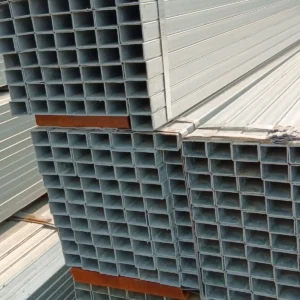
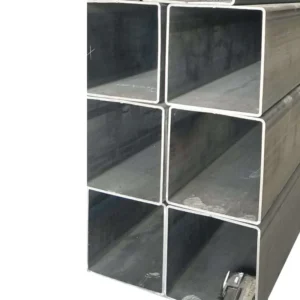
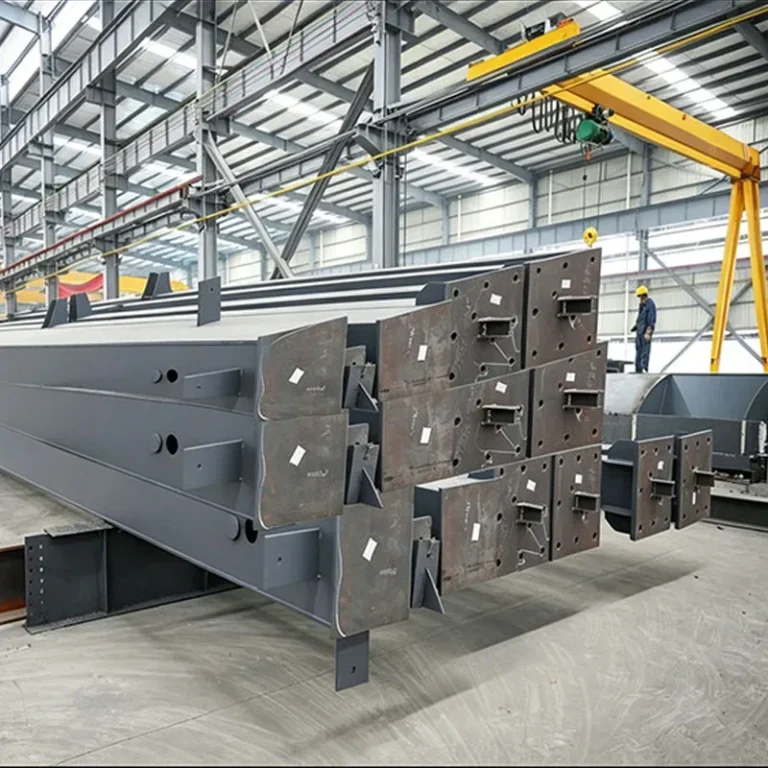
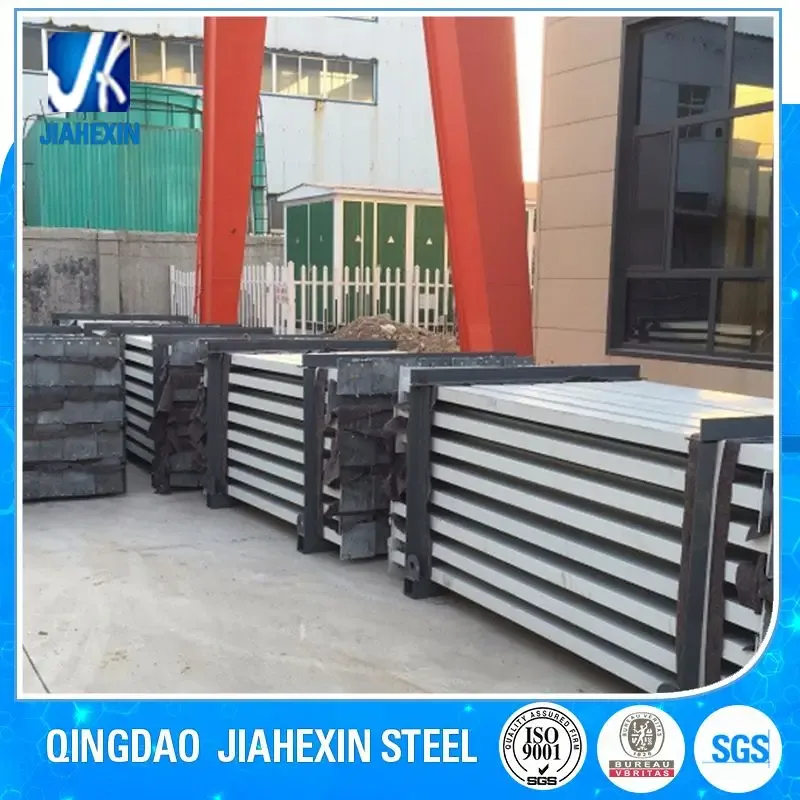
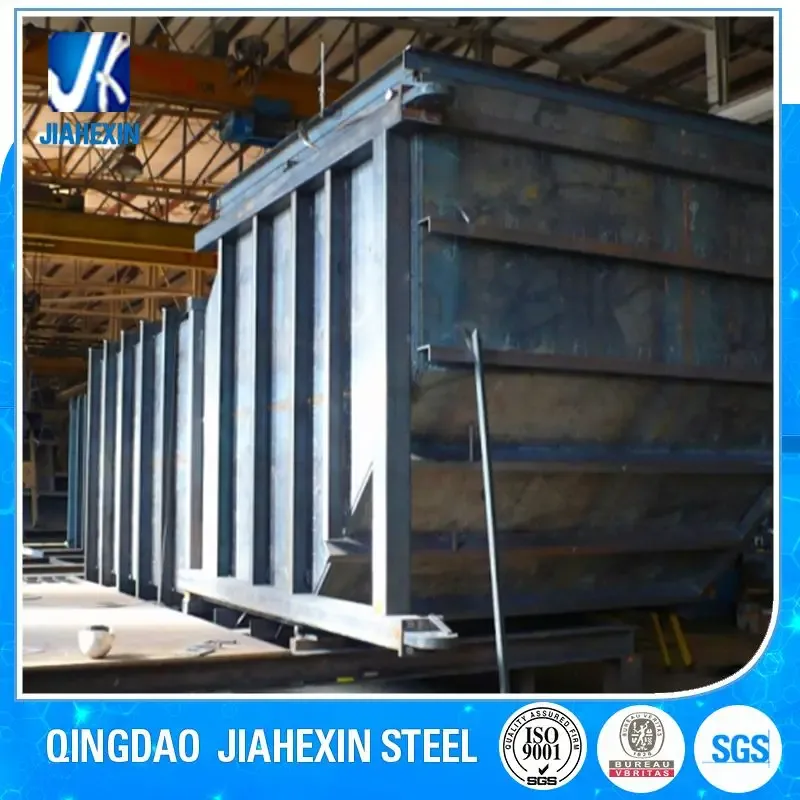
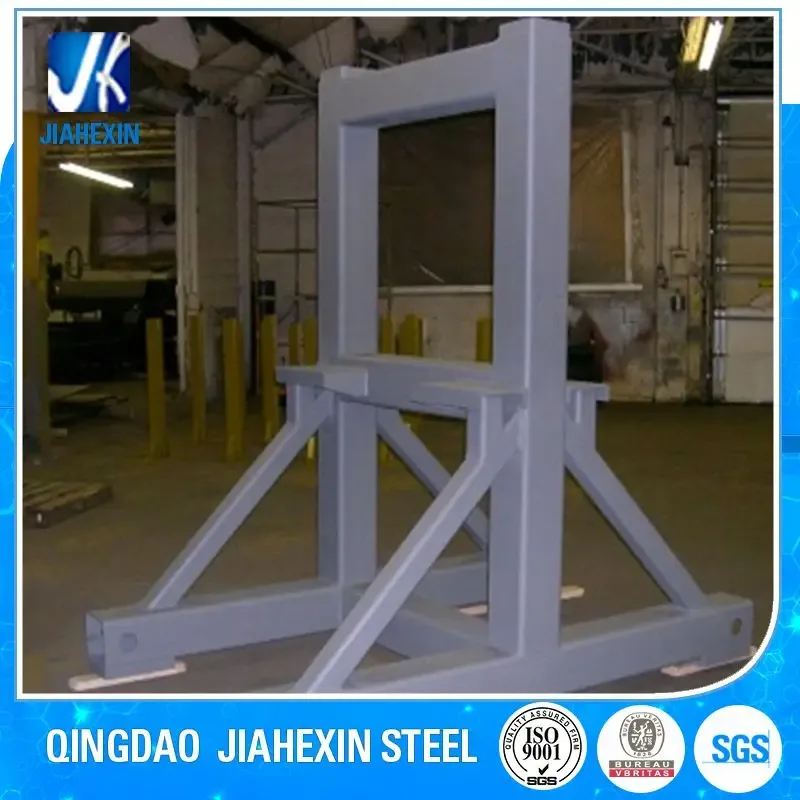
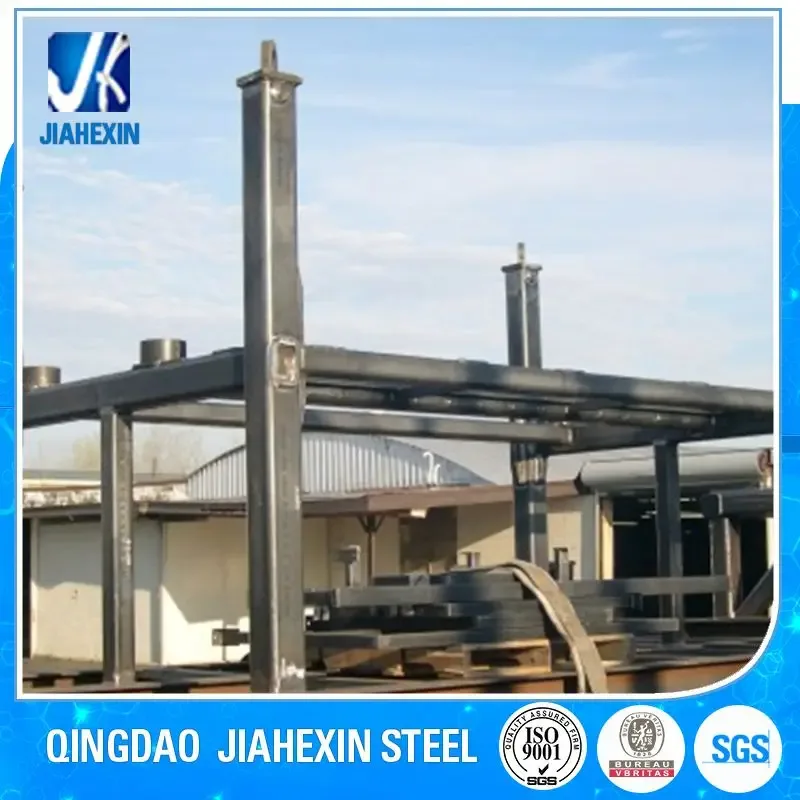
Factory-Direct Structural Steel Fabrication — Every weld joint and cut dimension is verified in our in-house physical and chemical laboratory before shipment, eliminating middlemen markups on your custom OEM orders.
Technical Specifications
| Parameter | Value |
|---|---|
| Designation | Custom Structural Steel Fabrication |
| Product Type | Fabricated Steel Structure |
| Steel Grade | SS400, S235JR, A36, Q235B, Q345B, Q460, 45#, 304, 316 |
| Standard | GB, JIS, ASTM, AISI, DIN, BS, ISO |
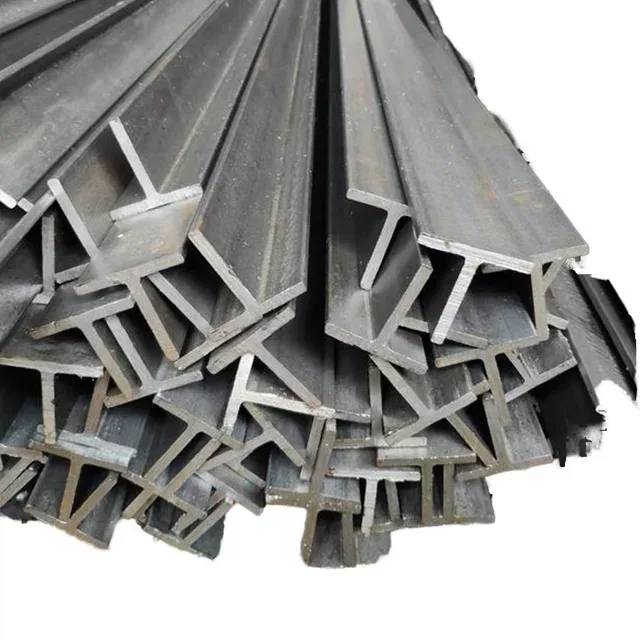
| Section Shape | Custom structural shapes per drawing |
| Weight Range | 10 kg – 20,000 kg per piece |
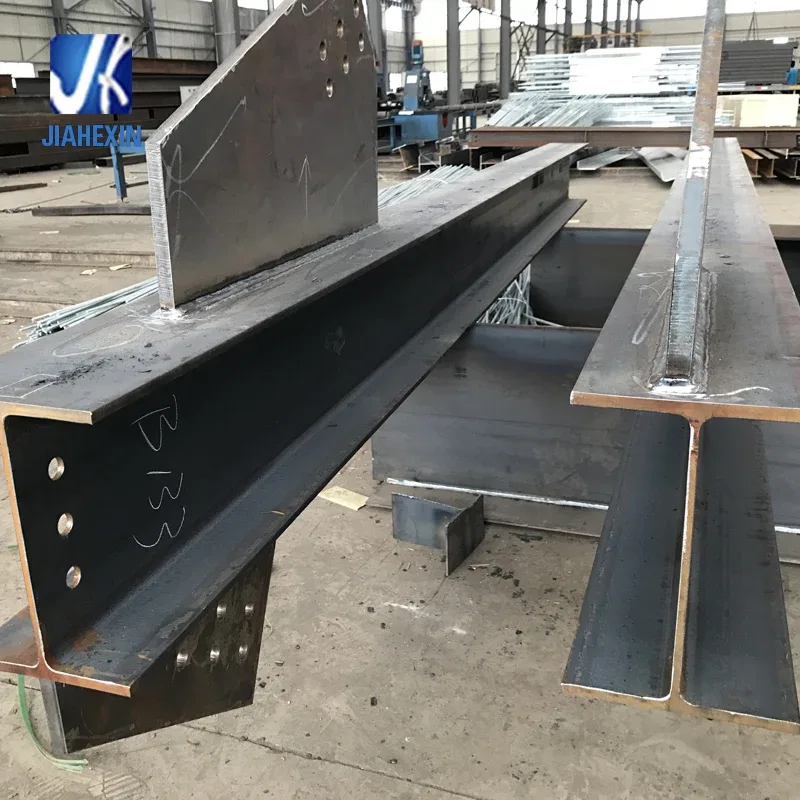
| Technique | Cutting, drilling, bending, welding (TIG/MIG/Spot), assembling |
| Surface Treatment | Powder coating, painted, galvanized, or natural |
| Manufacturing Processes | Material inspection, cutting, deburring, bending, assembling, welding, polishing/cleaning, shot blasting, machining, painting, packing |
| Heat Treatment | Normalization, annealing, quenching and tempering (45#) |
| Non-Destructive Testing | PT (penetrating), MT (magnetic particle), UT (ultrasonic), RT (radiographic) |
| Software Compatibility | SolidWorks, Pro/Engineer, AutoCAD (DXF/DWG), PDF, TIF, IGS, STP |
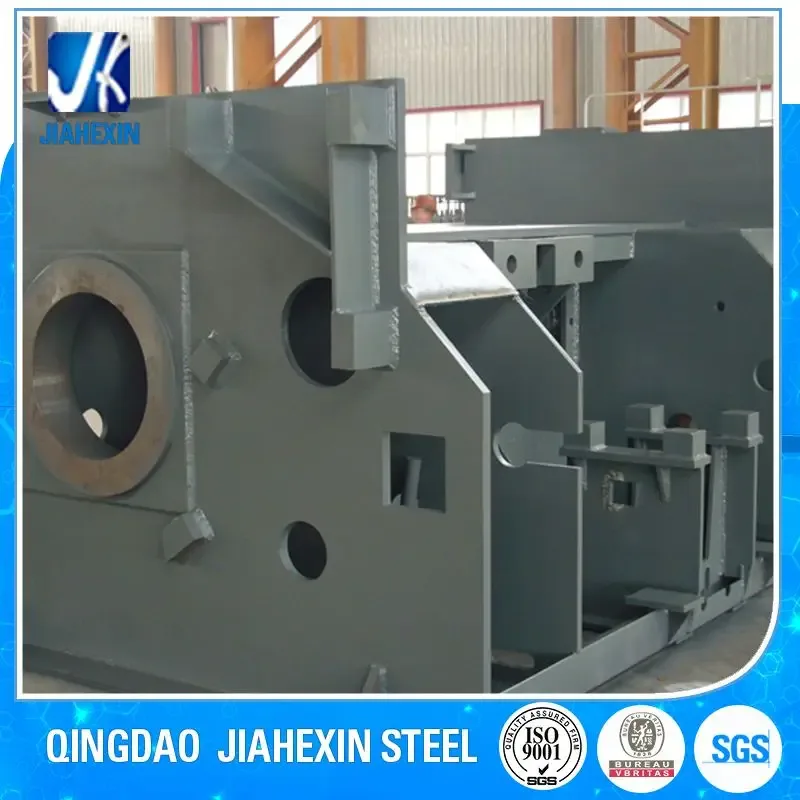
| Application | Steel structure construction, power stations, power plants, large generators, forklifts, material handling equipment, vessels |
| Origin | Shandong, China |
Application Suitability
| Industry | Typical Applications |
|---|---|
| EPC Contractors | Industrial plant frameworks, power station support structures, conveyor system bases |
| Machinery Manufacturers | Equipment frames, generator skid bases, forklift mast components |
| Construction Companies | Steel structure building columns and beams, bridge support brackets |
| System Integrators | Automation line frames, material handling gantry structures |
When TIG Weld Prep Dimensions Decide On-Site Assembly Success
A 3mm deviation on a structural connection plate turns a bolt-together job into a full rework campaign at the installation site.
Global EPC contractors and machinery builders routinely face fragmented sourcing — ordering plates from one supplier, beams from another, and fabrication from a third. This split procurement creates coordination gaps where welding prep dimensions drift, material grades get mixed, and mill test certificates arrive incomplete or missing entirely. The result: customs delays at destination ports, failed third-party inspections, and costly on-site modifications that blow project timelines. For custom structural assemblies shipped across continents, these errors compound into container-level rework or outright rejection. [NEED_CITE: structural steel fabrication tolerance requirements per AWS D1.1]
Matching Fabrication Precision to Heavy-Duty Engineering Environments
Custom Structural Steel Fabrication for power station frameworks and material handling equipment demands more than basic cutting and welding. When a generator base must carry dynamic loads from vibration, or a forklift mast component faces repeated stress cycles, the fabrication process must control weld penetration depth, heat-affected zone hardness, and dimensional accuracy within tight tolerances. Our welding positioners and robotic TIG/MIG systems maintain consistent joint quality across 20,000 kg assemblies, while in-house NDT (UT/MT/PT/RT) catches subsurface defects before surface treatment begins. This integrated approach — from raw plate inspection through final shot blasting — ensures structural integrity matches the engineering specification.
Engineering Compliance and Certification Pathways for Global Delivery
Structural steel fabrication exported to EU markets must demonstrate conformity with EN 10210/EN 10219 standards, while North American projects typically require ASTM A500 or A36 compliance documentation. The steel grade selection directly impacts both structural load capacity and customs clearance speed — SS400 and Q235B serve general construction, while Q345B and Q460 provide higher yield strength for heavy-load applications. For corrosive environments such as coastal power plants or chemical processing facilities, hot-dip galvanizing or multi-layer paint systems extend service life, but only if surface preparation meets SSPC-SP standards prior to coating. Third-party inspection by SGS or BV before shipment provides independent verification that satisfies most international project owners and engineering consultants. [NEED_CITE: EN 10219 cold-formed structural hollow sections certification requirements]
Steel Grade Selection and Welding Process Fundamentals
The choice between SS400, S235JR, and A36 often comes down to regional specification preferences rather than significant mechanical differences — all three serve as general-purpose structural grades with comparable weldability. Moving to Q345B or Q460 increases yield strength for heavier load requirements, but demands pre-heat treatment and controlled interpass temperatures during welding to prevent hydrogen-induced cracking. For alloy applications, 45# steel requires quenching and tempering to achieve target hardness, while 304 and 316 stainless grades resist corrosion in chemical or marine environments without additional surface treatment. The welding process selection — TIG for precision thin-section joints, MIG for high-deposition structural seams, spot welding for sheet metal assemblies — must align with both material thickness and final service conditions. Surface treatment follows fabrication completion: powder coating provides durable finish for indoor machinery frames, hot-dip galvanizing protects outdoor structural members for decades, and paint systems offer color customization for architectural applications. [NEED_CITE: welding procedure qualification for structural steel per AWS D1.1]
The Hidden Cost of Fabrication Errors in International Procurement
Ordering custom structural steel fabrication without verified material traceability or proper welding documentation creates downstream risks that far exceed initial purchase price differences. Material grade substitution — receiving Q235B when Q345B was specified — compromises structural load capacity and fails engineering inspection, requiring complete disassembly and replacement. Missing or incomplete mill test certificates trigger customs holds at destination ports, delaying project schedules and incurring demurrage charges. Welding defects discovered during on-site assembly force field modifications that cost multiples of factory-based rework. These hidden expenses — engineering delays, customs penalties, structural rework — dwarf any perceived savings from unverified low-cost suppliers. [NEED_CITE: structural steel quality assurance requirements for international projects]
Why Engineering Procurement Teams Choose Our Fabrication Services
Factory-direct pricing eliminates trading company markups on every ton of fabricated steel, while our in-house physical and chemical laboratory provides real-time quality control from incoming material inspection through final weld verification. With 2,800+ specifications in our product portfolio and custom non-standard fabrication capabilities, we consolidate pipes, plates, beams, and structural assemblies into single-source procurement — reducing coordination complexity and delivery risk. Our 41 patented technologies include proprietary sharp-corner rectangular tube manufacturing that fills gaps in global market availability. Complete certification coverage — ISO 9001:2015, Lloyd’s Register EU CE (EN 10210/EN 10219), Singapore FPC, plus SGS and BV verification — satisfies customs and engineering compliance across 50+ export destinations. Professional loading plans optimize container utilization for heavy structural assemblies, while door-to-door logistics coordination handles the complexity of international heavy-cargo shipping.
Documentation & Compliance
- Mill Test Certificate documenting SS400, Q235B, or Q345B chemical composition and mechanical properties per GB/ASTM/JIS standards, with traceable heat numbers for every plate and section
- CE Certificate (EN 10210/EN 10219) for structural steel fabrication exported to European Union markets, confirming conformity with harmonized standards
- ISO 9001:2015 Quality Management System certificate covering the complete fabrication process from material receipt through final inspection
- SGS or BV Third-Party Inspection Report providing independent verification of dimensional accuracy, weld quality, and surface treatment before shipment
- Material Traceability Documentation linking every fabricated component to original mill test certificates and heat numbers for full supply chain transparency
- Customs Documentation Package including commercial invoice, packing list, bill of lading, and certificate of origin formatted for destination port requirements
Packaging, Loading & Delivery
- Seaworthy Packaging with steel strip bundling and edge protectors for fabricated structural members up to 12 meters, preventing transit damage to welded joints and surface treatment
- Surface Protection for galvanized or painted components using interleaving materials and corner guards to preserve coating integrity during ocean freight
- Container Loading Optimization for heavy structural assemblies (10 kg – 20,000 kg per piece) with professional weight distribution plans maximizing 20ft and 40ft container capacity
- Custom Cutting and Deburring to project-specified lengths with weld prep beveling completed in factory, reducing on-site modification requirements
- Heat Number Marking on every fabricated component for material traceability verification at destination, with steel grade identification stenciled for visual confirmation
- Flexible Shipping Terms (FOB/CIF/DDP) with door-to-door logistics coordination for project sites across EU, North America, Southeast Asia, Middle East, and South America
Streamlining Your Custom Fabrication Inquiry Process
Submit your engineering drawings (DXF/DWG/PDF/IGS/STP formats accepted) with specified steel grades, quantities, surface treatment requirements, and destination port to receive a detailed quotation within 12 hours. Our technical team reviews fabrication feasibility, identifies potential welding or dimensional challenges, and proposes optimized manufacturing solutions before contract signing. Request material samples and original mill test certificates for quality confirmation, then lock production scheduling with a 30% deposit against Proforma Invoice. Real-time production tracking and pre-shipment inspection reports provide full visibility into your custom structural steel fabrication order through delivery.
Frequently Asked Questions
Q: What file formats do you accept for custom structural steel fabrication drawings?
A: We accept SolidWorks, Pro/Engineer, AutoCAD (DXF/DWG), PDF, TIF, IGS, and STP formats. Our engineering team reviews drawings for fabrication feasibility and provides feedback on welding access, dimensional tolerances, and material selection before production begins.
Q: Do you provide non-destructive testing reports for welded structural assemblies?
A: Yes, our in-house NDT capabilities include PT (penetrating testing), MT (magnetic particle testing), UT (ultrasonic testing), and RT (radiographic testing). Full inspection reports are provided before shipment to verify weld integrity and structural quality.
Q: Can you handle material grade conversion between different international standards?
A: We fabricate to GB, JIS, ASTM, AISI, DIN, BS, and ISO standards. Our technical team advises on steel grade equivalence (SS400/S235JR/A36/Q235B for general structural, Q345B/Q460 for higher strength, 304/316 for corrosion resistance) and ensures proper documentation for destination market compliance.
Q: What surface treatment options are available for fabricated steel structures?
A: We offer powder coating for indoor machinery frames, painting with custom color matching for architectural applications, hot-dip galvanizing for long-term outdoor corrosion protection, and natural finish for components receiving field-applied coatings. Surface preparation follows SSPC standards to ensure coating adhesion.
Q: Do you provide third-party inspection before shipment?
A: Yes, we coordinate SGS or BV third-party inspection for dimensional verification, weld quality assessment, surface treatment inspection, and documentation review. Inspection reports are provided to customers before container loading.
Get Your Custom Structural Steel Fabrication Quote Today
Submit your engineering drawings with steel grade specifications, quantities, and destination port to receive detailed pricing and mill test certificate documentation within 12 hours. Contact our technical team via email at admin@sdxjysteel.com or WhatsApp at +86 188 5315 7756 to discuss your fabrication requirements.