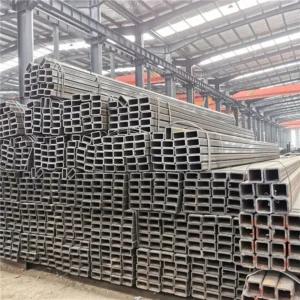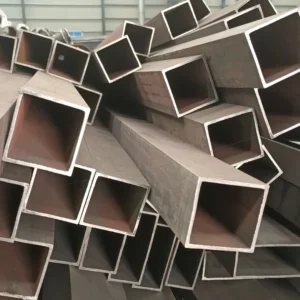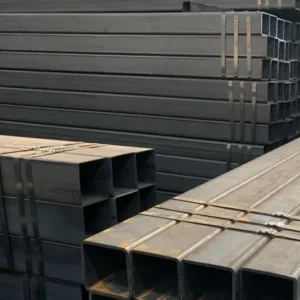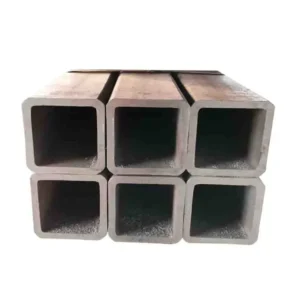
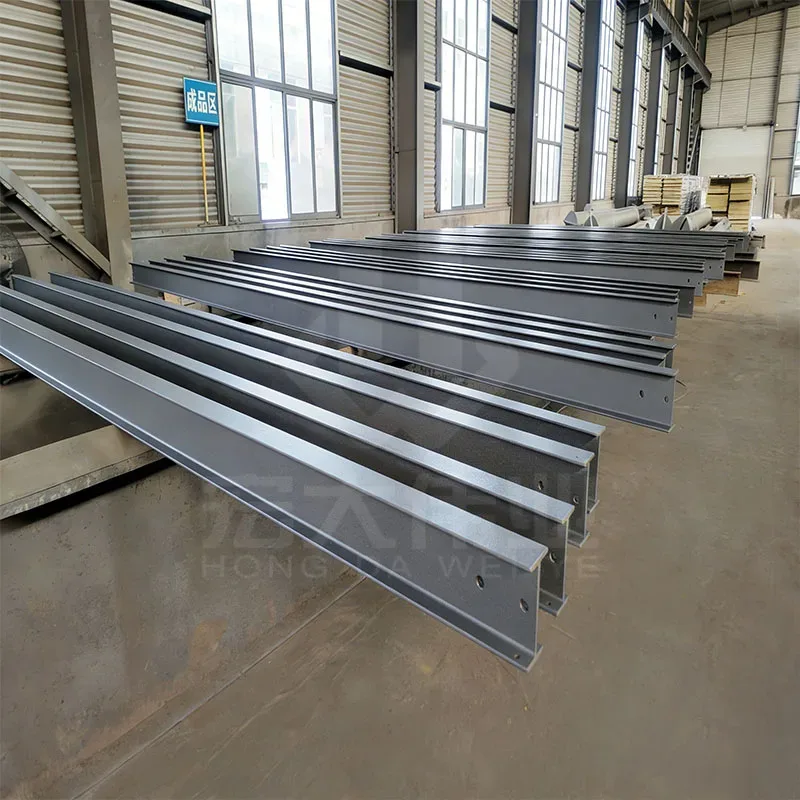
Description
Factory-Direct Structural Steel Fabrication — Q235B and Q345B fabricated steel structures shipped directly from our Jinan production facility with full mill test documentation and CE certification for EU customs clearance.
Technical Specifications
| Parameter | Value |
|---|---|
| Designation | Q235B/Q345B Fabricated Steel Structure |
| Product Type | Fabricated Steel Structure |
| Steel Grade | Q235B, Q345B |
| Standard | CE, ISO 9001:2008 |
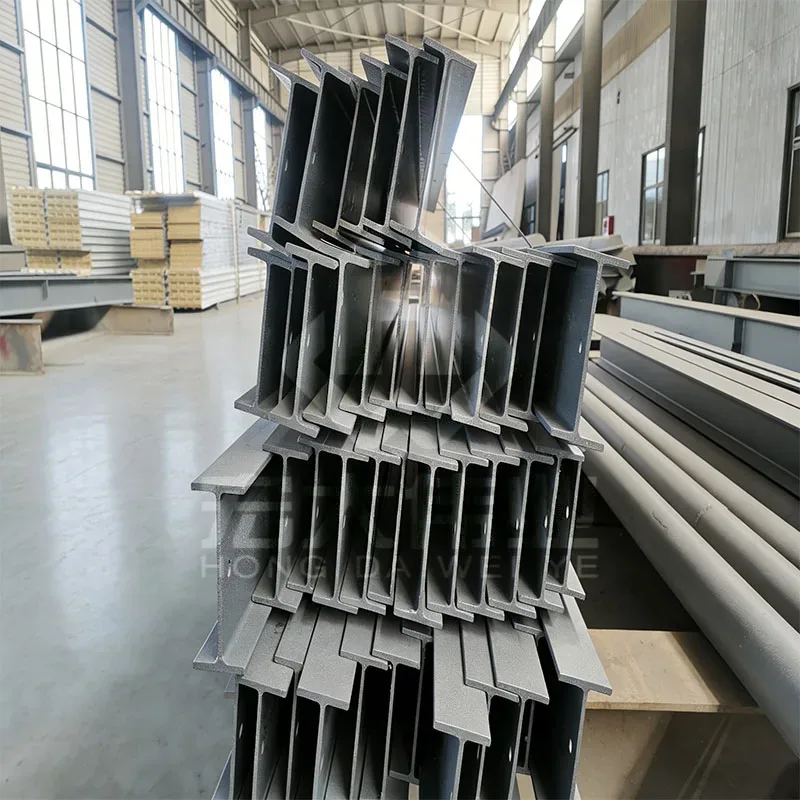
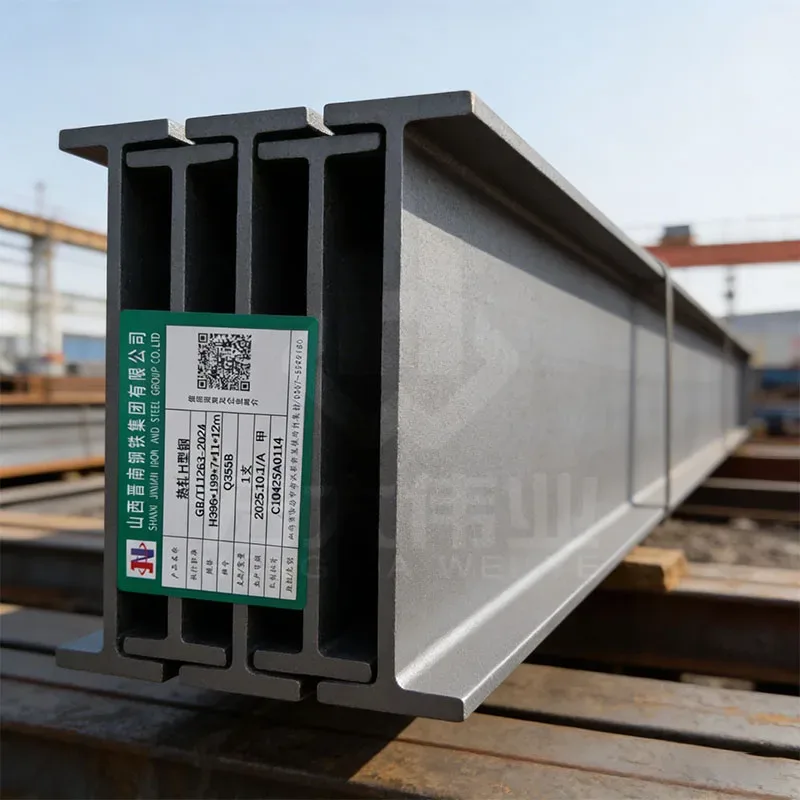
| Section Shape | Solid H-shape Steel Beam Main Frame |
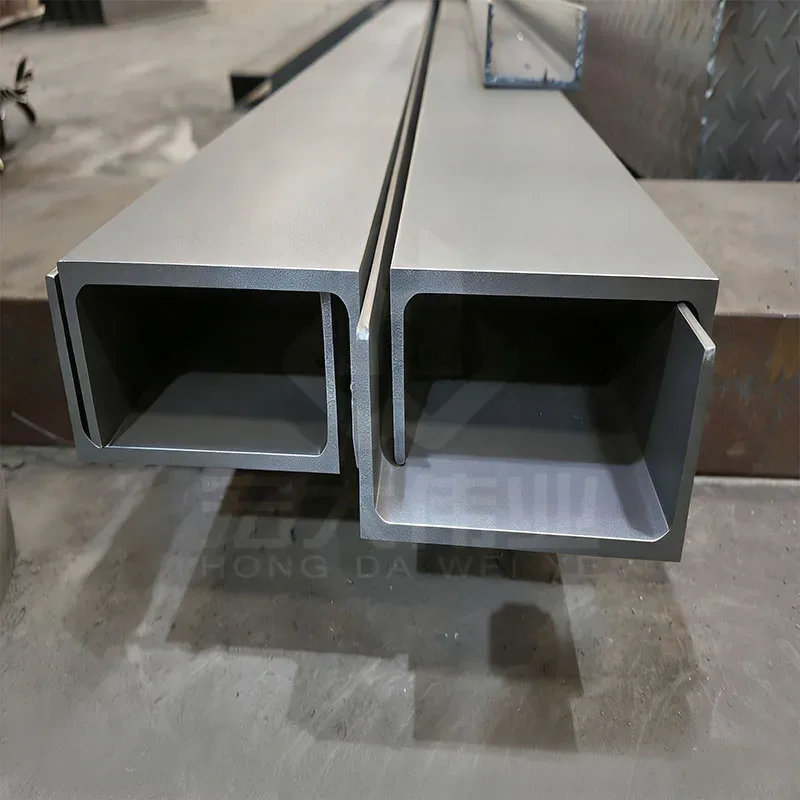
| Purlin | C/Z Shape Steel Channel |
| Surface Treatment | Painting / Galvanized |
| Design Style | Modern |
| Installation | Guided Drawing |
| Warranty | 1 Year |
| Application | Steel Workshop, Steel Warehouse, Garages, Building Materials |
| Origin | Shandong, China |
Application Suitability
| Industry | Typical Applications |
|---|---|
| Industrial Construction | Steel workshop main frames, warehouse portal frames, equipment support platforms |
| Logistics & Storage | Large-span warehouse structures, cold storage facility frames, distribution center buildings |
| Commercial & Agricultural | Vehicle garages, machinery storage sheds, agricultural equipment buildings |
| EPC Projects | Industrial park standard factories, modular production facility structures |
What Fragmented Steel Procurement Costs on a Warehouse Project
Buying beams, purlins, and fabrication services separately multiplies coordination errors and delivery delays.
When procurement teams source H-beams from one supplier, C-channel purlins from another, and fabrication from a third, the tolerance stack-up between components becomes a site nightmare. Bolt holes misaligned by even a few millimeters force field rework that no amount of email coordination can fix. I have seen entire connection plate batches scrapped because the fabricator and the beam supplier worked from different tolerance assumptions. [NEED_CITE: structural steel fabrication tolerance standards EN 1090]
Certification gaps compound the problem. A warehouse frame arriving without proper CE marking or material traceability documentation faces customs holds that delay project timelines by weeks. The Custom Steel Structure Fabrication Manufacturer for Warehouse & Workshop must provide unified quality control across all structural components.
How H-Beam Frames Match Industrial Load Requirements
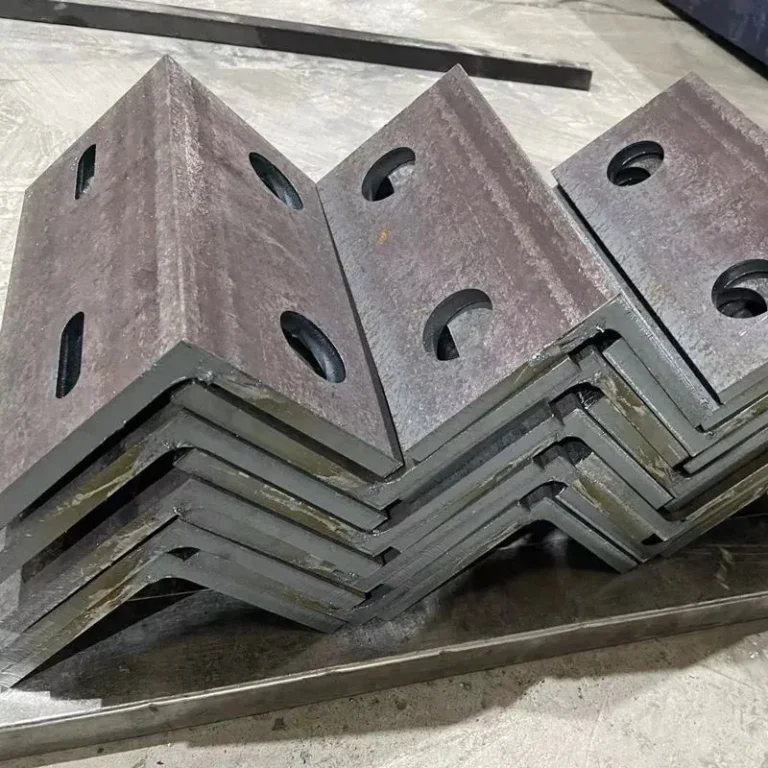
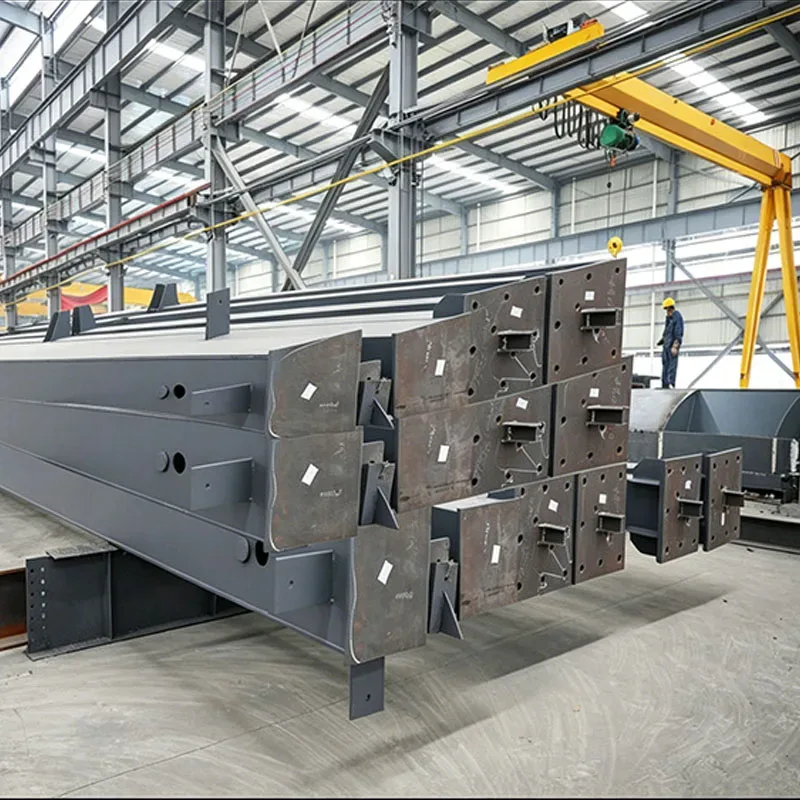
Solid H-shape steel beam main frames deliver the moment resistance and lateral stability that large-span warehouses demand. The flange-to-web geometry provides efficient load transfer from roof purlins through column connections to foundation anchors. Q345B grade selection increases load capacity for heavy crane operations or mezzanine platforms, while Q235B serves standard storage applications economically. As a Custom Steel Structure Fabrication Manufacturer for Warehouse & Workshop, we fabricate frames to exact project dimensions with pre-drilled connection plates positioned per approved shop drawings.
Engineering Compliance and Certification Requirements
Structural steel for industrial buildings must comply with load-bearing codes such as EN 1993 for European projects or AISC standards for North American installations. The choice between painted and galvanized surface treatment depends on environmental exposure—hot-dip galvanizing provides corrosion protection for coastal or high-humidity sites where painted surfaces degrade within years. CE certification under EN 1090 becomes mandatory for structural components entering EU markets, requiring factory production control documentation and welder qualification records. [NEED_CITE: EN 1090 structural steel fabrication execution requirements]
Steel Grade Selection and Fabrication Process
Q235B and Q345B represent the Chinese GB/T 700 and GB/T 1591 standard series, where the number indicates minimum yield strength in MPa. Q345B offers approximately 50 percent higher yield strength than Q235B, allowing thinner sections for equivalent load capacity—critical for long-span warehouse frames where self-weight becomes a design constraint. The H-beam main frame fabrication involves precision cutting, fit-up, and submerged arc welding of flange and web plates, followed by straightening to maintain dimensional accuracy. C and Z purlin systems roll-form from coil stock, providing flexible spacing for roof sheeting attachment. Surface treatment selection balances initial cost against maintenance cycles: painted systems suit controlled indoor environments, while galvanized coatings extend service life in corrosive atmospheres.
Hidden Costs of Incorrect Material Specification
Specifying the wrong steel grade or accepting fabrication without proper certification creates costs that surface only during inspection or installation. Material substitution—receiving Q235B when Q345B was specified—compromises structural safety margins and fails engineer approval. Missing mill test certificates block customs clearance for CE-marked markets, forcing expensive air freight for replacement documentation or complete reshipment. Tolerance deviations in beam length or connection plate positioning require on-site cutting and re-welding that defeats the purpose of prefabricated construction. [NEED_CITE: steel material traceability requirements for structural applications]
Why Project Teams Choose Our Fabrication Facility
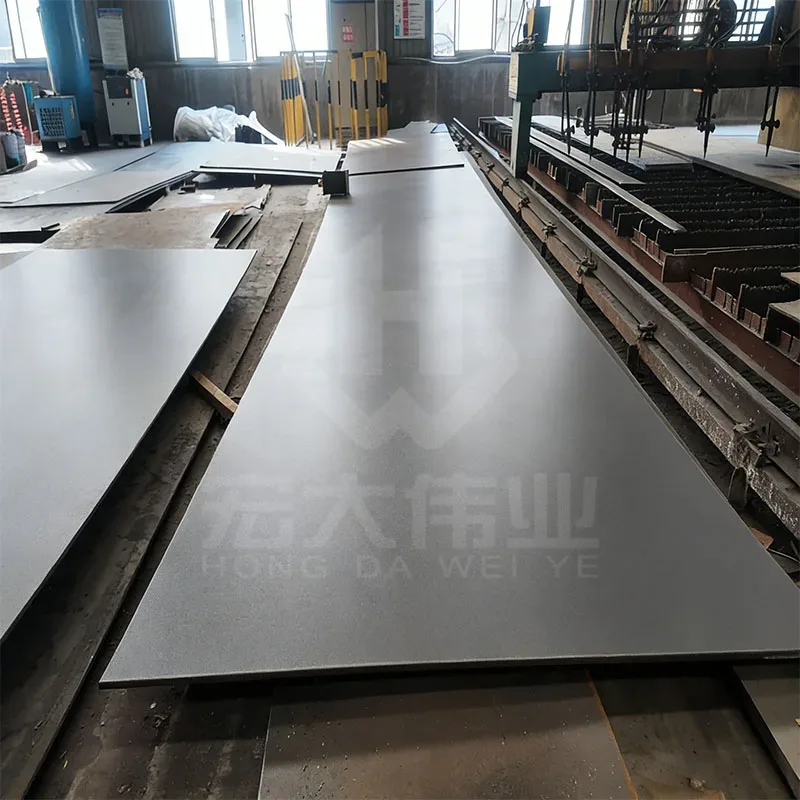
Our Jinan factory operates three dedicated production lines covering over 2,800 steel specifications, eliminating the need to coordinate multiple suppliers for beams, purlins, and plates. Every heat of steel undergoes chemical and mechanical testing in our in-house laboratory before fabrication begins, with results documented in mill test certificates traceable by heat number. We hold CE certification under EN 10210 and EN 10219 standards, ISO 9001:2015 quality management, and Singapore FPC approval—documentation that clears customs across 50-plus export markets. Our 41 invention patents include proprietary sharp-corner rectangular tube technology that fills gaps in global structural steel supply. Professional loading plans optimize container utilization for heavy structural components, reducing per-ton freight costs on CIF and DDP shipments.
Documentation & Compliance
- Mill test certificate documenting Q235B and Q345B chemical composition and mechanical properties per GB/T 700 and GB/T 1591
- CE certificate confirming compliance with EN 1090 execution class for structural steel fabrication
- ISO 9001:2015 quality management system certificate covering design, fabrication, and inspection processes
- SGS or BV third-party inspection report available for project-specific material verification
- Material traceability documentation linking each beam and connection plate to original heat numbers
- Complete customs document package including packing list, bill of lading, and certificate of origin
Packaging, Loading & Delivery
- H-beam main frames bundled with steel straps and timber separators to prevent surface damage during ocean transit
- Galvanized components wrapped with protective film to preserve zinc coating integrity at contact points
- C and Z purlins nested and strapped in bundles sized for container door clearance and crane handling
- Custom cutting to project-specified lengths reduces on-site waste and fits standard 40-foot open-top containers
- Each piece marked with heat number, steel grade, and piece mark matching approved erection drawings
- FOB, CIF, and DDP shipping options with professional loading plans maximizing container weight utilization
Request Your Structural Steel Quotation
Submit your project drawings specifying steel grade, member sizes, quantities, and destination port to receive a detailed quotation including fabrication scope, surface treatment options, and delivery timeline. Our engineering team reviews drawings within 12 hours and provides clarification on connection details, tolerance requirements, and certification needs for your target market.
Start Your Warehouse or Workshop Project Today
Send your specifications and drawings via email or WhatsApp to receive a complete quotation with mill test certificate samples and CE documentation details.
Contact: Shandong Xin Jiyuan Special Steel Tube Co., Ltd
Email: admin@sdxjysteel.com
WhatsApp: +86 188 5315 7756
Frequently Asked Questions
Q: What is the difference between Q235B and Q345B for steel structure applications?
A: Q235B and Q345B differ primarily in yield strength, with Q345B offering higher load capacity suitable for heavy-duty warehouse frames, crane-supporting structures, and long-span applications. Q235B serves standard workshop and garage construction where loads are moderate. The choice affects section sizing, connection design, and overall material cost.
Q: Can you fabricate steel structures according to our custom drawings?
A: Yes, we provide complete fabrication services based on client-provided drawings or offer design assistance using 3D modeling software. Our team reviews drawings for constructability, suggests material optimizations, and produces shop drawings for approval before fabrication begins. Guided installation drawings are included with every shipment.
Q: What surface treatment options are available for different environments?
A: We offer painting systems for indoor or controlled environments and hot-dip galvanizing for outdoor, coastal, or high-humidity applications. The choice depends on corrosion exposure, maintenance access, and project budget. Galvanized surfaces provide longer service life without repainting but carry higher initial cost.
Q: What certifications do your steel structures carry for EU market entry?
A: Our fabricated steel structures carry CE certification under EN 1090 for structural steel execution, supported by ISO 9001:2015 quality management and mill test certificates for all materials. Third-party inspection by SGS or BV is available for project-specific verification. These documents satisfy EU customs and engineer approval requirements.
Q: How do you ensure material quality and traceability?
A: Every steel batch undergoes chemical and mechanical testing in our in-house laboratory before fabrication. Mill test certificates document results and link each fabricated member to its original heat number. This traceability extends through cutting, welding, and surface treatment, providing complete material history for project documentation and inspection.