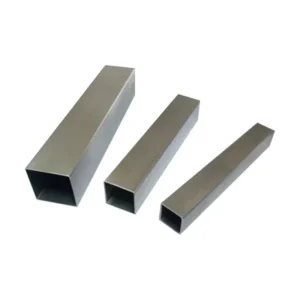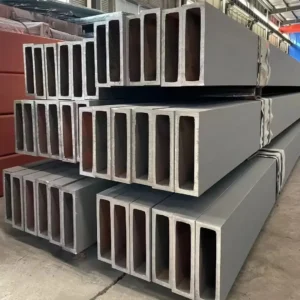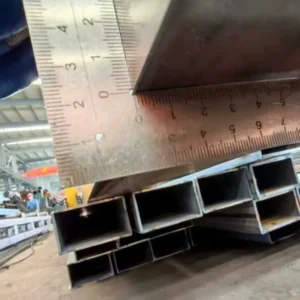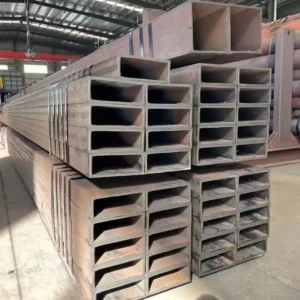
Description
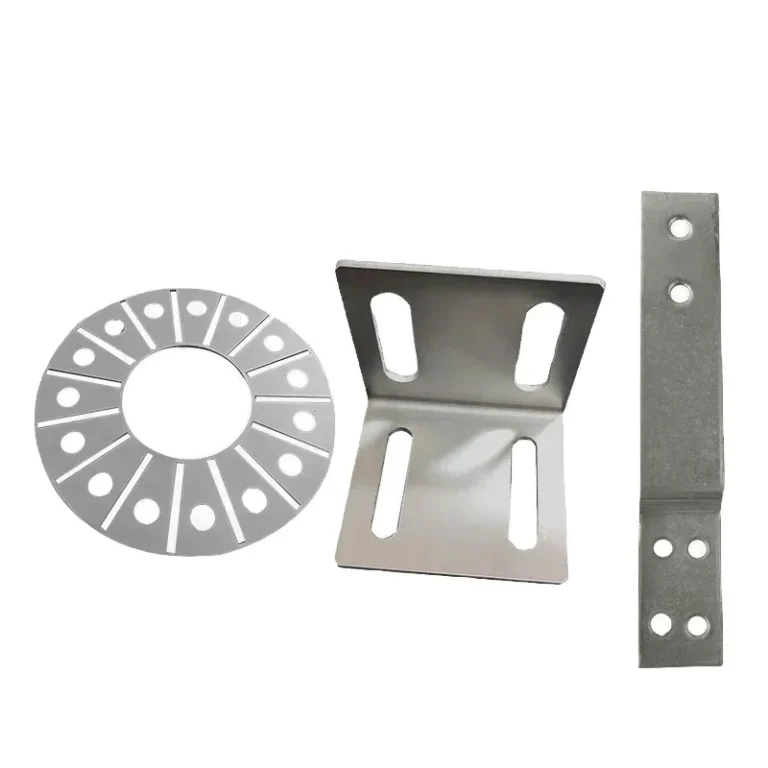
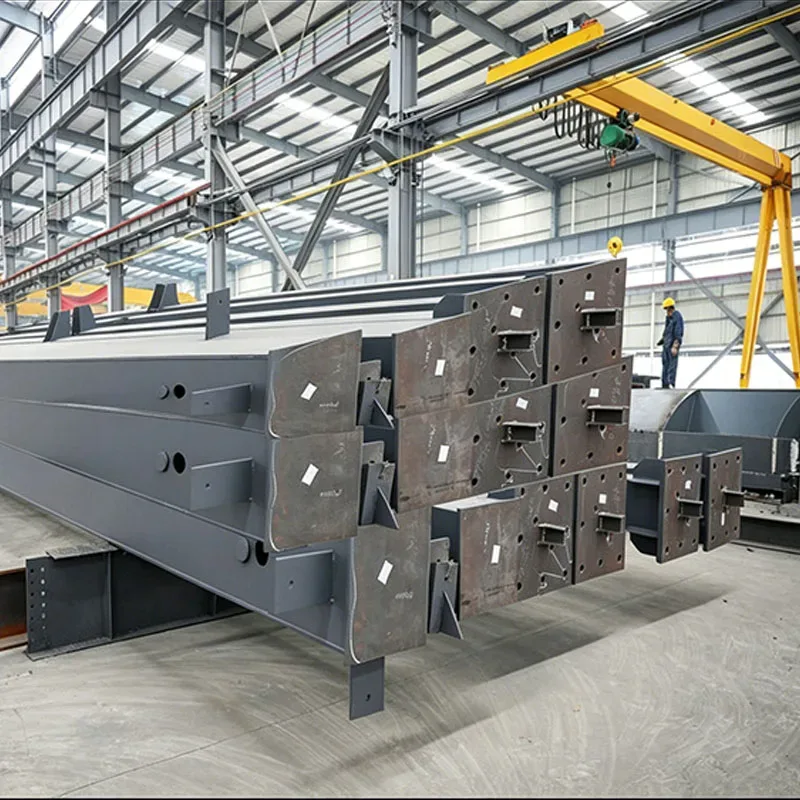
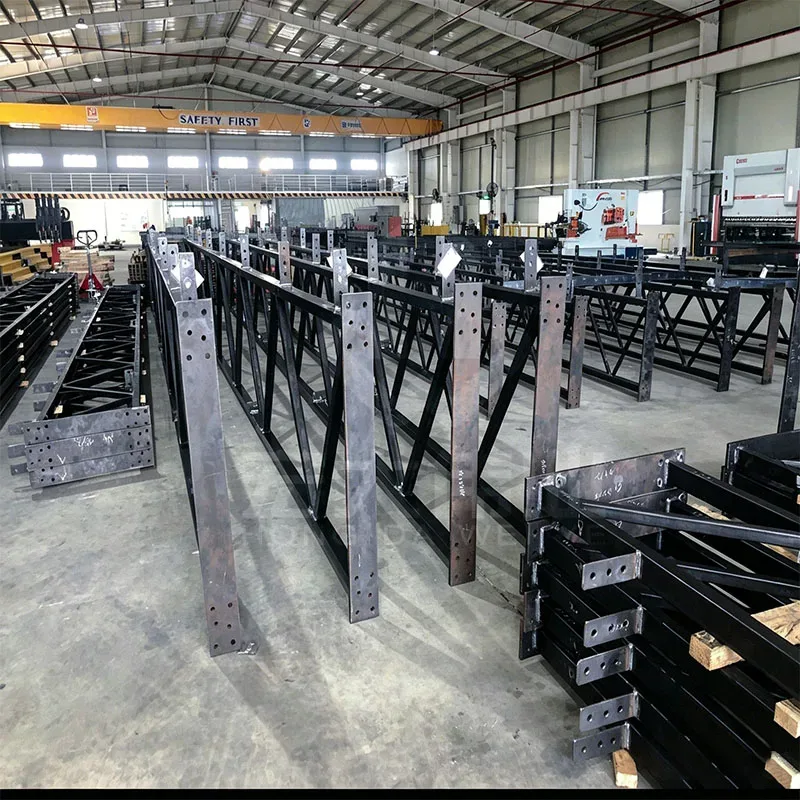
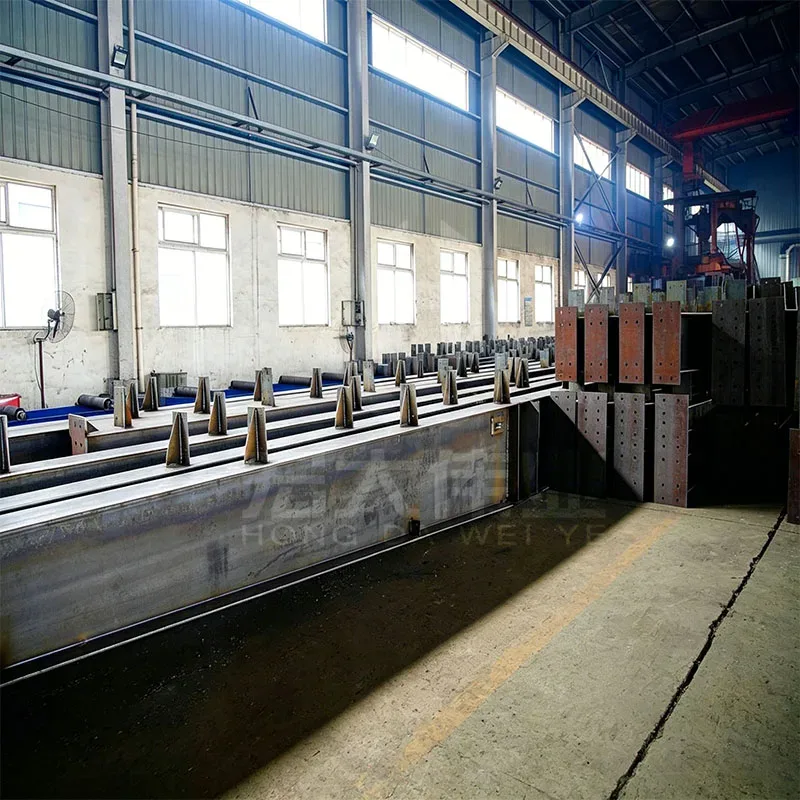
Factory-Direct Structural Fabrication — Q235B and Q345B steel fabricated directly in our Jinan facility, eliminating trader markups on H-beam frames and welded connections.
Technical Specifications
| Parameter | Value |
|---|---|
| Designation | Q235B/Q345B Fabricated Steel Structure |
| Product Type | Fabricated Steel Structure |
| Steel Grade | Q235, Q235B, Q345, Q345B |
| Standard | CE, ISO 9001:2008 |
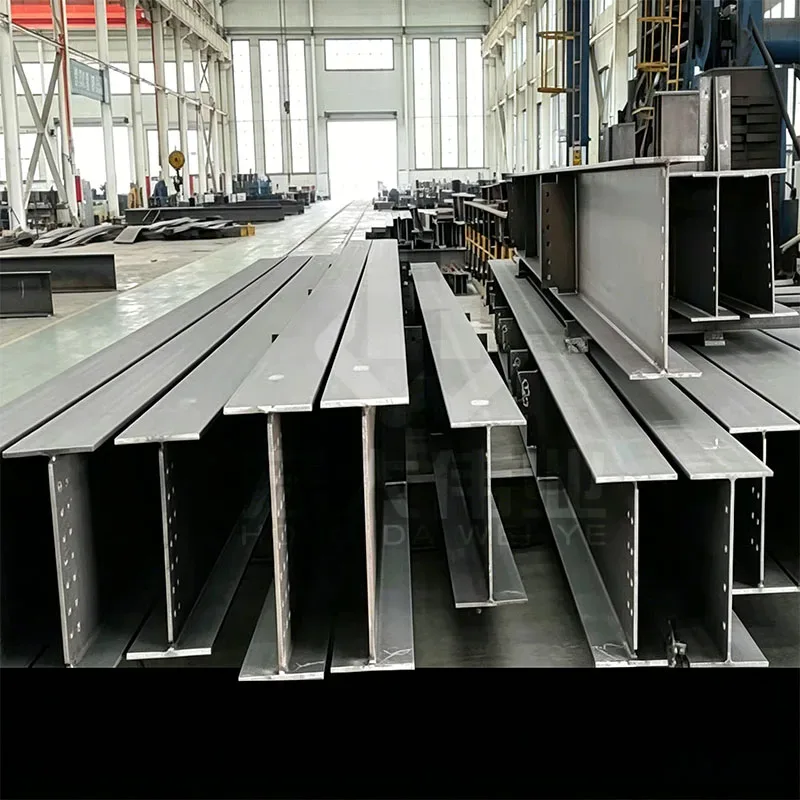
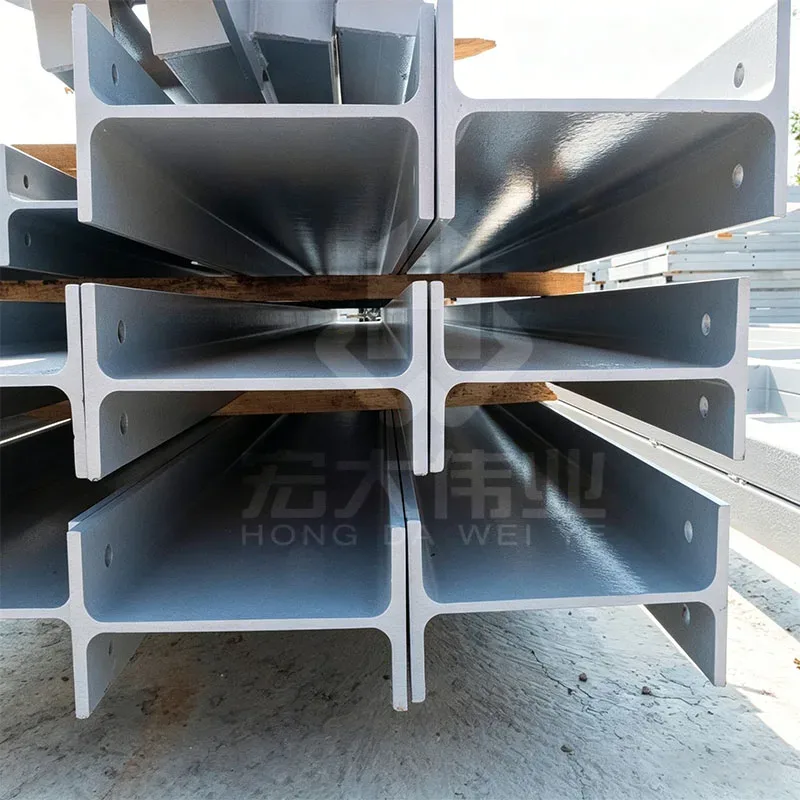
| Section Shape | Solid H-shape Steel Beam |
| Purlin | C/Z Shape Steel Channel |
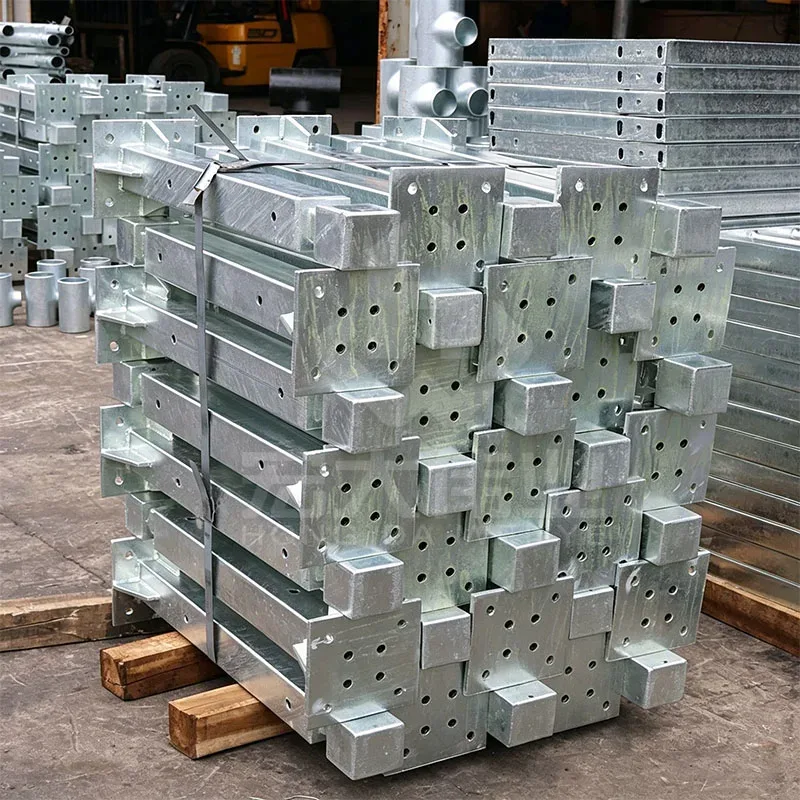
| Surface Treatment | Painting / Galvanized |
| Design Style | Modern |
| Installation | Guided Drawing |
| Warranty | 1 Year |
| After-sale Service | Online Technical Support, Free Spare Parts |
| Application | Steel Workshop, Steel Warehouse, Garage, Building Materials |
Application Suitability
| Industry | Typical Applications |
|---|---|
| EPC Contractors | Industrial warehouse frames, workshop main structures, equipment support platforms |
| Construction Companies | Steel structure buildings, prefabricated garages, modular facility enclosures |
| System Integrators | Conveyor support frames, automation line structures, industrial mezzanine platforms |
What Material Traceability Costs When Customs Officers Open Your Container
Missing mill test certificates turn certified steel into scrap at the port.
When Q345B fabricated structures arrive at EU or Middle Eastern ports without proper documentation, customs officials cannot verify steel grade compliance. The entire shipment gets held — sometimes for weeks — while the buyer scrambles to obtain retroactive certification that may never materialize. I’ve seen warehouse projects in West Africa delayed three months because the supplier provided generic “steel certificate” instead of heat-specific mill test reports. The structural steel fabrication service must include traceable documentation from raw plate to finished assembly.
Beyond customs delays, unverifiable material creates liability exposure. Engineering inspectors require proof that H-beam main frames meet specified load-bearing standards. Without chemical composition records and mechanical test data tied to heat numbers, project owners cannot obtain occupancy permits. [NEED_CITE: EN 10219 cold-formed hollow section documentation requirements]
How Fabricated Frames Match Industrial Building Requirements
Structural steel fabrication for warehouses and workshops requires precise coordination between main frame geometry and purlin spacing. Our Q235B and Q345B steel grades provide the weldability needed for on-site modifications while maintaining load capacity for overhead crane systems. The solid H-shape steel beam configuration distributes vertical loads through moment-resisting connections, while C/Z shape steel channels serve as secondary members for roof and wall cladding attachment. Surface treatment selection — painting for indoor environments or hot-dip galvanizing for corrosive atmospheres — extends service life without compromising dimensional accuracy.
Engineering Compliance and Certification Pathways
European projects demand CE marking under EN 10210 or EN 10219 standards, requiring factory production control certification and third-party verification. Our fabrication facility maintains ISO 9001:2008 quality management systems with in-house physical and chemical laboratories conducting incoming material inspection and weld quality testing. For North American projects, we provide material test reports conforming to ASTM equivalence requirements, though buyers should verify specific grade mappings before contract signing. [NEED_CITE: steel grade equivalence between EN and ASTM standards]
The guided drawing installation approach reduces on-site labor costs by providing numbered components with assembly sequences. Each fabricated piece receives unique identification marks corresponding to erection drawings, eliminating guesswork during construction. Custom dimensions based on client drawings ensure bolt-hole patterns align with foundation预埋件, preventing costly field modifications that compromise structural integrity.
Steel Grade Selection and Fabrication Process Fundamentals
Q235B offers economical solutions for non-critical structural applications where moderate strength suffices. The “B” designation indicates room-temperature impact testing capability, suitable for indoor warehouse structures in temperate climates. Q345B provides higher yield strength for heavy-load scenarios such as workshop crane runways or multi-story industrial buildings. The “Q” prefix denotes Chinese standard yield strength designation, with numbers representing minimum yield values in MPa.
Surface treatment selection directly affects long-term maintenance costs. Painted finishes require periodic recoating in humid or chemical-exposure environments, while hot-dip galvanizing provides sacrificial zinc protection lasting decades without maintenance. For coastal installations or agricultural buildings housing livestock, galvanized treatment prevents rust formation at weld joints and cut edges where paint systems typically fail first.
Welding procedures for Q235B and Q345B follow established protocols using E43 or E50 series electrodes respectively. Post-weld inspection includes visual examination and ultrasonic testing for critical moment connections. Our fabrication process includes trial assembly of complex joints before disassembly for shipping, verifying fit-up accuracy and reducing on-site rework. [NEED_CITE: structural steel welding inspection standards]
Hidden Costs of Incorrect Material Procurement
Specifying Q235B when project requirements demand Q345B creates structural safety risks that only manifest under design load conditions. The lower yield strength may pass visual inspection but fails engineering calculations for wind or seismic loads, requiring complete structure replacement rather than simple member substitution. Conversely, over-specifying high-strength grades increases material costs and complicates field welding for crews unfamiliar with advanced procedures.
Certification gaps create exponential cost multiplication. A missing CE certificate for European projects triggers customs rejection, demurrage charges, and potential re-export costs exceeding original material value. Third-party inspection requirements added after shipment departure cannot verify production process controls, forcing buyers to accept material without quality assurance or commission expensive retroactive testing programs. [NEED_CITE: CE marking requirements for structural steel components]
Why Engineering Procurement Teams Choose Our Fabrication Facility
Direct factory pricing eliminates trader margins typically adding 15-25 percent to fabricated steel costs. Our Jinan production facility operates three dedicated fabrication lines with in-house quality laboratories conducting real-time material verification. The 2,800+ specification range covers standard and non-standard dimensions, eliminating the need to source H-beams, purlins, and connection plates from multiple suppliers.
Professional loading simulation prevents the transportation damage that plagued my early career projects. Every fabricated structure undergoes virtual loading analysis before container stuffing, ensuring heavy H-beam assemblies don’t shift during ocean transit and damage precision-machined connection plates. Our logistics team coordinates FOB, CIF, and DDP shipments to 50+ countries, handling export documentation and customs clearance requirements specific to each destination.
Documentation & Compliance
- Mill test certificate documenting Q235B/Q345B chemical composition and mechanical properties per Chinese standards with heat number traceability
- CE certificate confirming compliance with EN 10210/EN 10219 for European market access and construction product regulation
- ISO 9001:2008 quality management system certificate covering fabrication process controls and inspection procedures
- SGS or BV third-party inspection report available for projects requiring independent verification of material and workmanship
- Material traceability documentation linking each fabricated component to specific heat numbers and mill test certificates
- Complete customs document package including packing list, bill of lading, and certificate of origin formatted for destination country requirements
Packaging, Loading & Delivery
- Fabricated steel structures bundled with steel strips and edge protectors to prevent coating damage during handling and transit
- Galvanized components wrapped in waterproof paper with desiccant packets to prevent white rust formation during ocean shipment
- Container loading optimized through 3D simulation software, maximizing 40ft high-cube utilization for mixed H-beam and purlin shipments
- Custom cutting services available to match specified lengths, reducing on-site welding requirements and construction timeline
- Component identification marks stenciled on each piece showing heat number, steel grade, and erection drawing reference for installation guidance
- Multiple logistics options including FOB Qingdao port, CIF destination port, or DDP door-to-door delivery with real-time tracking capability
How to Initiate Your Structural Steel Procurement
Submit your fabrication requirements including steel grade preference, dimensional drawings, quantity, and destination port through email or WhatsApp. Our engineering team responds within 12 hours with detailed quotation covering unit pricing, production timeline, payment terms, and applicable certification documentation. For non-standard configurations, we provide custom fabrication proposals based on your specific loading conditions and architectural requirements.
Request Your Fabrication Quotation
Send your structural drawings and specifications to receive comprehensive pricing with mill test certificates and compliance documentation included.
Contact: Shandong Xin Jiyuan Special Steel Tube Co., Ltd
Mobile/WhatsApp: +86 188 5315 7756
Email: admin@sdxjysteel.com
Website: www.sdxjysteel.com
Frequently Asked Questions
Q: What steel grades are available for structural fabrication?
A: We fabricate structures using Q235, Q235B, Q345, and Q345B steel grades. Q235B suits general warehouse and workshop applications, while Q345B provides higher strength for heavy-load industrial buildings and crane support structures.
Q: Can you provide custom dimensions based on our drawings?
A: Yes, our fabrication facility produces custom structures based on client-provided drawings. We offer cutting, welding, drilling, and surface treatment services to match your specific dimensional requirements and connection details.
Q: What surface treatment options are available?
A: We provide painting systems for indoor applications and hot-dip galvanizing for corrosion protection in outdoor or humid environments. Surface treatment selection depends on installation environment and maintenance access considerations.
Q: Do you provide Mill Test Certificates and third-party inspection?
A: All fabricated structures include mill test certificates documenting chemical composition and mechanical properties with heat number traceability. SGS and BV third-party inspection services are available for projects requiring independent verification.
Q: What is the delivery time and logistics support?
A: Typical production lead times range from 25-35 days depending on complexity and quantity. We offer FOB, CIF, and DDP shipping terms with professional container loading optimization and complete export documentation support.