
EN10219 vs EN10210 Steel: Cold-Formed SHS Manufacturer
Cold-formed steel is not merely a cheaper version of hot-finished steel. It is a fundamentally different material with distinct residual stress profiles, weldability constraints, and fatigue characteristics that can dictate the structural integrity of your project.
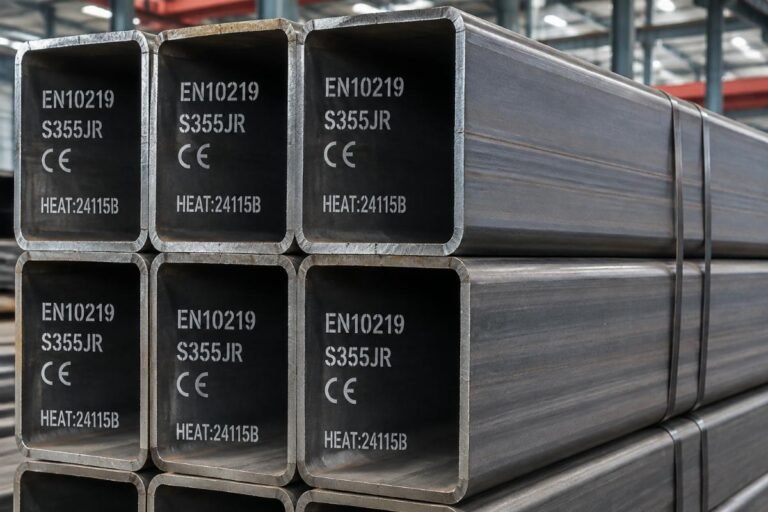
The core difference between EN10219 and EN10210 lies in the manufacturing process: EN10219 covers cold-formed welded structural hollow sections, while EN10210 covers hot-finished seamless or welded structural hollow sections. This distinction determines residual stress levels, impact toughness at low temperatures, and suitability for dynamic or high-stress applications. Choosing the wrong standard for critical load-bearing components can lead to premature weld cracking, failure in flattening tests, and costly project delays.
I still remember the smell of ozone and grinding dust in the inspection bay in Jinan. A batch of square hollow sections destined for a German client had passed visual inspection but failed the mandatory flattening test upon arrival. The cracks appeared right at the corners. The issue was not the steel grade itself, but the unreleased bending stress from the cold-forming process. The manufacturer had skipped the stress-relief annealing step to save time, assuming the S355J2 grade would hold up. It did not. The cost of rework and return shipping exceeded the original cargo value. That incident reinforced a hard lesson: EN10219 vs EN10210 is not just a paperwork choice; it is a technical decision that impacts safety, fabrication ease, and lifecycle performance. [NEED_CITE: residual stress effects on cold-formed steel weld integrity]
Understanding these nuances helps buyers avoid hidden costs. While EN10219 offers economic advantages for static structures, EN10210 provides superior mechanical uniformity for dynamic loads. Let us break down the technical realities behind these standards.
What Are the Fundamental Manufacturing Differences?
The forming temperature dictates the microstructure and residual stress state of the final product.
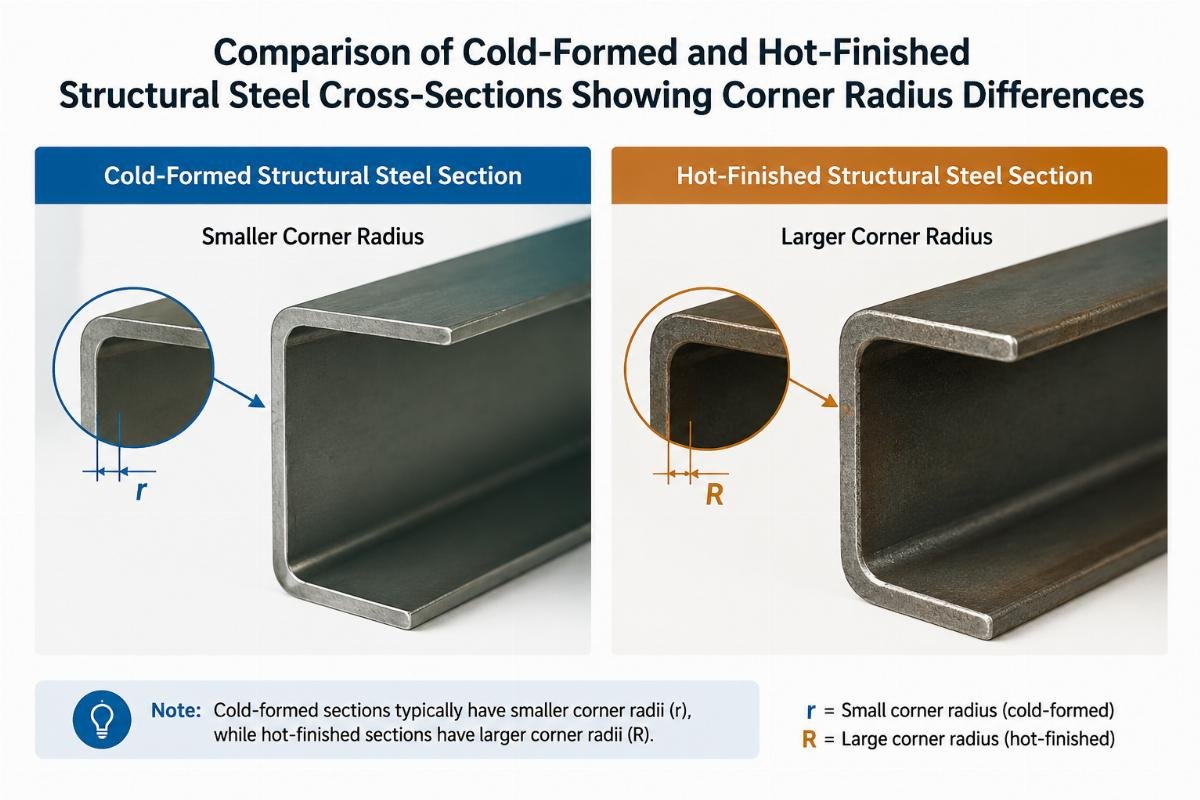
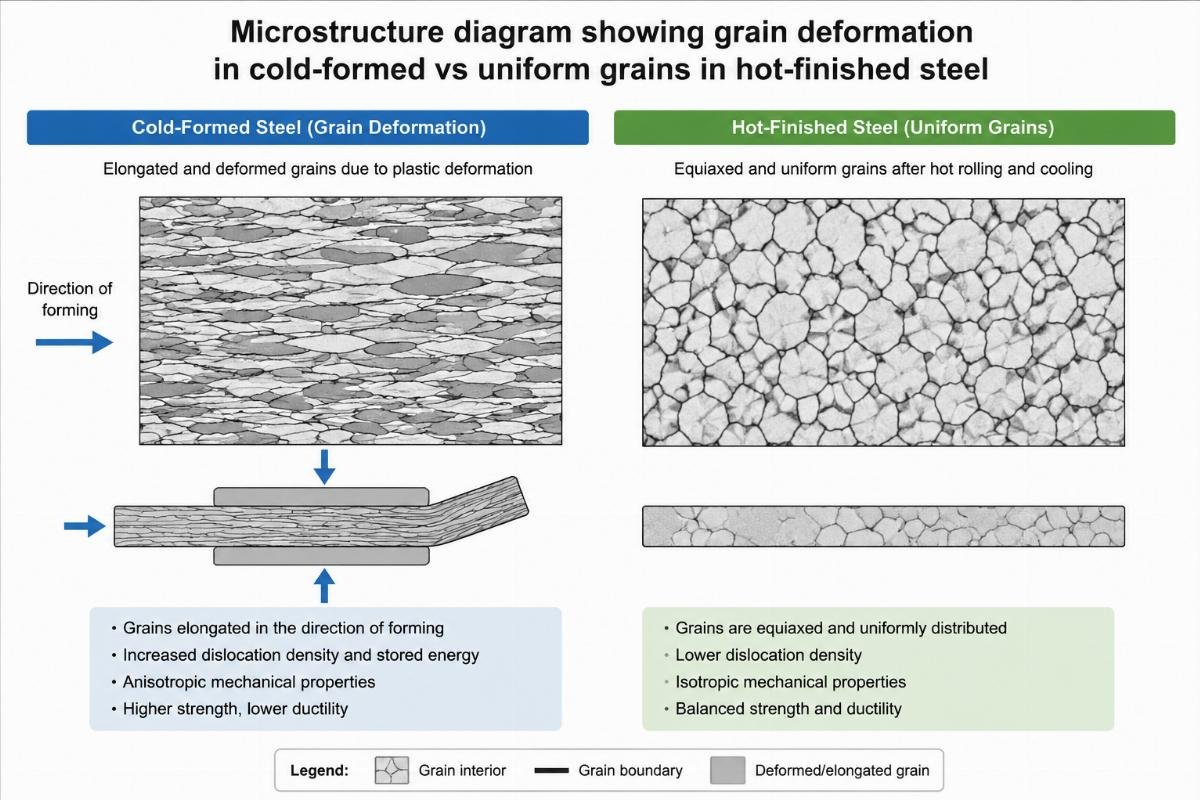
EN10219 structural hollow sections are produced by cold-forming steel strips or plates into shape, followed by welding. This process induces work hardening, particularly at the corners where the bending radius is tight. The metal grains are stretched and compressed, creating high levels of residual stress. Unless a post-forming heat treatment is applied, this stress remains locked in the material. [NEED_CITE: work hardening effects in cold-formed steel tubes]
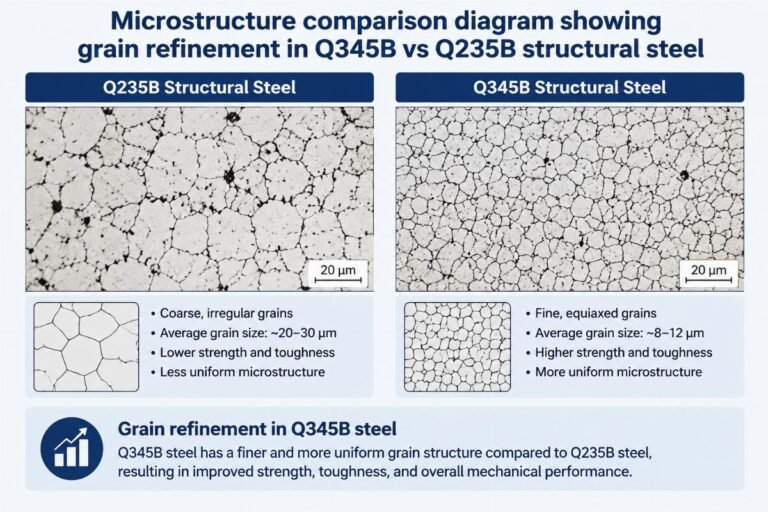
In contrast, EN10210 sections are hot-finished. The steel is formed at elevated temperatures, typically above the recrystallization point. This allows the grain structure to reset, resulting in a more uniform microstructure throughout the section, including the corners. The residual stress levels are significantly lower, and the material exhibits consistent mechanical properties across the entire cross-section.
| Feature | EN10219 (Cold-Formed) | EN10210 (Hot-Finished) |
|---|---|---|
| Forming Process | Cold bending of strips/plates | Hot forming at high temperature |
| Residual Stress | High, especially at corners | Low, uniformly distributed |
| Corner Radius | Tighter, variable depending on tooling | Larger, more consistent |
| Microstructure | Work-hardened at bends | Uniform, recrystallized |
| Typical Application | Static structures, non-critical frames | Dynamic loads, high-stress joints |
For procurement managers, this means that EN10219 tubes may require additional care during fabrication. Cutting or welding near the corners can release trapped stress, leading to distortion or cracking. EN10210 sections are more forgiving in this regard, offering greater dimensional stability during heavy fabrication. [NEED_CITE: dimensional stability comparison hot vs cold formed steel]
How Do Mechanical Properties Differ in Real Applications?
S355 grade steel does not perform identically in both standards due to forming history.
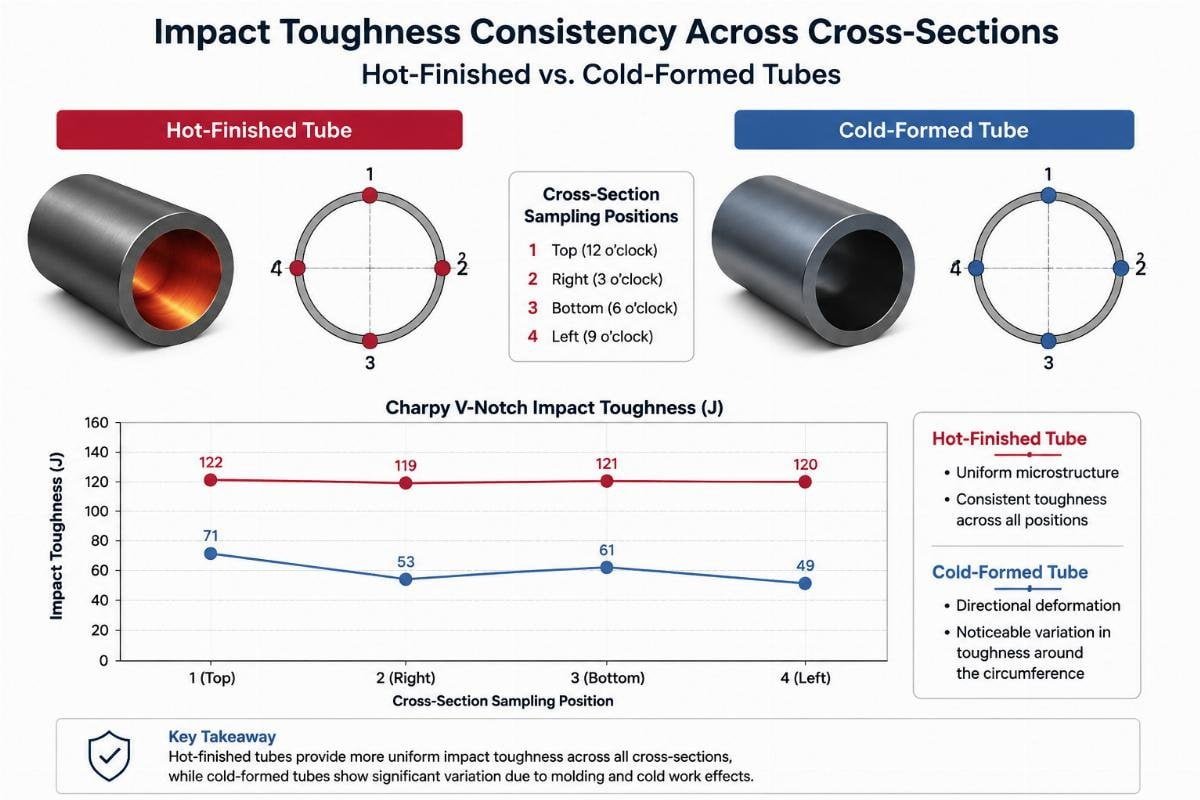
Many buyers assume that an S355J2 tube under EN10219 has the same impact toughness as an S355J2 tube under EN10210. This is a dangerous misconception. The cold-forming process alters the material’s behavior, particularly its ductility and impact resistance.
In EN10219, the yield strength at the corners can be significantly higher than in the flat faces due to work hardening. However, this comes at the cost of reduced ductility. The material becomes more brittle in these localized areas. For projects subject to vibration, such as multi-story car parks or bridge railings, this brittleness can accelerate fatigue crack initiation. [NEED_CITE: fatigue performance of cold-formed vs hot-finished hollow sections]
A recent project for a multi-story car park in Europe highlighted this issue. The initial design specified EN10219 S355J2 for the main columns. During the engineering review, the structural consultant flagged the potential for fatigue failure under constant vehicle vibration. The team switched to EN10210 hot-finished sections for the primary load-bearing columns. While the material cost increased, the improved fatigue life and reduced maintenance requirements over the building’s lifecycle justified the expense.
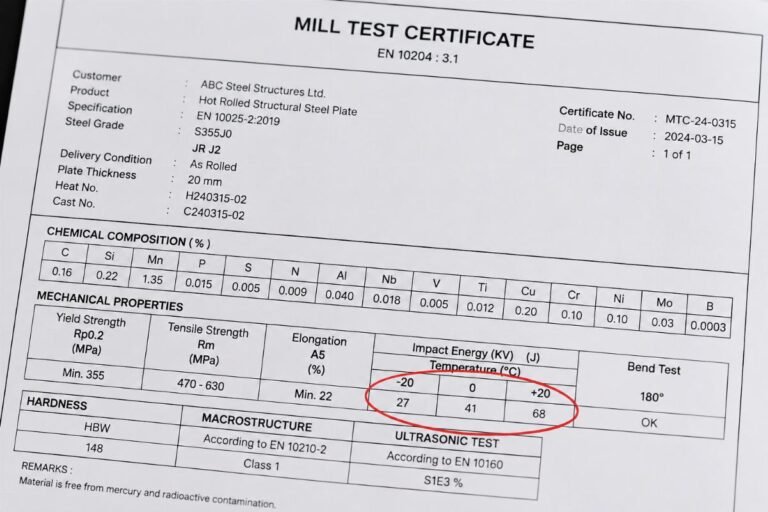
Impact toughness values, such as those defined by J2 (impact energy at -20°C), are more reliably achieved in hot-finished sections because the uniform microstructure ensures consistent performance. In cold-formed sections, the variance between the corner and the face can lead to unpredictable results in low-temperature environments. [NEED_CITE: impact toughness variance in cold-formed steel corners]
Why Does Weld Integrity Fail in Cold-Formed Tubes?
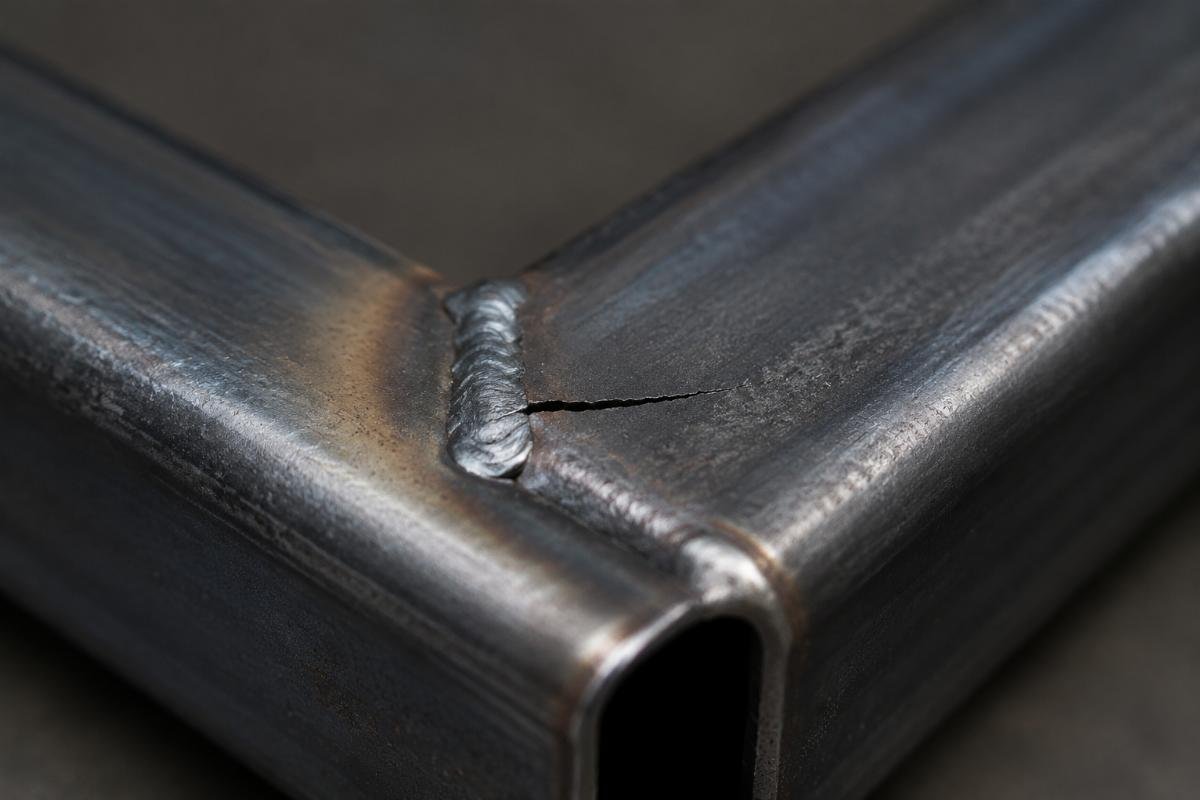
Unreleased residual stress is the primary cause of weld cracking in cold-formed structures.
Welding introduces intense local heat, which causes expansion and contraction. In a cold-formed tube with high residual stress, this thermal cycle can push the material beyond its yield point, leading to cracking. This is particularly common in the heat-affected zone (HAZ) near the weld seam or at the corners where stress is concentrated.
I have seen fabricators struggle with EN10219 tubes when attempting complex joint configurations. Without proper pre-heating or post-weld heat treatment, the risk of cracking increases significantly. The carbon equivalent value (CEV) becomes a critical parameter here. While both standards specify CEV limits for weldability, the effective weldability of cold-formed steel is often lower due to the existing stress state. [NEED_CITE: carbon equivalent limits and weldability in structural steel standards]
To mitigate this, some manufacturers offer stress-relief annealing for EN10219 products. This process heats the formed tube to a specific temperature and cools it slowly, releasing the trapped stress. However, this adds cost and lead time. If the project budget does not allow for this extra step, switching to EN10210 is often the safer technical choice.
In a bridge railing fabrication project, we used EN10219 for the non-load-bearing vertical bars but specified EN10210 for the main horizontal joints and connection points. This hybrid approach optimized the budget while ensuring that the critical welded joints had the necessary ductility and stress resistance. It demonstrated that understanding the specific role of each component allows for smarter material selection. [NEED_CITE: hybrid material usage in structural steel fabrication]
Which Standard Should You Choose for Your Project?
Match the standard to the load type, not just the budget.
Choosing between EN10219 and EN10210 requires a clear understanding of the structural demands. EN10219 is an excellent choice for static structures where loads are predictable and vibration is minimal. Examples include warehouse frameworks, non-critical support columns, and signage structures. The cost advantage is significant, making it ideal for large-scale projects with tight budgets.
However, for dynamic loads, high-stress connections, or environments with extreme temperature fluctuations, EN10210 is the superior option. Its uniform properties and low residual stress make it more reliable for critical infrastructure such as bridges, offshore platforms, and high-rise building cores. The higher initial cost is offset by reduced fabrication risks, lower maintenance needs, and enhanced safety margins.
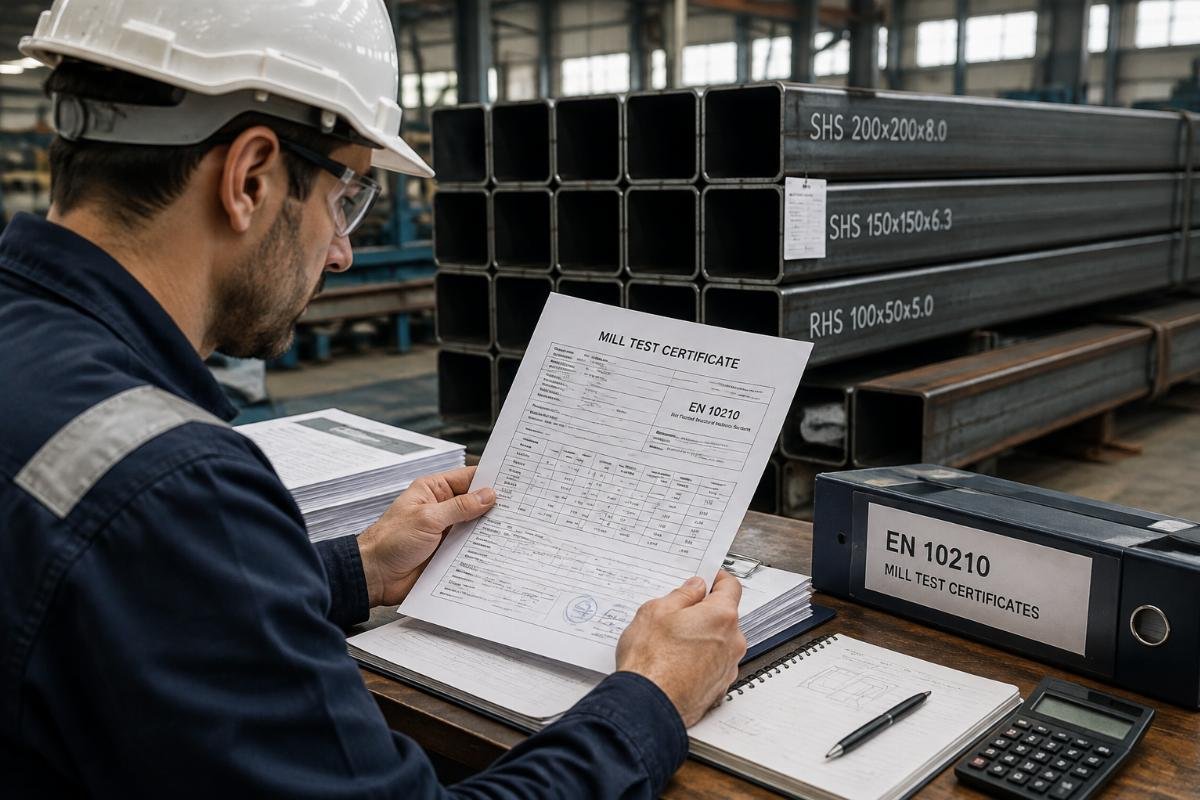
When sourcing these materials, verification is key. Not all suppliers maintain strict control over the forming process or heat treatment protocols. At Xin Jiyuan, our in-house laboratory conducts rigorous testing, including residual stress analysis and flattening tests, to ensure compliance with both EN10219 and EN10210 standards. This level of quality control provides buyers with the confidence that the material will perform as specified, avoiding the costly failures associated with substandard production. [NEED_CITE: importance of third-party verification for structural steel compliance]
Conclusion
The choice between EN10219 and EN10210 defines the structural resilience of your project.
Cold-formed EN10219 steel offers cost efficiency for static applications but carries inherent risks related to residual stress and weld integrity. Hot-finished EN10210 steel provides superior mechanical uniformity and fatigue resistance, making it essential for dynamic and high-stress environments. By aligning the standard with the specific load conditions and fabrication requirements, engineers and procurement managers can ensure both safety and cost-effectiveness. Always verify the manufacturing process and testing protocols to guarantee that the delivered material meets the stringent demands of your structural design.