
EN10219 S355JR Structural Steel for Middle East Projects Manufacturer
A mill test certificate is not a compliance guarantee.
Sourcing structural steel for the Middle East requires more than just competitive pricing; it demands strict adherence to EN standards (like EN10219), precise certification (EN 10204 3.1), and logistics planning that accounts for regional climate and port regulations. Buyers must verify that their source structural steel from China partners provide independent third-party validation rather than generic factory sheets, ensuring materials withstand high-salinity environments and meet rigorous tender requirements.
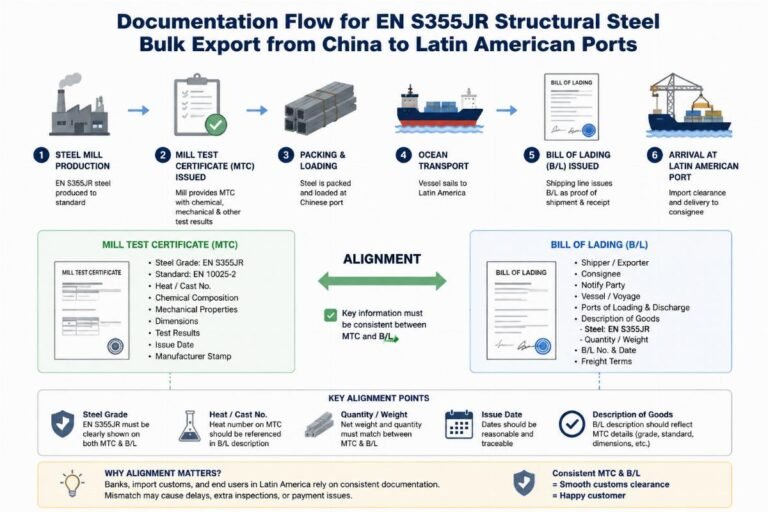
When I was working in quality control at a manufacturing facility in Jinan, I handled a shipment of square hollow sections destined for Dubai. The material was S355JR, produced according to EN10219 specifications. Upon arrival at Jebel Ali Port, the buyer’s third-party inspector rejected the entire container because the impact test data did not align with the submitted documentation. The root cause was not the steel itself, but the paperwork: we had provided a 2.2 certificate, while the project tender explicitly required a 3.1 certificate with independent witness verification. This mismatch led to costly demurrage charges and return shipping. That incident reshaped my approach to export documentation. Now, when clients ask how to source structural steel from China, I emphasize that the paper trail is as critical as the physical product. [NEED_CITE: difference between EN 10204 2.2 and 3.1 certificates]
Why EN10219 Compliance Matters for Middle East Infrastructure?
Structural integrity in the Gulf region depends on specific impact resistance properties.
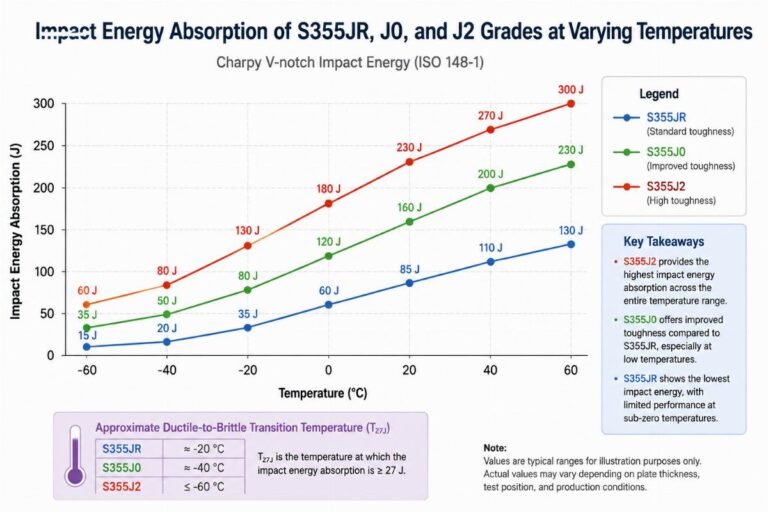
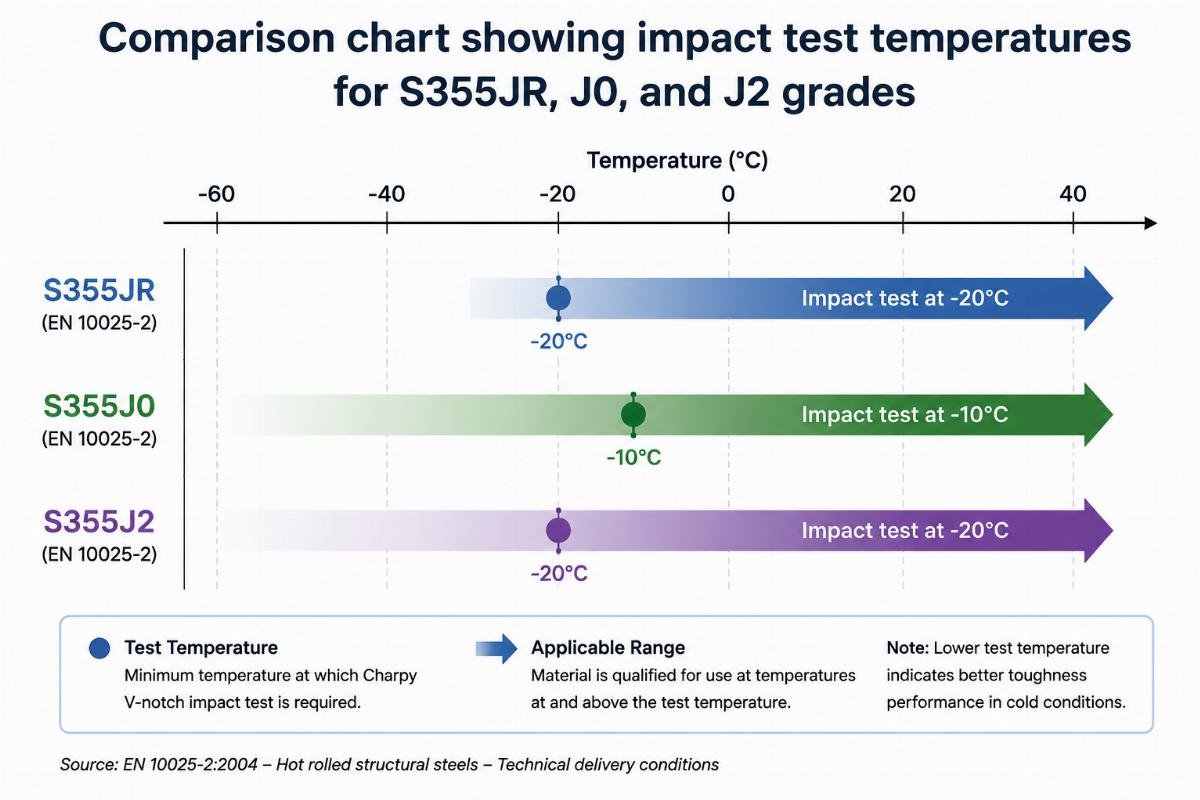
Many buyers assume that all S355 grade steel is identical, but the suffix letters (JR, J0, J2) denote critical differences in impact testing temperatures. For Middle East projects, where daytime temperatures soar but night-time drops can still stress structures, selecting the correct variant is vital. EN10219 specifies the technical delivery conditions for cold-formed welded structural hollow sections, ensuring they meet the mechanical properties required for dynamic loads in infrastructure projects. [NEED_CITE: EN10219 standard requirements for impact testing]
| Specification | Impact Test Temperature | Typical Application Suitability | Certification Requirement |
|---|---|---|---|
| S355JR | Room temperature (20°C) | General indoor structures, non-critical frameworks | Basic Mill Certificate |
| S355J0 | 0°C | Outdoor structures in moderate climates | Enhanced Verification |
| S355J2 | -20°C | Critical infrastructure, coastal zones, varying temps | Independent 3.1 Certificate |
In a recent project for a multi-level car park in Doha, the engineering team specified S355J0 due to the proximity to the coast and potential thermal cycling. A competitor offered S355JR at a lower price, arguing that Qatar rarely sees freezing temperatures. However, the specification was driven by fatigue resistance and safety factors defined in the local building codes, not just ambient air temperature. Using the wrong grade would have compromised the structural longevity. When you source structural steel from China, verifying that the manufacturer understands these nuanced distinctions prevents value engineering from becoming value destruction. [NEED_CITE: Middle East construction codes for structural steel grades]
How to Verify Supplier Credentials and Material Certificates?
Look for traceable heat numbers and independent inspection reports, not just generic mill sheets.
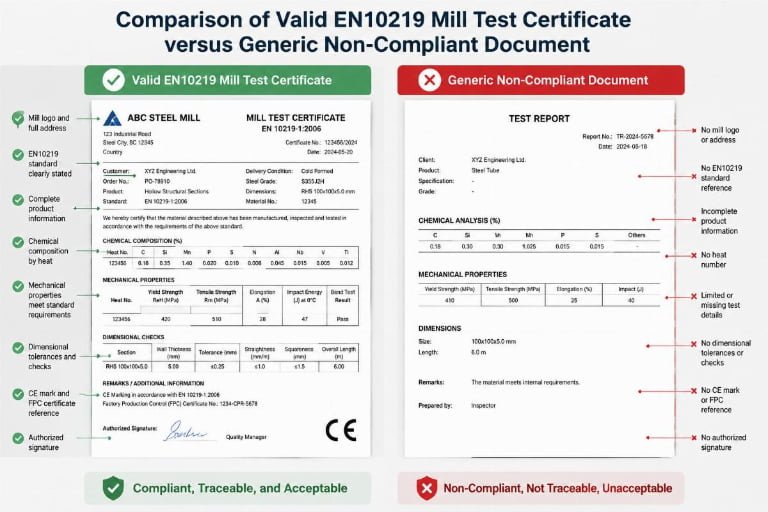
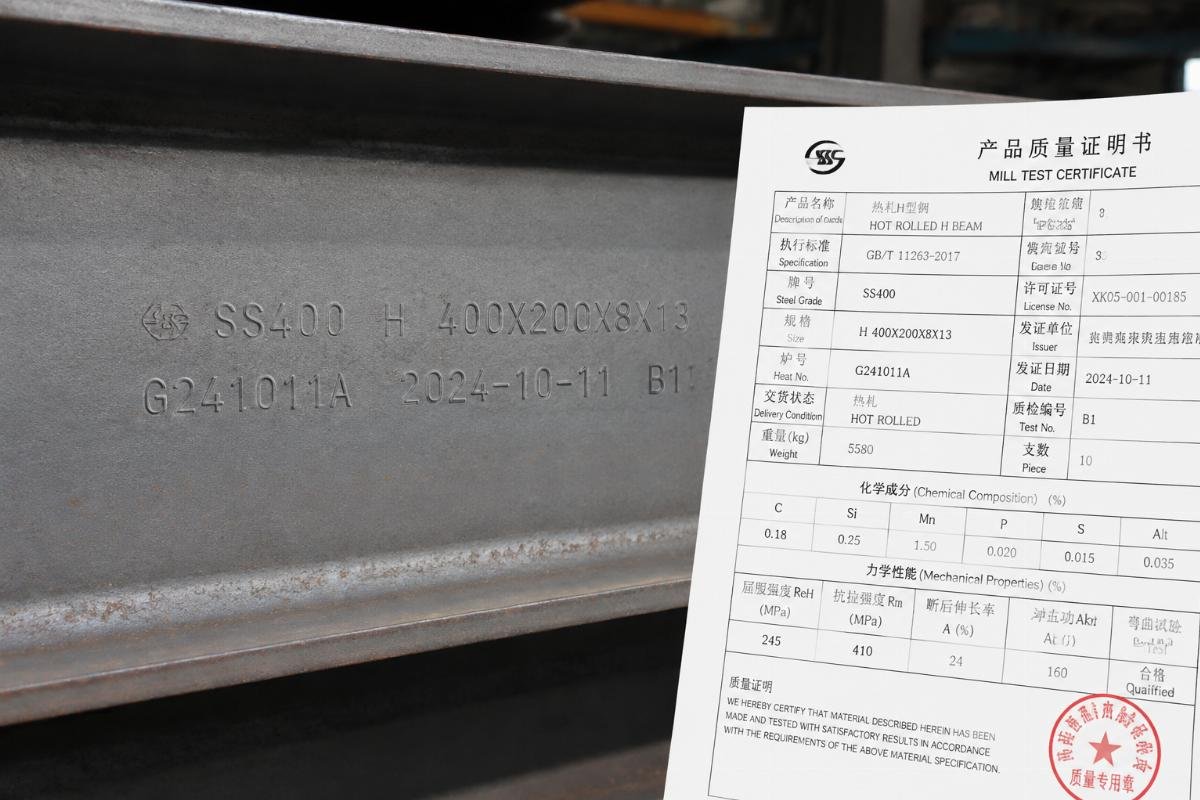
The most common pitfall in international steel procurement is accepting a “Mill Test Certificate” without verifying its authenticity or level of independence. A 2.2 certificate is a declaration of compliance by the manufacturer, whereas a 3.1 certificate involves an independent authorized inspection representative who verifies the results against the order requirements. For major EPC contracts in the UAE and Saudi Arabia, the 3.1 certificate is often mandatory. [NEED_CITE: EN 10204 certificate types definition]
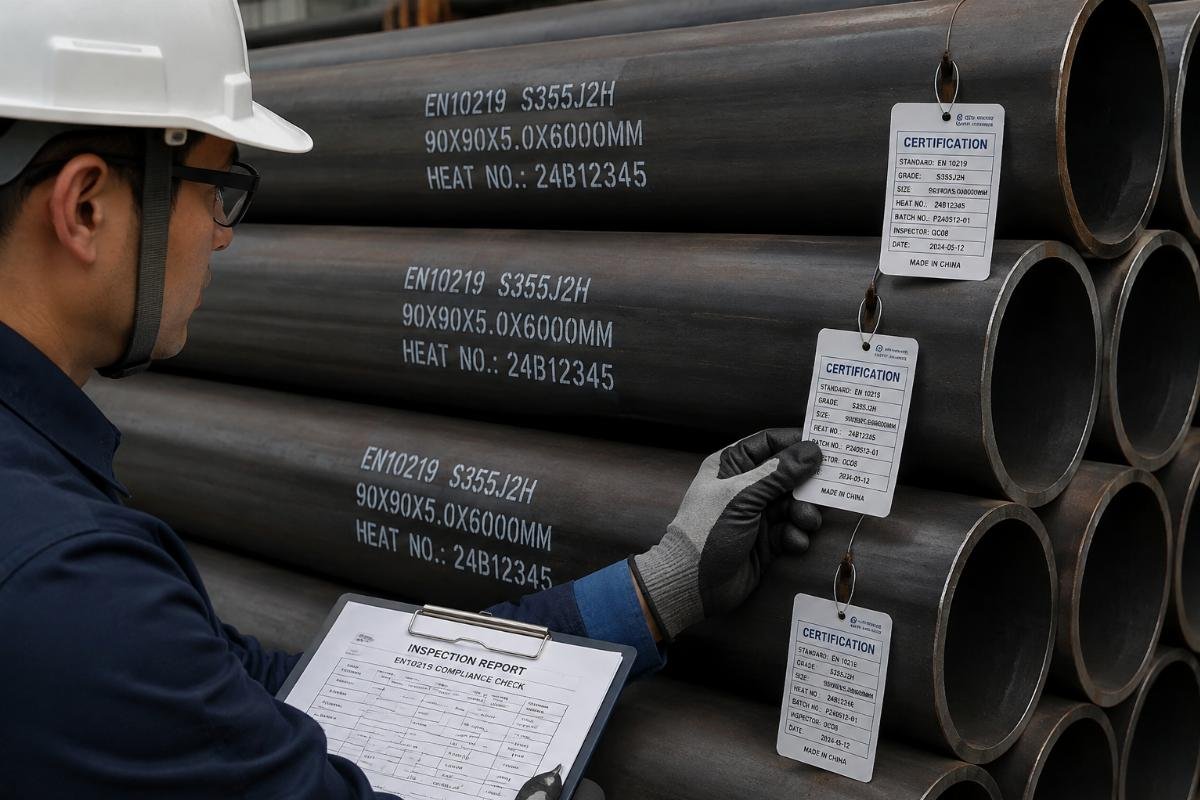
At our production facilities, we maintain an in-house laboratory that conducts tensile and impact tests on every batch. However, for Middle East clients, we coordinate with third-party agencies like SGS or Bureau Veritas to witness these tests and issue the 3.1 certificates. This process ensures that the chemical composition and mechanical properties match the heat numbers stamped on the steel. A buyer once shared a story where a supplier sent photos of certificates that looked authentic, but the heat numbers did not match the physical markings on the beams. By requiring pre-shipment video verification of the heat numbers against the certificate, such discrepancies can be caught before the cargo leaves the port. When you source structural steel from China, insist on this level of transparency.
| Document Type | Issued By | Independence Level | Acceptance in Major Tenders |
|---|---|---|---|
| EN 10204 2.2 | Manufacturer | None (Self-declaration) | Often Rejected |
| EN 10204 3.1 | Independent Inspector | High (Witnessed Testing) | Required |
| ISO 9001 Certificate | Certification Body | Process Only | Not Material Specific |
Verifying credentials also involves checking the manufacturer’s export history. A reliable partner will have experience navigating the specific documentation requirements of different Middle Eastern ports. For instance, customs in Saudi Arabia may require additional legalization of documents compared to the UAE. Ensuring your supplier has a track record of successful deliveries to these regions reduces administrative friction. This is why experienced buyers prefer to source structural steel from China through manufacturers who have established protocols for regional compliance.
What Are the Critical Surface Treatment Requirements for Gulf Climates?
High-salinity environments demand specific galvanizing standards or high-performance epoxy coatings.
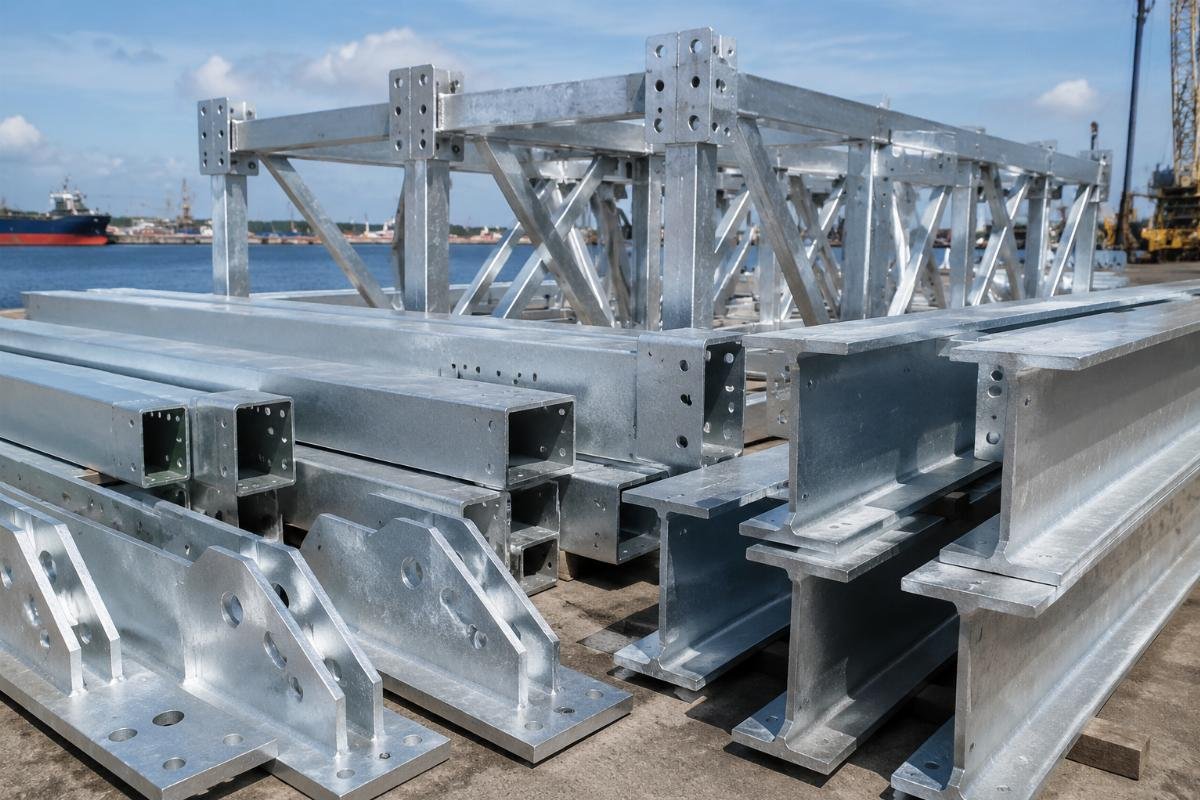
The coastal areas of the Middle East, such as those in Kuwait, Bahrain, and coastal UAE, present a corrosive challenge due to high humidity and salt spray. Standard paint systems often fail within months if not applied correctly. Hot-dip galvanizing is a preferred method for structural steel in these environments, but the thickness of the zinc coating must comply with ISO 1461 standards. [NEED_CITE: ISO 1461 galvanizing thickness requirements]
I recall a project in Jeddah where standard shot blasting and painting were specified for outdoor scaffolding components. Within a year, significant rust spotting appeared, compromising the aesthetic and structural integrity. The failure was attributed to inadequate surface preparation before painting, allowing moisture to trap beneath the coating. For subsequent phases, the client switched to hot-dip galvanizing with a minimum coating thickness suitable for C5-M (marine) corrosion categories. [NEED_CITE: ISO 12944 corrosion categories]
| Environment | Corrosion Category | Recommended Treatment | Expected Lifespan |
|---|---|---|---|
| Inland Desert | C2/C3 | Standard Painting | Moderate |
| Coastal Urban | C4 | Enhanced Epoxy/Polyurethane | Good |
| Marine/Offshore | C5-M | Hot-Dip Galvanizing | Robust |
Manufacturers who understand these environmental factors will offer tailored surface treatment options. At our facility, we provide shot blasting to Sa 2.5 cleanliness levels before applying any coating, ensuring optimal adhesion. For clients looking to source structural steel from China, discussing the specific environmental exposure of the project site early in the negotiation phase allows for the selection of the most cost-effective and durable protection system. This proactive approach avoids premature maintenance costs and extends the service life of the structure.
How to Navigate Logistics and Customs for Steel Imports?
Proper packaging and clear marking prevent costly delays at regional ports.
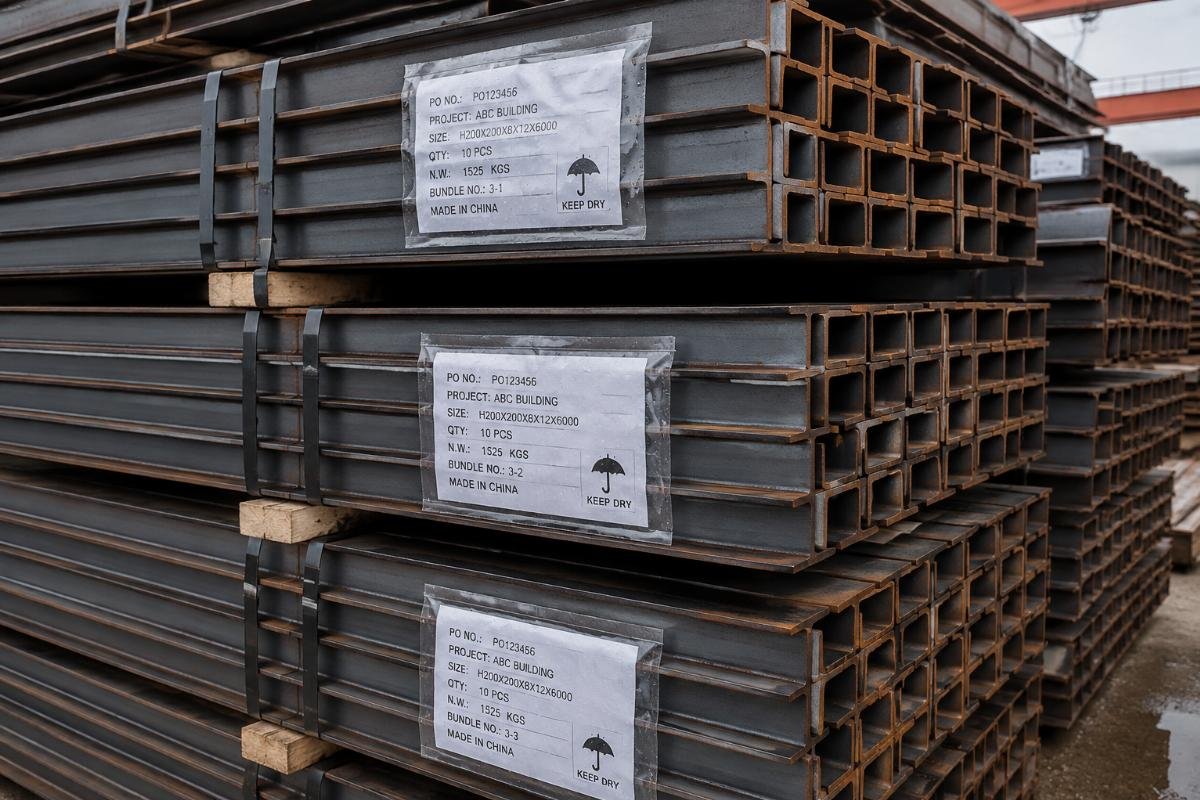
Logistics bottlenecks are a frequent cause of project delays in the Middle East. Ports like Jebel Ali and King Abdulaziz Port have strict regulations regarding packaging and labeling. Improperly packed steel can suffer from damage during transshipment, and unclear marks can lead to customs holds. Standard export packaging includes steel strapping with protective dunnage to prevent movement and corrosion during sea freight. [NEED_CITE: Best practices for steel export packaging]
A common issue arises when bundles are not clearly marked with the purchase order number, item description, and heat numbers. Customs officers may struggle to verify the cargo against the import license, leading to inspections that delay clearance by days or weeks. We ensure that each bundle is tagged with waterproof labels containing all necessary information, including the country of origin and gross weight. This attention to detail facilitates smoother customs clearance. When you source structural steel from China, confirm that your supplier has experience with these logistical nuances.
Additionally, pre-shipment inspections can identify packing issues before the container is sealed. Engaging a third-party inspector to verify the quantity, dimensions, and packaging condition provides an extra layer of security. This step is particularly valuable for full-container loads where visibility is limited once sealed. By addressing these logistical details upfront, buyers can ensure that their materials arrive on site ready for installation, avoiding the frustration of unpacking damaged or misidentified goods. Those who source structural steel from China with a focus on logistics readiness often see faster project turnaround times.
Conclusion
Compliance, certification, and climate adaptation define successful steel procurement.
Sourcing structural steel for the Middle East is a complex process that extends beyond price negotiation. It requires a deep understanding of EN standards, rigorous verification of certifications, and adaptation to harsh environmental conditions. By prioritizing independent 3.1 certificates, selecting appropriate surface treatments, and ensuring meticulous logistics planning, buyers can mitigate risks and ensure project success. Partnering with a manufacturer who demonstrates expertise in these areas allows you to source structural steel from China with confidence, delivering quality and reliability to your construction projects.