
EN S355JR Steel Supplier vs Wholesaler: Factory-Direct Cost
Local stock is not always faster.
For container-load volumes of structural steel, sourcing directly from a certified Chinese manufacturer typically yields a lower total landed cost than buying from regional wholesalers, provided the buyer strictly verifies EN10219 compliance documentation before shipment. Wholesalers offer speed for small batches but often carry higher markups and inconsistent certification trails that risk customs delays.
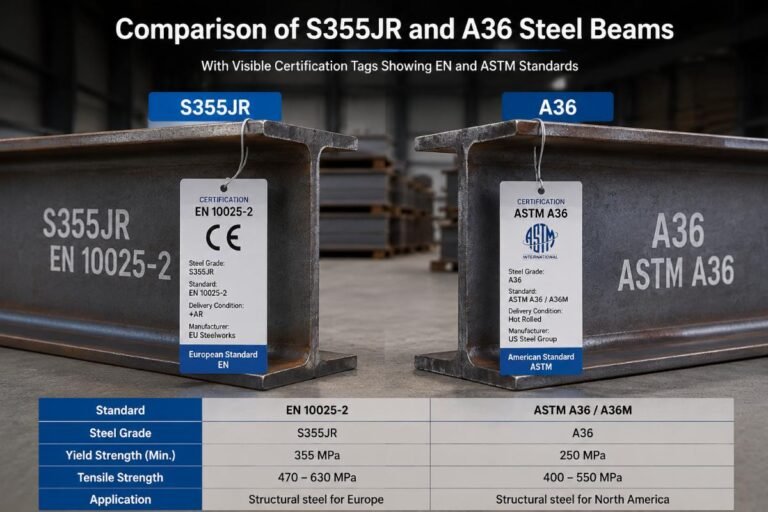
I still remember the humidity in Veracruz. It was not just the heat that made the air heavy; it was the silence of a shipping container sitting on the dock, accruing demurrage charges by the hour. The cargo inside was H-beams intended for a multi-story car park in Monterrey. On paper, the deal looked perfect. The price was competitive, the delivery date was met, and the material was labeled S355JR. But when the local engineering firm requested the Mill Test Certificate (MTC) for customs clearance and quality assurance, the impact test data was missing for the required 20°C temperature. The wholesaler had sourced the steel from a mill that produced to a different standard, assuming “S355” was a universal label. It was not. The delay cost more in storage fees than the initial freight savings had ever promised. That incident shifted my entire approach to procurement. I stopped looking at FOB prices in isolation and started calculating the true cost of compliance. [NEED_CITE: common causes of steel import delays in Latin America]
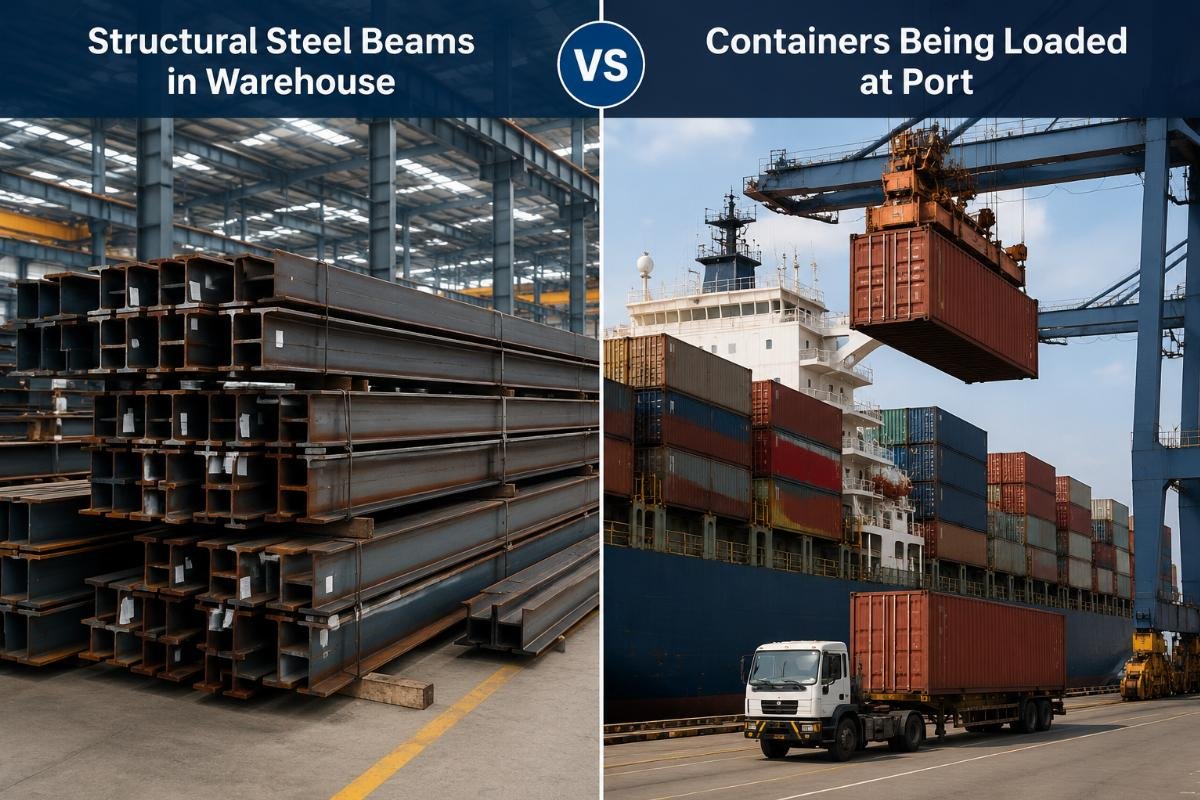
This experience highlights the critical difference between convenience and control. When you engage with a Chinese Steel Supplier, you are buying into a production process. When you buy from a regional wholesaler, you are buying from their inventory history. For projects requiring strict adherence to European norms like EN10219, the origin of the documentation is as vital as the origin of the metal.
What Are the Real Cost Differences Between Direct Suppliers and Wholesalers?
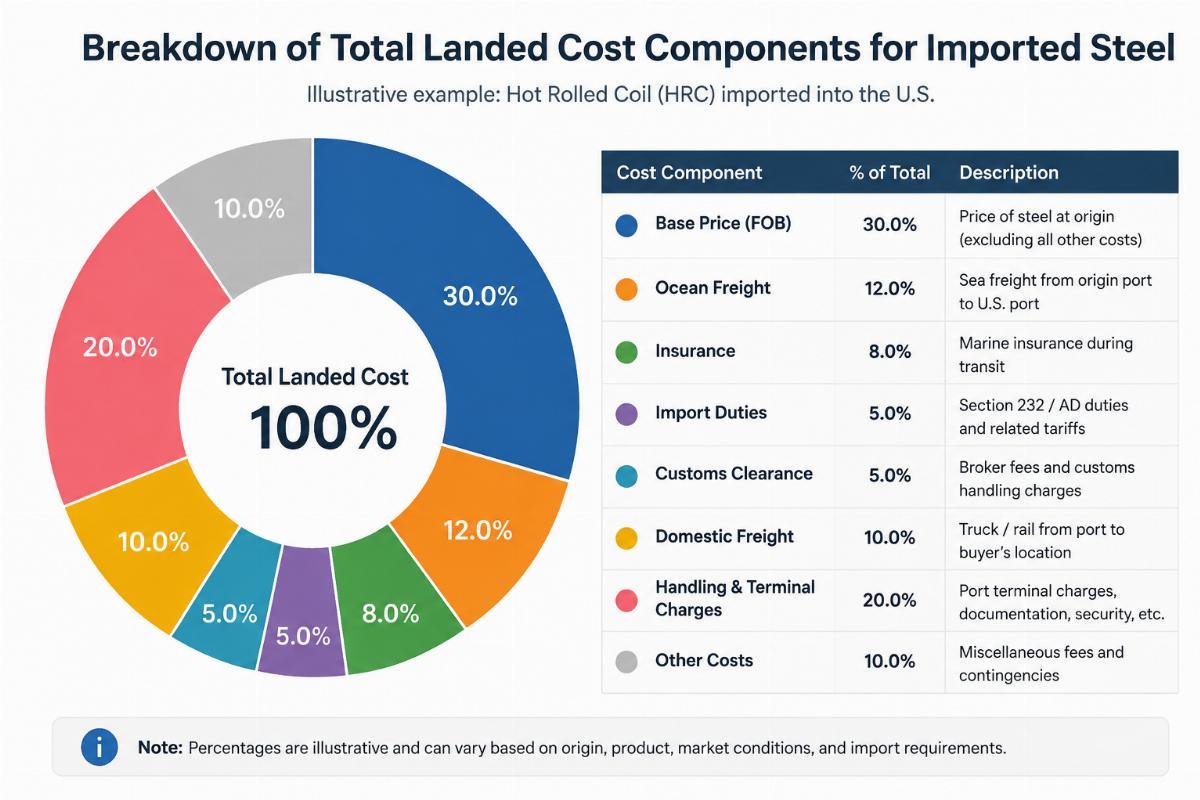
The sticker price tells only part of the story. A regional wholesaler might quote a price that seems attractive because it includes local handling, but this convenience comes with a layered markup structure. In contrast, a direct factory quote appears lower but requires the buyer to manage logistics. The real comparison lies in the Total Landed Cost calculation.
| Cost Component | Regional Wholesaler | Direct Chinese Manufacturer |
|---|---|---|
| Unit Price | Higher (includes distributor margin) | Lower (factory gate price) |
| MOQ Flexibility | High (can buy single pieces) | Medium (often container-based) |
| Certification Traceability | Variable (may be generic) | High (direct from mill) |
| Customs Risk | Low (already cleared) | Medium (requires accurate docs) |
| Lead Time for Stock | Immediate (if in stock) | Weeks (production + shipping) |
A wholesaler’s inventory is a mixed bag. They may have bought batch A from Mill X and batch B from Mill Y. When you request S355JR, you get what they have. If their current stock lacks the specific impact test values required for your project’s climate zone, you face a choice: accept the risk or wait for them to source new stock. With a direct Chinese Steel Supplier, you specify the grade and standard before production begins. The MTC is generated specifically for your order. [NEED_CITE: importance of batch-specific MTC in construction tenders]
Consider a fabricator in Dubai who needed both H-beams and Square Hollow Sections (SHS). Buying from two different local distributors meant paying double the handling fees and dealing with inconsistent surface treatments. By consolidating the order into one container from a single manufacturer, they reduced inventory holding costs and ensured uniform shot blasting quality across all components. The freight cost was fixed, and the unit price dropped noticeably due to volume. The key is volume. If you need ten tons, a wholesaler makes sense. If you need a hundred tons, the math shifts decisively toward direct sourcing.
The hidden cost with wholesalers is not just money; it is technical ambiguity. A cheaper upfront price can hide non-compliant material risks. If the steel fails to meet the chemical composition limits of S355JR, the cost of replacement far outweighs the initial savings. Direct sourcing allows for pre-shipment inspection, turning a potential disaster into a manageable checkpoint.
How Does EN10219 Compliance Impact Your Project Timeline?
Compliance is not a bureaucratic hurdle; it is a timeline safeguard. In many emerging markets, customs authorities and project engineers rely heavily on international standards to verify quality. EN10219 is specific about cold-formed welded structural hollow sections. It dictates not just dimensions, but also mechanical properties and testing protocols.
A common pitfall occurs when suppliers provide certificates for EN10210 (hot-finished) instead of EN10219 (cold-formed), or vice versa. While the steel grade might be the same, the manufacturing process affects the residual stresses and corner properties. A Brazilian infrastructure tender once rejected a shipment because the mill tests did not explicitly cite EN10219 clauses, even though the physical properties were adequate. The paperwork did not match the specification, leading to weeks of negotiation and legal review. [NEED_CITE: differences between EN10219 and EN10210 standards]
When sourcing from a Chinese Steel Supplier, verification must happen before the container leaves the factory. I now require clients to review the draft MTC against their project specs. We check for the impact energy values at the correct temperature. For S355JR, the “JR” indicates a minimum impact energy of 27 Joules at 20°C. If the project is in a colder region, such as parts of Chile or high-altitude Mexico, the requirement might shift to J0 or J2. A wholesaler rarely has the flexibility to adjust this; they sell what is on the shelf. A manufacturer can tailor the production parameters to meet these specific thermal requirements.
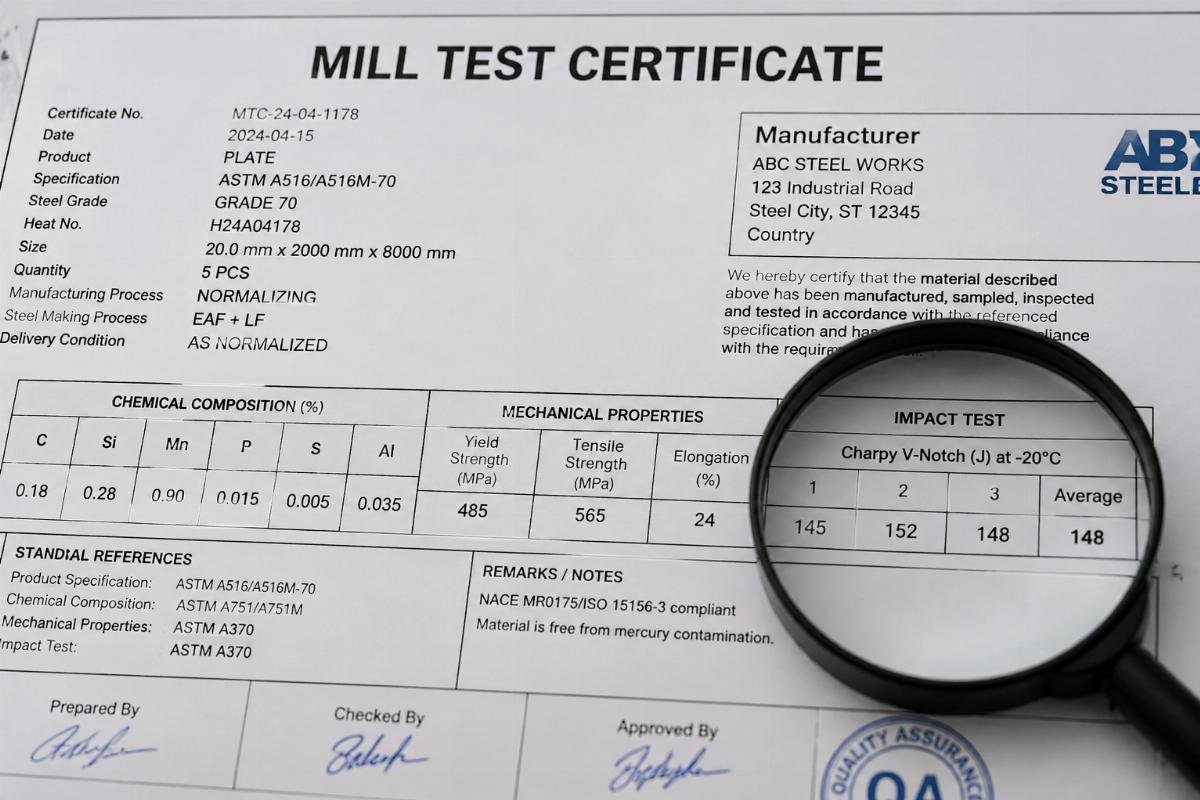
The risk of non-compliance is highest when the supply chain is opaque. Wholesalers often act as black boxes. You do not know which mill produced the steel until it arrives. With direct sourcing, the chain of custody is short. You communicate with the production team. You can request third-party inspections from agencies like SGS or Bureau Veritas to verify the chemical composition and dimensional tolerance before loading. This proactive step eliminates the surprise of customs rejection.
When Should You Choose a Regional Wholesaler Over a Chinese Manufacturer?
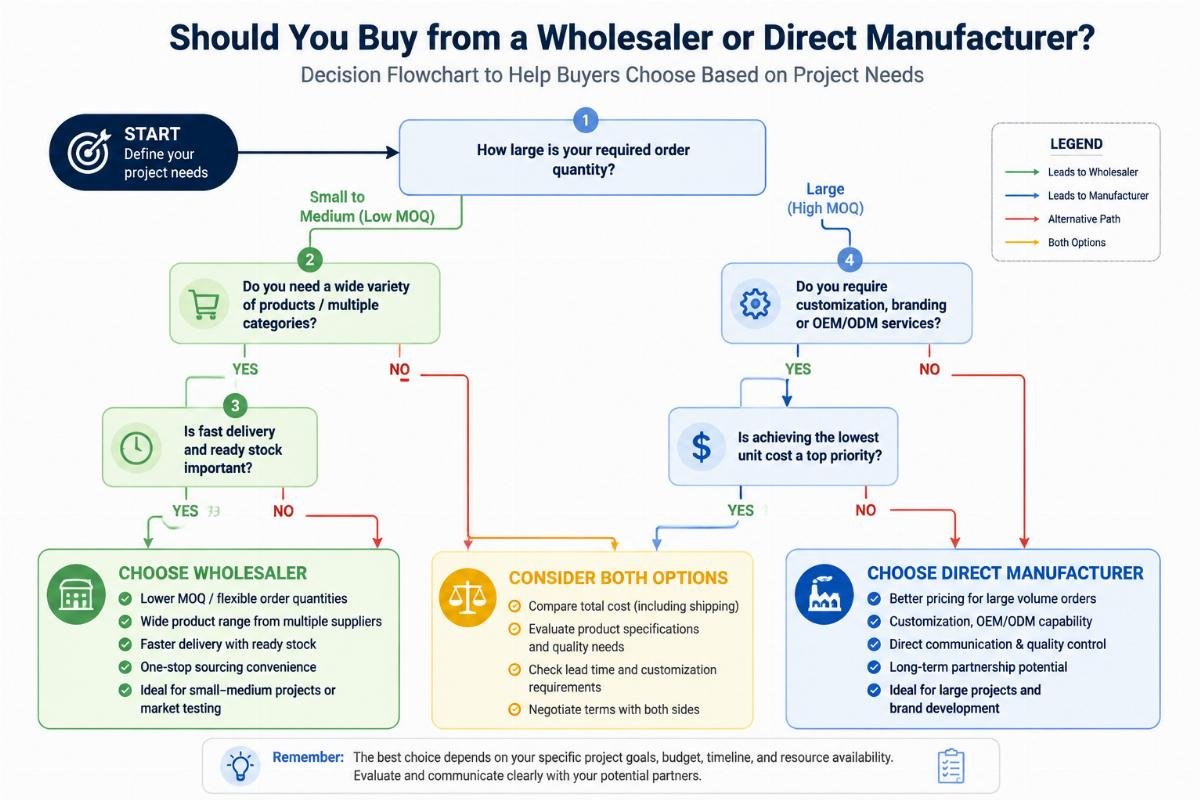
There is no single best source; there is only the best source for your specific situation. The decision matrix depends on three factors: volume, urgency, and technical verification capability.
Choose a regional wholesaler if:
- Volume is low: You need less than a full container load. The freight cost per ton for LCL (Less than Container Load) shipments can erase the factory price advantage.
- Urgency is critical: The project starts next week, and you cannot wait four to six weeks for production and shipping.
- Technical oversight is limited: You do not have the internal expertise to review MTCs or manage customs documentation for imported goods.
Choose a direct Chinese Steel Supplier if:
- Volume is high: You are filling one or more containers. The economies of scale kick in immediately.
- Project is planned: You have a clear timeline that allows for production and sea freight.
- Compliance is strict: Your project requires specific EN or ASTM certifications that local stock may not consistently provide.
Many buyers assume that “local is faster.” However, true lead time includes the wait for local stockouts. If a wholesaler does not have the specific size of SHS you need, they must order it from somewhere else, often from a manufacturer anyway. In this case, you are paying a middleman premium for no time gain. Direct factory production can be more predictable for planned projects because you control the start date. [NEED_CITE: supply chain lead time variability in construction materials]
Furthermore, consider the issue of mixed container consolidation. A wholesaler typically sells full bundles of one product type. A manufacturer can combine H-beams, plates, and pipes in one container. This flexibility reduces inventory costs for fabricators who need a variety of sections for a single project. It turns the shipping container into a customized kit rather than a bulk commodity drop.
How to Verify Structural Steel Quality Before Shipment?
Verification is the bridge between trust and proof. Relying on a supplier’s word is insufficient for structural applications. You need a systematic approach to validate quality.
First, demand the Mill Test Certificate (MTC) according to EN10204 3.1 or 3.2. This document must include the heat number, chemical composition (Carbon, Manganese, Silicon, etc.), and mechanical properties (Yield Strength, Tensile Strength, Elongation). For S355JR, pay close attention to the impact test results. [NEED_CITE: essential elements of a valid Mill Test Certificate]
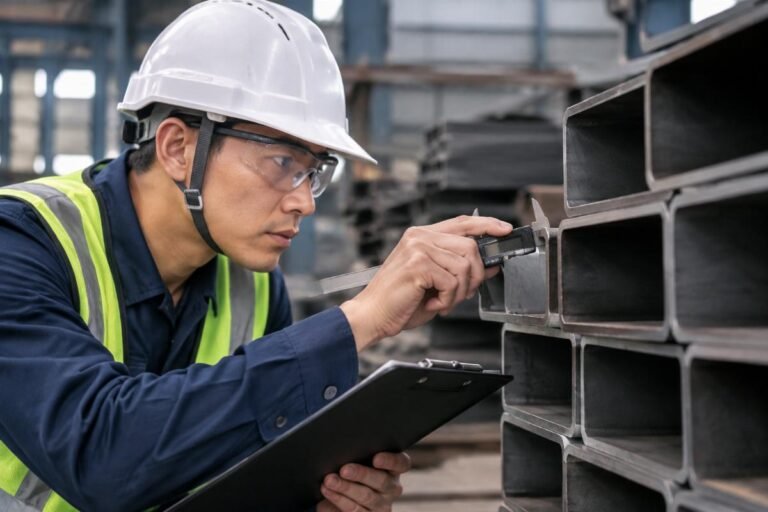
Second, conduct a visual and dimensional inspection. Check for straightness, surface defects, and coating quality if specified. Random sampling of dimensions ensures the steel fits your fabrication jigs. A deviation of a few millimeters in an H-beam flange can cause significant assembly issues on site.
Third, consider third-party inspection. For large orders, hiring an independent inspector to witness the testing and loading process provides an extra layer of security. They verify that the steel loaded into the container matches the MTC. This step is crucial when dealing with a new Chinese Steel Supplier. It builds confidence and establishes a baseline for future orders.
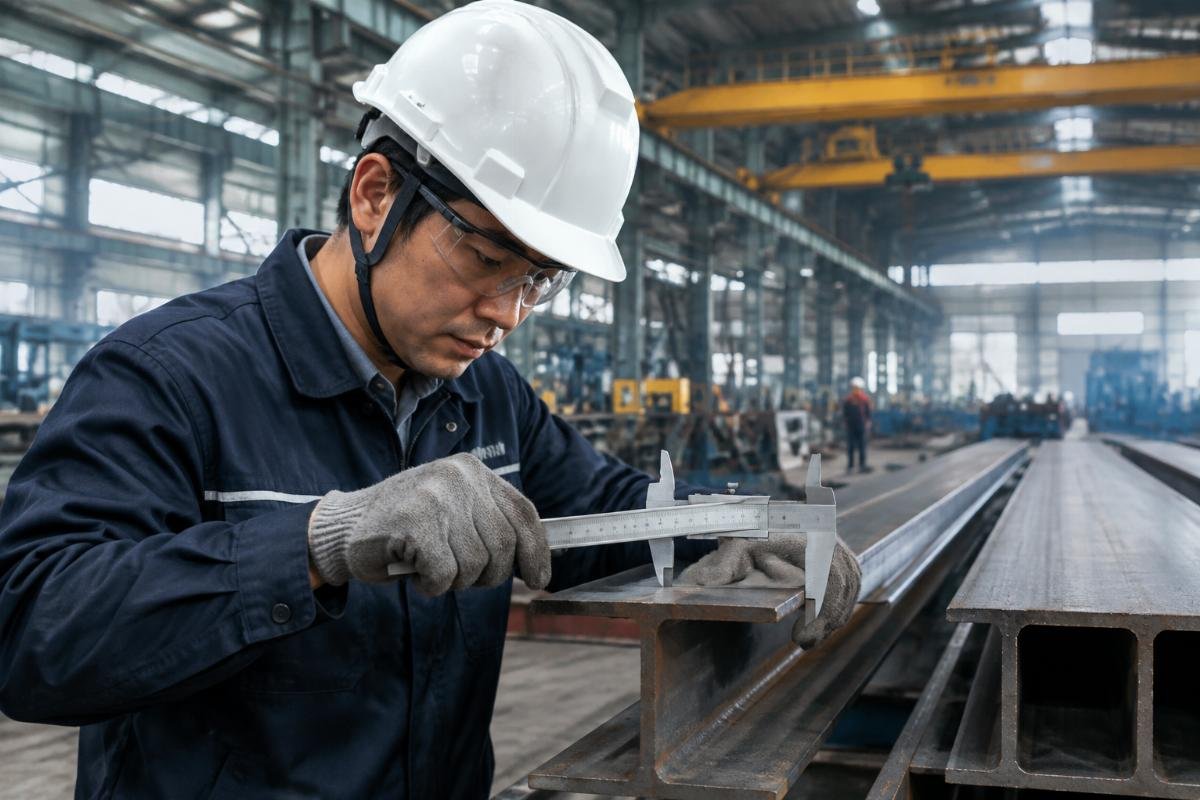
In our facility, we maintain an in-house laboratory to perform these tests routinely. We understand that for a buyer in Mexico or Brazil, the cost of returning defective steel is prohibitive. Therefore, we treat the MTC not as a formality, but as a contract. Every batch is tested against the specific standard requested. If the impact energy at 20°C does not meet the 27 Joule minimum for S355JR, the batch is rejected internally before it ever reaches the customer. This internal rigor is what separates a reliable partner from a simple vendor.
Conclusion
Cost savings mean nothing if the steel does not clear customs.
Sourcing structural steel requires balancing price, speed, and compliance. While regional wholesalers offer convenience for small, urgent needs, direct engagement with a certified Chinese Steel Supplier provides superior value for planned, volume-driven projects. The key is rigorous verification of EN10219 compliance and total landed cost calculation. By controlling the documentation and production process, buyers can avoid costly delays and ensure their structures stand on solid, verified ground.