
Buy Chinese Steel Direct vs Baowu POSCO: Factory Supplier
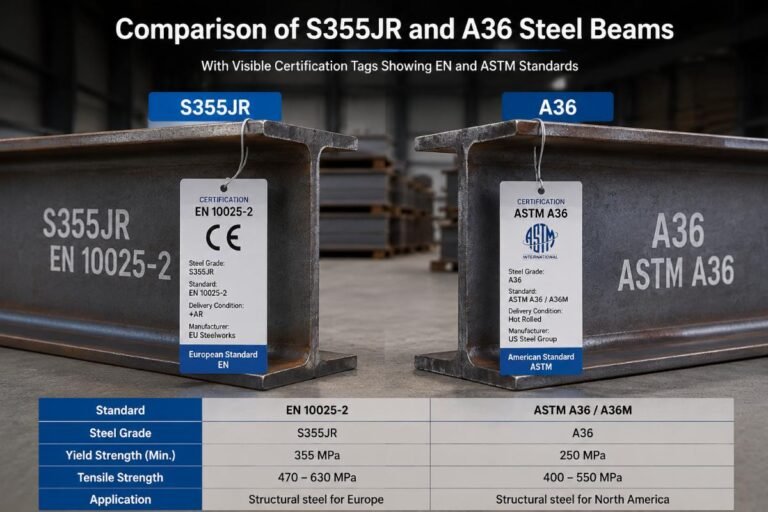
The brand logo on the mill certificate does not define structural integrity; the chemical composition and mechanical test results do.
For standard structural grades like S355 or Q345, buying directly from certified Chinese factories offers comparable EN-certified quality at significantly lower costs than premium brands like Baowu or POSCO, provided buyers verify mill certificates and control logistics. The primary difference lies not in the steel’s performance but in the supply chain structure: direct sourcing eliminates intermediary markups and rigid corporate scheduling, allowing for greater flexibility in non-standard sizes and mixed container loads. [NEED_CITE: total landed cost components in international steel trade]
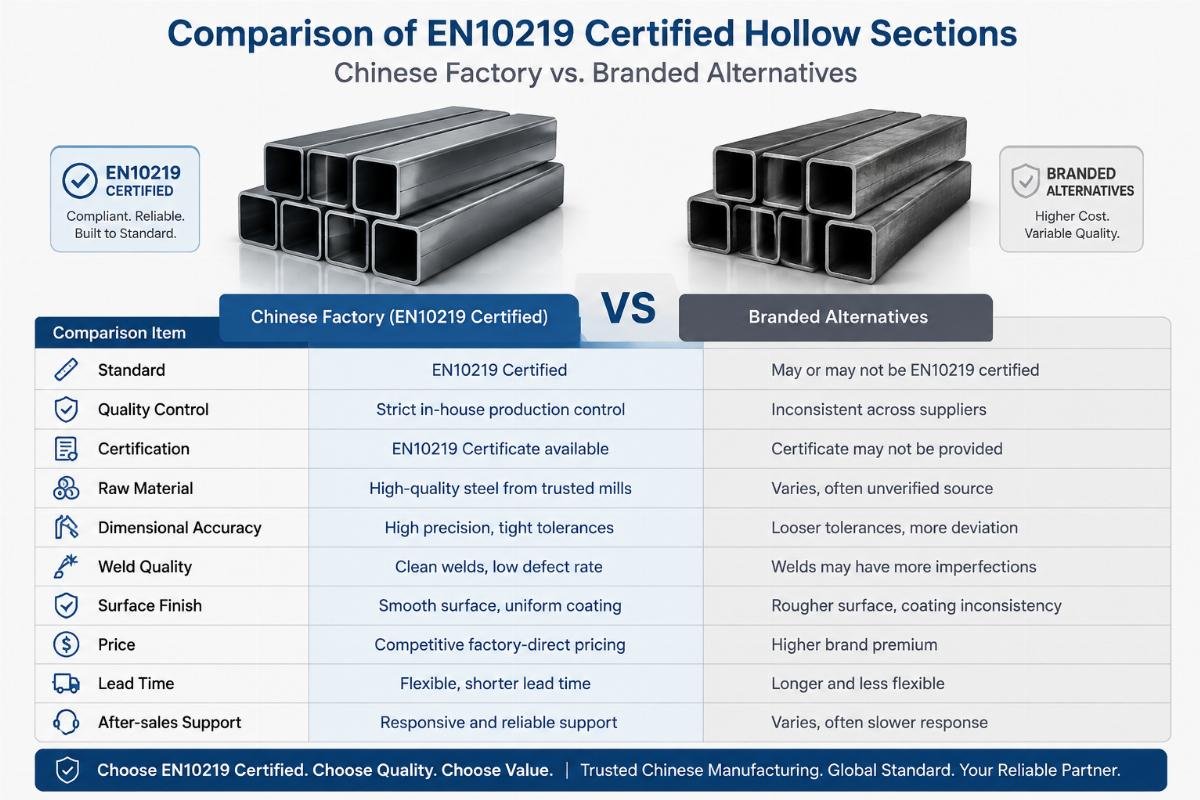
This perspective comes from years of navigating procurement hurdles in Southeast Asia, where project timelines often clash with the inflexible production schedules of major mills. While giants like Baowu and POSCO maintain impeccable reputations, their operational models prioritize volume and standardization. In contrast, agile manufacturers in regions like Shandong have upgraded their production lines to meet strict European standards, offering a viable alternative for contractors who need both compliance and cost efficiency.
Is Chinese Steel Really Inferior to Baowu or POSCO?
Modern Chinese mills meet identical EN and ASTM standards for structural applications, making the “quality gap” a myth rooted in outdated perceptions.
The assumption that only established giants can produce high-grade structural steel ignores the widespread technological upgrades in China’s manufacturing sector over the last decade. For common structural grades such as S355JR/J2 or Q345B, the chemical composition limits for carbon, manganese, and silicon are defined by international standards, not by the manufacturer’s brand name. [NEED_CITE: EN 10219 chemical composition requirements for structural steel]
A few years ago, I worked with a fabrication shop in Hanoi that insisted on using Korean H-beams for a warehouse project. They believed Chinese steel was inherently prone to cracking during welding. When their scheduled shipment was delayed by months due to port congestion in Busan, they reluctantly accepted a trial batch of SHS (Square Hollow Sections) from a Jinan-based manufacturer. The material came with full EN10219 certification and third-party inspection reports. The welding performance was identical to the Korean stock, but the cost savings allowed them to upgrade the surface treatment to hot-dip galvanizing without exceeding the budget.
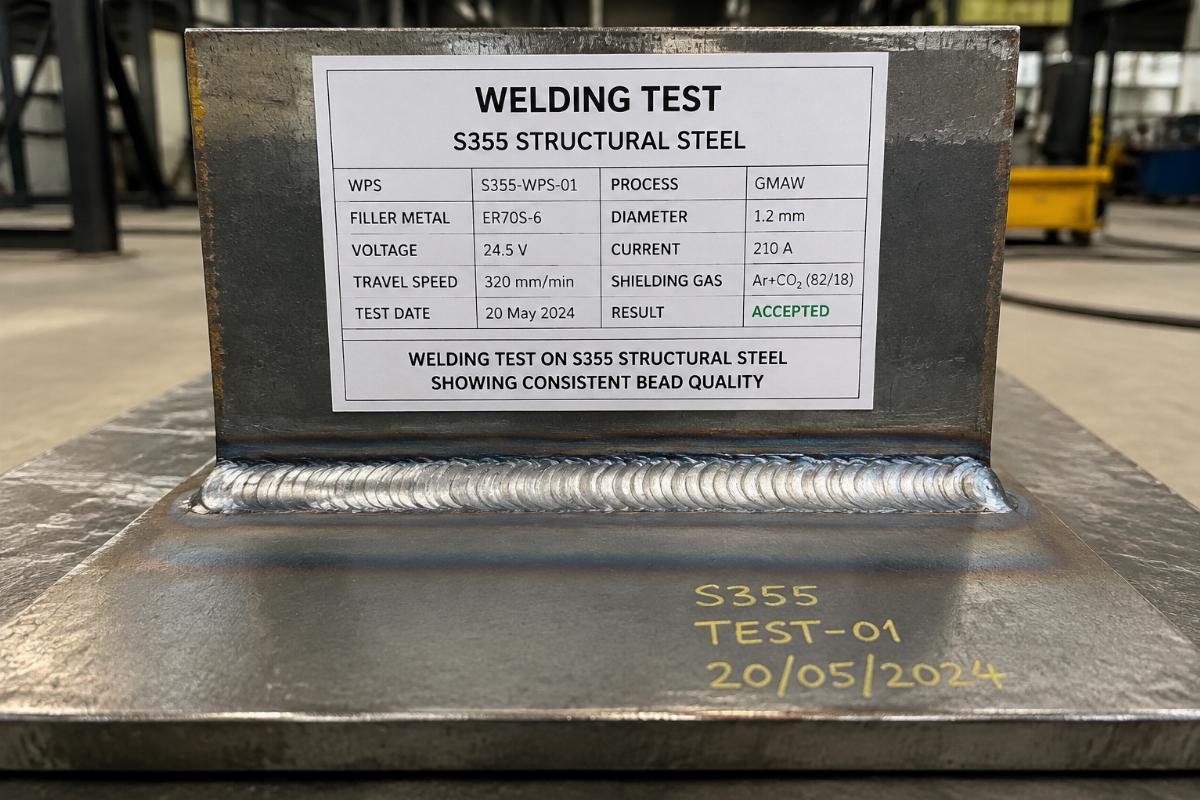
The key is verification. Quality is not guaranteed by a logo; it is verified through Mill Test Certificates (MTC) that trace back to specific heat numbers. Reputable Chinese factories now operate in-house laboratories that perform impact tests and tensile strength analysis before shipment. [NEED_CITE: importance of MTC verification in steel procurement] When buyers focus on the data rather than the brand, they find that the technical specifications of direct factory steel often match or exceed those of premium competitors for standard applications.
Cost Breakdown: Where Does the Brand Premium Go?
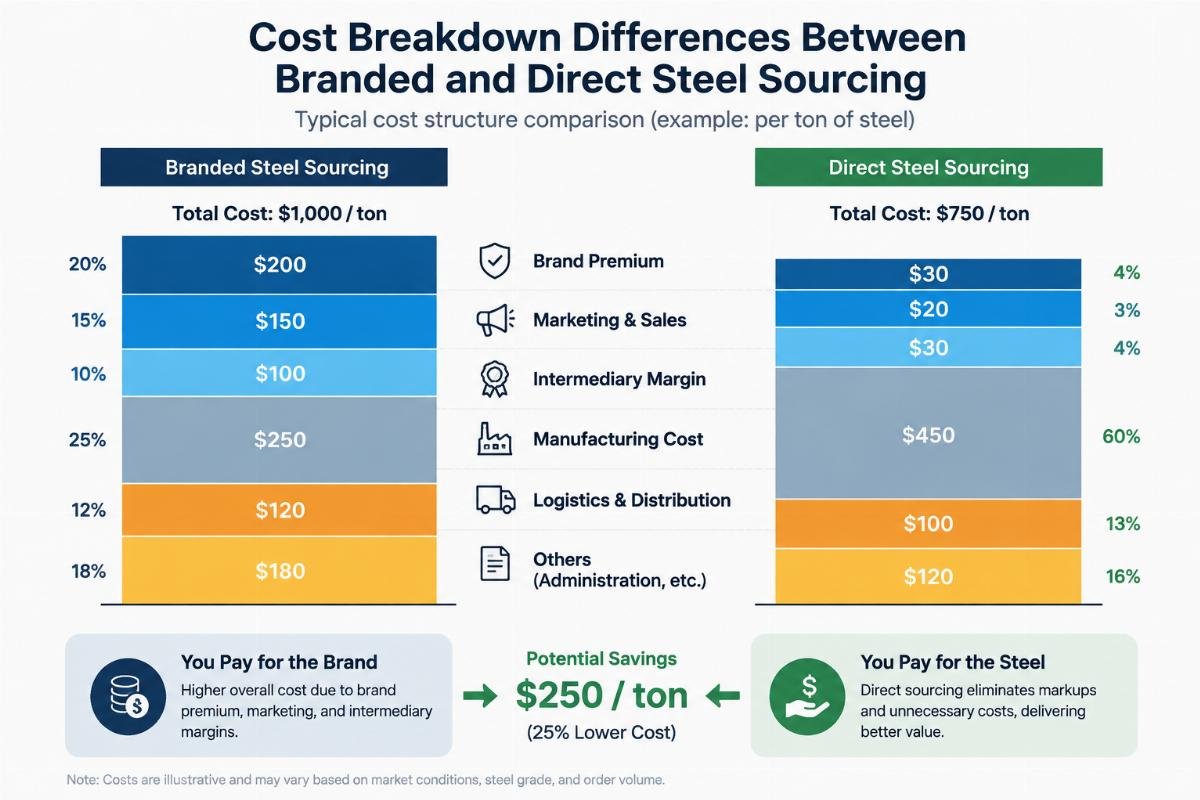
Direct factory pricing eliminates marketing and intermediary markups, typically saving buyers a significant portion of the total procurement cost.
When comparing quotes, it is easy to fixate on the FOB price per ton. However, the real cost difference emerges when analyzing the total landed cost. Premium brands like Baowu and POSCO include substantial overheads for global marketing, extensive distribution networks, and corporate infrastructure in their pricing. These costs do not enhance the physical properties of the steel but do inflate the final invoice.
In a recent infrastructure tender in the Middle East, a contractor required EN10210 compliant tubes. The quote from a major brand included a premium that accounted for nearly a third of the material cost. By switching to a direct supplier with verified certifications, the contractor reduced the material expense significantly while maintaining full traceability. [NEED_CITE: cost structure analysis of branded vs. direct industrial materials]
| Cost Component | Premium Brand (Baowu/POSCO) | Direct Chinese Factory |
|---|---|---|
| Base Material Price | High (includes brand premium) | Competitive (market-driven) |
| Intermediary Markups | Significant (multi-layer distribution) | Minimal (factory-to-buyer) |
| Certification Costs | Included in premium | Separate but verifiable |
| Customization Flexibility | Low (standard sizes only) | High (non-standard available) |
| Lead Time Variability | Rigid (fixed production slots) | Flexible (agile scheduling) |
This table illustrates why distributors and contractors are increasingly looking at Chinese steel factory direct vs Baowu POSCO options. The savings are not due to inferior quality but to a leaner supply chain. For projects with tight margins, these savings can be redirected toward logistics insurance or faster shipping methods, mitigating the perceived risks of direct buying.
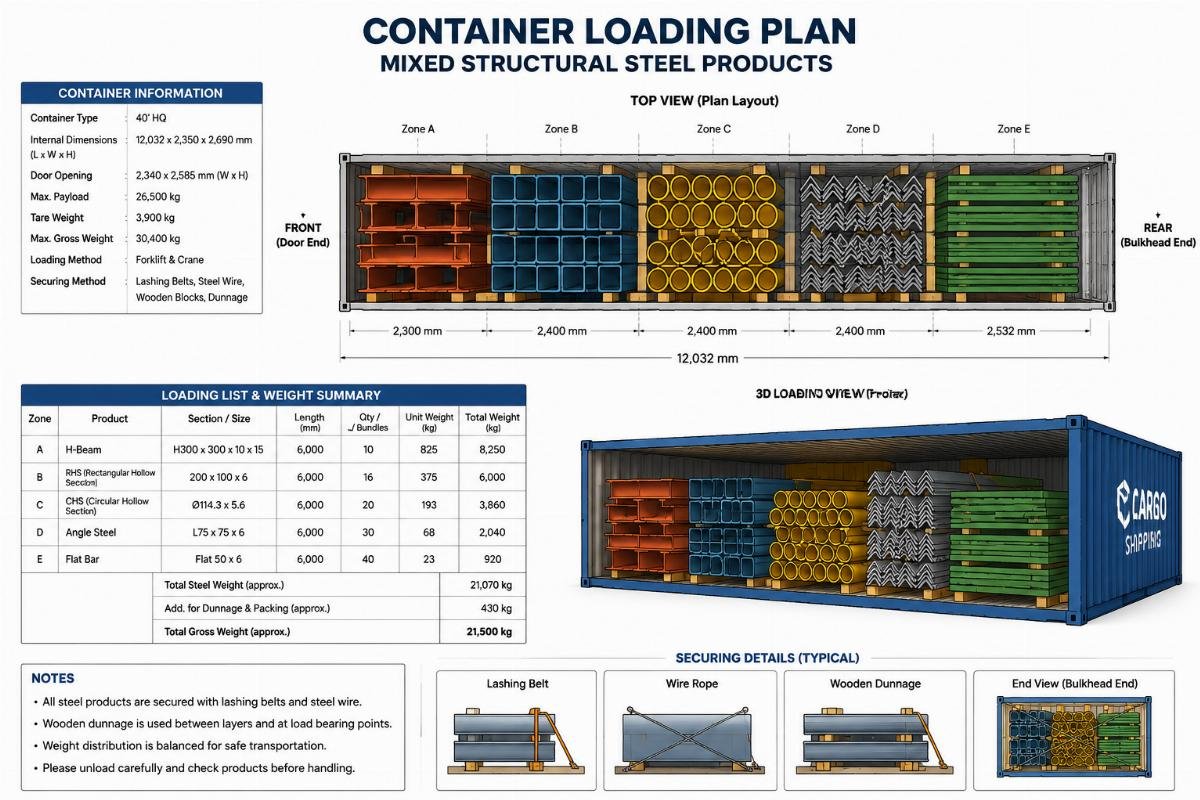
Furthermore, direct suppliers often offer more flexible payment terms and MOQ (Minimum Order Quantity) structures. While a giant mill might require a full vessel load for a single grade, a specialized factory in Jinan can consolidate mixed containers of plates, beams, and tubes. This flexibility reduces inventory holding costs for buyers who need diverse specifications for different parts of a construction project.
Quality Verification: How to Audit a Direct Supplier?
Focus on MTC validity, third-party inspection reports, and production line certifications rather than brand reputation alone.
Buying directly requires a shift in due diligence. Instead of relying on the seller’s reputation, buyers must verify the technical documentation. The first step is to request a sample Mill Test Certificate (MTC) and cross-reference the heat number with the actual batch. Reputable manufacturers, such as those with EN10219 certification, provide detailed chemical and mechanical property reports for every heat. [NEED_CITE: standard procedures for verifying steel mill test certificates]
I once encountered a buyer who was hesitant to proceed without a third-party inspection. We arranged for an independent agency to conduct a pre-shipment inspection at the factory in Shandong. The inspectors verified the dimensional tolerances, surface quality, and performed random ultrasonic testing on the welds. The report confirmed full compliance with EN standards. This process transformed the buyer’s skepticism into confidence, leading to a long-term partnership.
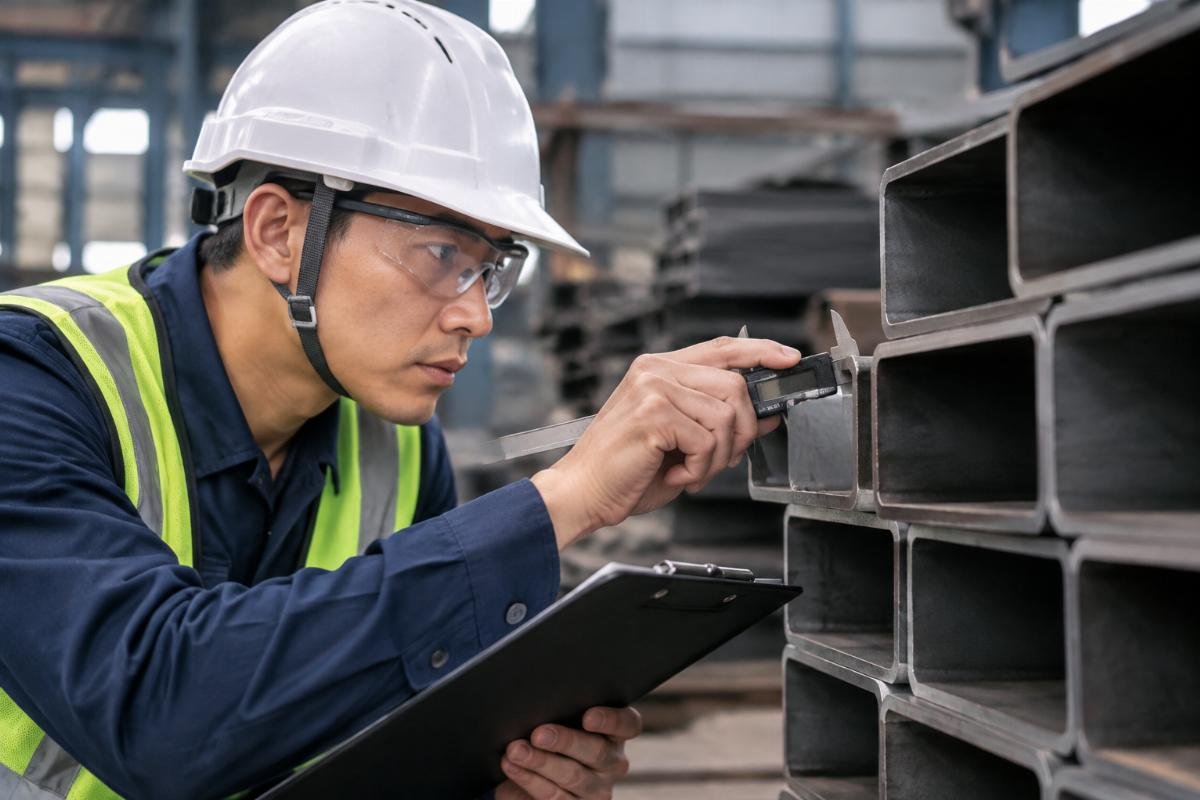
Key verification steps include:
- Check Certification Validity: Ensure the factory holds current ISO and EN certifications. Look for specific mentions of EN10219 for cold-formed welded structural hollow sections.
- Review Production Capacity: Verify that the factory has dedicated lines for structural steel. A facility that mixes rebar production with high-precision tube manufacturing may lack the necessary quality control focus.
- Request Sample MTCs: Analyze the consistency of chemical composition across multiple batches. Variations outside standard limits indicate poor process control.
- Third-Party Inspection: For large orders, engage a reputable inspection agency to verify quality before shipment. This adds a layer of security and ensures accountability.
When evaluating Chinese steel factory direct vs Baowu POSCO, remember that the latter’s quality assurance is built into their brand equity, while the former’s quality must be actively verified. This extra step is not a burden but a best practice that empowers buyers to make informed decisions.
Lead Time & Flexibility: Big Mills vs. Agile Factories
Direct suppliers often offer faster customization for non-standard sizes and mixed loads compared to the rigid scheduling of major mills.
One of the most overlooked advantages of buying direct is agility. Large steel conglomerates operate on massive scales, optimizing for efficiency and volume. This means their production schedules are fixed months in advance, and changes are rarely accommodated. If a project requires a non-standard wall thickness or a specific cut length, a big mill will likely decline the order or charge a prohibitive premium.
In contrast, specialized manufacturers in China have developed flexible production lines capable of handling smaller, customized batches. A fabrication shop in Latin America recently needed a mixed container load of plates and tubes with varying dimensions. A major brand could not accommodate the mix without splitting the order into multiple shipments, increasing freight costs and complexity. A direct supplier, however, consolidated the entire order into a single container, reducing logistics costs and simplifying customs clearance. [NEED_CITE: benefits of consolidated shipping in international trade]
This flexibility extends to lead times. While big mills may have long queues for standard products, agile factories can often expedite orders for urgent projects. During a recent surge in demand for scaffolding tubes, a direct supplier managed to adjust its production schedule to meet a tight deadline, whereas competitors were stuck waiting for slots at larger mills.
When considering Chinese steel factory direct vs Baowu POSCO, buyers should assess their project’s specific needs. If the requirement is for standard, high-volume goods with no urgency, a big brand may offer stability. However, for projects requiring customization, mixed loads, or faster turnaround, direct factories provide a competitive edge that goes beyond price.
Conclusion
Quality is defined by standards, not logos, and cost efficiency is achieved through supply chain transparency.
Choosing between direct Chinese factories and premium brands like Baowu or POSCO depends on project priorities. For standard structural applications, direct sourcing offers verified quality at a lower cost, provided buyers implement rigorous verification processes. The flexibility and agility of direct suppliers also make them ideal for projects with custom requirements or tight timelines. By focusing on technical compliance and total landed cost, procurement managers can secure reliable materials without paying for unnecessary brand premiums.