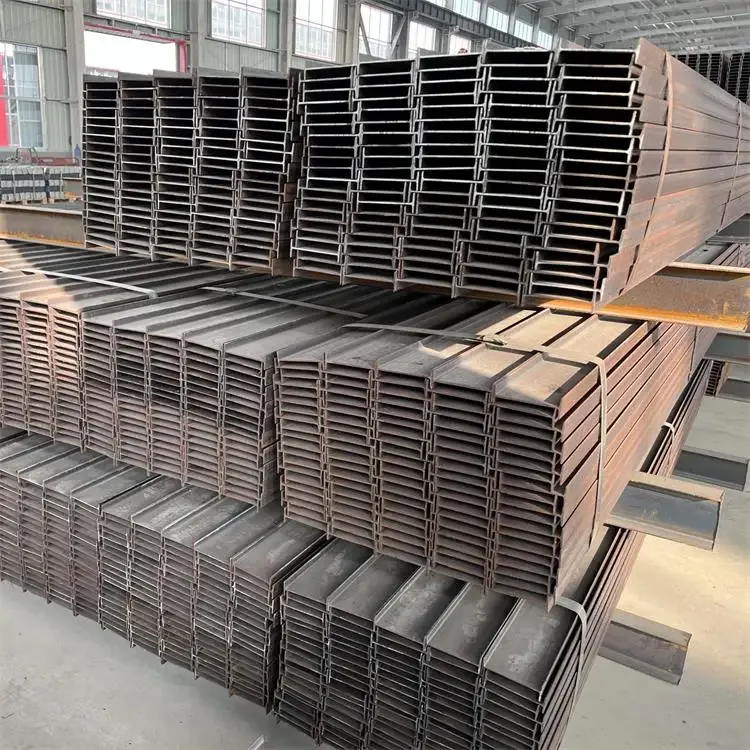
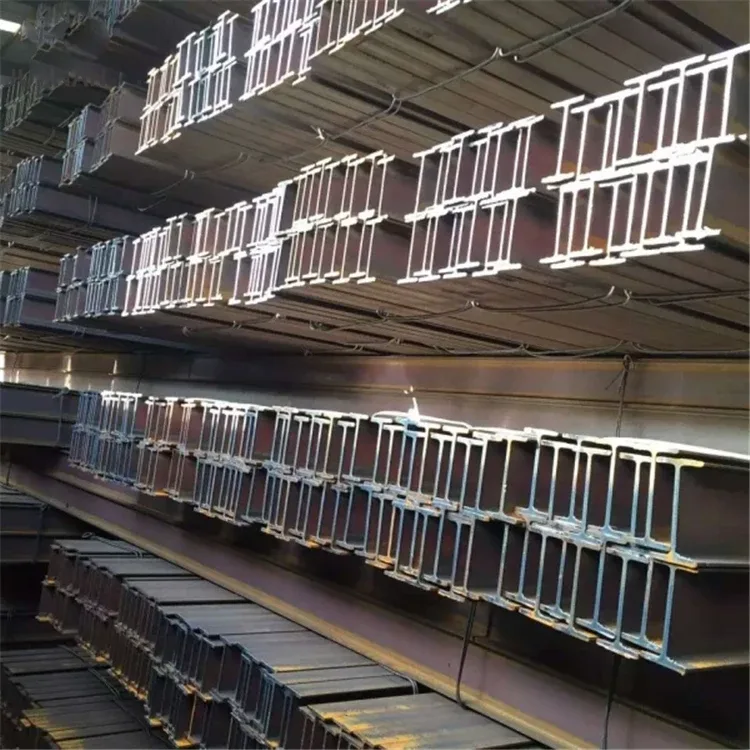
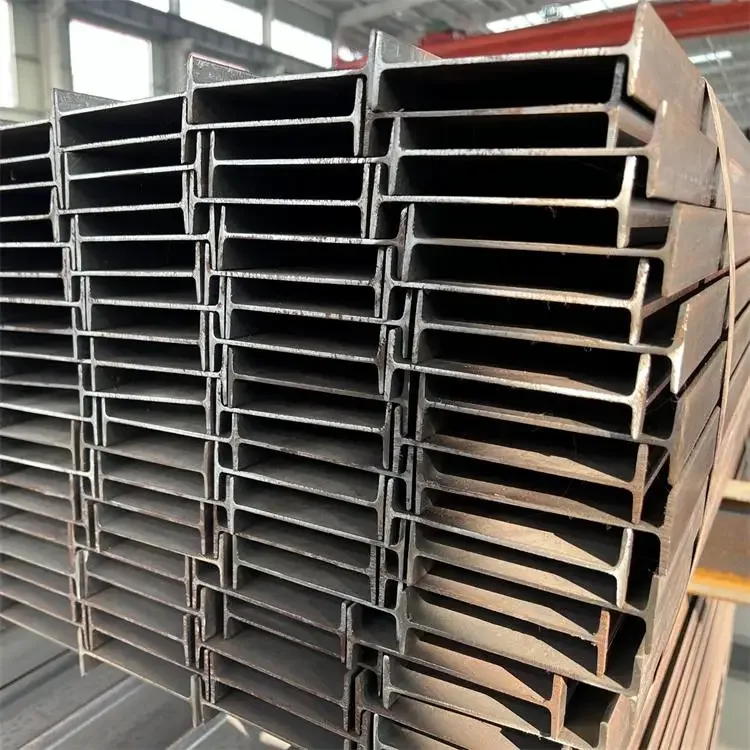
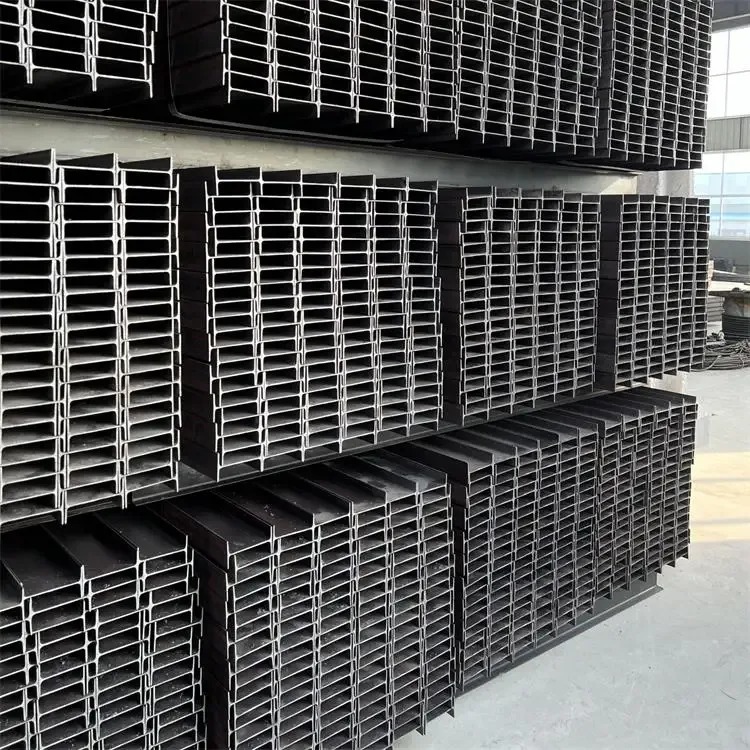
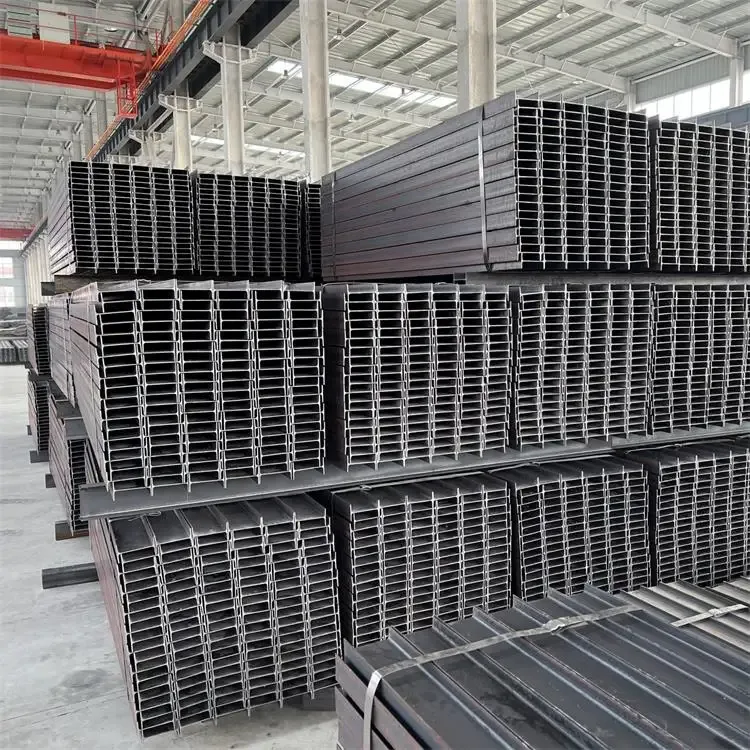
Description
Factory-direct H-beam supply — Every Q235 S235JR ASTM A36 H-beam steel supplier order ships with in-house lab test reports and full CE documentation, eliminating middlemen markups and certification gaps.
Technical Specifications
| Parameter | Value |
|---|---|
| Designation | Q235 H-Beam |
| Product Type | H-Beam |
| Steel Grade | Q235, S235JR, ASTM A36 |
| Standard | GB, ASTM A36, JIS G3192 |
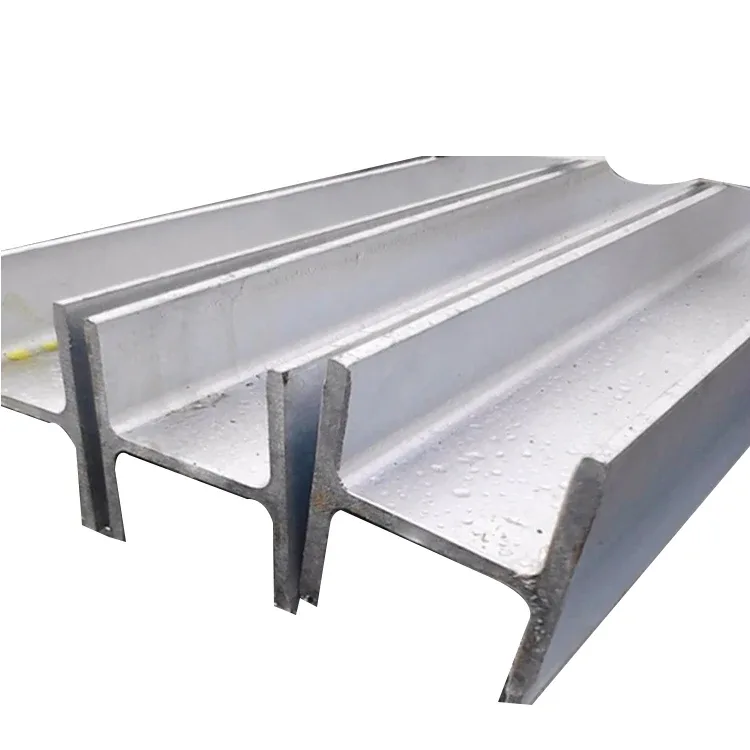
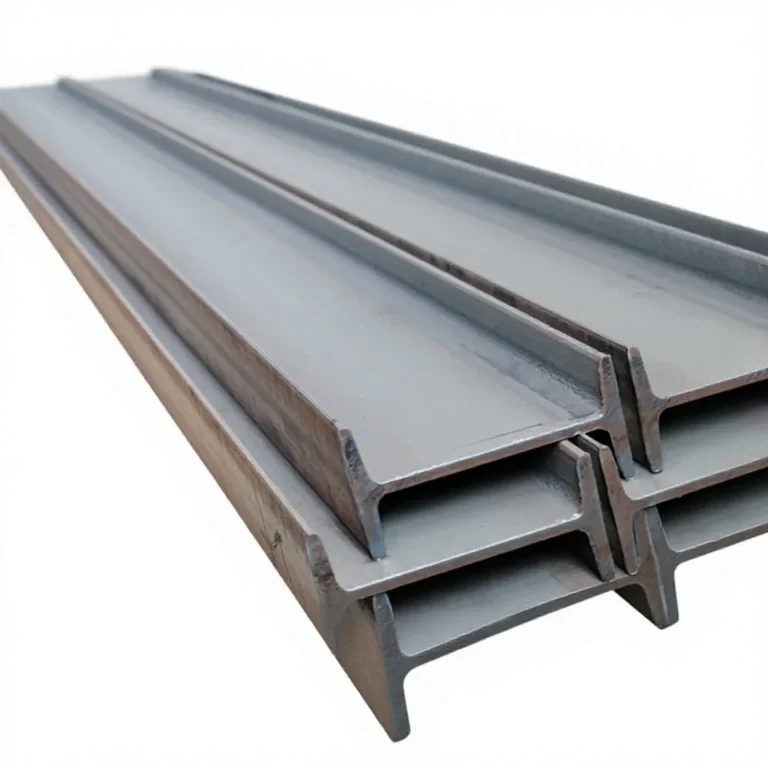
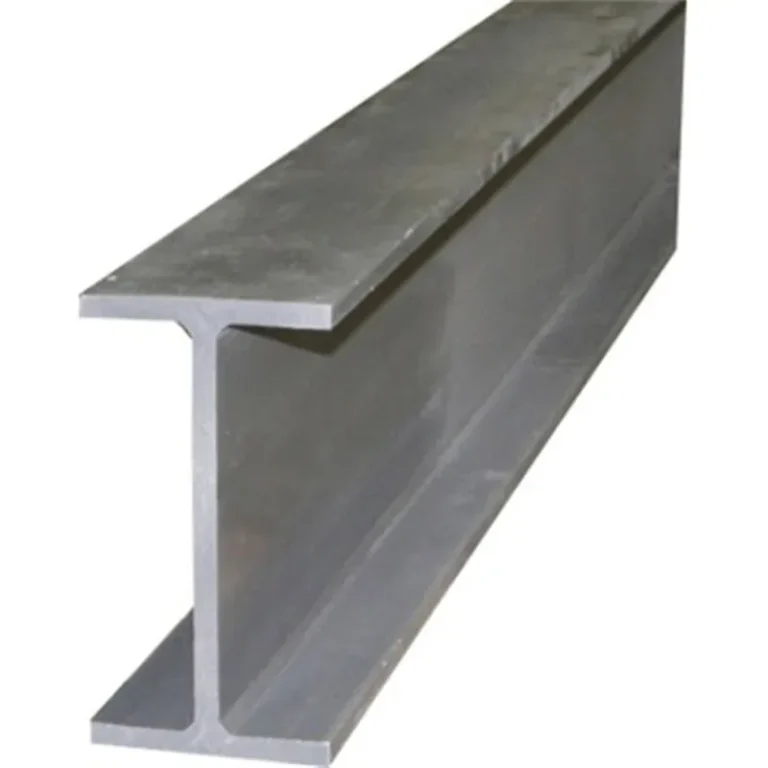
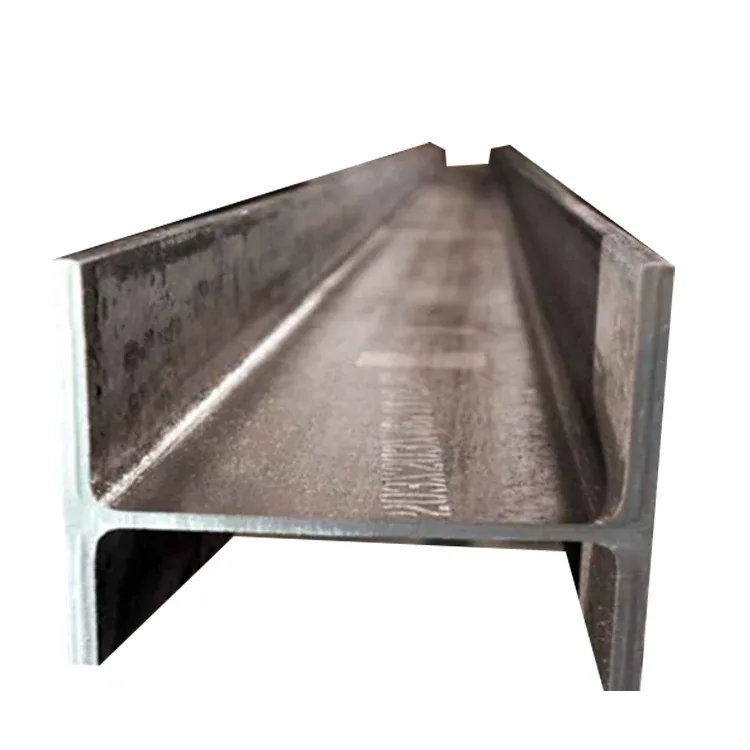
| Section Shape | H-channel |
| Flange Width | 50–300 mm |
| Flange Thickness | 5–30 mm |
| Web Width | 100–800 mm |
| Web Thickness | 5–25 mm |
| Length | 6–19 m |
| Technique | Hot Rolled |
| Surface Treatment | Natural Surface (optional hot dip galvanizing or spraying) |
| Tolerance | ±1% |
| Model Numbers | HW, HM, HN, HT |
| Processing Service | Bending, Cutting |
| Invoicing | By Theoretical Weight |
| Alloy Or Not | Non-Alloy |
| Application | Building frames, commercial buildings, supporting system construction works, industrial platforms, bridges |
| Origin | China |
Application Suitability
| Industry | Typical Applications |
|---|---|
| EPC Contractors | Steel structure frameworks for industrial plants and warehouse projects |
| Construction Companies | High-rise building columns, bridge girders, and infrastructure support systems |
| System Integrators | Conveyor support frames, industrial platform beams, and equipment mounting structures |
What Certification Gaps Cost on a Structural Beam Shipment
Missing CE or mill test certificates can halt an entire container at customs — regardless of how competitive the unit price is.
When sourcing a Q235 S235JR ASTM A36 H-beam steel supplier for EU or Middle East projects, buyers often discover too late that the material documentation does not match the stamped grade. Chemistry reports come back borderline, yield strength figures are absent, or the certificate references a different standard entirely. The result is a container sitting at the destination port while third-party inspectors are called in, demurrage charges accumulate, and project timelines slip. [NEED_CITE: EN 10219 structural hollow section compliance requirements for EU customs]
Matching H-Beam Profiles to Structural Load Requirements
The HW, HM, HN, and HT profile range covers flange widths from 50 mm to 300 mm and web widths up to 800 mm, giving EPC contractors and construction companies the flexibility to specify sections that align with actual load calculations rather than settling for whatever a local distributor keeps in stock. For industrial platform frameworks and conveyor support structures, the wider flange HW and HM profiles distribute bearing loads more evenly across connection plates, while the lighter HN sections reduce dead weight in multi-story building frames where every kilogram of steel multiplies across hundreds of members. As a Q235 S235JR ASTM A36 H-beam steel supplier, we cut beams to project-ready lengths and bend sections to match site-specific geometries, reducing secondary fabrication waste at the yard.
Engineering Compliance and Surface Protection Decisions
Hot rolled H-beams in Q235, S235JR, and ASTM A36 grades conform to GB, ASTM A36, and JIS G3192 standards respectively, and the choice between these designations often depends on which engineering code governs the project — EN 1993 for European spec, AISC for North American, or GB 50017 for domestic Chinese designs. [NEED_CITE: steel grade equivalence between EN S235JR and ASTM A36 standards] In corrosive environments such as offshore platforms, chemical processing facilities, or coastal infrastructure, specifying hot dip galvanizing extends salt spray resistance significantly compared to natural hot rolled surfaces, though the added cost must be weighed against the structure’s design life and maintenance access. Third-party inspection through SGS or BV verifies both dimensional tolerance at ±1% and chemical composition before shipment, which matters when the receiving engineer will cross-check heat numbers against the mill test certificate on arrival.
Understanding Steel Grade Selection and Hot Rolling Process
The Q235, S235JR, and ASTM A36 designations represent equivalent structural steel grades across the Chinese GB, European EN, and American ASTM systems — all classified as non-alloy carbon steels suitable for general construction and industrial frameworks. Hot rolling at high temperatures produces the H-channel cross-section with integral flange-to-web geometry that provides superior bending resistance compared to built-up plate girders of similar weight. The flange thickness range of 5–30 mm and web thickness of 5–25 mm across the HW, HM, HN, and HT series allows engineers to optimize the section modulus-to-weight ratio for each load condition. Optional hot dip galvanizing applies a zinc coating that bonds metallurgically to the steel surface, providing both barrier protection and cathodic sacrifice at cut edges and drill holes — a critical detail for bridge components and outdoor industrial platforms where field welding will occur after delivery. [NEED_CITE: hot dip galvanizing coating thickness standards for structural steel] Invoicing by theoretical weight based on standard section dimensions means buyers pay for the engineered cross-section rather than actual scale weight, which introduces a tolerance consideration that must be clarified in the purchase contract.
Hidden Costs of Specifying the Wrong Grade or Tolerance
Ordering S235JR for a project that requires ASTM A36 — or vice versa — may seem like a minor paperwork issue until the receiving inspector flags the chemistry mismatch against the project specification. Material that fails to meet the specified standard cannot be accepted regardless of whether its actual mechanical properties are adequate, because structural engineering codes require documented compliance, not retrospective justification. Similarly, tolerance deviations beyond ±1% on flange thickness or web dimensions create fit-up problems at bolted connections, forcing field rework that costs more in labor than the original material savings from choosing a cheaper source. [NEED_CITE: dimensional tolerance standards for hot rolled structural sections] A Q235 S235JR ASTM A36 H-beam steel supplier that cannot provide traceable mill test certificates tied to specific heat numbers leaves the buyer exposed to rejection at the project site, with no recourse against a supplier who shipped unverified material.
Why Procurement Teams Choose Our Mill Direct
Every H-beam leaves our facility with a mill test certificate generated by our own physical and chemical laboratory, not a document forwarded from a trading desk that has never seen the material. We maintain stock across the full HW, HM, HN, and HT profile range in Q235, S235JR, and ASTM A36 grades, so a single purchase order covering columns, beams, and bracing members for an entire warehouse project ships in one coordinated consignment rather than three separate partial deliveries. Our CE certification under EN 10210/EN 10219 and ISO 9001:2015 quality system satisfy EU customs and international project owner requirements without additional third-party paperwork charges. Custom cutting to project-specific lengths and bending services reduce on-site fabrication time, while our professional loading team optimizes container stowage for 6–19 m lengths to minimize freight cost per ton. Third-party inspection through SGS or BV is arranged on-site before container sealing, giving buyers independent verification without traveling to the mill.
Documentation & Compliance
- Mill test certificate documenting Q235, S235JR, or ASTM A36 chemical composition and mechanical properties per heat number, generated from in-house laboratory testing
- CE certificate under EN 10210/EN 10219 for structural steel sections destined for European Union markets and projects requiring European conformity marking
- ISO 9001:2015 quality management system certificate covering the full production process from incoming raw material inspection through final dimensional verification
- SGS or BV third-party inspection report confirming dimensional tolerance, surface quality, and grade identification before container loading
- Material traceability documentation linking each beam to its heat number, chemical analysis report, and mechanical test results for project quality files
- Customs clearance package including packing list, bill of lading, and certificate of origin formatted to destination country import requirements
Packaging, Loading & Delivery
- Hot rolled Q235, S235JR, and ASTM A36 H-beams bundled with steel strip ties and edge protectors to prevent surface damage and maintain bundle integrity during ocean transit
- Optional hot dip galvanized sections wrapped with waterproof paper and plastic film to preserve zinc coating integrity and prevent white rust formation during storage and shipping
- Container loading plans optimized for 6–19 m beam lengths across HW, HM, HN, and HT profiles to maximize payload per 20ft or 40ft container and reduce freight cost per ton
- Custom cutting to project-specified lengths available before shipment, with cut pieces labeled by heat number, steel grade, and piece mark for direct installation without yard sorting
- Bundle identification tags showing steel grade designation, section profile model number, piece count, theoretical weight, and heat number for site receiving verification
- Shipping terms available as FOB, CIF, or DDP with door-to-door logistics coordination to project sites across 50+ countries, including inland transport arrangement for landlocked destinations
Starting Your H-Beam Procurement
Submit your beam schedule with section profile, steel grade, quantity, and destination port to receive a detailed quotation including unit price, mill test certificate confirmation, and estimated production timeline. For non-standard lengths or custom bending requirements, share your fabrication drawings and our technical team will confirm feasibility and processing charges before contract signing. Verification of CE documentation and third-party inspection arrangements can be confirmed at the inquiry stage to ensure compliance with your project specification from the outset.
Frequently Asked Questions
Q: What is the difference between Q235, S235JR, and ASTM A36 for H-beam applications?
A: These three designations represent equivalent structural steel grades under the Chinese GB, European EN, and American ASTM standards respectively. All are non-alloy carbon steels suitable for general construction, with the choice typically dictated by which engineering code governs your project and which documentation format your client or consultant requires.
Q: Can you provide mill test certificates for each shipment?
A: Yes, every H-beam shipment includes original mill test certificates generated by our in-house physical and chemical laboratory, documenting chemical composition and mechanical properties tied to specific heat numbers for full material traceability.
Q: Do you offer custom cutting and bending services for H-beams?
A: We provide cutting to project-specified lengths and bending services for HW, HM, HN, and HT profiles in Q235, S235JR, and ASTM A36 grades, reducing on-site fabrication requirements and accelerating project timelines.
Q: What surface treatment options are available for H-beams?
A: Standard delivery is natural hot rolled surface. Hot dip galvanizing is available as an optional treatment for projects requiring enhanced corrosion resistance in harsh environments such as coastal areas, chemical facilities, or outdoor industrial structures.
Q: What is the minimum order quantity for H-beam purchases?
A: We accommodate orders from single container loads for smaller projects up to multi-vessel consignments for large-scale EPC contracts, with flexible quantity arrangements based on profile availability and production scheduling.
Get Your H-Beam Quotation with Full Certification Package
Send your beam schedule with section profiles, steel grades, quantities, and destination port to receive pricing, mill test certificate confirmation, and delivery timeline within one business day. Contact us at admin@sdxjysteel.com or WhatsApp +86 188 5315 7756 to begin your procurement.