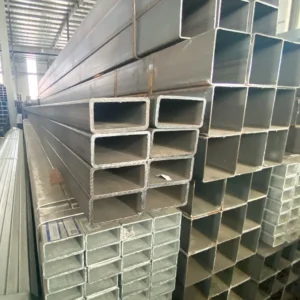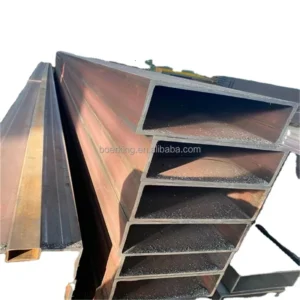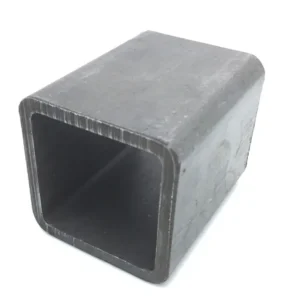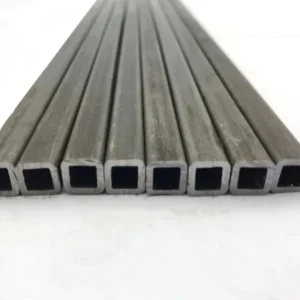


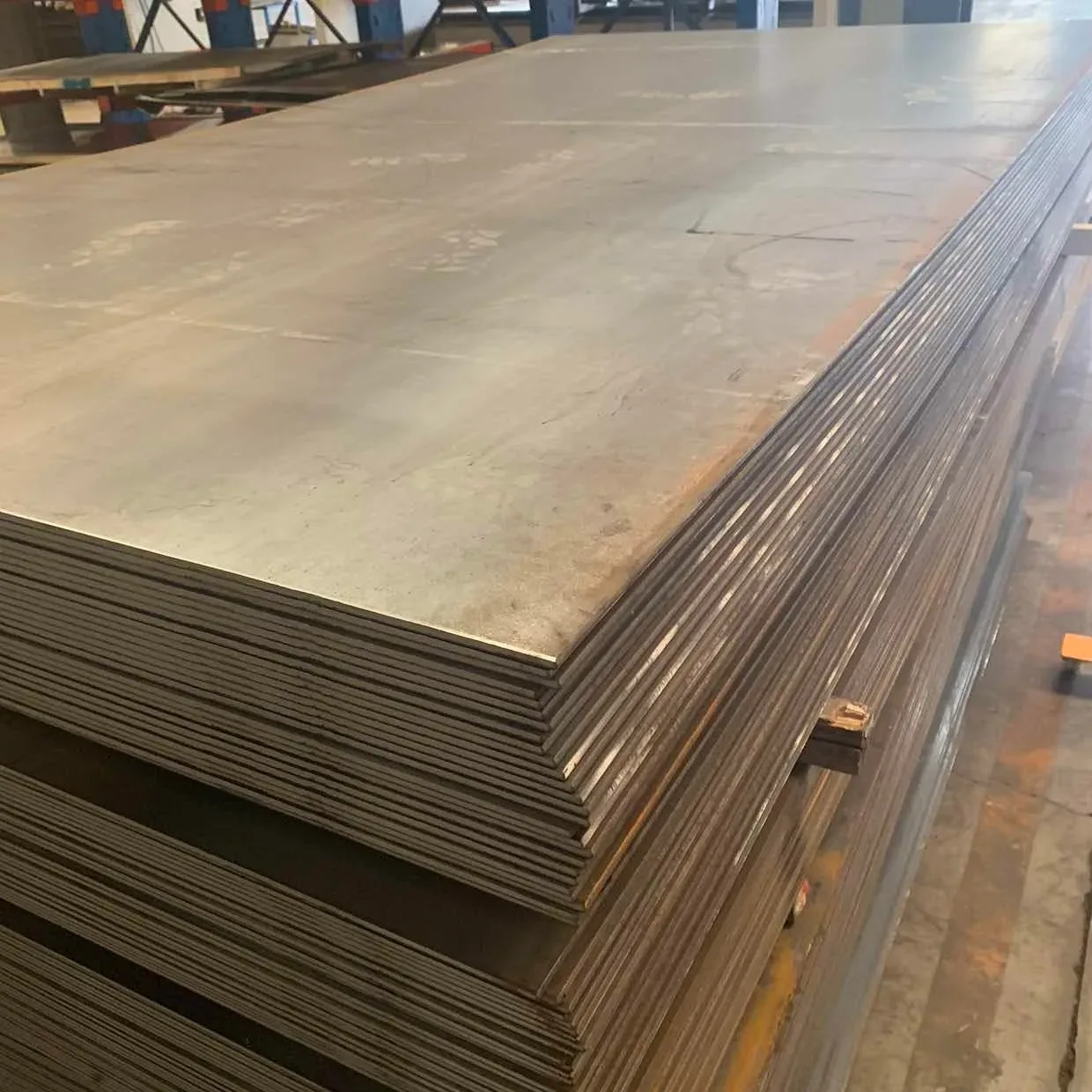

Description
Factory-Direct Carbon Steel Plate Supply — Hot rolled and cold rolled plates in Q195–Q460, A36, S235JR, S355JR shipped with original mill test certificates and CE documentation for EU customs clearance.
Technical Specifications
| Parameter | Value |
|---|---|
| Designation | Q235/Q345 Hot Rolled Steel Plate |
| Product Type | Steel Plate |
| Steel Grade | Q195, Q235, Q345, A36, S235JR, S355JR, St37-2, SS400, Q460, SS330, SS540, SPHC, SPHD, SPHE |
| Standard | AISI, ASTM, BS, DIN, GB, JIS |
| Section Shape | Flat plate / sheet |
| Thickness | 0.35–200 mm |
| Width | 1000–2500 mm |
| Length | 2000–12000 mm |
| Technique | Hot Rolled / Cold Rolled |
| Surface Treatment | Black (as-rolled) |
| Tolerance | ±1% |
| Processing Service | Bending, Welding, Decoiling, Cutting, Punching |
| Material Category | Low Carbon Steel |
| Application | Shipbuilding, Container manufacturing, Construction, Petrochemical, Machinery manufacturing, Bridge engineering, Boiler & pressure vessel, Structural fabrication |
| MOQ | 1 Ton |
| Origin | Shandong, China |
Application Suitability
| Industry | Typical Applications |
|---|---|
| EPC Contractors & Construction | Building frames, bridge girders, industrial platform flooring, foundation base plates |
| Container & Shipbuilding | Container side panels and corner castings, ship hull plating, deck structures |
| Machinery Manufacturing | Equipment base frames, crane boom sections, conveyor support structures |
| Petrochemical & Energy | Pressure vessel shells, storage tank walls, pipeline support brackets |
| Infrastructure & Civil Engineering | Retaining wall plates, tunnel lining supports, highway guardrail posts |
Why Missing Mill Test Certificates Cost More Than the Plate Itself
A steel plate without traceable chemistry is a liability, not a material.
Global buyers sourcing carbon steel plate from fragmented suppliers routinely face inconsistent mechanical properties between batches, missing or forged mill test certificates, and steel grades that do not match the purchase order. When a container of Q345 plates arrives at a Middle Eastern port with certificates listing Q235 chemistry, customs holds the cargo and the project timeline collapses. [NEED_CITE: EN 10219 and ASTM A36 material certification requirements for structural steel] The problem compounds when thin-gauge SPHC plates for container manufacturing arrive with thickness deviation beyond ±1%, forcing rework or outright rejection at the fabrication yard.
How Thickness Tolerance and Grade Selection Align With Structural Loading
A Hot Rolled Steel Plate order for bridge girders demands Q345 or S355JR with verified yield strength traceability, while container side panels require SPHC or SPHD with tight gauge control and flatness. Our in-house physical and chemical laboratory tests every heat number before release — chemical composition, tensile strength, and elongation are documented in the original mill test certificate. When an EPC contractor in Southeast Asia needed 200 mm thick Q345 plates for a heavy-duty crane base, we supplied full-length 12 m plates cut to tolerance, with SGS third-party inspection completed before loading. [NEED_CITE: structural steel plate thickness tolerance standards for heavy construction]
Engineering Compliance Across GB, EN, and ASTM Frameworks
Carbon steel plate used in load-bearing structures must conform to the design code governing the project — EN 1993 for European works, AISC for North American, and GB 50017 for Chinese-spec infrastructure. S235JR maps to Q235B and A36 in general structural use, while S355JR corresponds to Q345B with higher yield capacity. Plates destined for EU markets require CE marking under EN 10210 or EN 10219, and missing this certification triggers customs rejection regardless of material quality. [NEED_CITE: steel grade equivalence mapping between GB, EN, and ASTM standards] Our plates carry CE certification, ISO 9001:2015 quality management, and original mill test certificates covering every heat number — ensuring compliance from fabrication through final inspection.
Understanding Carbon Steel Grade Systems and Rolling Processes
The Q-series (Q195 through Q460) follows the Chinese GB standard where the number indicates minimum yield strength in MPa. The S-series (S235JR, S275JR, S355JR) follows EN 10025, with the JR suffix denoting room-temperature Charpy impact testing at 27J. ASTM A36 and A572 serve North American structural specifications. Hot rolled plates are produced above recrystallization temperature, offering cost efficiency for structural and industrial applications where surface finish is secondary. Cold rolled plates provide tighter thickness tolerance and smoother surface for applications requiring painting or further coating. The black as-rolled surface is suitable for projects where plates will be galvanized, painted, or used in non-corrosive environments. Thickness tolerance of ±1% ensures that theoretical weight calculations align with actual delivered weight — a critical factor when procurement is priced by theoretical tonnage.
The Hidden Cost of Procuring Without Verified Grade Equivalence
Ordering S355JR plate and receiving material that tests as S235JR creates structural safety risk and engineering liability. Fabrication yards that weld unverified plates into load-bearing frames face rejection during third-party inspection, forcing costly tear-down and re-fabrication. [NEED_CITE: consequences of non-conforming structural steel in construction projects] Plates without proper heat number traceability cannot pass customs inspection in markets requiring CE or SGS documentation — the cargo sits at port accruing demurrage while the buyer scrambles for replacement material. Negative tolerance abuse — where plates are rolled below the specified minimum thickness — reduces load capacity and voids engineering certifications, yet remains undetectable without ultrasonic thickness measurement at the receiving yard.
Why Procurement Teams Source Carbon Steel Plate From Us
We operate three dedicated production lines covering over 2,800 specifications in thickness up to 200 mm, eliminating the need to coordinate multiple suppliers for plate, coil, and processed components. Every plate leaving our facility carries an original mill test certificate generated from our in-house laboratory — chemical composition, tensile properties, and impact test results are documented per heat number. Our CE certification under EN 10210/EN 10219 and ISO 9001:2015 quality system satisfy EU and international procurement requirements. We hold 41 invention patents and have participated in drafting China’s cold-formed steel industry standards. Third-party inspection through SGS and BV is arranged before shipment for buyers requiring independent verification. Custom non-standard dimensions, cutting, bending, and punching services reduce secondary fabrication costs at the buyer’s end. Professional loading plans optimize container utilization for plates in the 6 m–12 m length range, and door-to-door logistics cover 50+ countries including EU, North America, Middle East, and Southeast Asia.
Documentation & Compliance
- Mill test certificate documenting Q235/Q345 chemical composition, yield strength, and tensile properties per GB/T 700 and GB/T 1591 for every heat number
- CE certificate under EN 10210/EN 10219 for steel plates exported to European Union markets requiring structural compliance
- ISO 9001:2015 quality management certificate covering the full production and inspection process
- SGS or BV third-party inspection report available upon request for independent verification before shipment
- Material traceability by heat number linking each plate to its original mill test certificate and chemical analysis
- Complete customs documentation including packing list, bill of lading, and certificate of origin for destination-country clearance
Packaging, Loading & Delivery
- Hot rolled Q235 and Q345 plates bundled with steel strips and edge protectors to prevent deformation during ocean transit in 20 ft and 40 ft containers
- Black as-rolled surface protected with anti-rust oil coating for plates destined for humid climates in Southeast Asia and Middle East markets
- Plates in 0.35–3 mm thin-gauge range packed on wooden pallets with corner guards to preserve flatness and prevent edge damage
- Custom cutting to buyer-specified lengths within the 2000–12000 mm range, with each piece marked by heat number and steel grade
- Container loading plans optimized for 6 m and 12 m plate lengths to maximize payload and minimize shipping cost per ton
- FOB, CIF, and DDP logistics options with real-time tracking available for projects across 50+ countries
How to Initiate a Steel Plate Inquiry
Submit your required steel grade, thickness, width, length, quantity, and destination port — we respond within 12 hours with a detailed quotation including unit price, delivery timeline, payment terms, and applicable certifications. For non-standard dimensions or processed plates requiring cutting, bending, or punching, provide your fabrication drawings and we return a custom processing proposal. Mill test certificates, CE documentation, and third-party inspection reports are confirmed at the quotation stage to ensure customs compliance before production begins.
Frequently Asked Questions
Q: How do Q235, Q345, A36, S235JR, and S355JR compare across different standards?
A: Q235 corresponds to S235JR and A36 for general structural applications. Q345 maps to S355JR and ASTM A572 Grade 50 with higher yield strength. We supply plates to GB, EN, ASTM, and JIS standards with full grade equivalence documentation in the mill test certificate.
Q: Can you provide third-party inspection and original mill test certificates for customs clearance?
A: Yes. Every shipment includes original mill test certificates with chemical composition and mechanical properties per heat number. SGS and BV third-party inspection is arranged before shipment upon request. CE certification is provided for EU market compliance.
Q: Do you offer custom dimensions and processing services?
A: We provide cutting, bending, welding, decoiling, and punching services for plates in 0.35–200 mm thickness. Non-standard widths and lengths are available beyond the standard 1000–2500 mm width and 2000–12000 mm length ranges. MOQ for custom-cut plates is 1 Ton.
Q: What is the difference between hot rolled and cold rolled steel plates?
A: Hot rolled plates are produced at high temperature, offering cost efficiency and suitability for structural and industrial applications. Cold rolled plates provide tighter thickness tolerance and smoother surface finish for applications requiring painting or further coating. Both are available in black as-rolled surface treatment.
Q: How is pricing calculated — by theoretical weight or actual weight?
A: Pricing can be based on theoretical weight or actual weight depending on the order specification. Our plates are produced within ±1% thickness tolerance, ensuring minimal deviation between theoretical and actual weight. Negative tolerance options are available upon request for cost-optimized procurement.
Request Your Hot Rolled Steel Plate Quotation Today
Send your specifications, steel grade, quantity, and destination port to receive a detailed quotation with mill test certificate confirmation and delivery timeline within 12 hours.
Contact: Shandong Xin Jiyuan Special Steel Tube Co., Ltd
Website: www.sdxjysteel.com
Tel: +86 531 8573 6315
Mobile/WhatsApp/WeChat: +86 188 5315 7756
Email: admin@sdxjysteel.com
Address: No.11889, Jingshi West Road, Lulian Group, Jinan City, Shandong Province, China