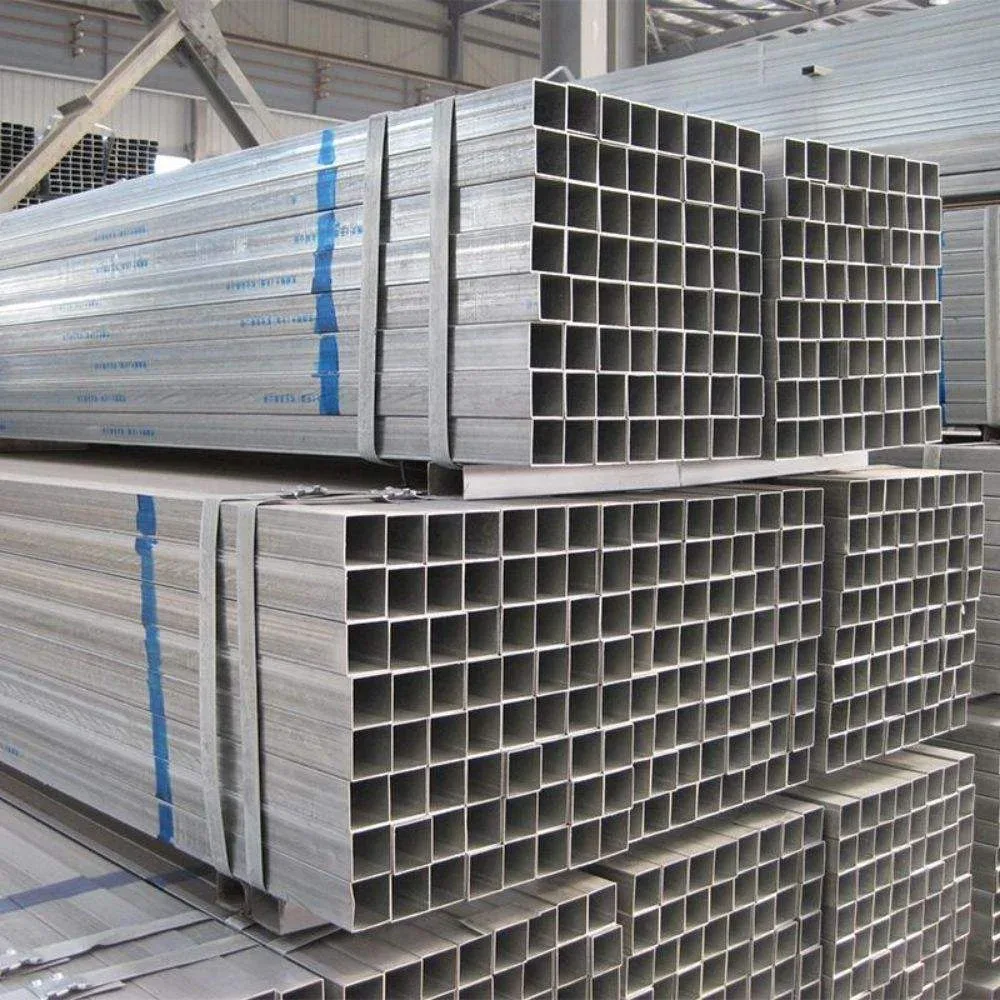
Description
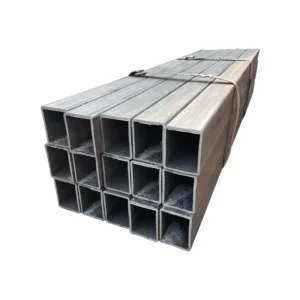
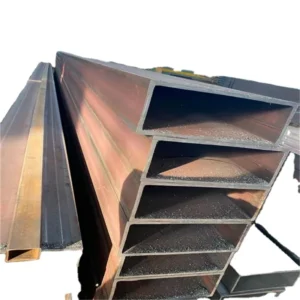
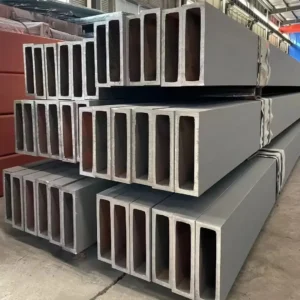
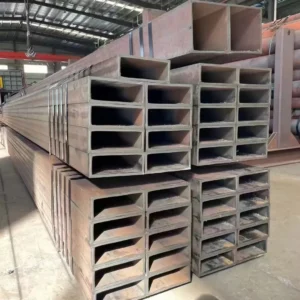
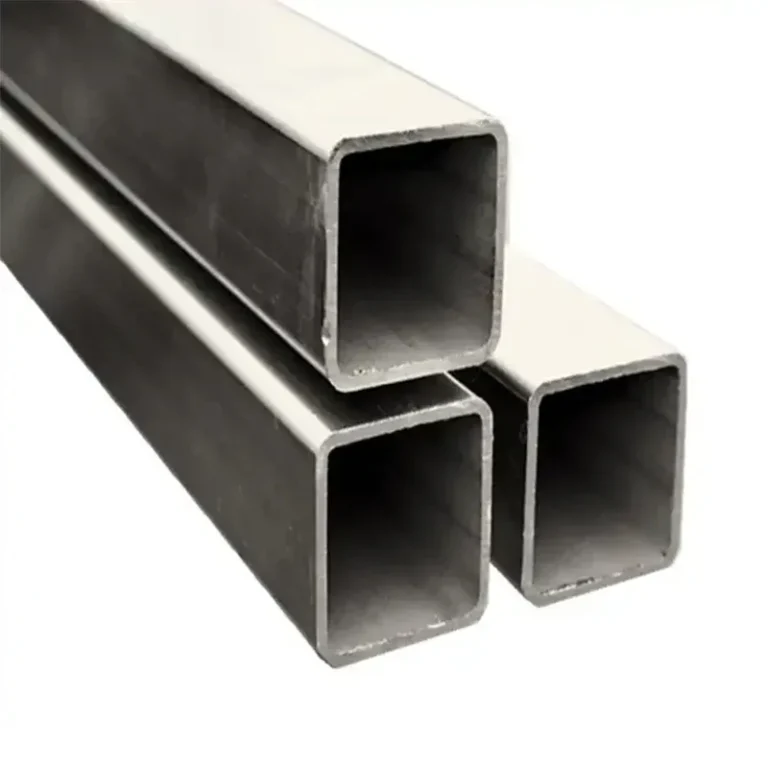
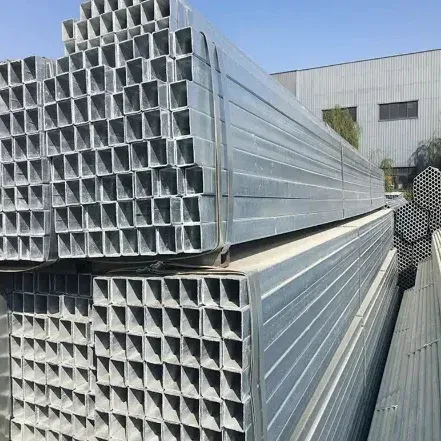
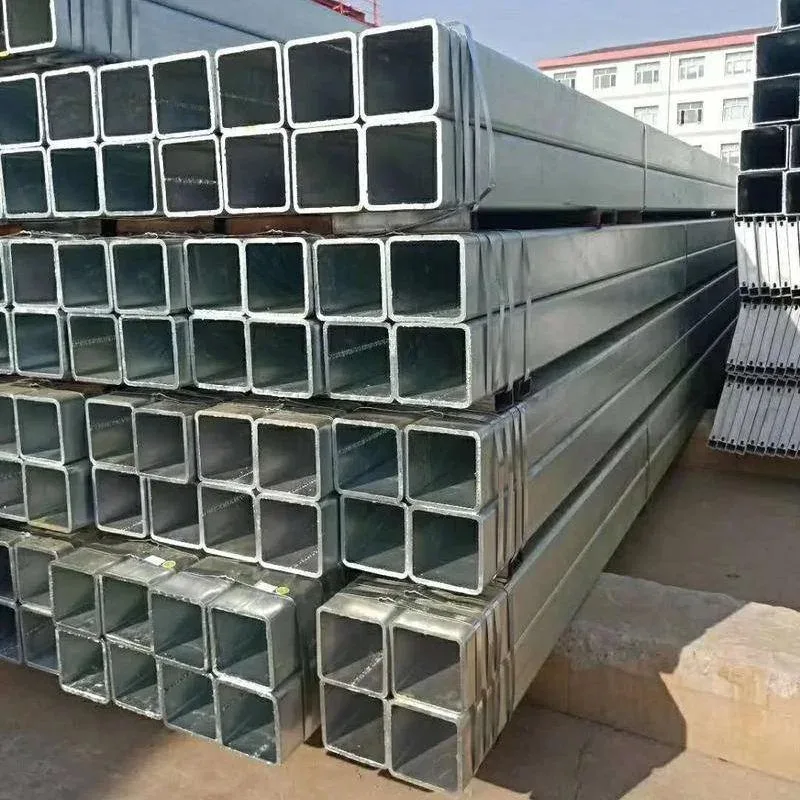
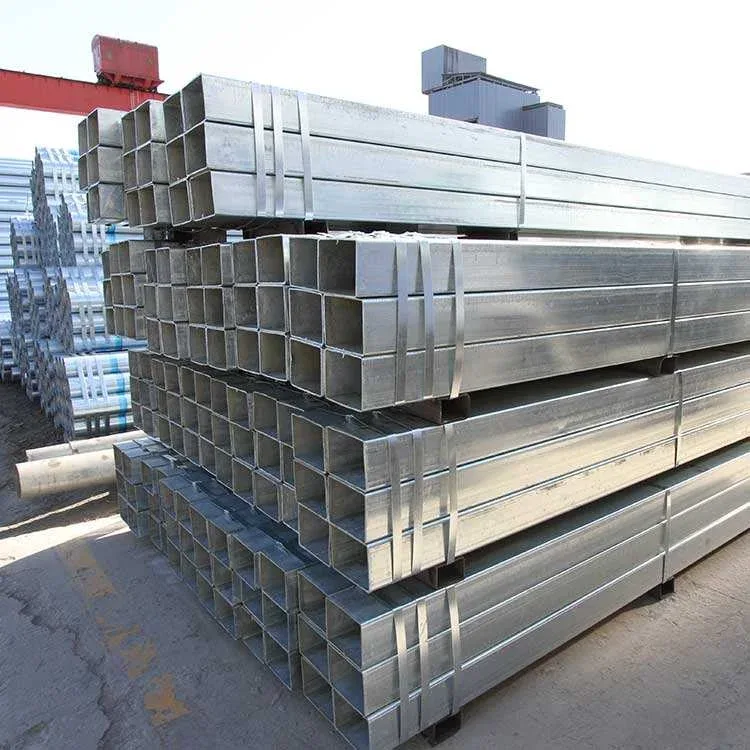
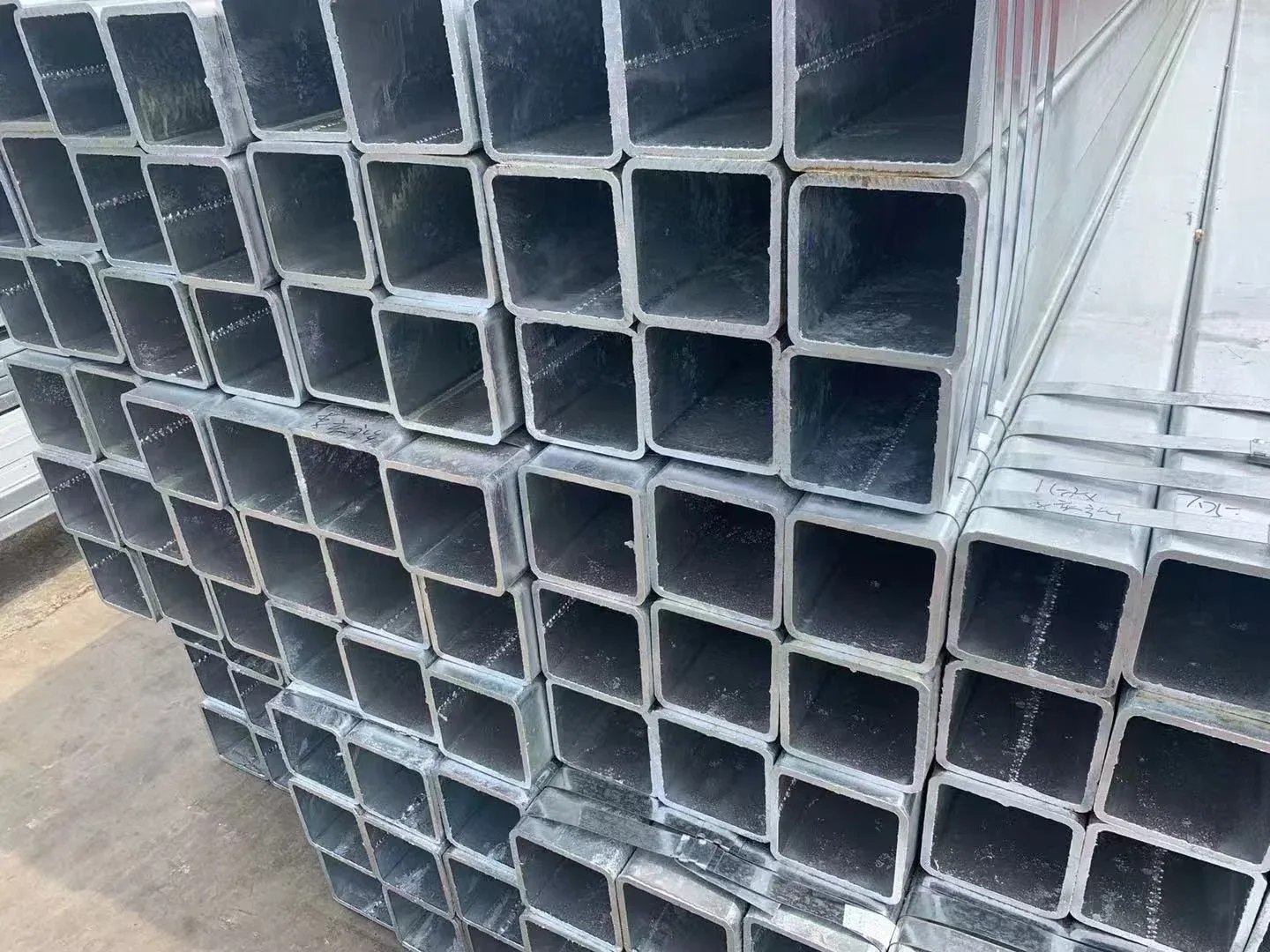
Factory-direct galvanized SHS/RHS supply — hot-dip coated square and rectangular hollow tubes produced on dedicated lines with in-house coating thickness verification before every shipment.
Technical Specifications
| Parameter | Value |
|---|---|
| Designation | Galvanized Square / Rectangular Hollow Steel Tube |
| Product Type | Square and Rectangular Galvanized Steel Tube (SHS / RHS) |
| Steel Grade | A53 Grade B, A500 Grade A / B / C, STK400, SS400, ST42.2, S355JR, Q195–Q235 |
| Standard | ASTM A53, ASTM A500, BS 1387, EN 10255, ISO 65, ANSI C80, DIN 2440, JIS G3444, GB/T 3091, GB/T 13793 |
| Section Shape | Square / Rectangular |
| Size Range | 21.3 mm – 660 mm (1/2″ – 26″) |
| Wall Thickness | Up to 6 mm (standard), customizable |
| Length | 5.8 m / 6 m / 11 m or as customer needs |
| Technique | Hot-dip Galvanized / Pre-galvanized (ERW base pipe) |
| Surface Treatment | Hot-dip Galvanizing |
| Tolerance | ±1% (standard) |
| Ends | Plain / Beveled / Threaded / Grooved |
| Application | Municipal water & gas transmission, construction structures, hydraulic & precision machinery, power & petrochemical plants, scaffolding |
| MOQ | 1 Ton |
| Origin | China |
Application Suitability
| Industry | Typical Applications |
|---|---|
| Municipal Infrastructure | Water supply mains, gas distribution pipelines, underground utility ducts |
| EPC & Construction | Building frames, column supports, scaffolding systems, bridge handrails |
| Machinery & Equipment | Hydraulic cylinder housings, conveyor support structures, precision machinery frames |
| Power & Petrochemical | Pipe racks, cable tray supports, structural bracing in plant facilities |
Why Coating Weight Determines Whether Your Shipment Clears Site Inspection
A 45μm zinc layer on a gas-line support will fail third-party inspection the moment the caliper touches it.
Municipal water and gas transmission projects across the Gulf and Southeast Asia routinely specify minimum zinc coating weights of 60–80μm for buried or exposed structural members. When a Galvanized square and rectangular hollow steel tube supplier ships material with inconsistent coating — thin on inner corners, uneven on flat faces — the entire batch gets flagged at the construction site. The result is not just a rejected container; it is weeks of delay while replacement material is air-freighted, and the original goods sit rusting in a port yard. [NEED_CITE: hot-dip galvanizing coating thickness requirements for structural hollow sections]
How Hot-Dip Galvanizing Matches Municipal Corrosion Environments
Municipal water and gas pipelines operate in some of the most corrosive service conditions steel structures face — constant moisture, soil acidity, and in coastal cities, salt-laden air. Hot-dip galvanizing bonds a metallurgical zinc-iron alloy layer to the ERW base pipe, providing both barrier protection and cathodic sacrifice. For a Galvanized square and rectangular hollow steel tube used as a gas transmission support frame, this means decades of maintenance-free service without field painting. The zinc coating self-heals minor scratches through cathodic action, which pre-galvanized (electro-galvanized) tubes cannot match in aggressive soil conditions.
Structural Compliance and Certification Requirements Across Markets
Municipal infrastructure projects demand documentation that satisfies both the structural engineer and the customs authority. In the EU, EN 10210 and EN 10219 govern hot-finished and cold-formed hollow sections respectively — missing CE marking under these standards means the shipment cannot leave the port. In North America, ASTM A500 Grade B and Grade C are the baseline for structural hollow sections, while ASTM A53 applies to pressure-rated gas and water lines. [NEED_CITE: EN 10219 cold-formed hollow section certification requirements] A Galvanized square and rectangular hollow steel tube supplier must provide mill test certificates traceable to each heat number, with chemical composition and mechanical test results matching the declared standard. Without this, project engineers will not sign off on material receipt.
Steel Grade Selection and Galvanizing Process Explained
The steel grades listed for this product span three major international systems. Q195–Q235 are Chinese carbon structural steels, widely used in domestic municipal projects where cost matters more than high yield strength. S355JR is a European non-alloy structural steel with higher yield strength, specified for load-bearing frames in bridges and industrial buildings. ASTM A500 Grade B/C and A53 Grade B are the North American equivalents, with A53 specifically covering welded and seamless pipe for conveyance of water, gas, and steam. The hot-dip galvanizing process involves immersing the formed ERW tube in a molten zinc bath at approximately 450°C, creating a metallurgical bond that is fundamentally different from electro-galvanizing. The resulting coating is thicker, more uniform on complex cross-sections, and provides superior edge coverage on cut ends — critical for rectangular tubes where corner geometry affects zinc flow. [NEED_CITE: hot-dip vs electro-galvanized coating adhesion on hollow sections]
The Hidden Cost of Ordering the Wrong Coating Class
Ordering a pre-galvanized tube when the project specification calls for hot-dip is a mistake that only surfaces at site inspection. Pre-galvanized coatings are typically 20–30μm — adequate for indoor furniture frames, but insufficient for buried gas-line supports or outdoor scaffolding in coastal environments. When a Galvanized square and rectangular hollow steel tube arrives on-site with inadequate coating weight, the contractor faces three costs: the material is rejected, the replacement must be sourced and shipped at premium freight rates, and the project timeline absorbs delays that trigger liquidated damages. [NEED_CITE: zinc coating thickness standards for hot-dip galvanized structural steel]
What Separates a Reliable Galvanized Square and Rectangular Hollow Steel Tube Supplier from the Rest
Our production lines run dedicated hot-dip galvanizing baths with real-time coating thickness monitoring, not shared facilities where zinc concentration drifts between batches. Every Galvanized square and rectangular hollow steel tube leaving the mill passes through our in-house physical and chemical laboratory, where coating adhesion, thickness uniformity, and base metal composition are verified before packing. We hold CE certification under EN 10210 and EN 10219, ISO 9001:2015 registration, and third-party verification from SGS and BV — documents that have cleared customs in over 50 countries without hold-ups. Our 2,800+ specification range covers non-standard sizes that most trading companies cannot source without weeks of delay, and our factory-direct pricing eliminates the markup layers that appear when buyers work through intermediaries. Professional loading plans optimize container utilization for long-length tubes, reducing per-ton freight costs on ocean shipments.
Documentation & Compliance
- Mill test certificate documenting A500 Grade B chemical composition and mechanical properties per ASTM A500, traceable by heat number
- CE certificate confirming compliance with EN 10210 / EN 10219 for hot-finished and cold-formed structural hollow sections
- ISO 9001:2015 quality management system certificate covering the full production and galvanizing process
- SGS or BV third-party inspection report verifying zinc coating thickness and adhesion before loading
- Material traceability sheet linking each bundle to its heat number, coating batch, and dimensional inspection record
- Customs documentation package including packing list, bill of lading, and certificate of origin for destination-country clearance
Packaging, Loading & Delivery
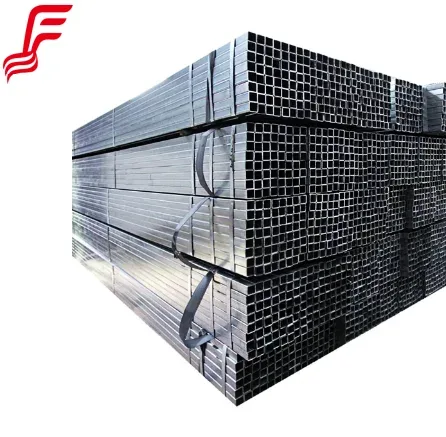
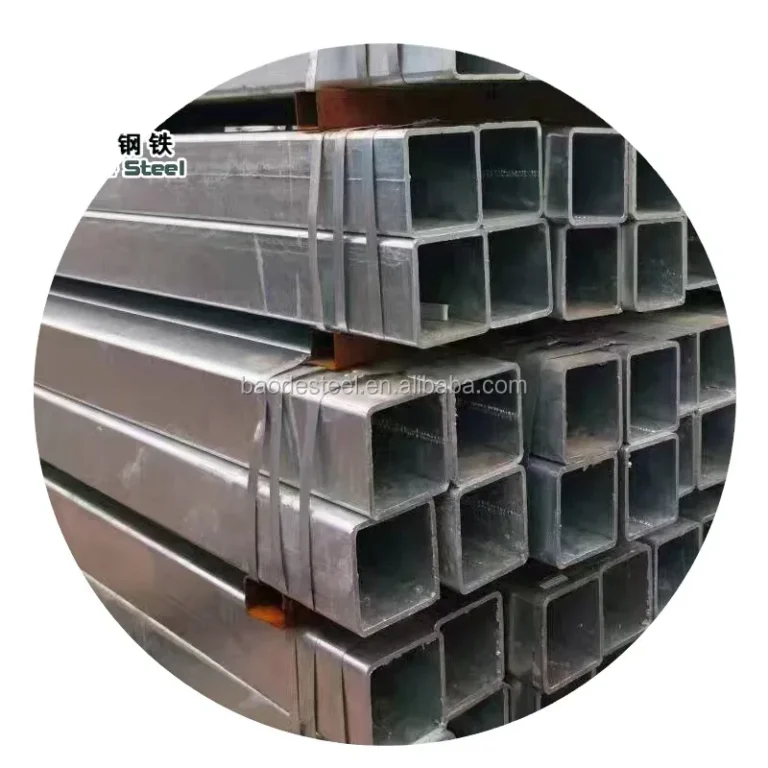
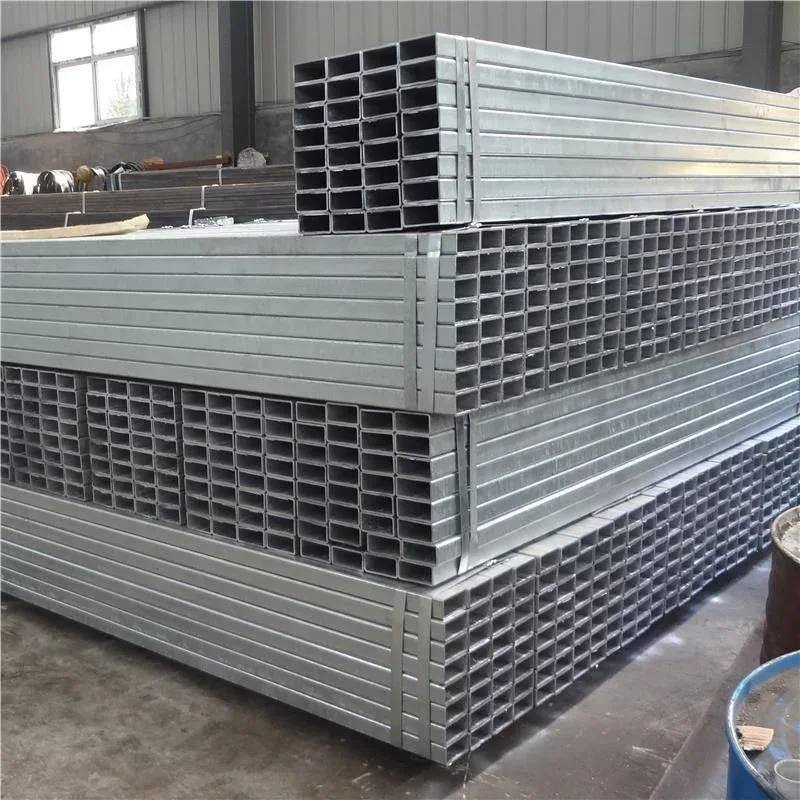
- Galvanized tubes bundled with high-tensile steel strips and edge protectors to preserve the zinc coating from abrasion during ocean transit
- Both tube ends sealed with plastic caps to prevent moisture ingress and protect beveled or threaded end preparations
- Container loading optimized for 5.8 m and 6 m lengths to maximize payload per 20ft or 40ft container, with wooden cradles preventing point-load deformation
- Heat number and steel grade stenciled on each bundle tag for site-side identification and traceability verification
- Hot-dip galvanized surface protected by anti-rust oil film where specified, with woven bag wrap for additional scratch prevention
- FOB, CIF, and DDP shipping terms available with real-time tracking from mill to project site
Ready to Lock in Your Next Municipal Pipeline Order
Submit your specification sheet — section dimensions, wall thickness, steel grade, coating requirement, and destination port — and receive a detailed quotation within 12 hours, complete with applicable mill test certificate samples and loading plan. For non-standard sizes or custom lengths outside the 5.8 m / 6 m / 11 m range, our engineering team will confirm feasibility and lead time before you commit to a deposit.
Get Your Galvanized SHS/RHS Quotation with Mill Test Certificates
Send your inquiry via email at admin@sdxjysteel.com or contact us at +86 188 5315 7756 (WhatsApp/WeChat) to begin.
Frequently Asked Questions
Q: What is the difference between hot-dip galvanized and pre-galvanized steel tubes?
A: Hot-dip galvanizing immerses the formed tube in molten zinc, creating a metallurgical bond with coating thickness typically exceeding 60μm. Pre-galvanizing applies zinc electrolytically to the steel strip before tube forming, resulting in thinner coatings around 20–30μm. For municipal water and gas transmission applications, hot-dip is the standard requirement.
Q: Can you provide CE and ISO certificates for European and Southeast Asian customs clearance?
A: Yes. Our production system holds CE certification under EN 10210 and EN 10219, ISO 9001:2015 registration, and third-party verification from SGS and BV. These documents are included in the standard shipment package for every order.
Q: What is the MOQ for non-standard sizes and custom lengths?
A: The standard MOQ is 1 Ton. For non-standard dimensions outside our regular 2,800+ specification range, minimum quantities depend on the specific size and steel grade requested — our team will confirm exact requirements during quotation.
Q: How do you ensure coating thickness and adhesion quality?
A: Every batch passes through our in-house physical and chemical laboratory, where coating thickness is measured at multiple points per tube using magnetic induction gauges, and adhesion is tested per standard procedures. Third-party inspection by SGS or BV is available before loading upon request.
Q: What packing and loading methods do you use to prevent damage during ocean shipping?
A: Galvanized tubes are bundled with steel strips and edge protectors, end-capped with plastic plugs, and loaded on wooden cradles inside the container. Loading plans are optimized by our logistics team to maximize container utilization while preventing point-load damage to the zinc coating.