Description
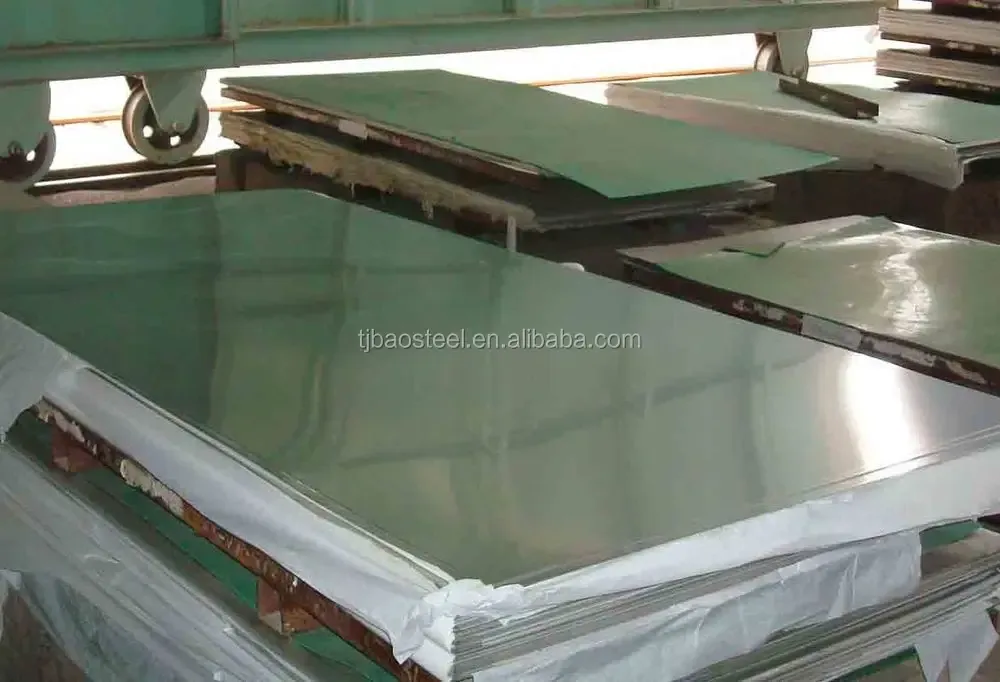
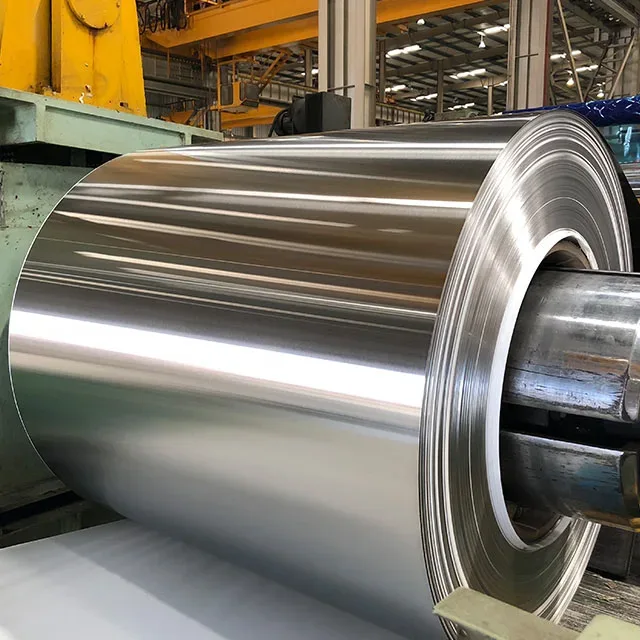
Factory-Direct ASTM Plates — Every 304 Stainless Steel Plate ASTM rolls through our in-house physical and chemical laboratory before release, eliminating third-party reseller markups and material traceability gaps.
Technical Specifications
| Parameter | Value |
|---|---|
| Designation | 304 Stainless Steel Plate |
| Product Type | Steel Plate |
| Steel Grade | 304, 316, 301, 410, 314 (200 Series, 300 Series, 400 Series) |
| Standard | ASTM |
| Section Shape | Flat Steel Plate |
| Thickness | 0.15–100 mm |
| Technique | Cold Rolled / Hot Rolled |
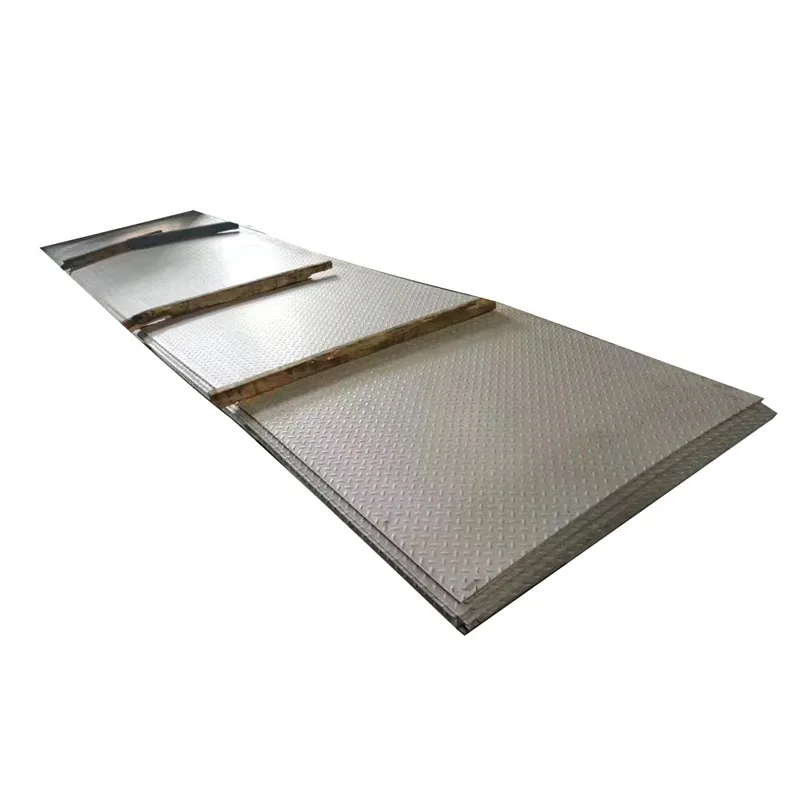
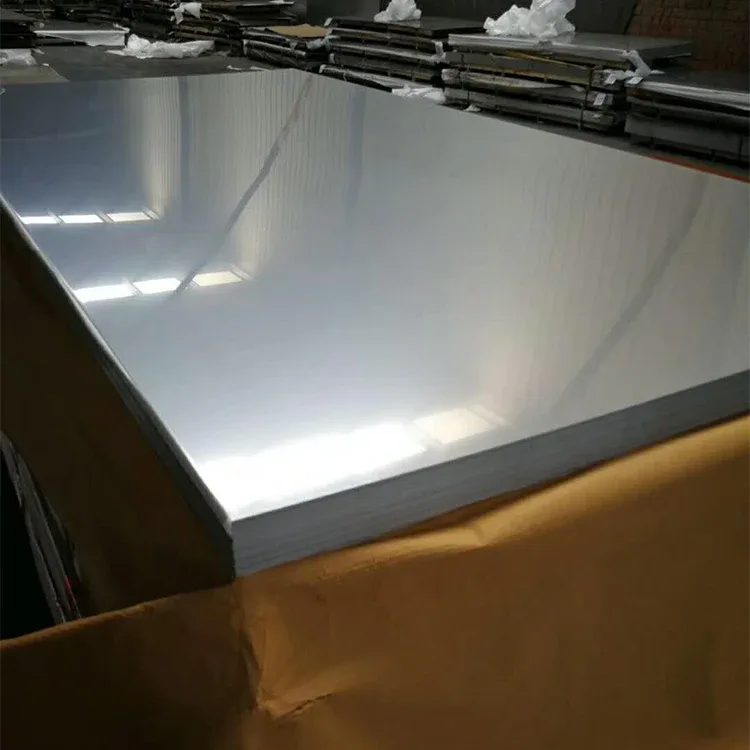
| Surface Treatment | NO.1 / 2B / BA / NO.4 / 8K / SB / HL / Embossed / Etched / Decorative |
| Tolerance | ±1% |
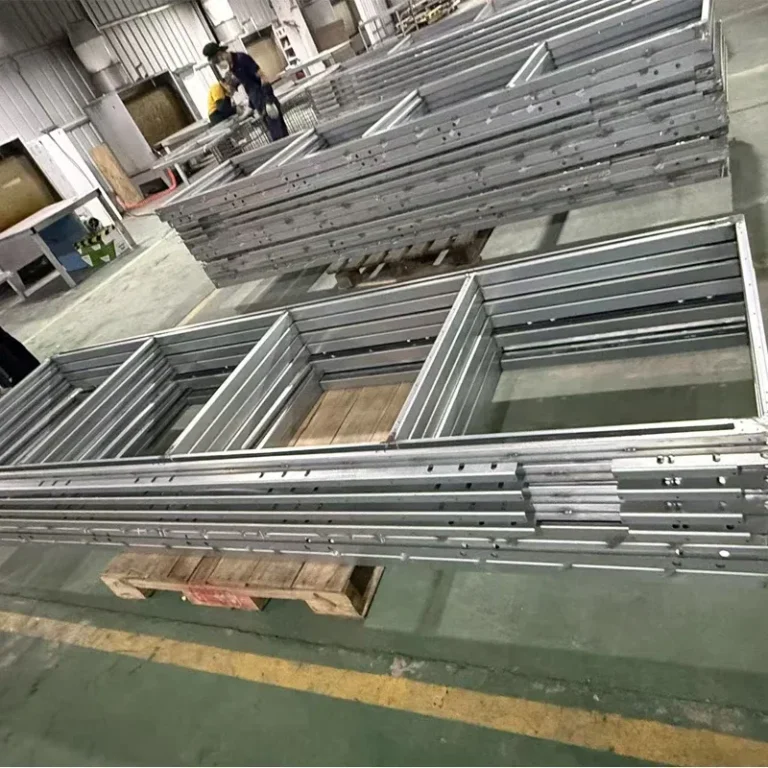
| Processing Service | Welding, Bending, Decoiling, Punching, Cutting |
| Application | Furniture, Railings, Medical Equipment, Tableware, Building Decoration, Kitchen Equipment, Home Appliances, Elevator Panels, Architectural Decoration, Automotive Components, Industrial Tanks, Chemical Industry Equipment |
| MOQ | 10 Tons |
| Origin | Shandong, China |
Application Suitability
| Industry | Typical Applications |
|---|---|
| Construction & Architecture | Elevator cab panels, facade cladding, handrail and balustrade systems, decorative ceiling grids |
| Industrial & Chemical | Acid storage tanks, heat exchanger shells, piping flanges, process vessel liners |
| Commercial & Medical | Surgical instrument trays, commercial kitchen worktops, pharmaceutical cleanroom furniture |
| Infrastructure & Transport | Metro station interior panels, airport terminal decorative screens, highway sound barriers |
Why Surface Finish Selection Decides Inspection Outcomes on a 304 Stainless Steel Plate ASTM Order
A BA finish for an elevator panel order cannot be substituted with 2B at the port — the reflectivity mismatch fails the architect’s mock-up approval.
Global buyers routinely specify surface finish in purchase orders without attaching visual acceptance criteria. When the container arrives, the BA batch shows faint roller marks under terminal halogen lighting, and the 8K mirror panels carry micro-scratches from improper interleaving. The project engineer rejects the lot, and demurrage fees accumulate at the destination port. Beyond aesthetics, finish selection directly affects corrosion behavior: a NO.4 brushed surface traps chloride deposits in its grain direction, while a properly passivated 8K surface sheds them. [NEED_CITE: surface finish influence on stainless steel pitting corrosion resistance]
Matching Finish and Grade to Architectural and Industrial Environments
Selecting the correct 304 Stainless Steel Plate ASTM finish requires matching the exposure environment to the surface’s chloride retention profile. For coastal facade cladding, a 316 grade with HL finish resists salt spray far longer than 304 with NO.4. Interior elevator panels demand BA or 8K for consistent reflectivity under artificial lighting, while industrial tank liners require NO.1 or 2B for weldability and chemical passivation compatibility. Our in-house processing line handles cutting, bending, and edge deburring to final dimensions, so the plate arrives on-site ready for installation without secondary workshop visits.
Engineering Compliance and Certification Requirements
ASTM-standard stainless plates entering the EU market often face customs scrutiny when the mill test certificate cites ASTM A240 but the project specification demands EN 1088 equivalence. North American EPC contractors require ASTM A240 / A480 compliance with full heat-number traceability, while Singapore BCA-approved projects demand FPC documentation alongside the MTC. The ±1% thickness tolerance must be verified against the actual ordered gauge — a 2.0 mm plate reading 1.85 mm falls outside the contractual band and triggers rejection during third-party inspection. [NEED_CITE: ASTM A240 stainless steel plate thickness tolerance requirements]
Steel Grade and Processing Fundamentals for Plate Procurement
The 300 Series grades — 304 and 316 — dominate architectural and food-grade applications due to their austenitic structure and non-magnetic response after cold rolling. 304 offers balanced formability and corrosion resistance for indoor and mild outdoor environments, while 316’s molybdenum addition provides measurable resistance to chloride pitting in coastal or chemical processing settings. The 400 Series (410) serves martensitic applications requiring higher hardness and moderate corrosion resistance, such as pump shafts and valve trim. Cold-rolled plates achieve tighter thickness tolerance and smoother surface finish than hot-rolled equivalents, making them the default choice for decorative and precision-machined components. Hot-rolled plates remain cost-effective for structural tanks and industrial frames where surface appearance is secondary. [NEED_CITE: metallurgical differences between 304 and 316 austenitic stainless steel]
Hidden Costs of Incorrect Grade and Certification Procurement
Ordering 304 for a coastal boardwalk railing when the specification calls for 316 leads to visible rust staining within months — a warranty claim that the original supplier cannot honor if the MTC correctly stated 304. Conversely, receiving a certificate that claims 316 but shows nickel content below the ASTM A240 minimum means the material was either misgraded or blended, and no amount of on-site passivation will restore pitting resistance. Customs authorities in the EU and Australia increasingly cross-check MTC chemistry against declared HS codes, and a mismatch triggers hold-and-examine orders that delay project timelines by weeks. [NEED_CITE: stainless steel grade misidentification consequences in structural applications]
Procurement Confidence Through In-House Control
Every 304 Stainless Steel Plate ASTM leaving our facility passes through a physical and chemical laboratory that verifies composition against the ASTM A240 range before the MTC is signed. We maintain 2,800+ specifications across our product lines, so a 3 mm BA plate and a 50 mm NO.1 industrial plate ship from the same inventory coordination desk — eliminating the fragmented sourcing that causes delivery mismatches. Our 41 patented technologies include proprietary surface protection methods that prevent BA and 8K finish damage during ocean transit. Full certification coverage — ISO 9001:2015, Lloyd’s Register EU CE, Singapore FPC, and SGS/BV third-party verification — means the documentation package clears customs in Dubai, Rotterdam, and Singapore without supplementary requests.
Documentation & Compliance
- Mill test certificate documenting 304 / 316 chemical composition (Ni, Cr, Mo, C content) and mechanical properties per ASTM A240, traceable by heat number
- ISO 9001:2015 quality management certificate covering the full cold-rolled and hot-rolled plate production scope
- SGS or BV third-party inspection report verifying surface finish grade, thickness tolerance, and packaging condition prior to container sealing
- CE conformity documentation for projects requiring EU market access, aligned with EN 10088 material standards
- Certificate of origin and commercial invoice formatted for destination-country customs classification under correct HS code
- Material traceability sheet linking each plate bundle to its heat number, rolling batch, and laboratory test report
Packaging, Loading & Delivery
- BA and 8K finish plates interleaved with protective PE film and packed in seaworthy wooden pallets with edge protectors to prevent surface scratching during container transit
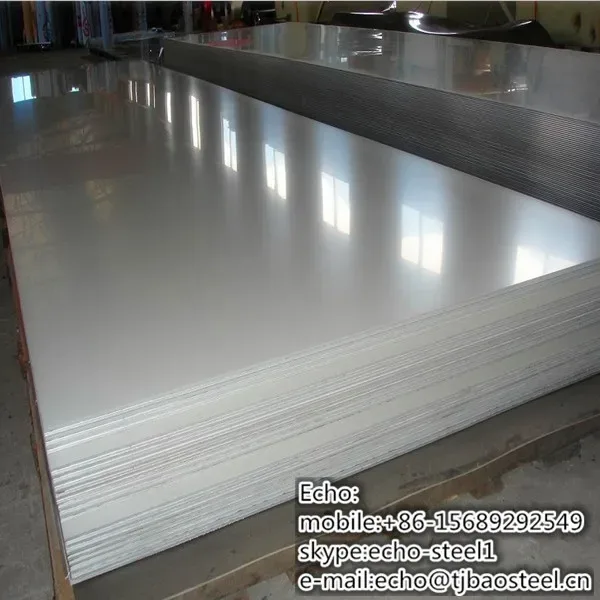
- NO.1 and 2B industrial plates bundled with steel strips and moisture-proof wrapping, suitable for open-yard storage at destination ports
- Custom-cut plates (up to 100 mm thickness) packed individually with dimensional labels and heat-number stickers for on-site identification
- Container loading plans optimized for 20ft and 40ft GP units, balancing weight distribution for plates ranging from 0.15 mm thin gauge to 100 mm heavy industrial stock
- FOB, CIF, and DDP shipping terms available with real-time tracking from Qingdao port to destinations across the EU, North America, Middle East, and Southeast Asia
- Each bundle marked with steel grade (304 / 316 / 410), thickness, surface finish code, and heat number for customs and site receiving verification
Initiating Your 304 Stainless Steel Plate ASTM Procurement
Submit your specification sheet — including grade, thickness, surface finish, dimensions, and destination port — to receive a detailed quotation with unit pricing, production lead time, and applicable certification documentation. Our team responds within 12 hours with a complete commercial proposal, and we can arrange material samples or original mill test certificates for your quality confirmation before contract signing.
Frequently Asked Questions
Q: What is the difference between 304 and 316 grades for plate applications?
A: 304 provides general corrosion resistance suitable for indoor, food-grade, and mild outdoor environments. 316 contains molybdenum, offering superior resistance to chloride pitting — the required choice for coastal, marine, and chemical processing applications.
Q: Which surface finish should I specify for elevator panels versus industrial tanks?
A: Elevator panels typically require BA, 8K, or HL finishes for aesthetic reflectivity and consistent appearance under artificial lighting. Industrial tanks and chemical equipment use NO.1 or 2B finishes, which prioritize weldability and chemical passivation compatibility over visual appearance.
Q: Can you provide plates cut to specific dimensions with edge treatment?
A: Yes. Our in-house processing services include plate cutting, bending, decoiling, punching, and welding. We deliver plates to your specified dimensions with deburred or beveled edges, ready for direct installation.
Q: Do you provide ASTM mill certificates for North American and EU customs clearance?
A: Every shipment includes a mill test certificate documenting chemical composition and mechanical properties per ASTM A240. We also supply CE documentation, ISO 9001 certificates, and third-party SGS/BV inspection reports for destination-country compliance.
Q: What is the minimum order quantity and typical lead time for custom-processed plates?
A: The minimum order quantity is 10 tons. Production lead times vary by specification complexity and surface finish requirement; we confirm exact scheduling upon receipt of your detailed inquiry.
[Request Your 304 Stainless Steel Plate ASTM Quotation with Mill Test Certificate]
Send your grade, thickness, finish, and quantity requirements to receive a complete commercial proposal within 12 hours.
Email: admin@sdxjysteel.com | WhatsApp: +86 188 5315 7756 | Website: www.sdxjysteel.com