Description
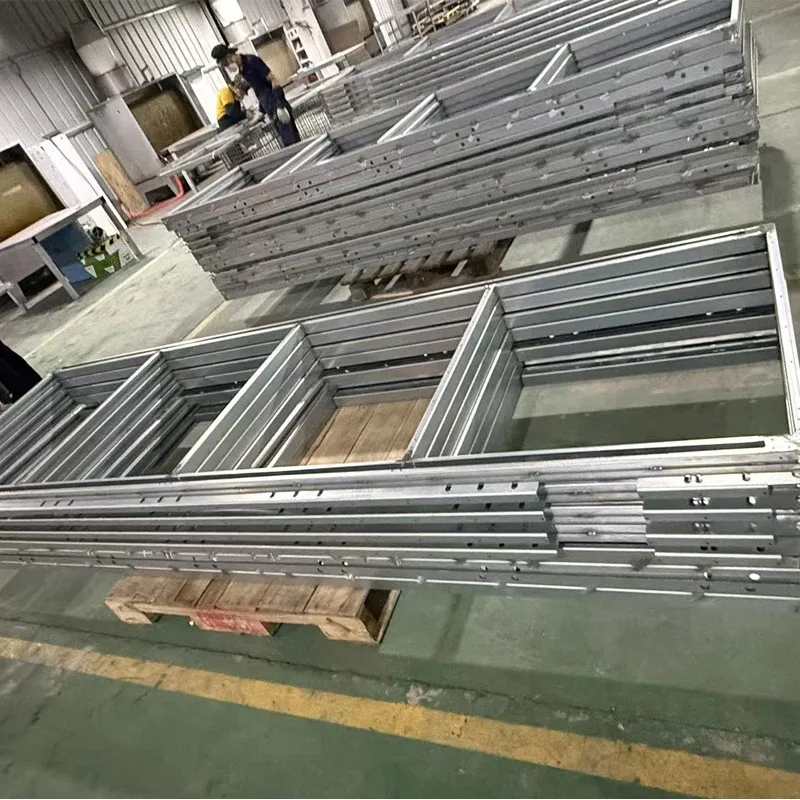
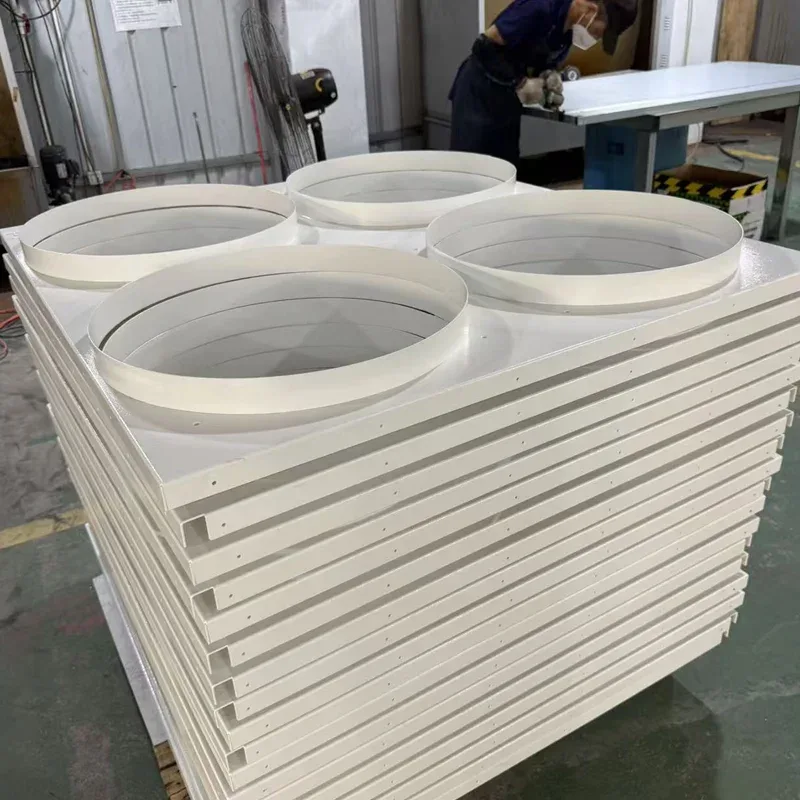
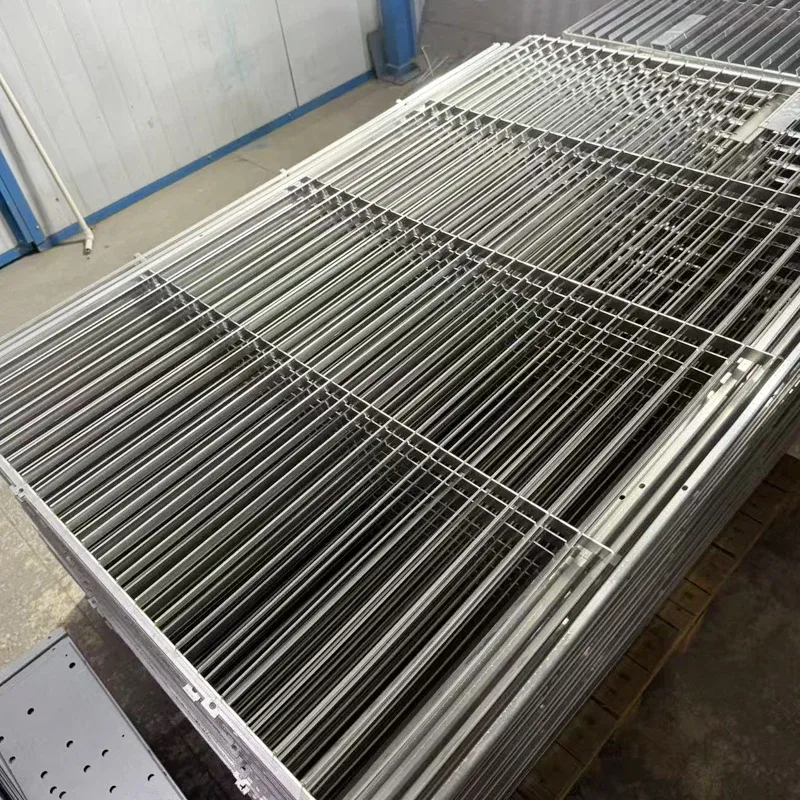
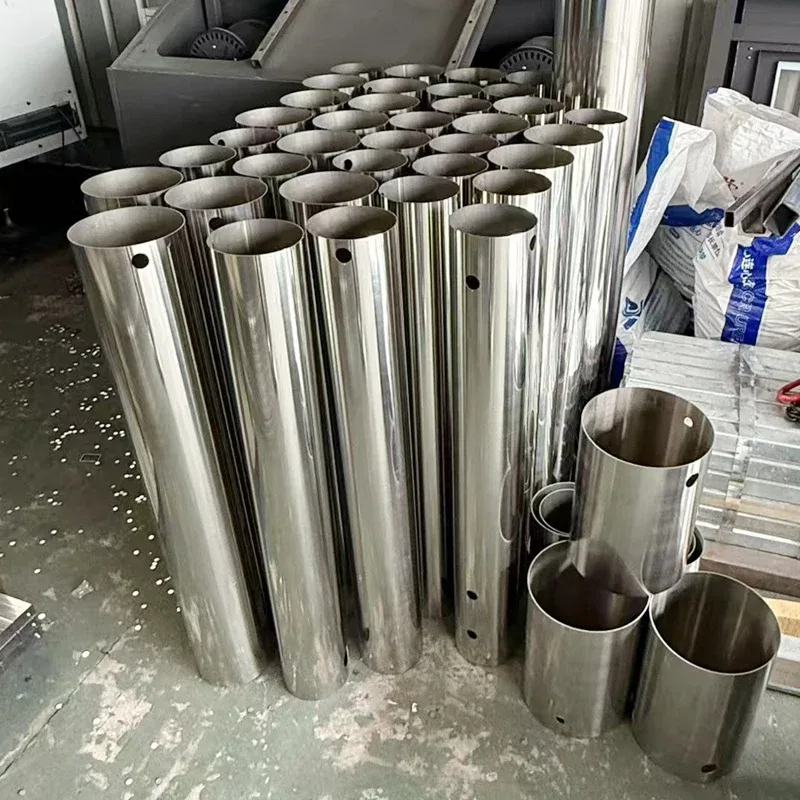
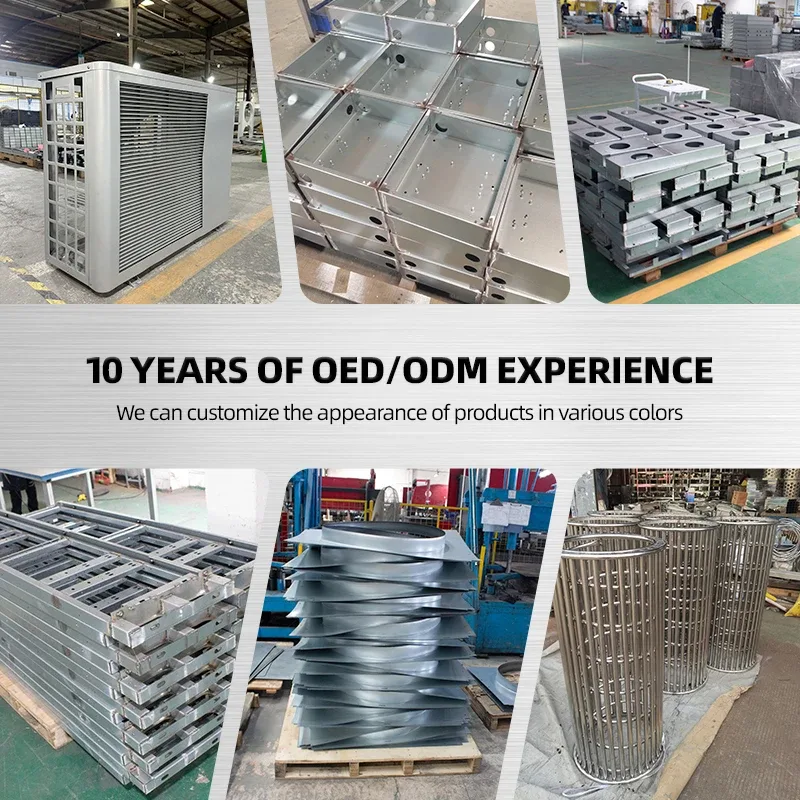
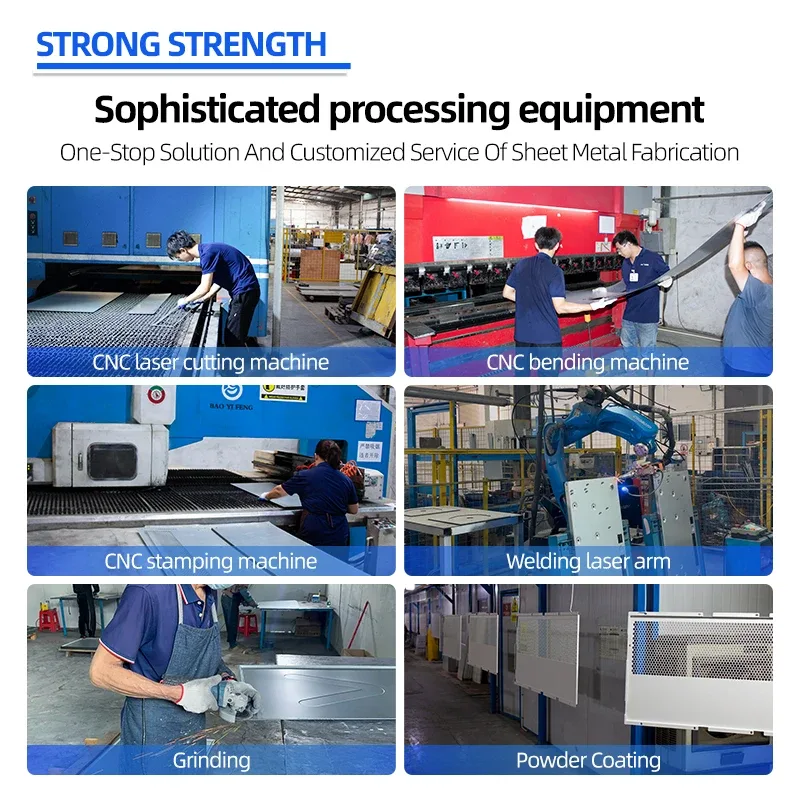
Factory-direct sheet metal fabrication — in-house laser cutting, CNC bending, and welding under one roof with ±0.1mm tolerance control and ISO 9001 / CE certified production.
Technical Specifications
| Parameter | Value |
|---|---|
| Designation | OEM Custom Sheet Metal Fabrication Service |
| Product Type | Machined Steel Product (Plate Cutting and Processing) |
| Steel Grade | Carbon Steel / Low Carbon Steel / Cold Rolled Steel / Hot Rolled Steel / SS201 / SS303 / SS304 / SS316 / AL5052 / AL6061 / AL6063 / AL7075 / Galvanized Steel Sheet / Aluminum Sheet |
| Standard | ISO 9001 / CE |
| Technique | Laser Cutting / CNC Bending / Flanging / Punching / Welding / Deep Drawing / Stamping |
| Dimensional Tolerance | ±0.1~±0.3mm |
| CNC Punching | 3000×1500mm (max) |
| CNC Cutting | T ≤ 12mm, L ≤ 3000mm |
| Laser Cutting | T ≤ 16mm, 6000×2000mm (max) |
| CNC Bending | T ≤ 1mm, L ≤ 4100mm |
| Surface Treatment | Galvanizing / Electroplating / Painting / Polishing / Sandblasting / Anodizing / Spraying |
| Drawing Format | DWG / STP / JPG / IGS / SLD / SLDPRT / DXF |
| Application | Electrical Control Cabinets / Frames / Enclosures / Automotive Parts / Medical Equipment Parts / Machinery Parts / Energy Storage Enclosures / Metal Chassis |
| Origin | Shandong, China |
Application Suitability
| Industry | Typical Applications |
|---|---|
| Machinery Manufacturers | Precision enclosures, equipment frames, and custom brackets for industrial machinery |
| EPC Contractors | Electrical control cabinets, energy storage enclosures, and structural frames for project sites |
| System Integrators | Conveyor system housings, automation equipment chassis, and industrial control panels |
| Automotive & Medical | Automotive structural parts, medical equipment housings, and cleanroom-compatible enclosures |
When Tolerance Drift Turns a Control Cabinet into a Site Rejection
±0.1mm tolerance is not a marketing number — it is the difference between a door panel that seals and one that gets sent back.
I once watched a batch of SS304 electrical enclosures arrive at a Middle East project site. The mill certs looked clean, the laser cuts were visually straight, but when the integrator tried to mount the DIN rail brackets, the hole positions had drifted 0.6mm from drawing. The panels could not close flush. The entire lot sat in a warehouse for four weeks while replacement parts were air-freighted from China. That kind of failure does not show up on a standard visual inspection — it only surfaces when assembly begins. [NEED_CITE: precision sheet metal fabrication tolerance standards for industrial enclosures]
Fragmented sourcing makes this worse. When cutting, bending, welding, and surface treatment happen at different shops, each process introduces its own cumulative error. By the time the final assembly arrives, tolerance stack-up has already made the product unusable.
Matching Fabrication Precision to Engineering Environments
An OEM custom sheet metal fabrication service supplier must account for more than just cutting accuracy. Electrical control cabinets for outdoor EPC projects face salt spray, temperature cycling, and vibration — requiring SS304 or SS316 material with welded seams that maintain IP ratings under field conditions. Energy storage enclosures demand tight dimensional control so that battery module trays slide in without force-fitting, which could damage internal bus bars. Our in-house CNC bending handles lengths up to 4100mm at thicknesses up to 1mm, while laser cutting covers plates up to 16mm across a 6000×2000mm bed — meaning large chassis frames can be produced as single-piece assemblies rather than multi-part welded constructions.
Compliance Requirements for Exported Fabricated Steel Products
Engineering projects in the EU require CE-marked fabrication processes conforming to EN 10219 and EN 10210 standards for structural steelwork. [NEED_CITE: CE marking requirements for fabricated structural steel components under EN 1090] North American buyers typically reference ASTM and AWS D1.1 welding codes. Material traceability becomes critical at customs — inspectors at destination ports frequently request mill test certificates linked to specific heat numbers. Surface treatment choices also carry compliance weight: galvanized coatings must meet minimum thickness requirements per ISO 1461, while powder-coated finishes for outdoor enclosures need salt spray test reports. Our ISO 9001 certified production system documents every step from incoming material inspection through final dimensional check, ensuring that certification packages travel with the shipment.
Material Selection and Process Logic for Fabricated Components
Carbon steel and low carbon steel remain the default choice for structural frames and machinery enclosures where cost efficiency matters and corrosion exposure is controlled. SS201 serves indoor applications with mild humidity, while SS304 and SS316 are specified for outdoor, marine, or chemical environments — the molybdenum content in SS316 provides pitting resistance that SS304 cannot match. [NEED_CITE: stainless steel grade selection guide for industrial fabrication applications]
Aluminum alloys follow a different logic. AL5052 offers good formability for bent enclosures, AL6061 provides structural strength for load-bearing frames, and AL7075 is reserved for high-stress aerospace or precision machinery components where weight-to-strength ratio is critical. Anodizing and sandblasting are typical surface finishes for aluminum, while carbon steel components move through galvanizing, electroplating, or the 400m automatic spraying line for powder coating.
The CNC punching capacity of 3000×1500mm and laser cutting up to 16mm thickness means that most enclosure panels, chassis sides, and mounting brackets can be produced without secondary operations — reducing handling damage and cumulative tolerance error.
Hidden Costs of Choosing the Wrong Fabrication Partner
Material substitution is the most expensive hidden cost. A supplier who delivers AL6063 when AL6061 was specified will not trigger a visual rejection — but the lower magnesium content means the frame will deflect under load, and the failure only appears after installation. [NEED_CITE: aluminum alloy mechanical property differences between 6061 and 6063] Certification gaps create a different type of cost: shipments held at port because mill test certificates are missing or do not match the heat numbers stamped on the material. Tolerance drift, as described earlier, leads to on-site rework or complete replacement — costs that typically exceed the original fabrication price by a factor of three to five.
Why Global Buyers Source Fabrication Through Our Facility
Our factory operates three dedicated production lines with in-house physical and chemical laboratories, meaning material verification happens before the first cut is made — not after a third-party inspector flags a problem at destination port. The OEM custom sheet metal fabrication service covers the complete workflow from drawing review through laser cutting, CNC bending, welding, and surface treatment, eliminating the coordination risk of splitting processes across multiple suppliers. We hold 41 invention patents including proprietary sharp-corner rectangular tube technology, and our production system is certified under ISO 9001:2015, Lloyd’s Register EU CE, and Singapore FPC, with additional verification by SGS and BV. Custom non-standard sizes and low MOQ orders are standard practice — our catalog covers 2,800+ specifications, and we regularly produce one-off prototypes for system integrators testing new equipment designs. Professional loading plans and container optimization ensure that fabricated assemblies ship without damage, with door-to-door logistics available to 50+ countries.
Documentation & Compliance
- Mill test certificate documenting chemical composition and mechanical properties for each steel grade (Carbon Steel, SS201, SS304, SS316, AL5052, AL6061, AL6063, AL7075) per batch heat number
- CE certificate confirming fabrication processes conform to EN 10219 / EN 10210 structural steelwork requirements
- ISO 9001:2015 quality management certificate covering incoming inspection, in-process control, and final dimensional verification
- SGS or BV third-party inspection report available for destination port verification and project compliance audits
- Material traceability documentation linking each fabricated component to original mill heat number and material test report
- Customs document package including packing list, Bill of Lading, and Certificate of Origin for import clearance in EU, North America, Middle East, and Southeast Asia
Packaging, Loading & Delivery
- Fabricated steel components packed in steel strip bundles with edge protectors to prevent surface damage to galvanized coatings and powder-coated finishes during ocean transit
- Stainless steel sheets and aluminum plates separated by interleaving paper and wrapped in moisture-proof film to prevent contact corrosion and surface scratching
- Large enclosures and chassis frames secured in custom wooden crates with internal bracing to maintain dimensional accuracy during container loading and unloading
- Container loading plans optimized by our logistics team to maximize 20ft and 40ft GP utilization, reducing per-unit freight cost for bulk fabrication orders
- Heat number and steel grade markings applied to each bundle and component for on-site identification and traceability verification
- Shipping terms available as FOB, CIF, or DDP with real-time tracking and door-to-door delivery to project sites across 50+ countries
Start Your Fabrication Inquiry with Drawings and Specifications
Submit your DWG, STP, IGS, or DXF files along with material grade, quantity, surface treatment preference, and destination port — our engineering team responds within 12 hours with a detailed quotation including unit price, production lead time, and applicable certification documentation. For non-standard sizes or complex assemblies requiring multi-process fabrication, we provide design review and engineering support to confirm feasibility before production begins.
Request a Quote with Mill Test Certificate
Send your drawings and specifications to admin@sdxjysteel.com or contact us via WhatsApp at +86 188 5315 7756. Our team will provide a detailed quotation with material certification and production timeline within 12 hours.
Frequently Asked Questions
Q: What drawing formats do you accept for quotation?
A: We accept DWG, STP, JPG, IGS, SLD, SLDPRT, and DXF formats. Our engineering team reviews each file for manufacturability and provides feedback on tolerance feasibility before quoting.
Q: Can you handle custom non-standard sizes and low MOQ orders?
A: Yes. Our production lines cover 2,800+ specifications, and we regularly produce custom non-standard sizes and single-piece prototypes. There is no minimum order quantity requirement for fabrication services.
Q: What surface treatment options are available and how do I choose?
A: We offer galvanizing, electroplating, painting, polishing, sandblasting, anodizing, and powder coating through our 400m automatic spraying line. Selection depends on the operating environment — galvanized and powder-coated finishes for outdoor corrosion protection, anodizing for aluminum components, and polishing for sanitary or decorative applications.
Q: Do you provide material certificates and third-party inspection reports?
A: Yes. Every order includes a mill test certificate documenting chemical composition and mechanical properties. SGS and BV third-party inspection reports are available for destination port verification and project compliance requirements.
Q: What is the typical production lead time from order confirmation to delivery?
A: Lead time depends on order complexity, material availability, and surface treatment requirements. After receiving your deposit and confirming drawings, we provide a specific production schedule with milestone tracking.