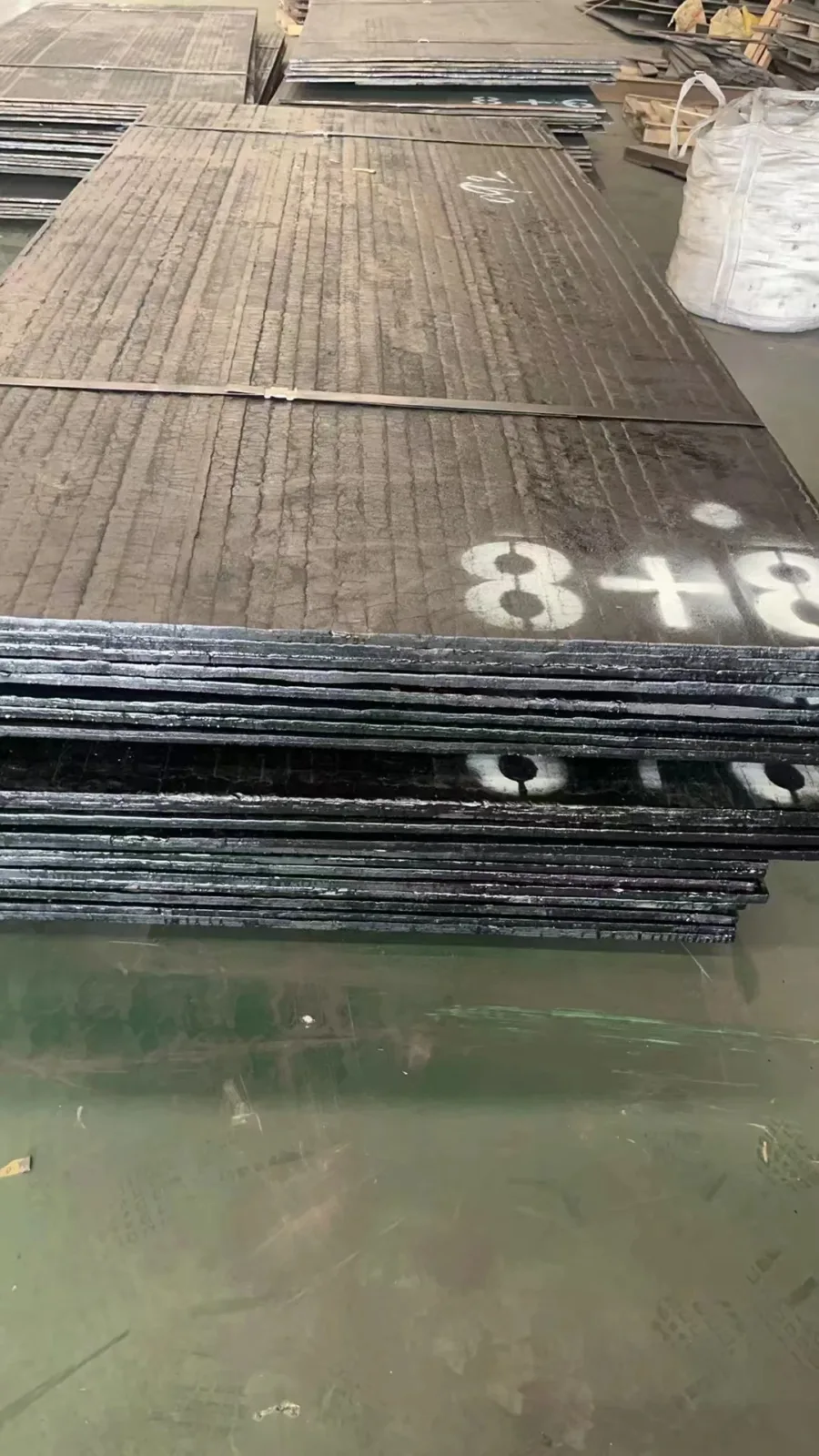
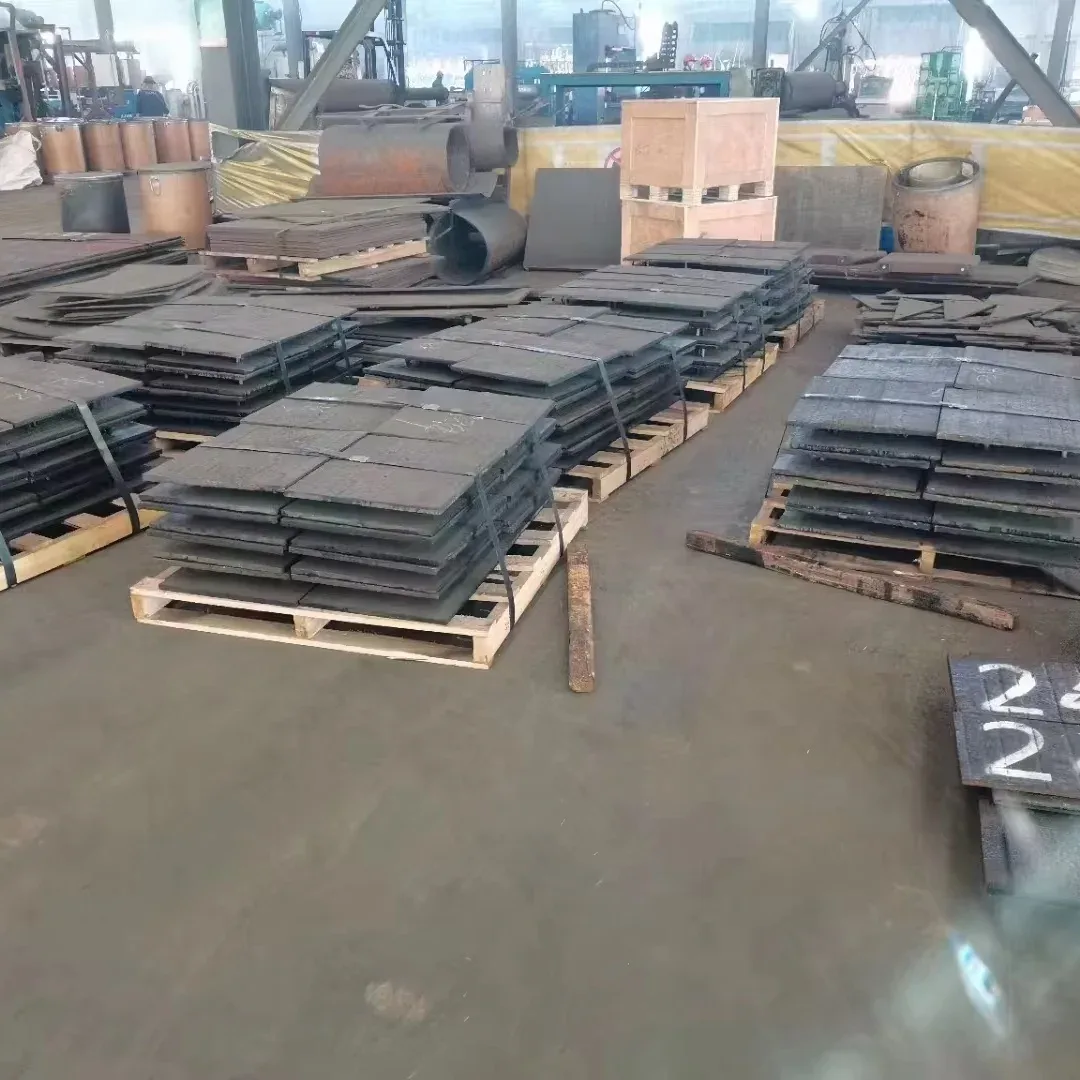
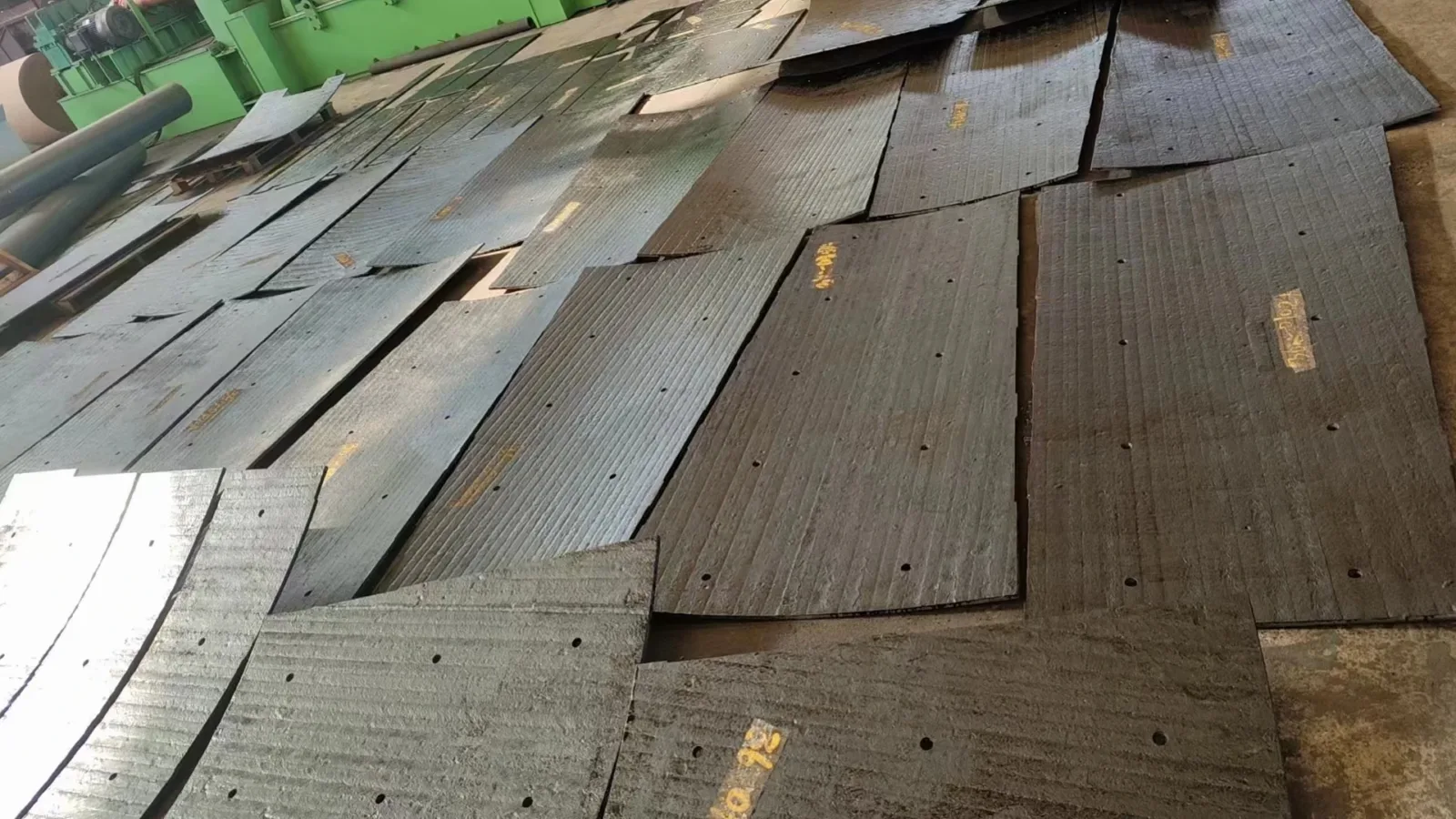
Description
Factory-Direct Pricing, No Middlemen — Every SS400 Q235 Q345 hot rolled carbon steel plate ships from our own production lines with in-house lab verification, cutting out trading markups.
Technical Specifications
| Parameter | Value |
|---|---|
| Designation | SS400/Q235/Q345 Hot Rolled Carbon Steel Plate |
| Product Type | Steel Plate |
| Steel Grade | SS400, Q235, Q345 |
| Standard | JIS G3101 (SS400), GB/T 700 (Q235), GB/T 1591 (Q345), ASTM, DIN |
| Section Shape | Tear Drop (Checker Plate) |
| Thickness | 1.2–2.0 mm |
| Technique | Hot Rolled |
| Surface Treatment | Hot Rolled |
| Application | Industrial flooring, structural fabrication, building construction, machinery base plates |
| Origin | China |
Application Suitability
| Industry | Typical Applications |
|---|---|
| EPC Contractors | Industrial plant walkways, platform grating, equipment access floors |
| Construction Companies | Building floor decks, staircase treads, loading dock surfaces |
| Machinery Manufacturers | Equipment base plates, vibration-damping foundations, machine housing floors |
| Infrastructure Developers | Bridge inspection walkways, utility platform cover plates |
Negative Tolerance on Thin Plates: Where 0.1 mm Costs You an Entire Shipment
A 1.5 mm tear drop plate arriving at 1.32 mm actual thickness will fail third-party inspection — and the entire container gets rejected at destination port.
When procurement teams order SS400 Q235 Q345 hot rolled carbon steel plate at thin gauges like 1.2–2.0 mm, the negative tolerance window is razor-thin. A mill running aggressive minus-tolerance to save yield weight can push actual thickness below the allowable deviation band, especially on checker plate where the tear drop pattern already complicates ultrasonic measurement. I have seen full shipments of thin-gauge flooring plate held at port for weeks because the buyer’s surveyor measured the base metal below the flat portion of the pattern and found it out of spec. The cost is not just the replacement material — it is crane idle time, delayed floor installation, and renegotiated contract penalties. [NEED_CITE: EN 10029 tolerance class for hot rolled steel plates]
How Tear Drop Pattern Meets Industrial Flooring Load Requirements
The tear drop configuration on SS400 Q235 Q345 hot rolled carbon steel plate serves a specific engineering function: the raised pattern provides slip resistance for wet or oily industrial environments without requiring secondary anti-slip coatings that wear off under foot traffic. At 1.2–2.0 mm thickness, these plates are typically used as walking surfaces over structural support grids rather than primary load-bearing members. The hot rolled process ensures the pattern is formed integrally with the base plate during rolling, not welded or stamped afterward, which preserves full cross-sectional integrity at the support points. For EPC contractors specifying industrial flooring across large plant areas, sourcing the correct pattern depth and base thickness together from one supplier eliminates the mismatch risk between anti-slip performance and structural deflection limits.
Engineering Compliance and Certification Pathways
Industrial flooring plates in SS400, Q235, and Q345 grades must satisfy different compliance frameworks depending on destination market. JIS G3101 governs SS400 for Japanese-spec projects common across Southeast Asia, while GB/T 700 and GB/T 1591 cover Q235 and Q345 respectively for projects following Chinese national standards. For EU-bound shipments, the plate chemistry and mechanical properties must be cross-referenced against EN 10025 structural steel requirements, and CE documentation becomes mandatory for customs clearance. [NEED_CITE: steel grade equivalence mapping between JIS GB and EN standards] Third-party inspection by SGS or BV before loading provides the independent verification that project owners and main contractors increasingly require, particularly when the plates will be welded into permanent structural connections on site.
Steel Grade Selection: SS400 vs Q235 vs Q345 for Your Project
SS400 under JIS G3101 and Q235 under GB/T 700 occupy roughly equivalent positions as general-purpose carbon structural grades — both deliver adequate formability and weldability for non-critical flooring and fabrication work. The meaningful step up comes with Q345 under GB/T 1591, which introduces higher yield strength through microalloying, making it the preferred choice when the plate must span longer distances between supports or carry heavier dynamic loads from machinery. Hot rolling at controlled temperatures ensures uniform grain structure across the plate width, which matters for consistent bending performance during on-site fabrication. The tear drop pattern does not reduce the effective load-bearing thickness — engineering calculations use the base metal dimension below the pattern, and our mill test certificates report chemistry and mechanical properties from that base section. [NEED_CITE: hot rolled checker plate load calculation methodology]
The Hidden Cost of Unverified Thin-Gauge Plate Procurement
Ordering SS400 Q235 Q345 hot rolled carbon steel plate without requiring original mill test certificates creates a cascade of downstream risks. Chemistry that deviates from the specified grade affects weldability — high carbon equivalents produce hard zones in the heat-affected zone that crack under field welding conditions. Thickness below the tolerance band reduces the section modulus of the flooring assembly, potentially triggering deflection failures under design loads that the structural engineer signed off on. When customs authorities at the destination port flag missing or inconsistent documentation, the container sits in bonded storage accruing demurrage charges daily. [NEED_CITE: consequences of missing mill test certificates in international steel trade]
Why Global Buyers Source This Plate From Our Mill
Every SS400 Q235 Q345 hot rolled carbon steel plate leaving our facility passes through our in-house physical and chemical laboratory before release — incoming raw slab chemistry is verified, rolling temperatures are logged, and finished plate thickness is measured at multiple points across the width. We hold CE certification under EN 10210/EN 10219 alongside ISO 9001:2015 registration, and our documentation package travels with every shipment so your project compliance files stay complete. With 2,800+ specifications across our full product range, we consolidate your plate requirements with any structural sections, pipes, or fabrication needs into a single shipment — reducing your coordination overhead and eliminating the risk of partial deliveries holding up floor installation. Our professional loading team optimizes container weight distribution for heavy plate cargo, and we handle FOB, CIF, and DDP logistics to 50+ countries with real-time tracking.
Documentation & Compliance
- Mill test certificate documenting SS400/Q235/Q345 chemical composition and mechanical properties per JIS G3101, GB/T 700, and GB/T 1591 respectively
- CE certificate confirming compliance with EN 10210/EN 10219 for EU market customs clearance
- ISO 9001:2015 quality management system certificate covering the full hot rolled plate production process
- SGS or BV third-party inspection report verifying thickness, surface quality, and dimensional tolerance before loading
- Material traceability by heat number linking each plate to its original slab chemistry and rolling records
- Complete customs documentation package including packing list, bill of lading, and certificate of origin
Packaging, Loading & Delivery
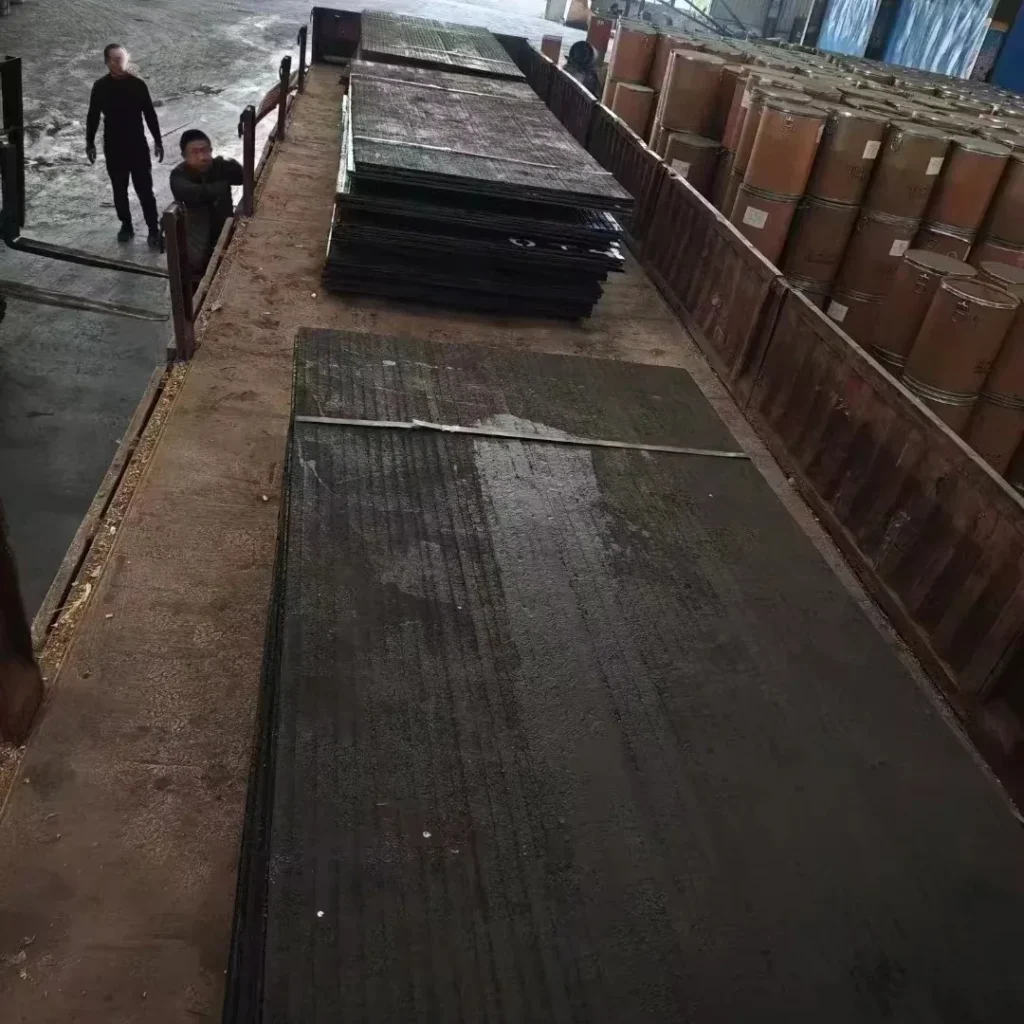
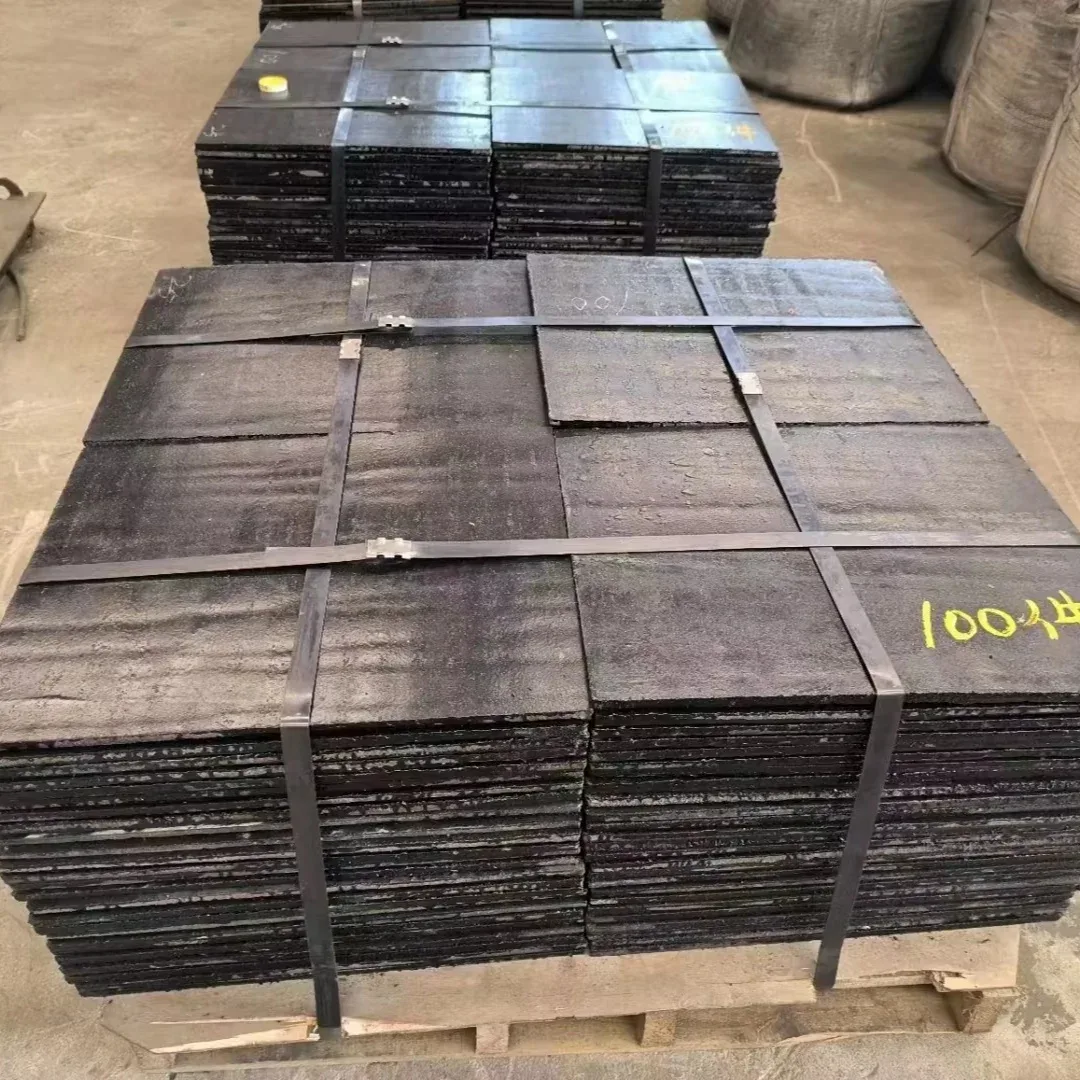
- Hot rolled tear drop plates bundled with steel strips and edge protectors to prevent pattern damage during ocean transit
- Light oil coating applied to plate surfaces for rust prevention during storage and shipping, compatible with subsequent painting or welding
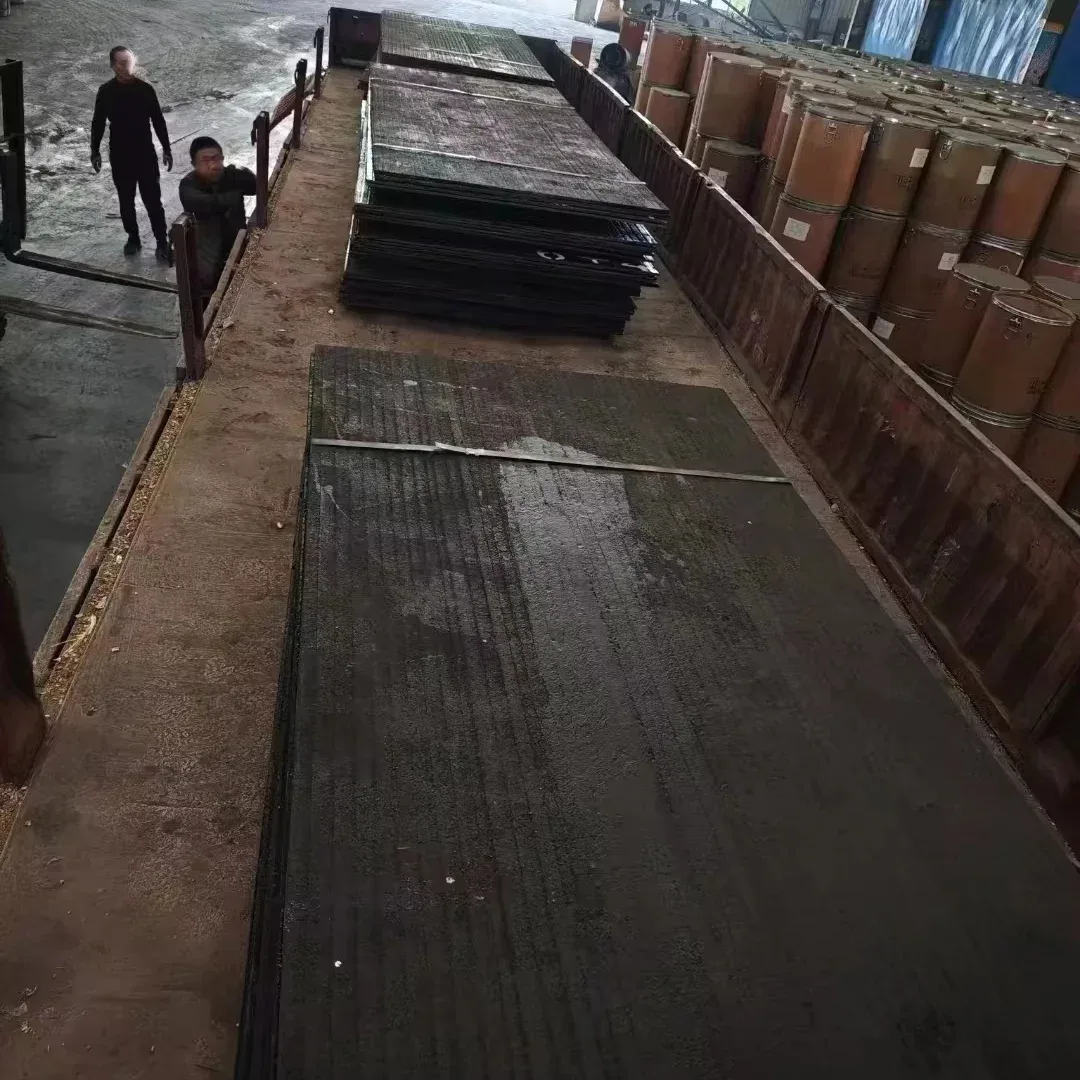
- Container loading optimized for 1.2–2.0 mm thin plate to maximize weight utilization while preventing bundle shifting
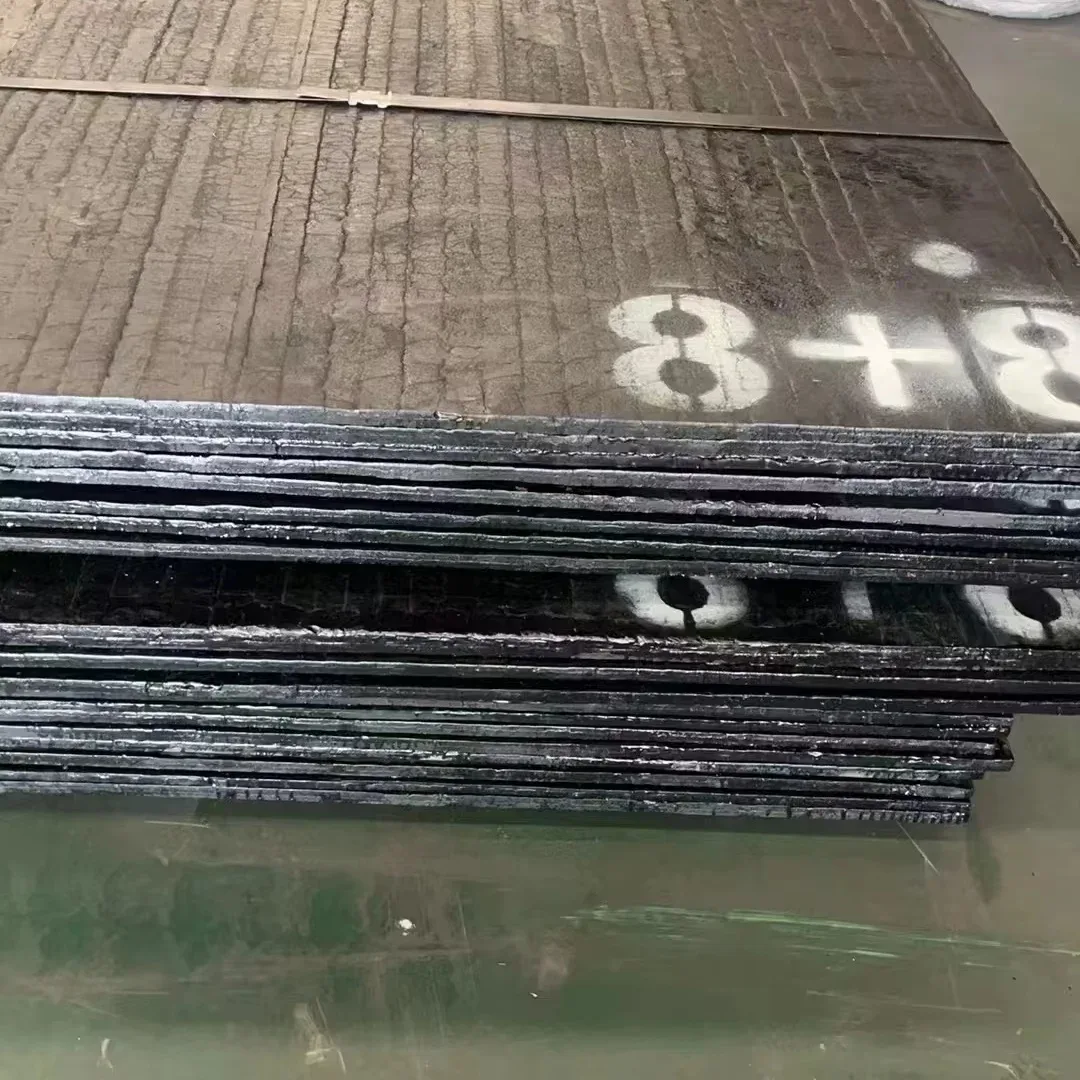
- Heat number and steel grade stenciled on each plate surface for on-site identification and traceability verification
- FOB, CIF, and DDP shipping terms available with professional port coordination and door-to-door logistics to 50+ countries
- Custom cutting to project-specific dimensions available before shipment to reduce on-site waste and handling
Start Your Procurement With Verified Documentation
Submit your SS400 Q235 Q345 hot rolled carbon steel plate requirements including thickness, quantity, steel grade preference, and destination port — we respond within 12 hours with a detailed quotation, applicable certifications, and typical production lead times. Request material samples and original mill test certificates before committing, and confirm any custom cutting or non-standard dimension needs at the inquiry stage so we can lock production scheduling.
Get Your Quote With Full Mill Test Certification
Send your specifications, quantity, and destination to receive pricing and documentation details within 12 hours.
Shandong Xin Jiyuan Special Steel Tube Co., Ltd
Tel: +86 531 8573 6315
Mobile/WhatsApp/WeChat: +86 188 5315 7756
Email: admin@sdxjysteel.com
Website: www.sdxjysteel.com
Frequently Asked Questions
Q: What is the difference between SS400, Q235, and Q345 for checker plate applications?
A: SS400 (JIS G3101) and Q235 (GB/T 700) are equivalent general-purpose structural grades suitable for standard industrial flooring and non-critical fabrication. Q345 (GB/T 1591) offers higher yield strength through microalloying, making it appropriate for longer spans or heavier dynamic loads from machinery.
Q: Can you provide third-party inspection before shipment?
A: Yes. SGS and BV third-party inspections are available for every shipment. The inspection covers dimensional tolerance, surface quality, chemistry verification, and mechanical property testing, with the full report included in your documentation package.
Q: What is the negative tolerance policy for 1.2–2.0 mm hot rolled plate?
A: Thickness tolerance follows the applicable standard specification for the ordered grade. Our in-house laboratory measures actual thickness at multiple points across each plate before release, and the mill test certificate reports the measured values so you can verify compliance before the shipment leaves our facility.
Q: Do you offer custom cutting for tear drop checker plate?
A: Yes. Plate cutting and laser cutting services are available to your project-specific dimensions before shipment. This reduces on-site waste, handling costs, and installation time for large flooring areas.
Q: What certifications are included for EU customs clearance?
A: EU-bound shipments include CE certification per EN 10210/EN 10219, original mill test certificates, and complete customs documentation. The CE certificate ensures compliance with European structural steel requirements and prevents customs delays at destination ports.