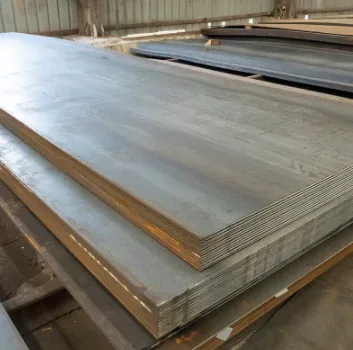
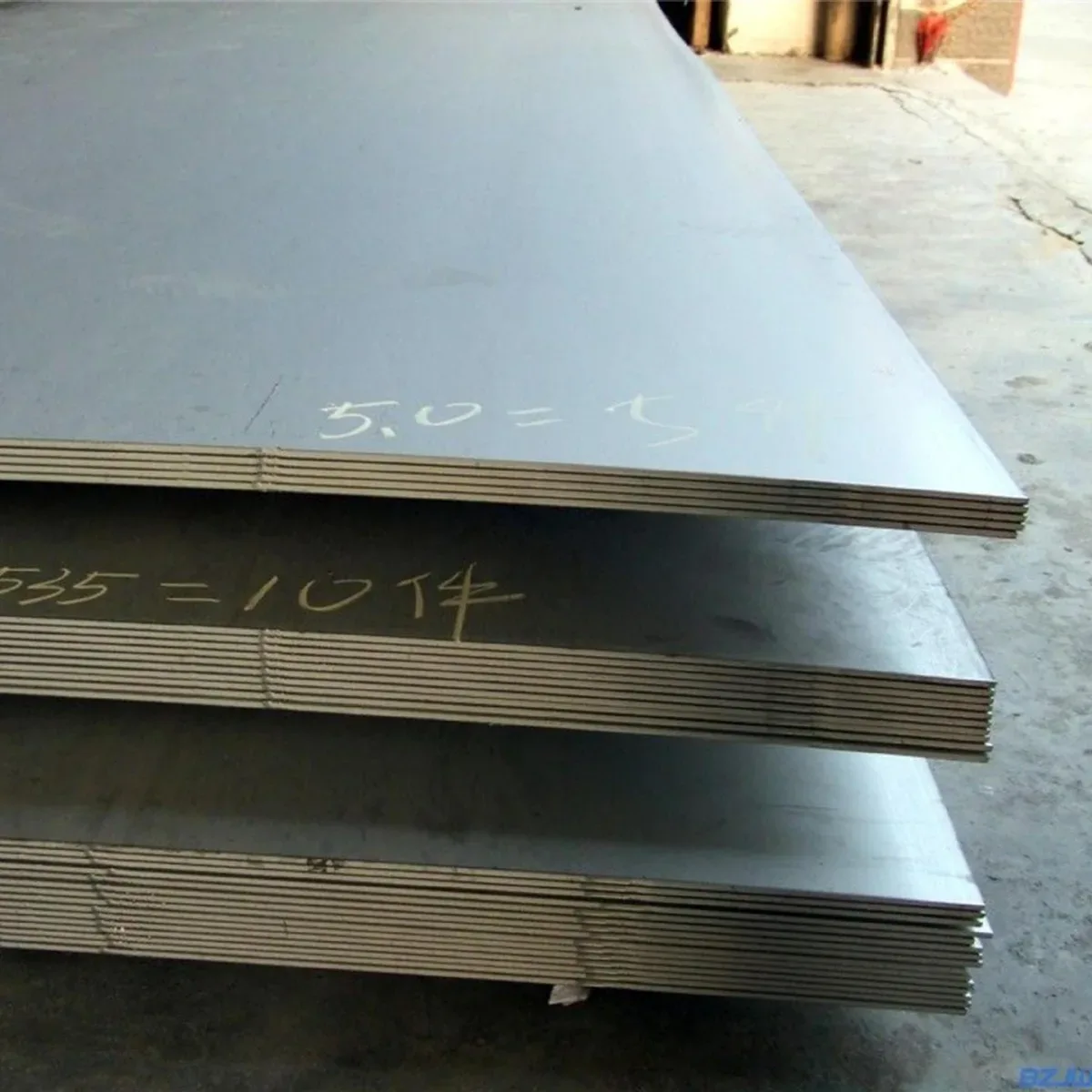
Description
Factory-direct pricing with no middlemen — every Q690 wear resistant steel plate rolls off our hot-rolled lines with original mill test certificates, shipped straight from Jinan to your project site.
Technical Specifications
| Parameter | Value |
|---|---|
| Designation | Q690 Wear Resistant Steel Plate |
| Product Type | Steel Plate |
| Steel Grade | Q690, Q235, AR400 |
| Standard | ASTM, DIN, AISI |
| Technique | Hot Rolled |
| Surface Treatment | Hot Rolled |
| Tolerance | ±1% |
| Application | Construction, Petrochemical, Machinery, Shipbuilding, Cutting, Bending, Welding |
Application Suitability
| Industry | Typical Applications |
|---|---|
| Construction | Load-bearing frames, heavy-duty scaffolding, bridge gusset plates |
| Petrochemical | Pressure vessel shells, pipeline support brackets, tank base plates |
| Machinery | Excavator bucket liners, crusher jaw plates, conveyor drum housings |
| Shipbuilding | Hull reinforcement plates, deck stiffeners, bulkhead structural members |
What Hidden Costs Lurk When Wear Resistance Claims Don’t Match Mill Reports
A plate stamped AR400 that tests at 350 HB will crack under impact long before the warranty period ends.
I have watched entire container loads of wear-resistant plate get rejected at destination ports because the hardness values on the supplier’s invoice bore no resemblance to the SGS recheck results. The miner waited two weeks for replacement stock while the crusher sat idle — every hour of downtime costing far more than the steel itself. When you source a Q690 wear resistant steel plate supplier without verified mill test certificates, you inherit the risk of inconsistent chemical composition, unclear grade traceability, and dimensional tolerance drift that compounds during cutting and welding. [NEED_CITE: hardness testing standards for wear-resistant steel plates per ASTM A370]
How Hot-Rolled Q690 Plates Perform Under Structural and Abrasive Loads
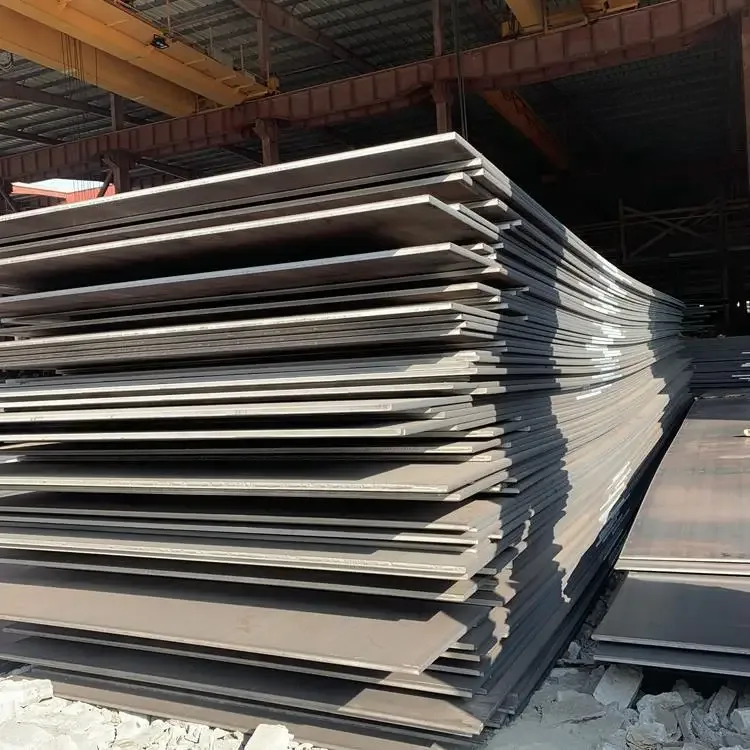
Hot-rolled Q690 plates deliver the combination of high yield strength and through-thickness hardness that machinery and construction engineers demand. The hot-rolling process refines the grain structure, producing a plate that resists both abrasive wear and impact fatigue — critical for excavator buckets and crusher components. With ±1% dimensional tolerance, these plates hold their specifications through CNC cutting and bending operations, reducing secondary machining waste. As a Q690 wear resistant steel plate supplier, we roll each batch to order and verify hardness and composition in our in-house laboratory before release.
Meeting Engineering Codes and Customs Requirements Across Markets
Structural applications in the EU require CE certification under EN 10210/10219, while North American projects specify ASTM compliance — a Q690 wear resistant steel plate supplier must provide documentation that satisfies both frameworks. Corrosion-prone environments in petrochemical and marine settings demand clear surface treatment records; hot-rolled plates ship with mill-scale intact, which serves as a short-term barrier but requires proper blast-and-prime preparation before final coating. Shipbuilding projects additionally classify plate under surveyor supervision, meaning the mill test certificate must trace every plate back to its heat number. [NEED_CITE: CE marking requirements for structural steel plates under EN 10204 Type 3.1]
Understanding Q690, AR400, and Q235 — When Each Grade Earns Its Place
Q690 belongs to China’s high-strength low-alloy series, delivering significantly higher yield strength than Q235, which makes it the preferred choice for heavy-load structural members and wear-critical machinery parts. AR400 follows the American Brinell hardness naming convention, indicating a minimum surface hardness of 400 HB — widely specified for mining and aggregate processing equipment where abrasion resistance is the primary design criterion. Q235, by contrast, is a mild carbon steel suited for general fabrication where formability and weldability matter more than surface hardness. The hot-rolling process applies to all three grades, producing a scale-covered surface that is cost-effective for indoor or coated applications; if the project demands corrosion resistance, galvanized or painted finishes can be applied downstream. Tolerance control at ±1% ensures that theoretical weight calculations match actual delivered weight closely, preventing disputes over short-weight claims. [NEED_CITE: steel grade equivalence mapping between GB/T, ASTM, and EN systems]
The Real Price of Buying Wear Plate Without Verified Hardness Data
Specifying Q690 or AR400 on a purchase order means nothing if the delivered plate cannot prove its hardness through an independent test report. Projects that accept plates without third-party inspection risk structural rejection during final audit — engineers signing off on load-bearing frames need traceable chemistry and mechanical data, not supplier self-declarations. Customs authorities in the EU and Middle East increasingly hold steel shipments lacking proper CE or SGS documentation, turning a routine delivery into a weeks-long demurrage situation. [NEED_CITE: import compliance requirements for structural steel in EU and GCC markets]
Why Procurement Teams Choose Our Mill for Wear-Resistant Plate
We operate three dedicated production lines in Jinan with in-house physical and chemical laboratories — every Q690 wear resistant steel plate is tested for hardness, tensile properties, and chemical composition before it leaves the facility. Our mill holds ISO 9001:2015 certification, Lloyd’s Register EU CE approval, and Singapore FPC status, with SGS and BV verification available on request. We stock over 2,800 specifications across our product range and hold 41 invention patents, including proprietary sharp-corner rectangular tube technology. As a designated supplier for multiple state-owned and listed enterprises, we export to 50+ countries with professional loading plans that optimize container utilization for heavy plate shipments. Custom non-standard thicknesses and cut-to-length sizes are available with typical production lead times, and our international team handles full documentation packages from mill certificates to door-to-door logistics coordination.
Documentation & Compliance
- Mill Test Certificate documenting Q690 chemical composition (C, Mn, Si, Cr, Mo) and hardness values per hot-rolled plate standards
- CE certificate confirming compliance with EN 10210/10219 for structural steel plate applications in European markets
- ISO 9001:2015 quality management system certificate covering the full production and inspection process
- SGS or BV third-party inspection report verifying hardness, dimensional tolerance, and surface quality before shipment
- Full material traceability linking each Q690 plate to its heat number, rolling batch, and test results
- Complete customs document package including packing list, Bill of Lading, and Certificate of Origin for destination clearance
Packaging, Loading & Delivery
- Hot-rolled Q690 and AR400 plates bundled with high-tensile steel strips and edge protectors to prevent surface scoring during ocean transit
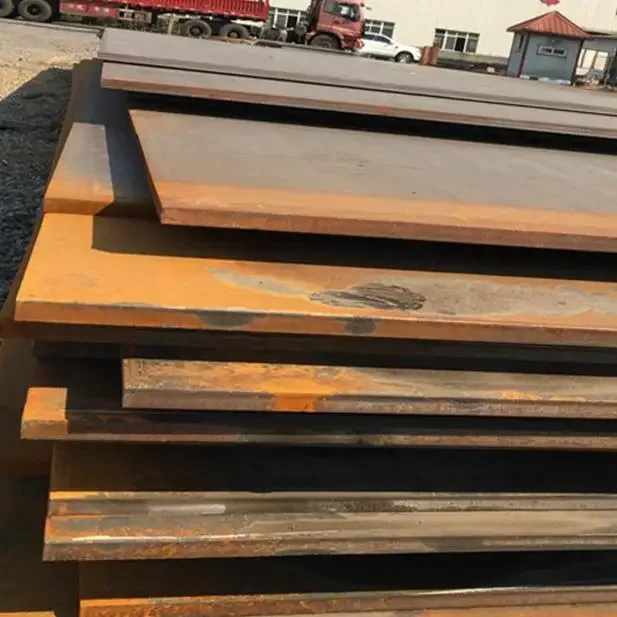
- Mill-scale surface retained as shipped; optional oiled coating available for plates destined for humid climates or extended storage
- Container loading plans optimized for heavy plate dimensions, maximizing payload per 20ft and 40ft units while maintaining weight distribution
- Cut-to-length service available for Q235 and Q690 plates, with dimensional accuracy held within ±1% tolerance after processing
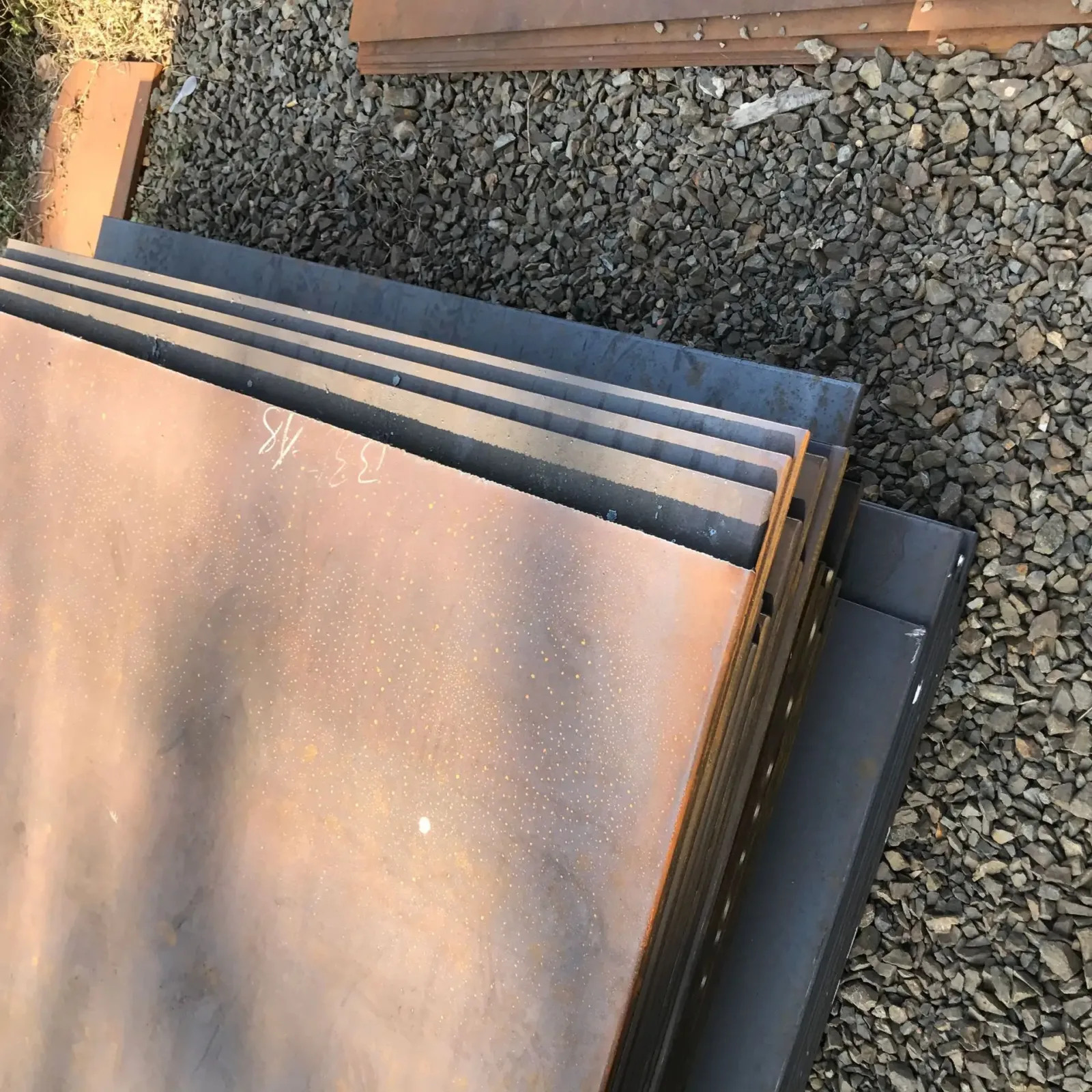
- Each plate marked with heat number, steel grade, and dimensional specifications for on-site identification and traceability
- Shipping terms available include FOB, CIF, and DDP to 50+ countries with real-time tracking and professional port coordination
Getting Your Wear Plate Quote Right the First Time
Send your specifications — steel grade (Q690, AR400, or Q235), dimensions, quantity, and destination port — and receive a detailed quotation including unit pricing, production timeline, applicable certifications, and payment terms within 12 hours. We can also provide material samples and original mill test certificates for your quality team’s review before contract signing.
Request Your Q690 Wear Resistant Steel Plate Quotation
Submit your specifications via email at admin@sdxjysteel.com or contact us on WhatsApp at +86 188 5315 7756 to receive pricing, mill test certificates, and delivery schedules.
Frequently Asked Questions
Q: What is the difference between Q690, AR400, and Q235 for wear-resistant applications?
A: Q690 is a high-strength low-alloy grade offering superior yield strength for structural and heavy-load applications. AR400 is designated by Brinell hardness, making it the standard choice for abrasion-prone equipment like crusher liners and excavator buckets. Q235 is a mild carbon steel suited for general fabrication where weldability and formability take priority over surface hardness.
Q: Can you provide third-party inspection reports for Q690 plates?
A: Yes. We arrange SGS or BV inspection at our facility before shipment. The inspection covers hardness testing, dimensional verification, surface quality, and chemical composition analysis. The full report is included in your shipping documentation package.
Q: What certifications do your hot-rolled steel plates carry?
A: Our plates are produced under ISO 9001:2015 quality management. We hold CE certification under EN 10210/10219 for European market compliance, Singapore FPC certification, and can provide mill test certificates conforming to ASTM, DIN, and AISI standards as specified in your order.
Q: Do you offer custom thickness and cut-to-length services for wear-resistant plates?
A: Yes. We provide cut-to-length and custom non-standard thickness options for Q690, AR400, and Q235 plates. Dimensional tolerance is maintained at ±1%. Contact us with your drawing or specification sheet for a custom quotation.
Q: What are your delivery terms and which countries do you ship to?
A: We offer FOB, CIF, and DDP shipping terms to 50+ countries across the EU, North America, Southeast Asia, Middle East, and South America. Professional loading plans optimize container utilization for heavy plate shipments, and real-time tracking is provided throughout transit.