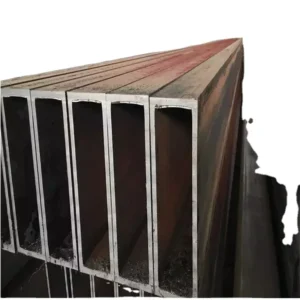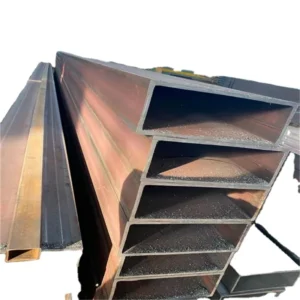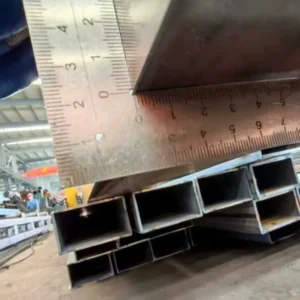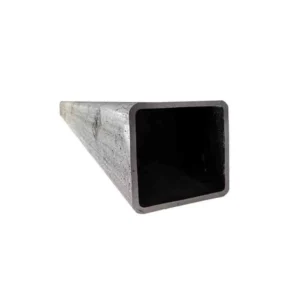
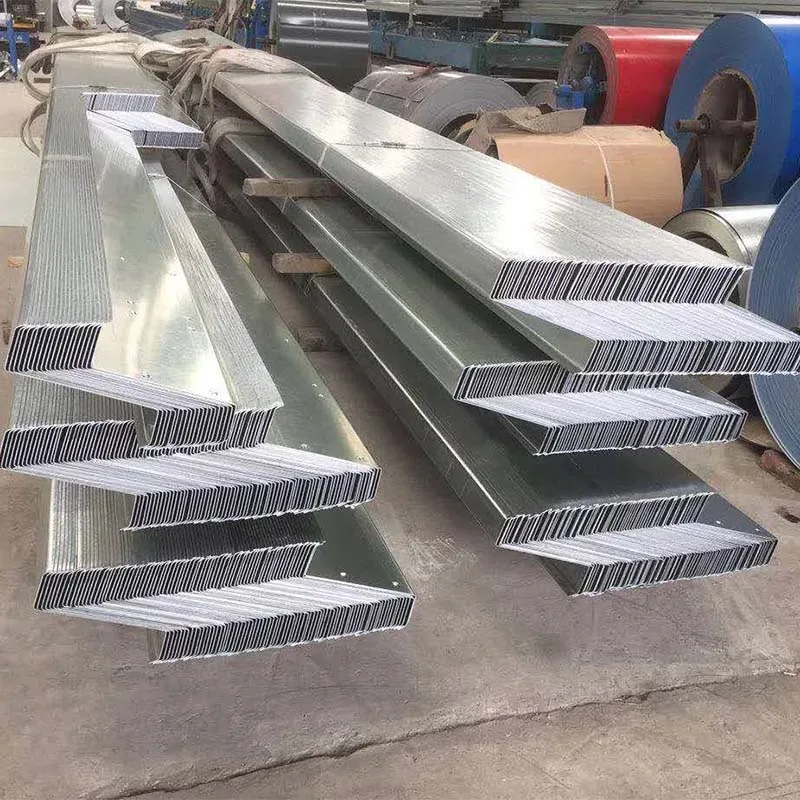
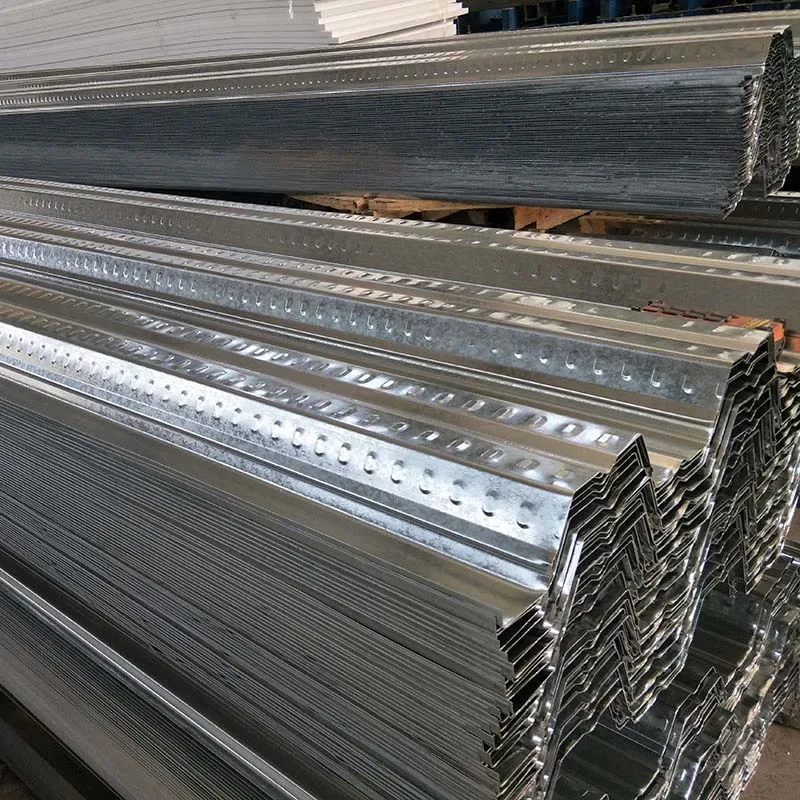
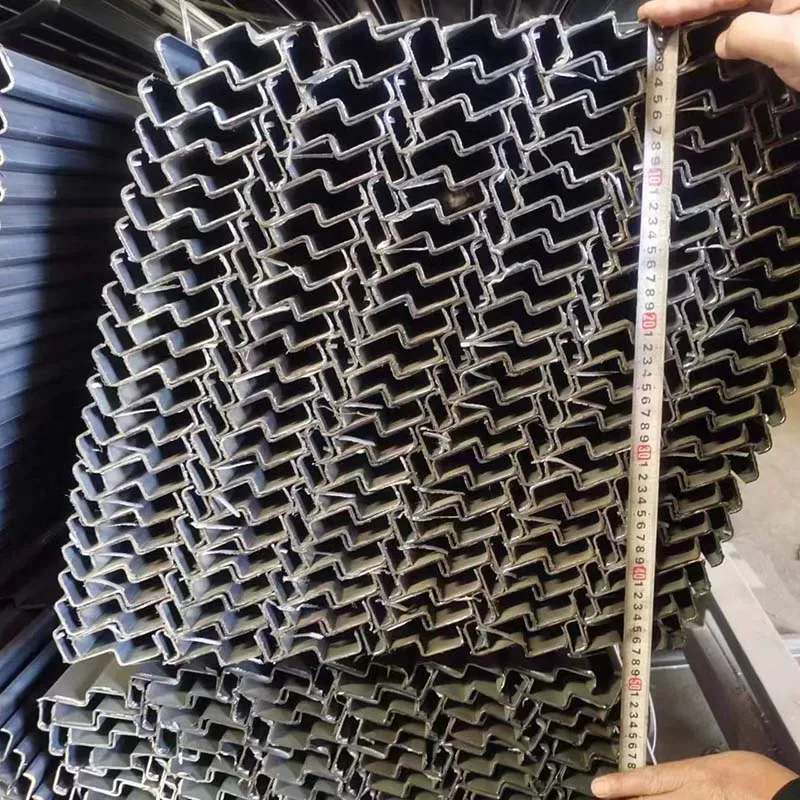

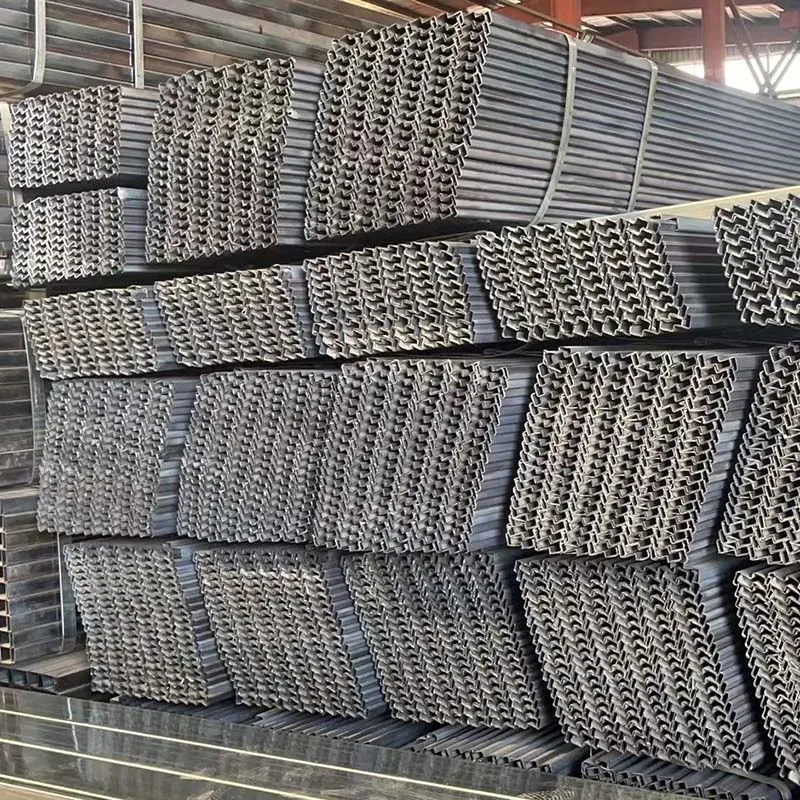
Description
Factory-direct pricing with no intermediaries — Q235B Z section steel channels produced on dedicated lines with in-house lab verification and full CE/ISO documentation for EU project compliance.
Technical Specifications
| Parameter | Value |
|---|---|
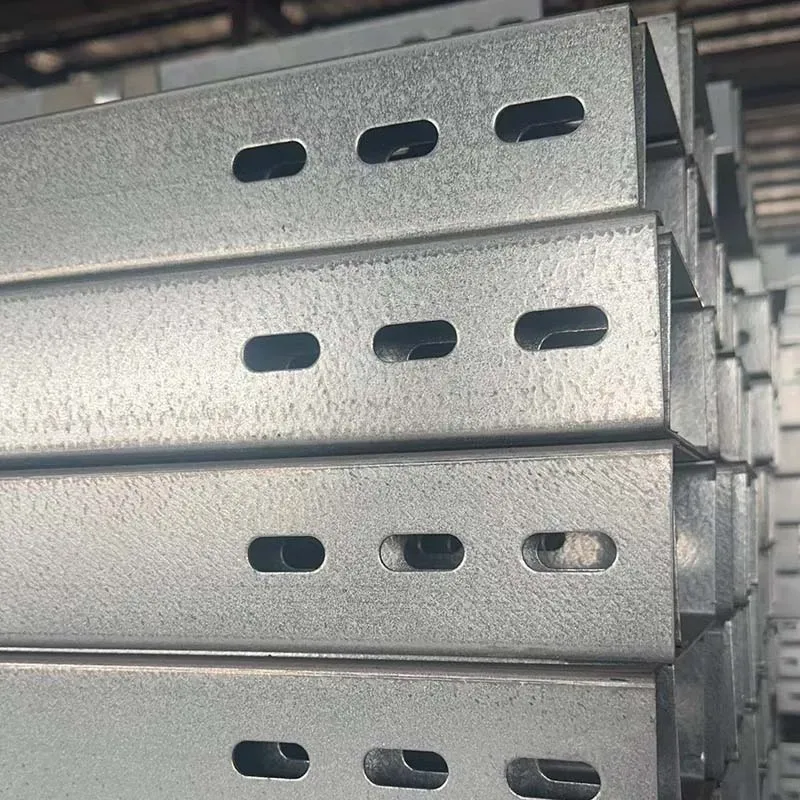
| Designation | Q235B Z Section Steel |
| Product Type | Z Section Steel (Z Channel) |
| Steel Grade | Q195, Q235, Q235B, Q345B, SS400, S235JR |
| Standard | EN 10147, EN 10142, DIN 17162, JIS G3302, ASTM A653 |
| Section Shape | Z section (also available in C section and U section) |
| Thickness | 0.6 – 40 mm |
| Length | 6m / 9m / 12m or customized |
| Technique | Hot rolled / Cold rolled / Galvanized |
| Surface Treatment | Hot Rolled / Galvanized |
| Tolerance | ±1% – ±5% |
| Processing Service | Welding, Cutting |
| Invoicing | By Theoretical Weight |
| Application | Building structures, beams, bridges, transmission towers, lifting and transportation machinery, ships, industrial furnaces, reaction towers, container racks, warehouse shelves |
| Origin | Shandong, China |
Application Suitability
| Industry | Typical Applications |
|---|---|
| EPC Contractors & Construction | Transmission tower cross-arms, bridge purlin systems, portal frame building structures |
| Industrial & Logistics | Container rack uprights, warehouse mezzanine shelving supports, reaction tower framing |
| Machinery & Infrastructure | Lifting machinery boom sections, transport vehicle chassis rails, ship deck stiffeners |
| Energy & Utilities | Solar panel mounting rails, substation equipment support frames, furnace structural bracing |
Where Negative Tolerance on Galvanized Z Channels Triggers Site Rejection
Dimensional deviation beyond ±1% on thickness can void structural calculations and halt project acceptance.
When a European EPC contractor ordered customized galvanized Z section steel channel for a warehouse purlin system, the third-party inspector at Hamburg port rejected the entire shipment because wall thickness fell below the EN 10147 minimum by 0.3mm across multiple pieces. The mill had invoiced by theoretical weight — meaning the buyer paid for material that physically was not there. This is not an isolated failure. Fragmented sourcing from multiple section steel suppliers means inconsistent tolerance practices, missing chemical traceability, and certificates that do not match the heat number on the steel. For project engineers, the cost is not just the rejected cargo — it is delayed erection schedules, re-procurement at spot prices, and potential structural recalculation. [NEED_CITE: EN 10147 tolerance requirements for cold-formed steel sections]
Matching Z/C/U Profiles to Structural Load Paths and Corrosion Zones
Customized galvanized Z section steel channel in Q235B and Q345B grades serves as primary purlin and girt members in portal frame construction, where the Z-profile’s asymmetrical geometry allows continuous lap-joint overlap across roof slopes — eliminating thermal bridges and reducing fastener count. For transmission tower applications, hot rolled Z channels in 12–40mm thickness provide the section modulus needed for cross-arm bracing under wind and ice loading. In coastal or industrial corrosion environments, galvanized surface treatment extends service life without field painting, which is critical for warehouse shelves and container racks where maintenance access is limited.
Engineering Compliance: Load Certification and Surface Durability
Structural use of Z section steel in EU markets requires conformity with EN 1993-1-3 for cold-formed members, and the mill test certificate must document yield strength, tensile strength, and elongation per EN 10204 3.1. For projects in North America, ASTM A653 galvanized coatings must meet coating mass class requirements (G60, G90, etc.) to satisfy corrosion resistance specifications. The choice between hot rolled and galvanized finish depends on the exposure environment — hot rolled suits interior structural bracing where painting follows, while galvanized is mandatory for outdoor transmission towers and marine-adjacent infrastructure. Dimensional tolerance of ±1% to ±5% must be verified against the project’s structural calculation assumptions, as even minor thickness reduction affects the section modulus and load-bearing capacity. [NEED_CITE: EN 1993-1-3 design rules for cold-formed steel sections]
Steel Grade Equivalence and Surface Treatment Selection
The Q-series (Q195, Q235, Q235B, Q345B) follows the Chinese GB/T 700 standard, where the number indicates minimum yield strength in MPa. Q235B is the most widely specified grade for general structural Z channels, offering a balance of formability and strength. For projects requiring EN or JIS equivalence, S235JR (EN 10025) and SS400 (JIS G3101) are direct alternatives with comparable mechanical properties. The hot rolled process produces Z channels with thicker section capacity (up to 40mm) suitable for heavy-duty bracing, while cold rolled profiles achieve tighter dimensional tolerance and smoother surface finish for architectural applications. Galvanized coating — applied by hot-dip process — provides sacrificial zinc protection; coating thickness typically ranges from Z60 to Z275 depending on the corrosion environment specified by the project engineer.
Hidden Costs of Unverified Section Steel Procurement
Ordering Z channels without independent mill test certificates creates a cascade of downstream failures: customs authorities in the EU may detain shipments lacking CE EN 10210/10219 documentation, project inspectors reject material whose heat number does not match the certificate, and structural engineers cannot sign off on load calculations without verified mechanical properties. Negative tolerance abuse — where actual thickness falls below the nominal value — inflates theoretical weight invoicing while reducing the section’s moment of inertia, potentially compromising structural safety under design loads. [NEED_CITE: consequences of tolerance deviation in cold-formed steel construction]
Why Procurement Teams Consolidate Section Steel Orders Here
This facility operates three dedicated production lines covering over 2,800 specifications in Z, C, and U section profiles, with thickness capability from 0.6mm to 40mm — eliminating the need to source standard and non-standard channels from separate suppliers. The in-house physical and chemical laboratory performs incoming raw material inspection, in-process dimensional checks, and final mechanical testing before shipment, ensuring every heat number on the steel matches the mill test certificate. Production holds CE certification under EN 10210/10219, ISO 9001:2015 quality management, and Singapore FPC — documents that clear EU and Southeast Asian customs without delay. Custom non-standard lengths (6m, 9m, 12m, or cut-to-size) and welding/cutting processing services reduce on-site fabrication time for EPC contractors. Exports to 50+ countries include full documentation packages — mill certificates, packing lists, bills of lading, and certificates of origin — prepared by an international trade team with nearly 20 years of steel export experience.
Documentation & Compliance
- Mill test certificate documenting Q235B chemical composition (C, Mn, Si, P, S) and mechanical properties (yield strength, tensile strength, elongation) per EN 10204 3.1
- CE certificate confirming conformity with EN 10210/EN 10219 for hot-finished and cold-formed structural hollow sections
- ISO 9001:2015 quality management system certificate covering production and inspection processes
- SGS or BV third-party inspection report available upon request for pre-shipment dimensional and coating verification
- Material traceability by heat number linking each bundle to its original mill test certificate and chemical analysis
- Customs documentation package including packing list, bill of lading, and certificate of origin for EU and Southeast Asian import clearance
Packaging, Loading & Delivery
- Galvanized Z channels bundled with steel strips and edge protectors to preserve zinc coating integrity during ocean transit and prevent edge damage
- Hot rolled Z sections packed in seaworthy bundles with waterproof wrapping for 6m/9m/12m lengths, optimized for 20ft and 40ft container loading
- Custom cut-to-size Z channels individually labeled with heat number, steel grade (Q235B/Q345B/S235JR), and dimensional specifications
- Container loading plans prepared by logistics team to maximize weight utilization for heavy-gauge Z channels (20–40mm thickness) while respecting port weight restrictions
- FOB, CIF, and DDP shipping terms available with real-time tracking and door-to-door delivery to project sites across 50+ countries
Submit Specifications for Mill Test Certificate and Quotation
Engineering procurement teams can initiate the process by submitting Z channel dimensions (flange width, web height, thickness), steel grade (Q235B, Q345B, S235JR, SS400), quantity, and destination port — the team responds within 12 hours with a detailed quotation including unit price, delivery time, payment terms, and applicable certification scope. For non-standard profiles or custom lengths outside the 6m/9m/12m range, the engineering team provides feasibility confirmation and tooling requirements before production commitment.
Frequently Asked Questions
Q: How do Q235B, S235JR, and SS400 compare across GB/EN/JIS standards?
A: These grades represent equivalent structural steel specifications across different national standards — Q235B (Chinese GB/T 700), S235JR (European EN 10025), and SS400 (Japanese JIS G3101) all offer minimum yield strength in the 235 MPa range and are interchangeable for general structural Z channel applications, provided the mill test certificate confirms chemical composition and mechanical properties meet the specified standard.
Q: Can you produce Z channels to non-standard thickness and length?
A: Yes, the production lines cover thickness from 0.6mm to 40mm and can produce custom lengths beyond the standard 6m/9m/12m range. Non-standard profiles require engineering confirmation of tooling availability and minimum order quantity before production commitment.
Q: When should I specify galvanized versus hot rolled surface treatment?
A: Galvanized Z channels are required for outdoor or corrosion-prone environments — transmission towers, coastal infrastructure, warehouse roofing systems — where field painting is impractical. Hot rolled Z channels suit interior structural applications where painting or fireproofing follows installation, offering lower material cost without corrosion protection requirements.
Q: Do your CE and mill certificates meet EU import and project compliance?
A: Production holds CE certification under EN 10210/10219, and mill test certificates are issued per EN 10204 3.1 format, documenting chemical composition and mechanical properties by heat number. These documents satisfy EU customs clearance requirements and structural project acceptance standards across member states.
Q: How is invoicing by theoretical weight calculated, and what tolerances apply?
A: Theoretical weight is calculated from nominal dimensions (flange width, web height, thickness, length) using standard steel density. Dimensional tolerance ranges from ±1% to ±5% depending on the production process and section size. The mill test certificate and pre-shipment inspection report confirm actual dimensions fall within the specified tolerance band.
Request Your Z Channel Quotation with Full Certification Package
Submit your Z section steel specifications — dimensions, steel grade, quantity, and destination — to receive a detailed quotation, mill test certificate sample, and delivery timeline within 12 hours.
Shandong Xin Jiyuan Special Steel Tube Co., Ltd
Website: www.sdxjysteel.com
Tel: +86 531 8573 6315
Mobile/WhatsApp/WeChat: +86 188 5315 7756
Email: admin@sdxjysteel.com
Address: No.11889, Jingshi West Road, Lulian Group, Jinan City, Shandong Province, China