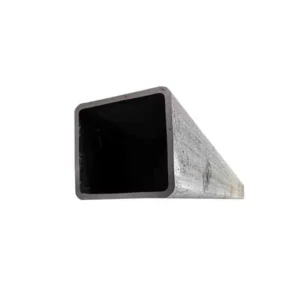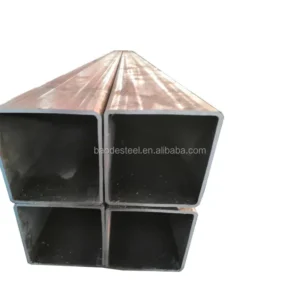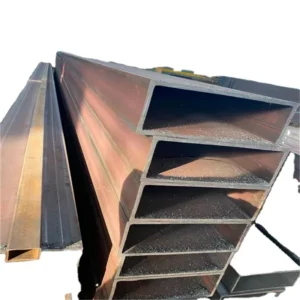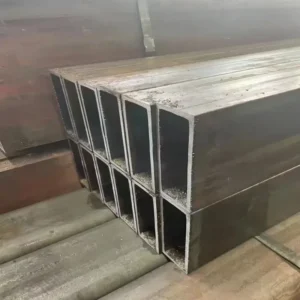
Description
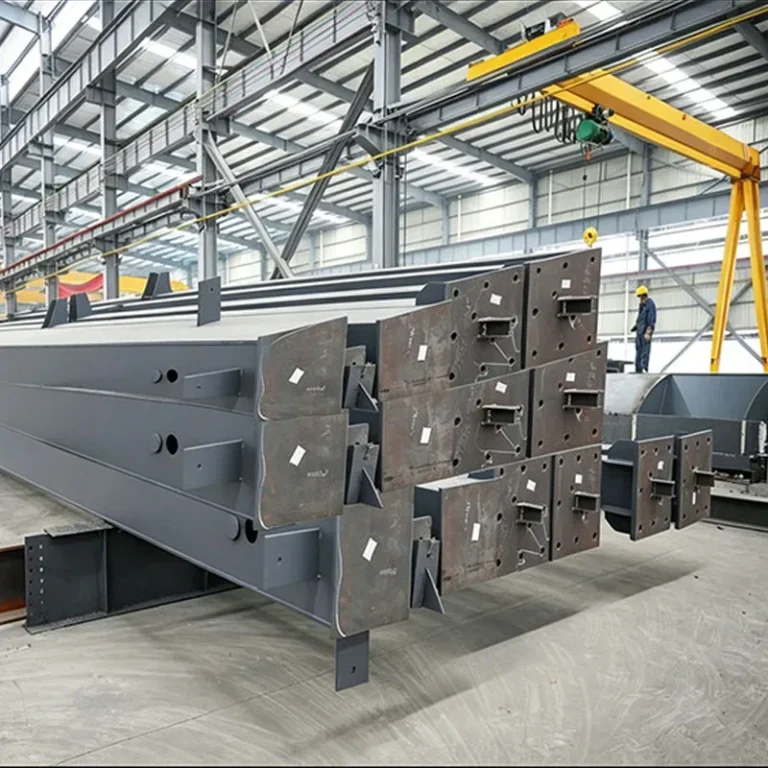
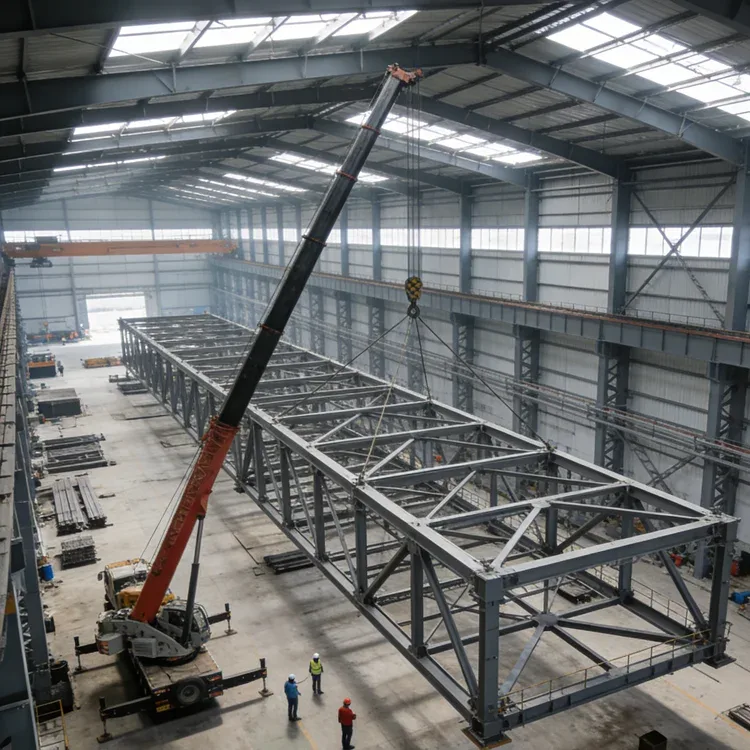
Factory-direct custom fabrication — Q235 and Q345 structural steel parts processed from drawing to finished assembly under one roof, eliminating the coordination gaps that arise when cutting, welding, and surface treatment are split across multiple vendors.
Technical Specifications
| Parameter | Value |
|---|---|
| Designation | Custom Structural Steel Fabrication Parts |
| Product Type | Fabricated Steel Structure / Machined Steel Product |
| Steel Grade | Q235, Q345 (Carbon Steel); Stainless Steel, Aluminum, Copper |
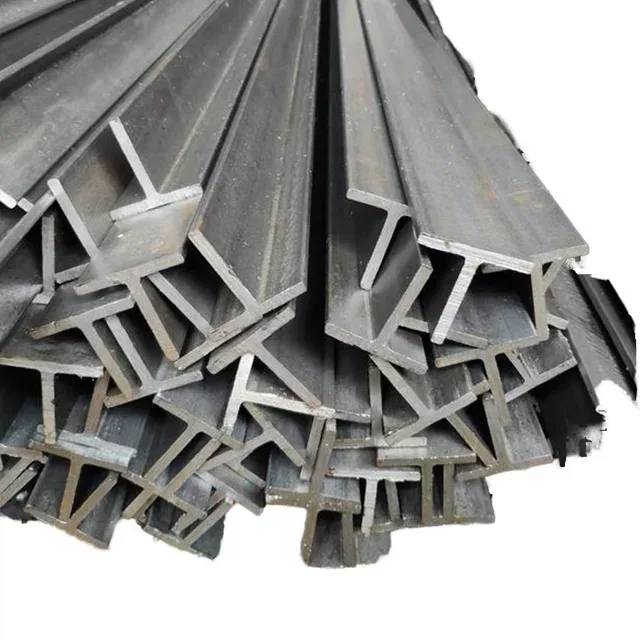
| Section Shape | Customized According to Drawings |
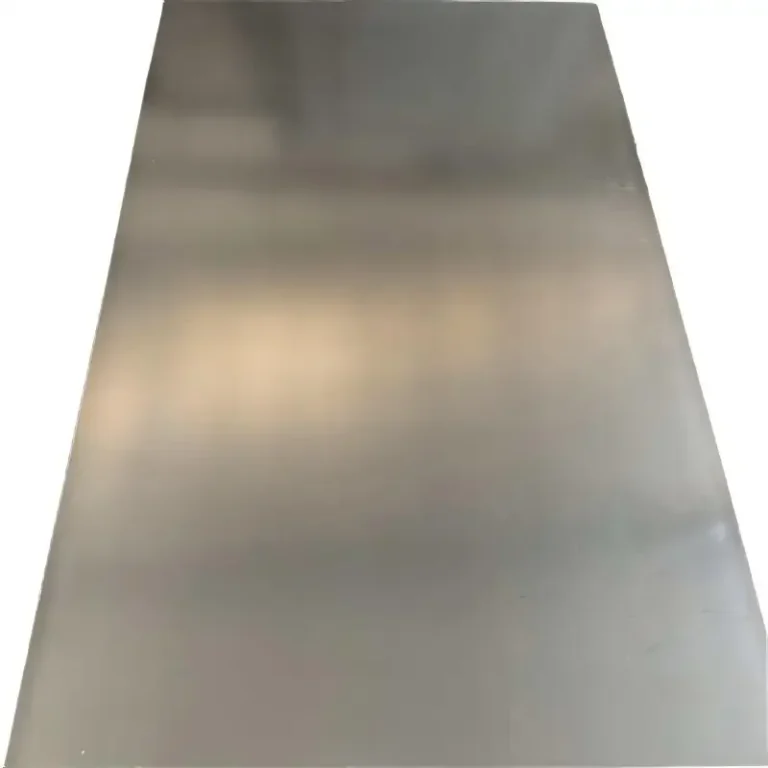
| Thickness | 0.5–30 mm |
| Length | 6 m (Sheet) / 9 m (Hollow Section) |
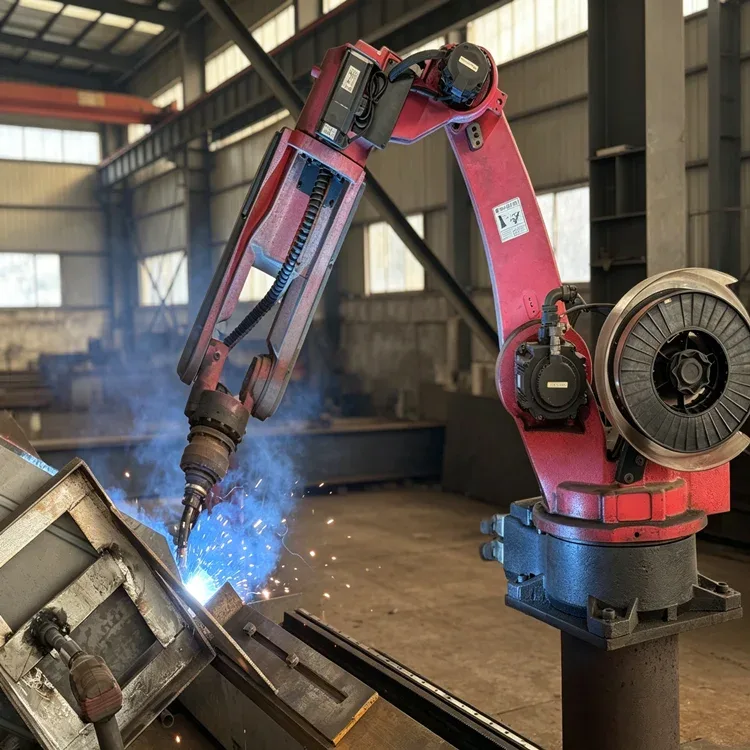
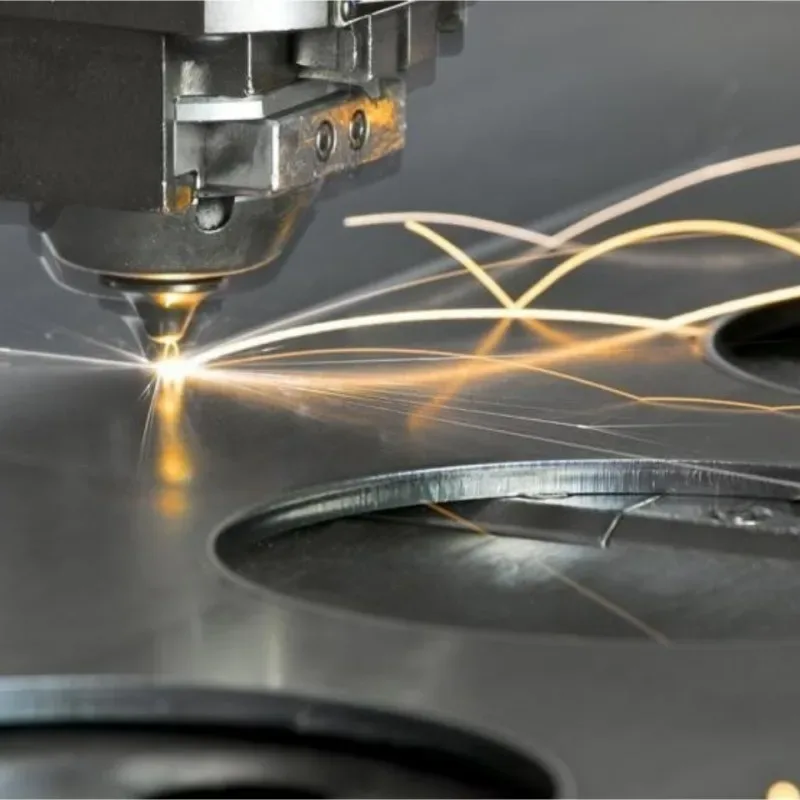
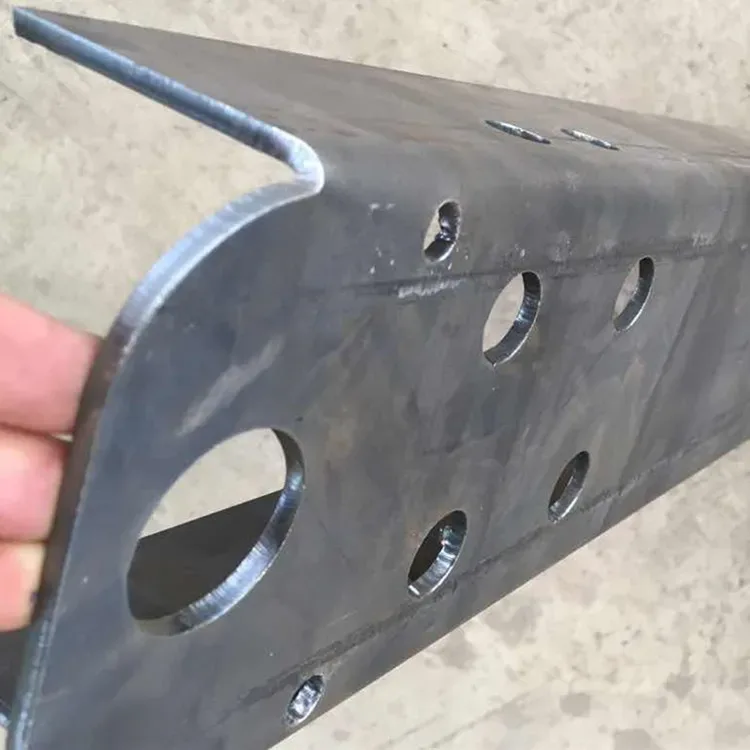
| Technique | Laser Cutting, CNC Bending, Robot Welding, CNC Punching, Drilling, Assembly |
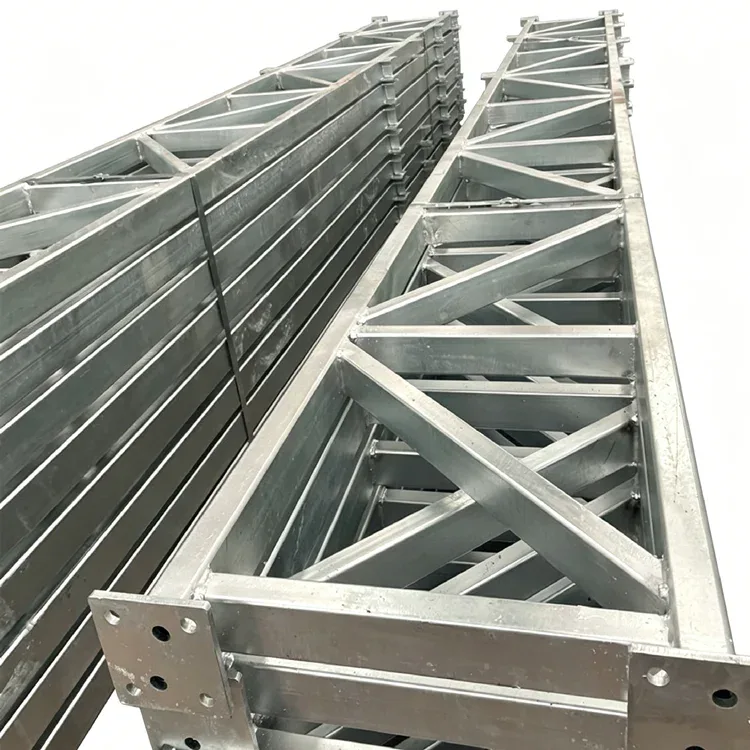
| Surface Treatment | Galvanized / Powder Coating / Painting |
| Tolerance | ±0.1 mm – ±1 mm |
| Width | Any specification (custom) |
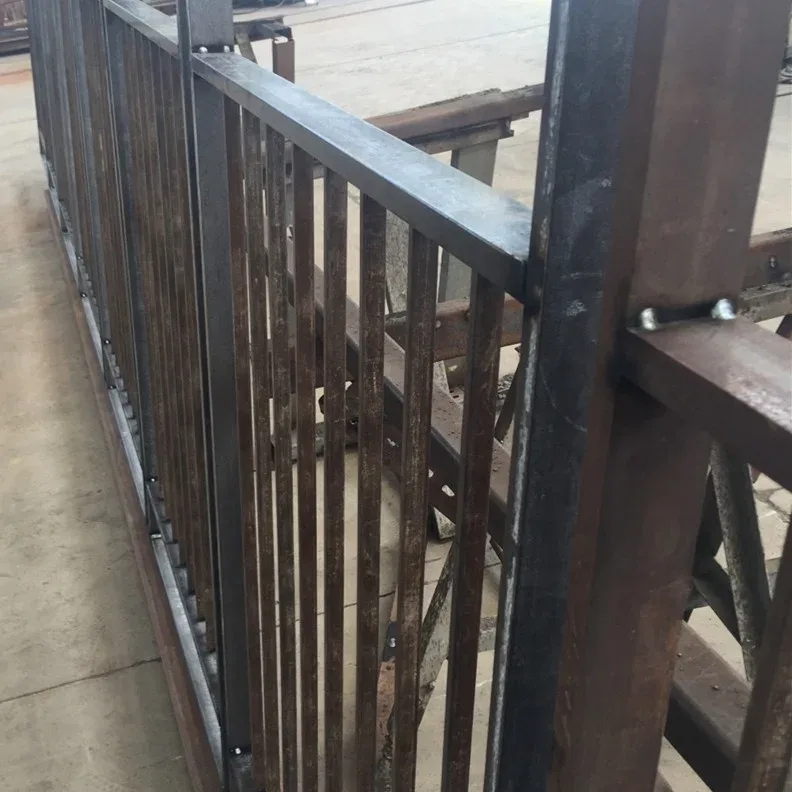
| Application | Construction, Machinery, Equipment Frames, Structural Steel Components, Heavy Machinery Parts, Industrial Frames, Brackets, Machine Bases |
| MOQ | 1 Piece |
| Origin | Shandong, China |
Application Suitability
| Industry | Typical Applications |
|---|---|
| EPC Contractors & Construction | Structural frames for industrial plants, machine bases, support brackets for infrastructure projects |
| Machinery Manufacturers | Conveyor structures, automation system frames, heavy equipment mounting plates |
| System Integrators | Industrial platform assemblies, modular enclosure frames, equipment housing structures |
| Heavy Machinery | Crane booms, excavator attachment brackets, press frame components |
What Fragmented Sourcing Actually Costs on a Fabrication Order
Splitting laser cutting, bending, and welding across different shops adds hidden rework costs that rarely appear in the initial quote.
Global buyers often source cut plates from one supplier, send them to a bending shop, then arrange welding separately. Each handoff introduces tolerance stacking — a 3 mm angular deviation at bending compounds into misaligned bolt holes at assembly. I watched an entire container of CNC-bent structural brackets get rejected on arrival because the cumulative tolerance drift meant nothing fit on-site. The re-cut, re-bend, re-ship cycle cost more than the original order. When you need a Custom Structural Steel Fabrication Supplier who keeps every process under one roof with in-house dimensional verification, the value becomes clear the moment the first piece goes into the jig. [NEED_CITE: tolerance stacking in multi-vendor steel fabrication]
Matching Fabrication Precision to Structural Frame Requirements
When an EPC contractor orders equipment frames for a processing plant, every mounting surface must land within the tolerance envelope specified by the mechanical designer. A Custom Structural Steel Fabrication Supplier running fiber laser cutting at ±0.1 mm and robot welding with positional repeatability ensures that bracket interfaces align without field modification. We process Q235 and Q345 plates up to 30 mm thick, handling the full sequence — cutting, bending, punching, welding, and assembly — so that dimensional integrity stays consistent from the first cut to final fit-up.
Engineering Compliance and Surface Protection for Harsh Environments
Structural steel components exported to EU markets must carry CE marking under EN 10210 or EN 10219, and customs authorities increasingly request traceable documentation at the point of entry. [NEED_CITE: CE marking requirements for structural steel under EN 10219] For coastal or chemical-exposure installations, the choice between hot-dip galvanizing, powder coating, or industrial painting directly determines service life — galvanizing provides sacrificial zinc protection rated for decades in marine atmospheres, while powder coating offers UV resistance and color consistency for architectural-visible frames. Q345 steel, with its higher yield strength over Q235, is specified where load-bearing demands exceed standard carbon steel capacity, and our in-house physical and chemical laboratory verifies composition and mechanical properties before any part leaves the floor.
Understanding Q235 vs. Q345 and Process Selection for Fabricated Parts
Q235 corresponds roughly to S235JR in the EN system and ASTM A36 in the US framework — a general-purpose carbon steel suited to brackets, frames, and non-critical structural members where extreme loading is absent. Q345 aligns with S355JR and offers higher yield strength, making it the default choice for load-bearing beams, heavy machinery bases, and crane components. The fabrication process matters equally: fiber laser cutting delivers kerf widths tight enough to hold ±0.1 mm on thin-gauge sheet, while CNC bending controls angular accuracy on plates up to 30 mm. Robot welding maintains consistent penetration and bead profile across long seams — critical when fatigue loading is a design factor. Surface treatment selection follows the environment: galvanized for outdoor or wet conditions, powder coating for indoor or decorative applications, and industrial painting for large structures where galvanizing bath size is a constraint.
The Hidden Price of Wrong-Grade Material and Missing Certificates
Ordering Q235 when the design calls for Q345 means the structure may pass visual inspection but fail load testing — or worse, pass initially and deform under sustained service loading. [NEED_CITE: structural steel grade substitution risks in engineering codes] Missing or fabricated mill test certificates trigger customs holds at destination ports, sometimes for weeks, demurrage charges accumulating daily. Tolerance claims that look acceptable on paper become expensive when ±1 mm becomes ±2 mm in practice and bolt patterns no longer match. A Custom Structural Steel Fabrication Supplier who provides original MTCs traceable to heat numbers, welcomes third-party SGS or BV inspection, and holds CE certification for EU-bound shipments removes these risks before they reach the job site.
Why Procurement Teams Choose Our Fabrication Floor
We run three dedicated production lines covering laser cutting, CNC bending, and robot welding in a single facility — no parts leave for subcontracted processes, so tolerance chains stay short and accountability stays clear. Our in-house physical and chemical laboratory tests every incoming heat of Q235 and Q345 steel before it reaches the cutting table, and full mill test certificates travel with each shipment. The factory holds 41 invention patents, including proprietary sharp-corner rectangular tube technology, and maintains CE certification under EN 10210/EN 10219 alongside ISO 9001:2015, Singapore FPC, and SGS/BV verification. Custom non-standard sizes and complex assemblies are processed from client drawings or 3D models with an MOQ of just 1 piece. Professional loading plans optimize container utilization for heavy fabricated assemblies, and we ship FOB, CIF, or DDP to 50+ countries with full documentation packages.
Documentation & Compliance
- Mill test certificate documenting Q235 and Q345 chemical composition and mechanical properties per GB/T 700 and GB/T 1591, traceable to original heat number
- CE certificate under EN 10210 / EN 10219 for structural steel fabrication exported to European Union markets
- ISO 9001:2015 quality management system certificate covering the full fabrication process from material receipt to final inspection
- SGS or BV third-party inspection report available at incoming material, in-process, and final dimensional verification stages
- Material traceability by heat number linked to each fabricated component and documented in the shipping file
- Customs documents including packing list, bill of lading, and certificate of origin prepared per destination country requirements
Packaging, Loading & Delivery
- Fabricated steel components bundled with steel strips and edge protectors to prevent surface damage to galvanized or powder-coated finishes during ocean transit
- Q235 and Q345 plates and assemblies wrapped in waterproof paper and plastic film, with desiccant packs included for long-distance container shipping
- Container loading plans optimized for 6 m sheet and 9 m hollow section lengths, maximizing weight utilization within 20ft and 40ft units
- Custom cut-to-length service available for sheets and plates, reducing on-site waste and secondary cutting at the project location
- Heat number and steel grade markings stenciled on each bundle and component for on-site identification and traceability verification
- FOB, CIF, and DDP shipping terms supported with door-to-door logistics coordination to 50+ countries across EU, North America, Southeast Asia, and the Middle East
Getting a Fabrication Quote That Reflects Real Production Costs
Submit your drawings or specifications — including steel grade preference (Q235, Q345, or other), thickness, quantity, surface treatment requirement, and destination port — and receive a detailed quotation within 12 hours covering unit price, tooling if applicable, production lead time, and applicable certification costs. For non-standard or complex assemblies, our engineering team reviews the 3D model and confirms feasibility, tolerance achievability, and the most cost-effective process route before the contract is signed.
Frequently Asked Questions
Q: How do you ensure material traceability and quality for custom fabricated steel parts?
A: Every heat of Q235 and Q345 steel is tested in our in-house physical and chemical laboratory before processing. Original mill test certificates documenting chemical composition and mechanical properties are provided with each shipment, traceable to the heat number. Third-party inspection by SGS or BV is available at any production stage.
Q: What is the difference between Q235 and Q345 steel grades, and how do I choose the right one for my project?
A: Q235 is a general-purpose carbon steel suitable for brackets, frames, and light structural members. Q345 offers higher yield strength and is specified for load-bearing components, heavy machinery bases, and applications where structural integrity under sustained loading is critical. We assist with grade selection based on your design requirements and operating conditions.
Q: Can you fabricate non-standard sizes and complex assemblies from my own drawings or 3D models?
A: Yes. We process custom structural steel fabrication from client-provided drawings or 3D models in all common formats. The MOQ is 1 piece, and our engineering team confirms dimensional feasibility, tolerance achievability, and process routing before production begins.
Q: What surface treatment options are available, and how do I select the right one for my operating environment?
A: We offer hot-dip galvanizing, powder coating, and industrial painting. Galvanizing is recommended for outdoor, marine, or high-humidity environments where long-term corrosion resistance is required. Powder coating suits indoor or architectural-visible applications needing color consistency and UV resistance. Industrial painting covers large structures where galvanizing bath dimensions are a constraint.
Q: How do you handle international shipping and documentation for fabricated steel structures?
A: We provide FOB, CIF, and DDP terms with professional container loading plans optimized for your component dimensions. The full documentation package includes mill test certificates, packing list, bill of lading, certificate of origin, and CE certificates where applicable. Real-time shipment tracking is provided throughout transit.
Start Your Custom Fabrication Inquiry Today
Send your drawings, specifications, steel grade preference, and destination port to receive a detailed quotation with mill test certificate confirmation within 12 hours.
Shandong Xin Jiyuan Special Steel Tube Co., Ltd
Tel: +86 531 8573 6315
Mobile/WhatsApp/WeChat: +86 188 5315 7756
Email: admin@sdxjysteel.com