Description
Factory-Direct Plate Processing — Every D2 alloy steel plate undergoes dual lab reports before shipment, eliminating chemical deviation risks at destination ports.
Technical Specifications
| Parameter | Value |
|---|---|
| Designation | Custom Alloy Steel Plate Processing (12mm-30mm Embedded Parts) |
| Product Type | Steel Plate / Machined Steel Product |
| Steel Grade | D2, Q235, Q345, SS400, ST37-2, ST52, Q420, Q460, S235JR, S275JR, S355JR, A36, 45#, 16Mn, 40Cr, 20Cr, 42CrMo, 15CrMo, 35CrMo, NM360, NM400, NM450, NM500, AR400, AR450, AR500, Q245R, Q345R, Q355 |
| Standard | ASTM, AISI, DIN, JIS, GB, EN, BIS, KS |
| Thickness | 1.2-300mm |
| Width | 30-2200mm |
| Length | 1-12m (or as requested) |
| Technique | Hot Rolled |
| Surface Treatment | Black, Oiled, Shot Blasted, Spray Paint, Coated, Galvanized |
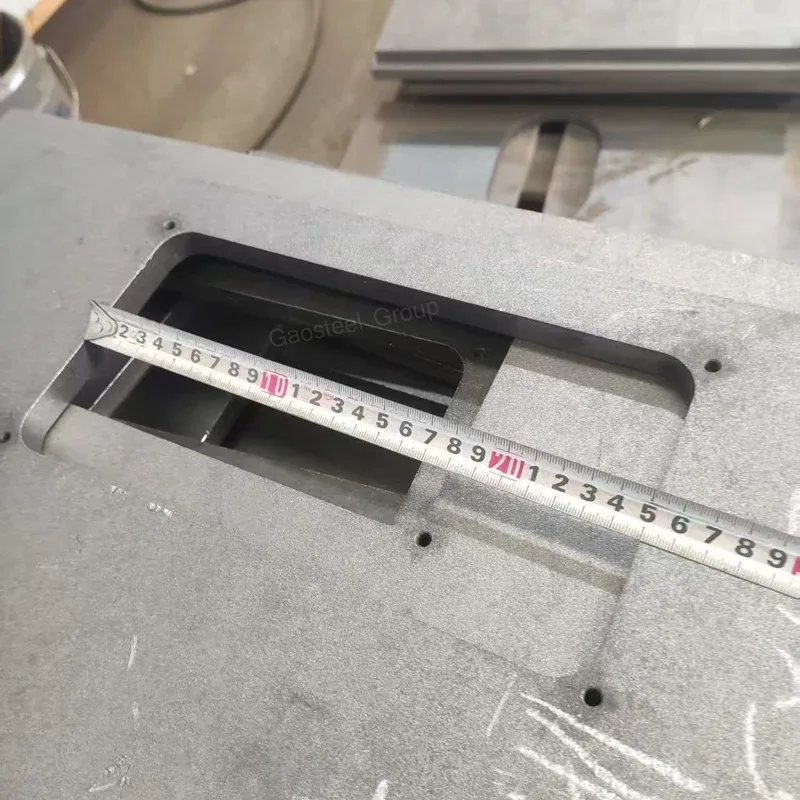
| Tolerance | ±1% |
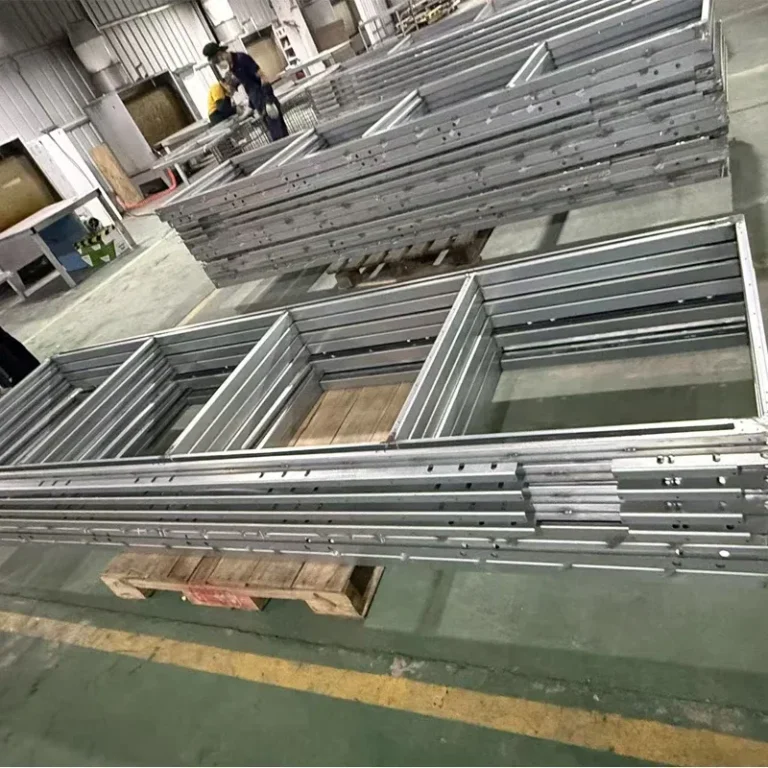
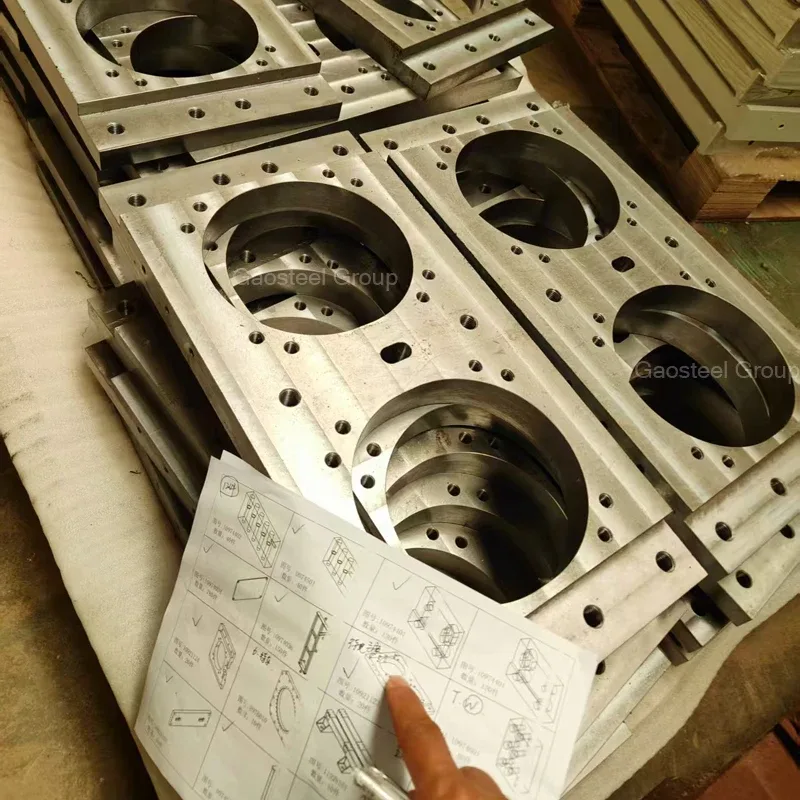
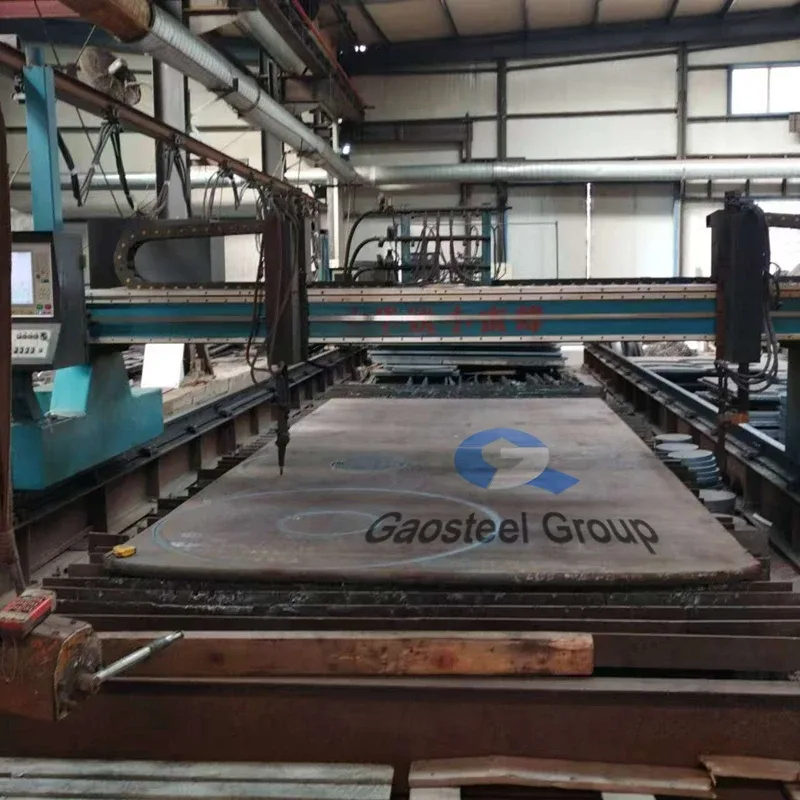
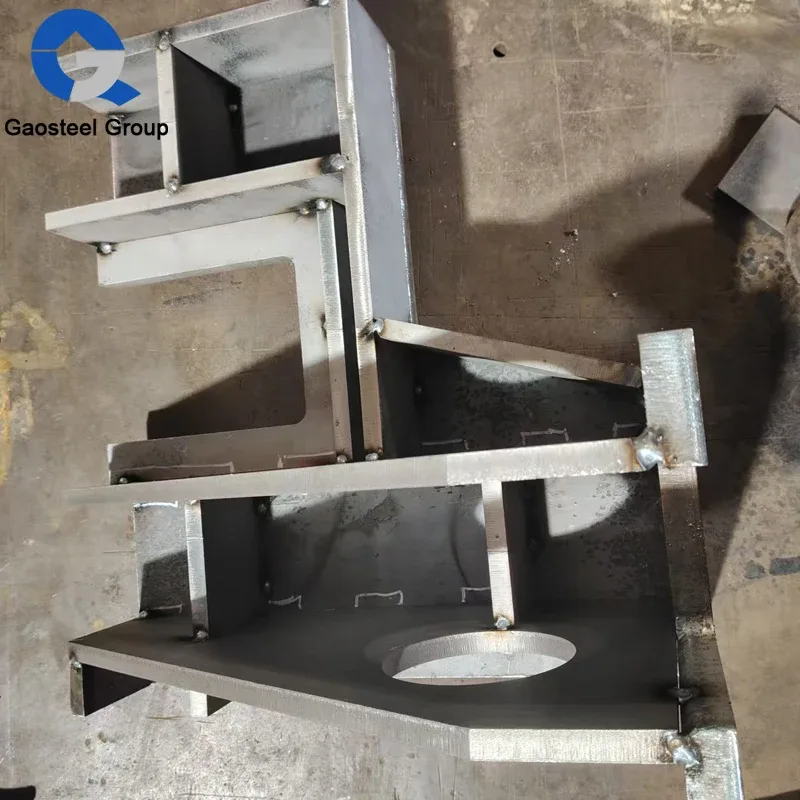
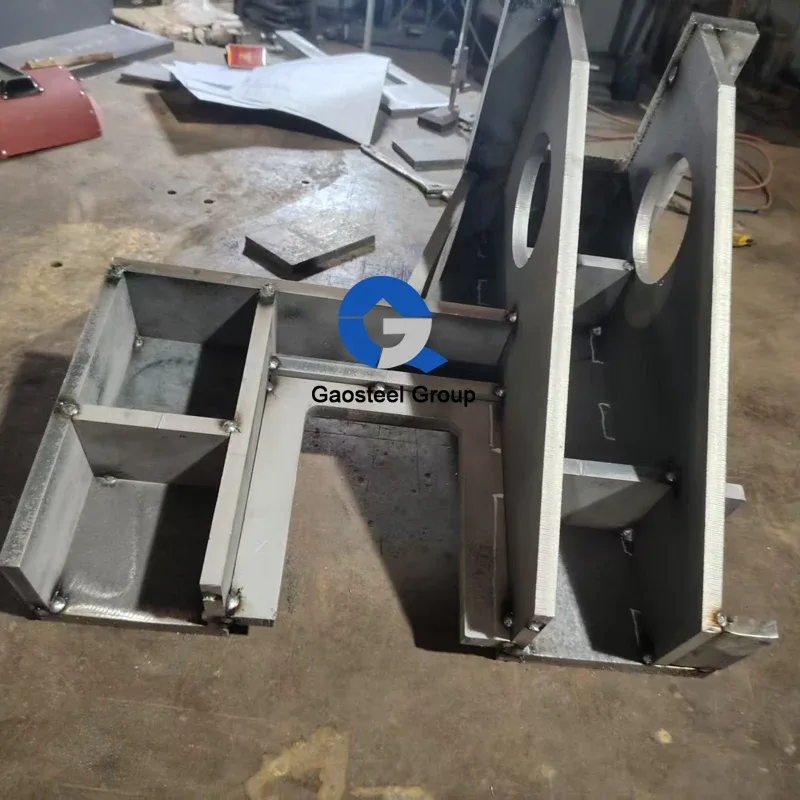
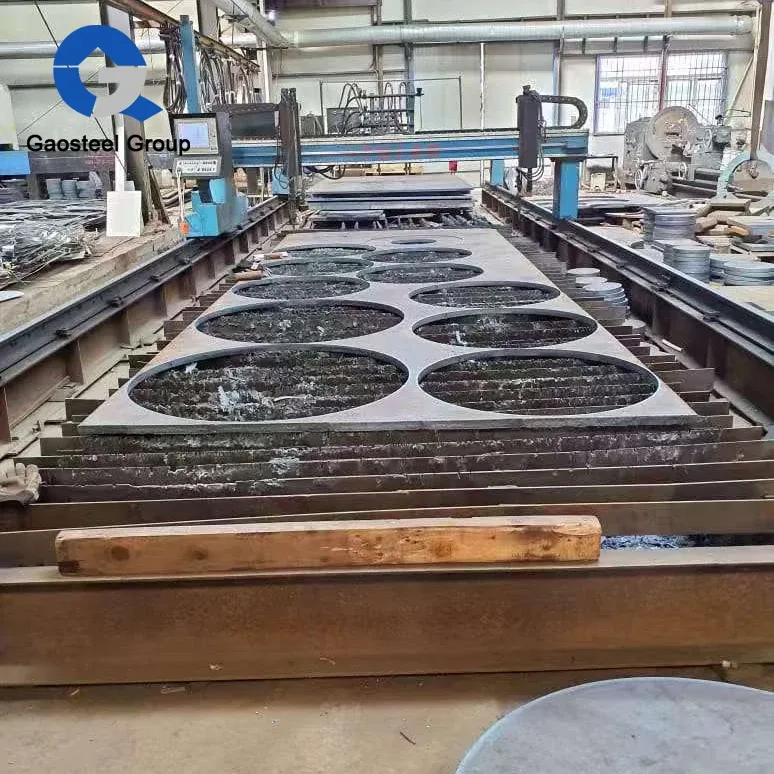
| Processing Services | Laser cutting, plate cutting, bending, punching, welding, embedded parts fabrication |
| Application | Construction, machinery manufacturing, container manufacturing, shipbuilding, bridges, boiler and pressure vessels, industrial embedded parts, structural steel fabrication |
| MOQ | 1 Ton |
| Origin | Shandong, China |
Application Suitability
| Industry | Typical Applications |
|---|---|
| EPC Contractors & Construction | Bridge embedded plates, high-rise building base plates, structural steel connection components |
| Machinery Manufacturers | Precision-cut alloy wear plates, equipment base frames, conveyor system mounting brackets |
| Industrial Fabricators | Pressure vessel end caps, boiler shell plates, container corner castings |
| Shipbuilding & Offshore | Deck stiffener plates, hull structural inserts, mooring equipment foundations |
When ±1% Tolerance Determines Whether a Batch Clears Customs
A 0.03% carbon deviation once held an entire container at Nhava Sheva port for three weeks.
Alloy steel plates destined for EU or Indian markets face strict chemical composition verification at destination. When D2 tool steel plates arrive with carbon content outside JIS G4404 limits, customs authorities reject the shipment regardless of visual quality. The root cause often traces back to suppliers who skip incoming material verification or blend heat numbers without documentation. For projects requiring embedded parts fabricated to precise drawings, dimensional tolerance compounds the risk — a ±2% deviation on a 30mm plate means 0.6mm excess that forces on-site re-cutting or outright rejection during structural assembly inspection.
Matching Plate Thickness to Embedded Part Load Requirements
Structural embedded parts in bridge decks and high-rise connections require plates that maintain dimensional stability under cyclic loading. The 12mm-30mm thickness range covered by our Custom Alloy Steel Plate Cutting and Processing Service Supplier capability addresses the majority of medium-duty connection plates where through-thickness tearing becomes a concern. For D2 alloy plates used in precision machinery inserts, the ±1% tolerance ensures that laser-cut profiles maintain edge straightness within 0.5mm over 2-meter lengths — critical when these components mate with pre-drilled anchor bolt patterns on-site.
Compliance Pathways for International Steel Plate Projects
EU-bound construction embedded parts must conform to EN 10219 dimensional tolerances and carry CE marking under the Construction Products Regulation. North American EPC contractors typically specify ASTM A36 or A572 Gr50, requiring mill test certificates traceable to heat numbers. Our Custom Alloy Steel Plate Cutting and Processing Service Supplier workflow includes in-house physical and chemical laboratory testing at three stages: incoming raw plate verification, in-process dimensional checks during CNC cutting, and final inspection before crating. Third-party inspection through SGS or BV remains available for projects mandating independent verification [NEED_CITE: EN 10219 cold-formed hollow section dimensional tolerance requirements].
Steel Grade Selection Logic for Processed Plates
Carbon structural grades like Q235 and S235JR serve general fabrication where weldability takes priority over strength. Moving to Q345 or S355JR increases yield strength for load-bearing embedded parts without proportionally increasing weight. Alloy grades such as 42CrMo and 40Cr respond to heat treatment, making them suitable for machined components requiring surface hardness. Wear-resistant plates in the NM360-NM500 and AR400-AR500 series protect equipment liners and chute surfaces from abrasion. Boiler and pressure vessel grades Q245R and Q345R maintain toughness at elevated temperatures, while D2 tool steel provides dimensional stability for precision inserts after heat treatment. Hot rolling produces the base plate, while subsequent laser cutting, bending, and punching transform it into finished components ready for assembly.
Hidden Costs of Unverified Plate Procurement
Purchasing processed steel plates without verified mill test certificates creates downstream liabilities that dwarf initial material savings. When chemical composition fails to match the specified grade, structural engineers cannot certify load calculations, forcing complete batch replacement. Dimensional tolerance exceeding project specifications triggers re-cutting costs that often exceed the original plate value. Missing CE documentation for EU projects results in customs holds averaging two to four weeks, with demurrage charges accumulating daily. Material traceability gaps prevent root-cause analysis when field failures occur, exposing contractors to warranty claims and litigation [NEED_CITE: steel grade equivalence between EN and ASTM standards for structural applications].
Procurement Confidence Through Verified Capabilities
Factory-direct pricing eliminates trading company markups while maintaining full quality control through our three dedicated production lines. The in-house physical and chemical laboratory issues dual reports for every heat lot — a practice adopted after early export shipments faced chemical composition disputes at destination ports. Over 2,800 specifications in inventory mean standard plates ship within days rather than weeks, while custom non-standard sizes follow typical production lead times. CE certification under EN 10210/10219 and ISO 9001:2015 registration satisfy EU and international project compliance requirements. Professional loading plans optimize container utilization for plates ranging from 1.2mm sheets to 300mm heavy plates, with door-to-door logistics covering 50+ countries.
Documentation & Compliance
- Mill test certificate documenting D2 chemical composition including carbon, chromium, and molybdenum content per JIS G4404
- CE certificate covering EN 10219 dimensional compliance for structural steel plates exported to EU member states
- ISO 9001:2015 quality management certificate validating three-stage inspection protocol
- SGS or BV third-party inspection report available for projects requiring independent material verification
- Heat number traceability linking each processed plate to original mill test chemistry and mechanical test results
- Customs documentation package including packing list, bill of lading, and certificate of origin for destination clearance
Packaging, Loading & Delivery
- Shot-blasted and oiled plates bundled with steel strips, edge protectors preventing surface damage during ocean transit
- Laser-cut embedded parts wrapped in waterproof paper with heat number labels visible for site identification
- Container loading plans optimized for 1-12m plate lengths, maximizing 20ft and 40ft GP utilization for mixed-thickness orders
- Custom crating available for 300mm heavy plates and precision-machined D2 inserts requiring vibration protection
- FOB, CIF, and DDP shipping terms with real-time tracking from Jinan port to destination warehouse
Initiating Your Plate Processing Inquiry
Submit plate specifications including thickness, width, length, steel grade, and quantity along with destination port to receive a detailed quotation within 12 hours. For custom embedded parts, provide fabrication drawings specifying tolerances, edge conditions, and surface treatment requirements. Our team confirms certification needs based on destination country regulations and arranges third-party inspection if your project mandates independent verification.
Frequently Asked Questions
Q: What steel grades are available for custom plate processing?
A: The Custom Alloy Steel Plate Cutting and Processing Service Supplier covers carbon structural grades (Q235, Q345, S235JR, S355JR, A36), alloy grades (40Cr, 42CrMo, 15CrMo), wear-resistant plates (NM360-NM500, AR400-AR500), and tool steel (D2), with thickness from 1.2mm to 300mm.
Q: Can you process steel plates according to our drawings?
A: Yes, laser cutting, CNC machining, bending, punching, and welding services transform raw plates into finished embedded parts per customer drawings, with MOQ of 1 Ton for custom fabrication.
Q: What certifications do you provide for EU and international projects?
A: CE certification under EN 10210/10219, ISO 9001:2015 registration, and mill test certificates accompany every shipment, with SGS or BV third-party inspection available upon request.
Q: What is the MOQ and lead time for custom processed steel plates?
A: Standard plates ship from inventory with typical production lead times, while custom non-standard sizes and fabricated embedded parts follow confirmed production schedules after drawing approval.
Q: Do you accept third-party inspection before shipment?
A: SGS and BV inspection protocols are integrated into the production workflow, with inspection reports issued before container sealing for projects requiring independent verification.
Start Your Plate Processing Order
Send specifications and drawings to receive a quotation with mill test certificate preview within 12 hours.
Email: admin@sdxjysteel.com | WhatsApp: +86 188 5315 7756