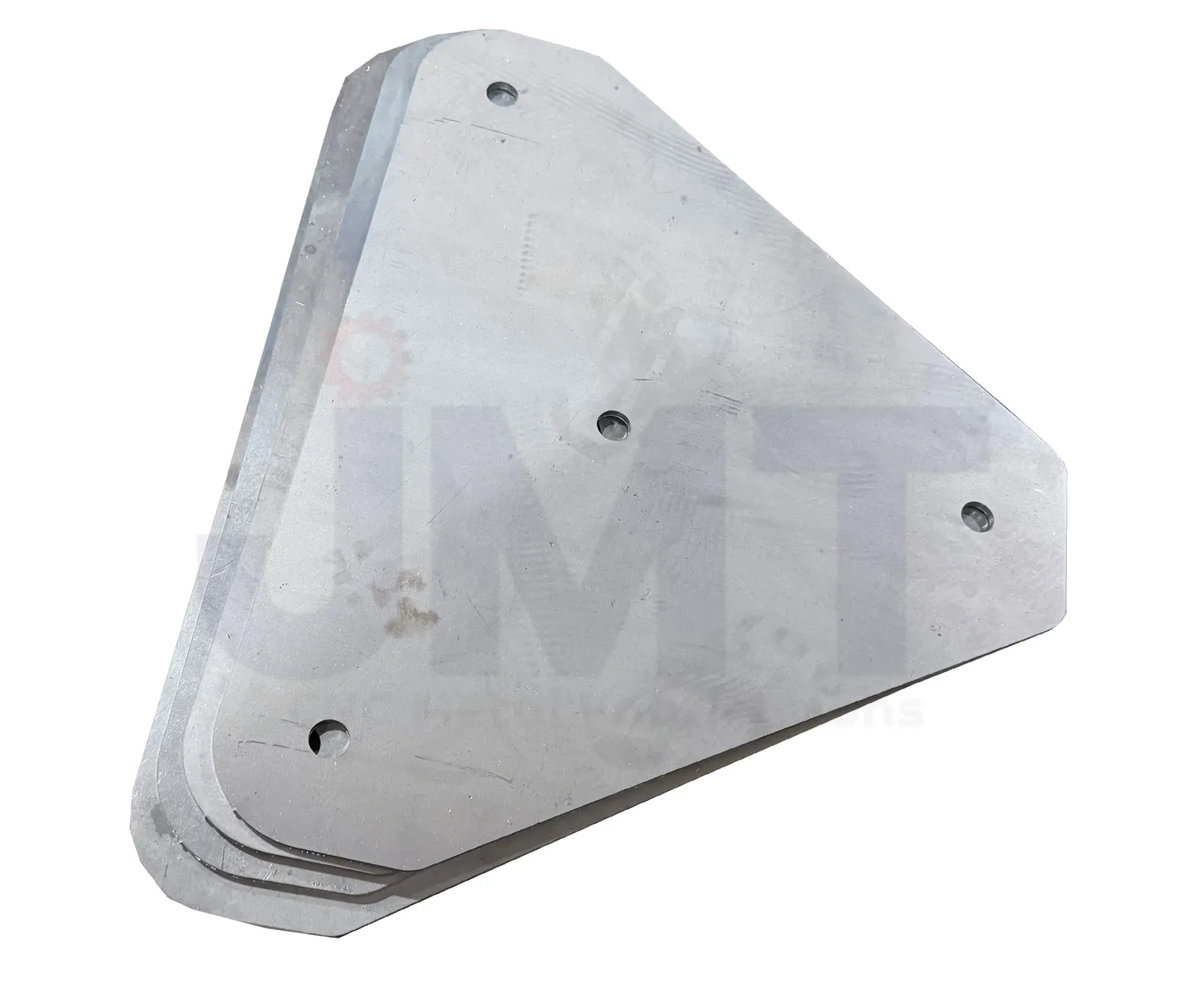
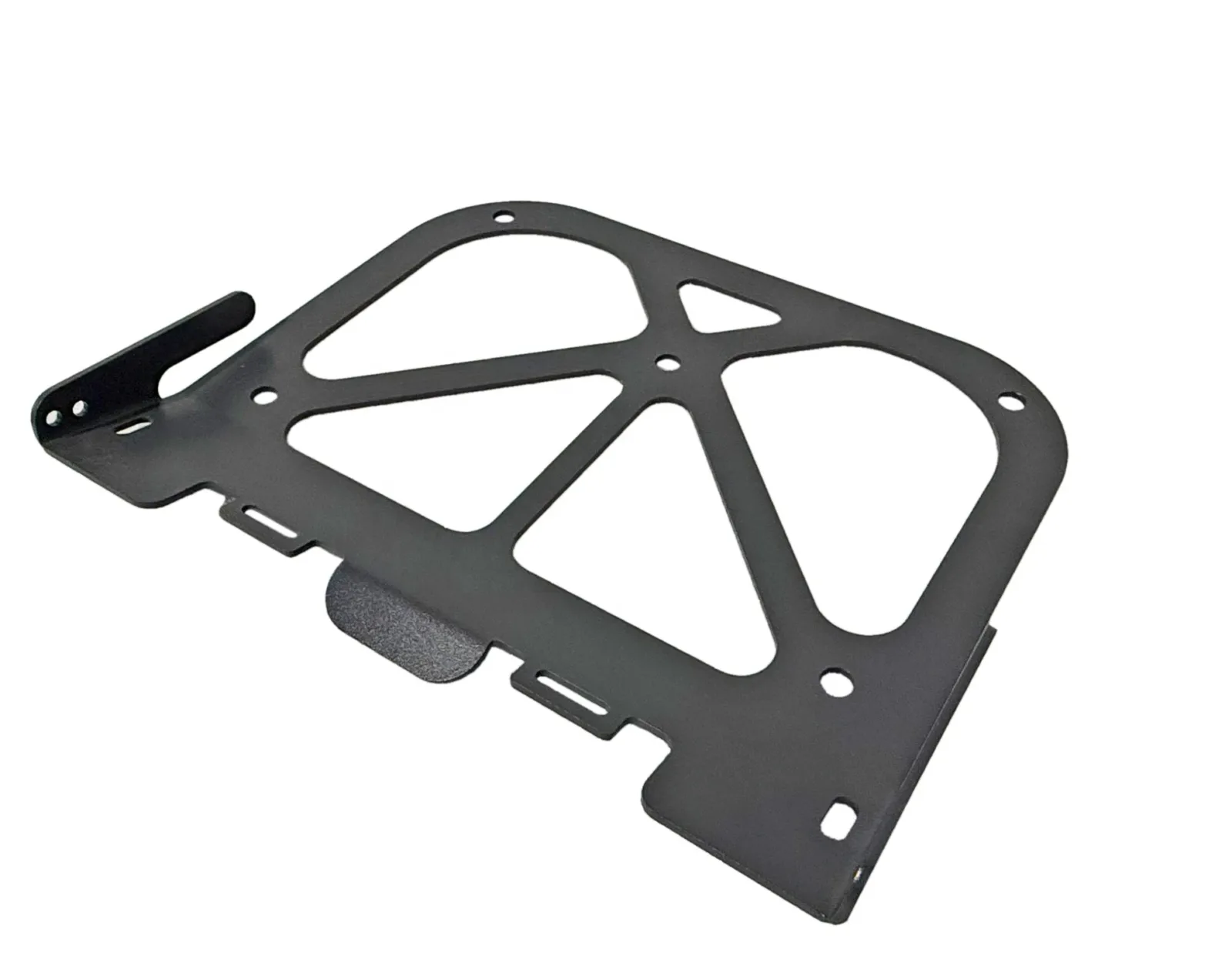
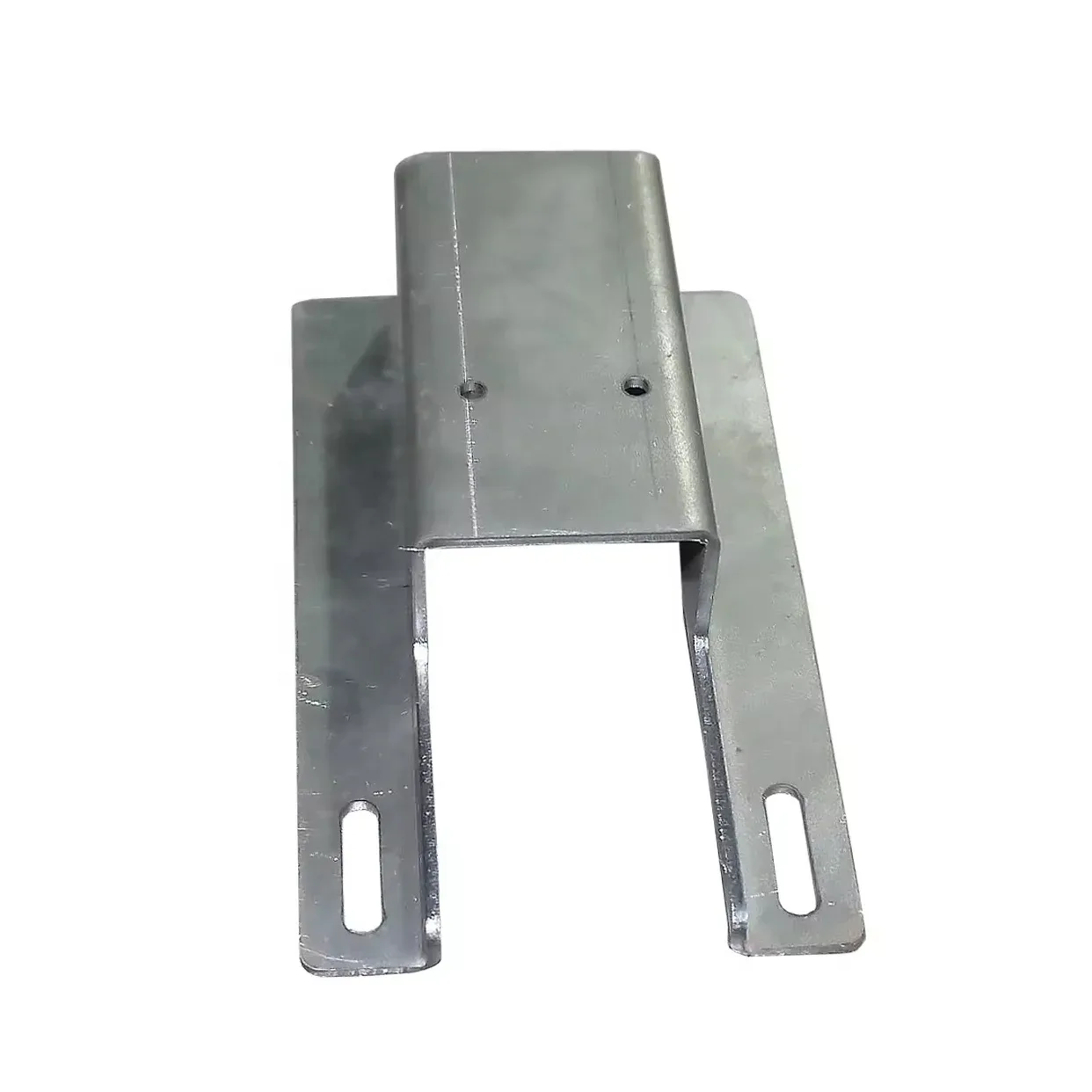
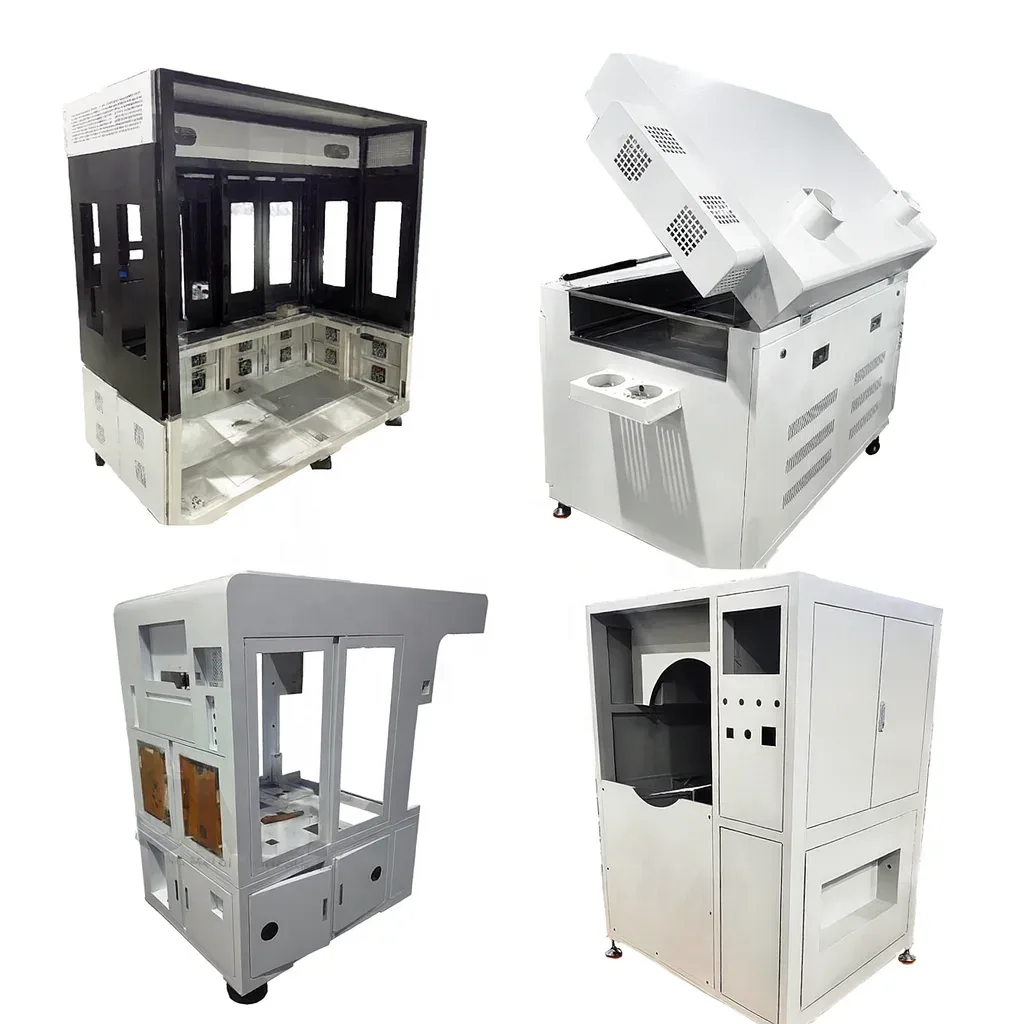
Description
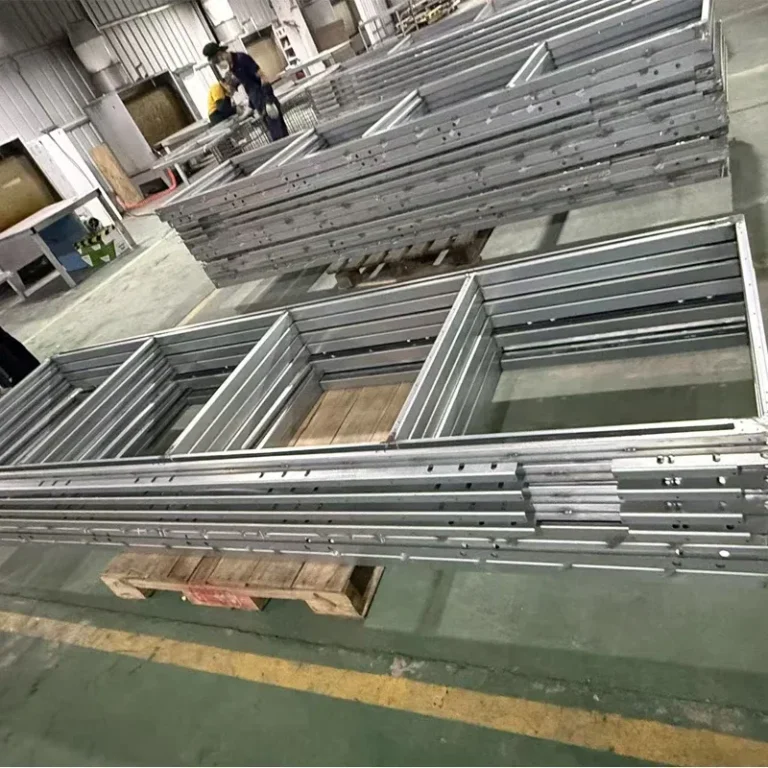
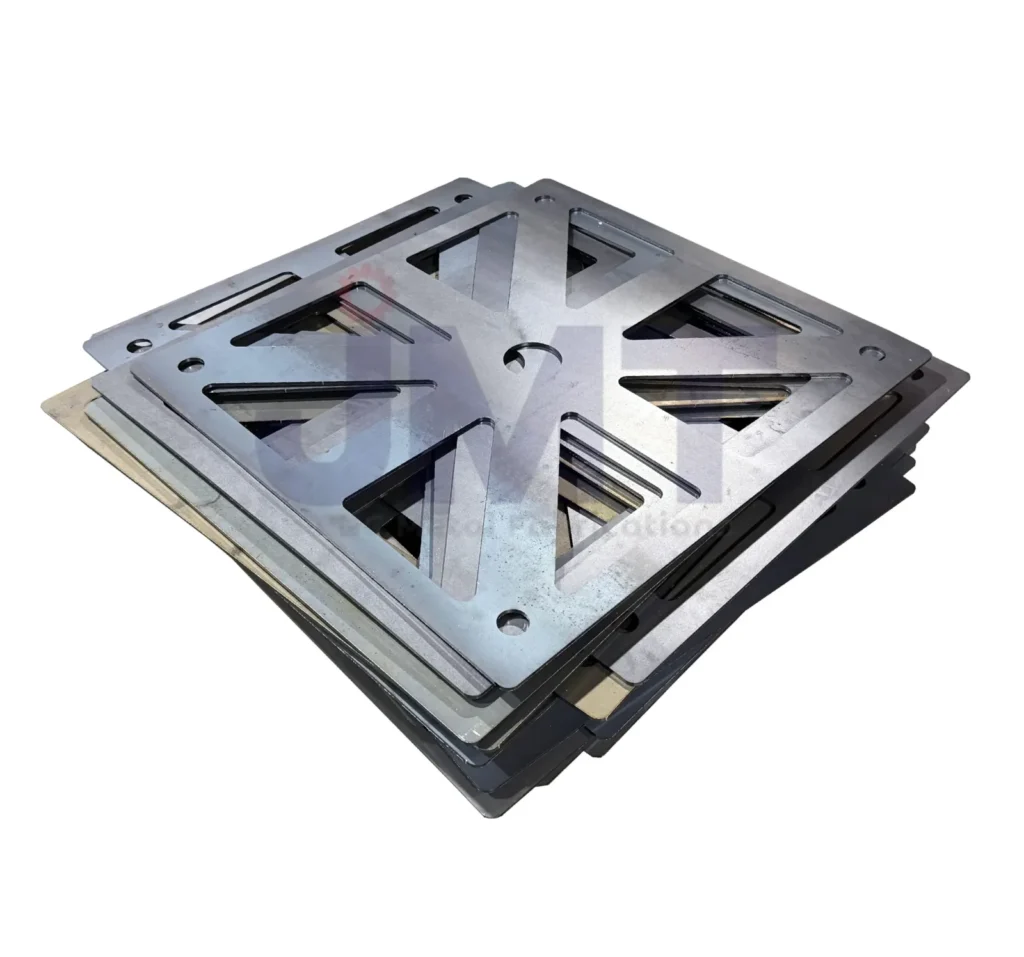
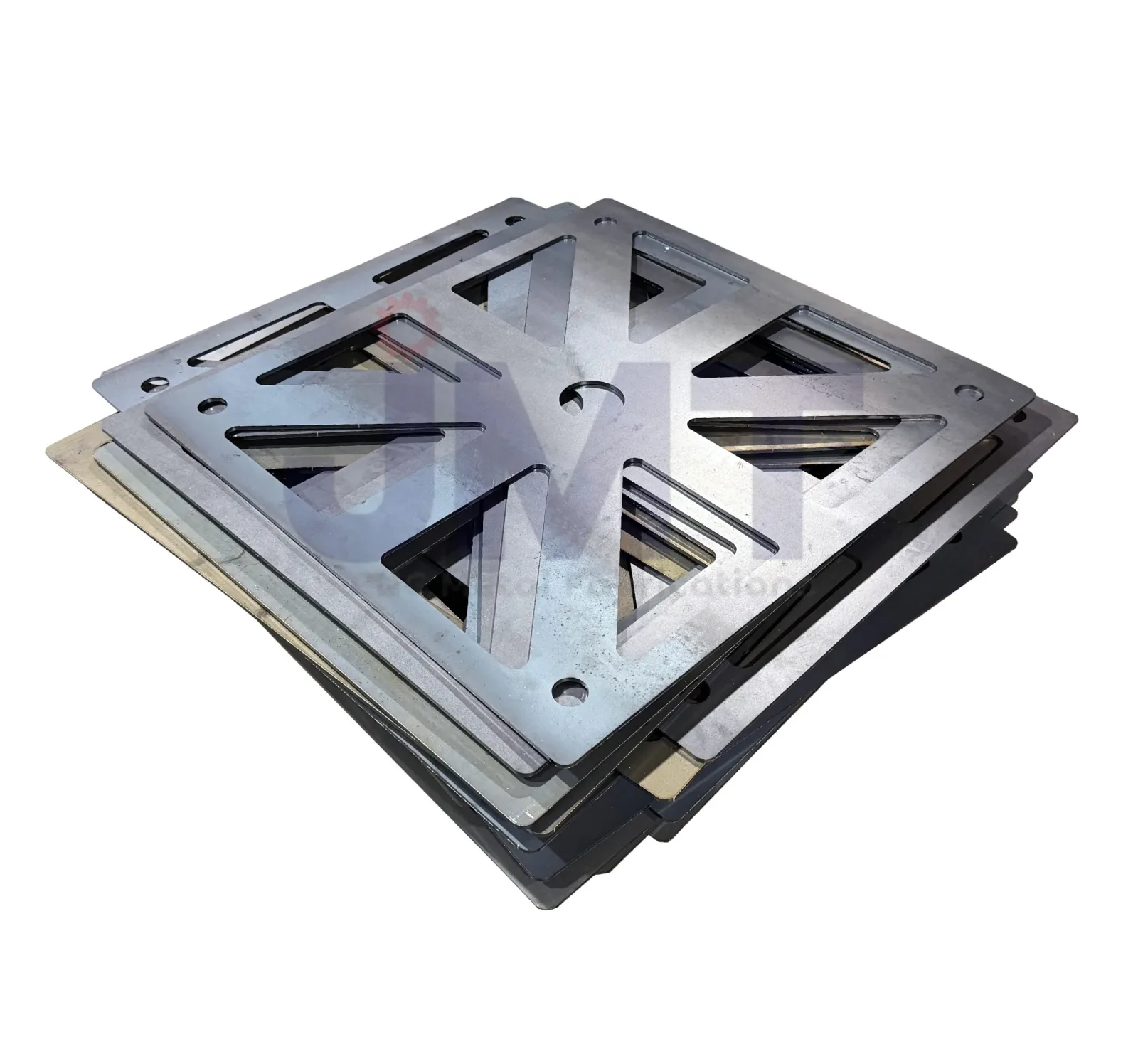
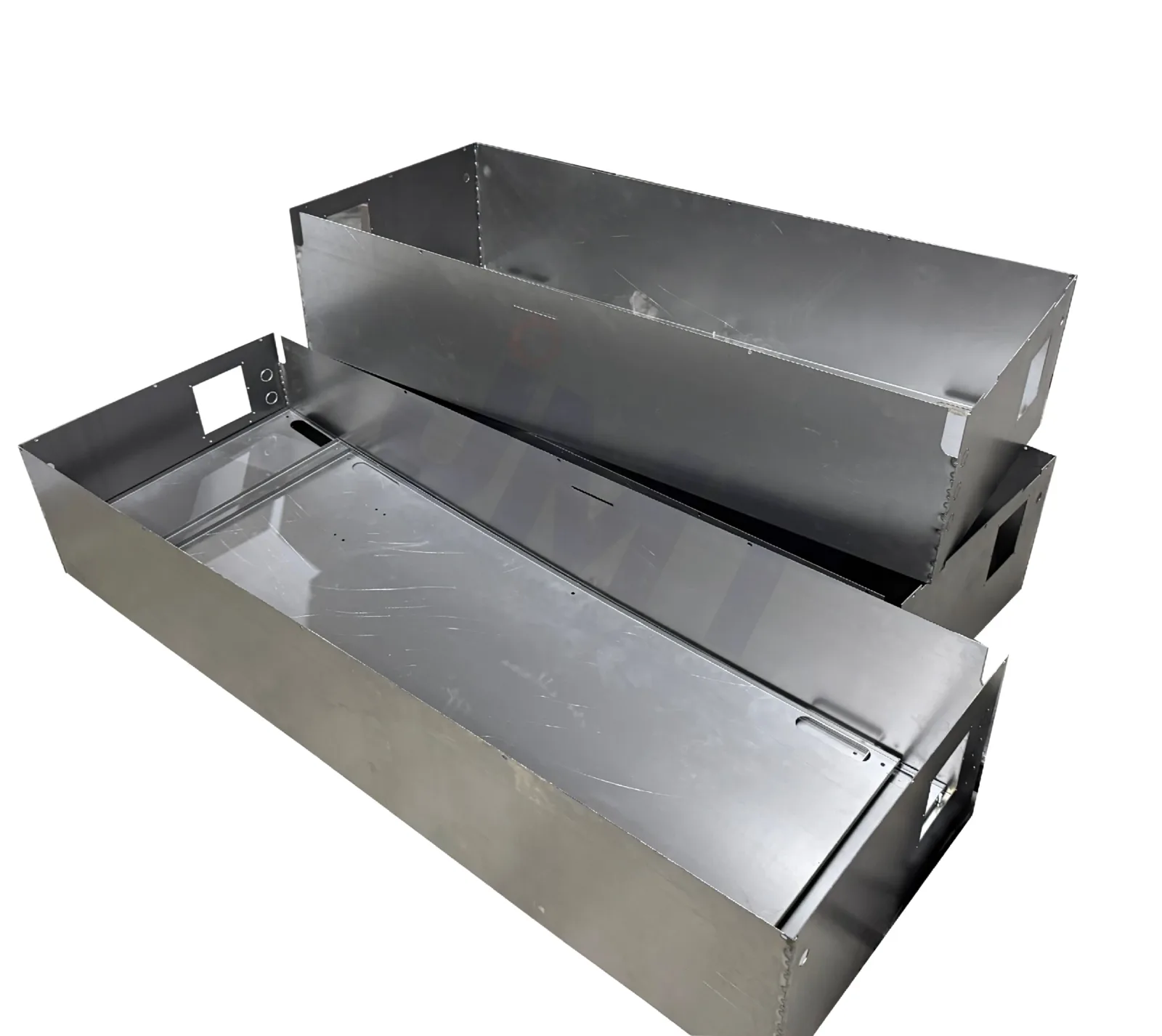
Factory-Direct Machined Components — Every laser cut and CNC bent part is produced in-house, eliminating vendor handoffs that cause tolerance drift and delivery delays.
Technical Specifications
| Parameter | Value |
|---|---|
| Designation | Machined Steel Structural Components (Laser Cut / Sheet Metal Fabrication per STEP Files) |
| Product Type | Machined Steel Product / Fabricated Steel Structure |
| Steel Grade | Stainless Steel, Carbon Steel, Aluminum |
| Standard | DIN ISO 2768 |
| Fabrication Processes | Laser Cutting, CNC Bending, Welding |
| File Support | STEP / STP / SolidWorks / DXF |
| Tolerance | ±0.5mm |
| Surface Treatment | Powder Coating, Brushed, Anodized |
| Assembly Support | Riveting, Fasteners, Sub-Assembly |
| Production Scope | Prototype / Small Batch / OEM Volume |
| Inspection | CMM / Caliper / Visual QC |
| Delivery | Export Packaging |
| Application | Automation Equipment, Industrial Equipment, Robotics, Structural Components |
Application Suitability
| Industry | Typical Applications |
|---|---|
| Automation & System Integration | Robot end-effector brackets, conveyor frame gussets, sensor mounting plates |
| Industrial Machinery | Machine base plates, equipment enclosures, structural supports for production lines |
| Robotics | Chassis frames, arm linkage plates, joint housings |
| EPC Project Pilot Phases | Prototype structural nodes, test fixture components, pilot-run equipment frames |
What Fragmented Fabrication Sourcing Costs on a Structural Component Order
Single-facility production from STEP file to finished assembly eliminates inter-vendor tolerance stacking and shipping damage.
When automation OEMs source laser cutting, bending, welding, and powder coating from separate shops, each handoff introduces alignment drift. A ±0.3mm laser cut tolerance becomes ±0.8mm after a second vendor bends the same part — and bolt holes no longer match on the assembly floor. [NEED_CITE: multi-process fabrication tolerance accumulation in structural assemblies]
Matching Precision Fabrication to Automation and Industrial Equipment Demands
Structural components for automation equipment require consistent dimensional accuracy across repeat orders — a robot frame that fits during prototype must fit identically at volume. Our Custom Laser Cut Steel Structural Components Manufacturer capability processes STEP files directly into CNC toolpaths, preserving the original design intent through every production stage. Carbon steel frames receive powder coating for workshop environments, while stainless steel components for food-grade or chemical-exposure applications retain corrosion resistance through brushed or anodized finishing.
Engineering Compliance and Certification Requirements
Fabricated structural components for industrial equipment must meet dimensional standards such as DIN ISO 2768 for general tolerances, ensuring interchangeability across assembly stations. When these parts ship to EU markets, CE documentation and material traceability become customs requirements rather than optional paperwork. [NEED_CITE: DIN ISO 2768 tolerance class requirements for machined structural parts] Material selection — carbon steel for load-bearing frames, stainless steel for washdown environments, aluminum for weight-sensitive robotics — directly affects both structural performance and regulatory classification.
Steel Grade and Fabrication Process Selection
Carbon steel offers the highest strength-to-cost ratio for structural frames and machine bases, accepting powder coating for corrosion protection in indoor industrial settings. Stainless steel provides inherent corrosion resistance without secondary coating, suitable for food processing or outdoor automation installations where maintenance access is limited. Aluminum reduces assembly weight for robotics arms and gantry systems, though its lower modulus requires thicker sections for equivalent rigidity. Laser cutting delivers clean edges with minimal heat-affected zone, preserving material properties at bend lines — critical when CNC bending follows immediately after cutting in the same production sequence.
Hidden Costs of Incorrect Material or Tolerance Specification
Specifying carbon steel when stainless is required leads to premature corrosion failure in washdown environments — replacement costs dwarf the initial material price difference. Tolerance deviations beyond DIN ISO 2768 limits cause assembly rework or scrap, particularly on multi-bend components where cumulative error compounds at each bend station. Missing material certificates trigger customs holds or project audit failures, delaying equipment commissioning by weeks. [NEED_CITE: material certification requirements for industrial equipment export compliance]
Why Source Fabricated Components from Xin Jiyuan
Our facility integrates laser cutting, CNC bending, welding, and surface finishing under one roof — the same team that programs the laser verifies the bend angles and inspects the weld quality. Every material batch receives incoming inspection in our physical and chemical laboratory, with Mill Test Certificates traceable to heat numbers. We hold ISO 9001:2015 certification across all fabrication processes, with third-party inspection available through SGS and BV for projects requiring independent verification. Prototype orders and OEM volume production run on the same equipment with identical quality protocols, ensuring design validation translates directly to repeatable manufacturing. Custom non-standard specifications are machined from STEP or DXF files without redraw errors, and export packaging is engineered for ocean transit — including the steel strapping between layers that prevents the transit damage I learned about the hard way years ago.
Documentation & Compliance
- Mill Test Certificate documenting carbon steel or stainless steel chemical composition and mechanical properties per material specification
- DIN ISO 2768 tolerance compliance report with CMM measurement data for critical dimensions
- ISO 9001:2015 quality management certificate covering laser cutting, bending, welding, and finishing processes
- SGS or BV third-party inspection report available for projects requiring independent quality verification
- Material traceability documentation linking each component to specific heat numbers and incoming inspection records
- Export customs package including packing list, Bill of Lading, and Certificate of Origin
Packaging, Loading & Delivery
- Laser cut components stacked with interleaved protective sheets to prevent surface scratching on brushed or anodized finishes
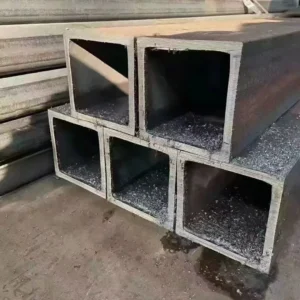
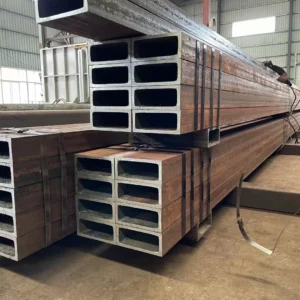
- CNC bent assemblies secured with steel strapping between layers to prevent shifting during ocean transit — a lesson learned from Jebel Ali container openings
- Powder coated frames wrapped in edge protectors to preserve coating integrity at corners and bend radii
- Mixed-material shipments segregated to prevent carbon steel contact with stainless surfaces during transit
- Heat number and steel grade markings maintained on all components through final packaging for site traceability
- FOB, CIF, and DDP shipping options with professional container loading plans optimized for structural component dimensions
Requesting a Fabrication Quote
Submit your STEP, STP, SolidWorks, or DXF files along with material specification, quantity, and destination port to receive a detailed quotation including unit pricing, production lead time, and applicable certification documentation. Our engineering team reviews file geometry for manufacturability and confirms tolerance feasibility before production commitment. Non-standard specifications and prototype quantities receive the same documentation package as volume orders.
Frequently Asked Questions
Q: What file formats do you accept for custom structural component fabrication?
A: We process STEP, STP, SolidWorks, and DXF files directly into CNC toolpaths, eliminating manual redraw errors and preserving original design tolerances.
Q: Can you handle prototype-to-volume production with consistent quality?
A: Prototype and OEM volume orders run on identical equipment with the same quality protocols, CMM inspection, and material traceability — ensuring design validation translates directly to repeatable manufacturing.
Q: What surface finishing options are available for carbon steel versus stainless steel components?
A: Carbon steel components receive powder coating for corrosion protection, while stainless steel parts can be brushed or anodized to maintain corrosion resistance without additional coating.
Q: How do you ensure dimensional accuracy on complex multi-bend assemblies?
A: Each production stage — laser cutting, CNC bending, welding — is inspected against DIN ISO 2768 tolerances using CMM measurement, with cumulative tolerance tracking across sequential operations.
Q: What documentation accompanies fabricated component shipments?
A: Every order includes Mill Test Certificates traceable to heat numbers, DIN ISO 2768 compliance reports, ISO 9001:2015 certification, and complete export customs documentation.
Get Your Fabrication Quote Today
Send your STEP files and specifications to receive pricing, lead time, and material certification details within one business day.
Shandong Xin Jiyuan Special Steel Tube Co., Ltd
Website: www.sdxjysteel.com
Email: admin@sdxjysteel.com
Mobile/WhatsApp/WeChat: +86 188 5315 7756