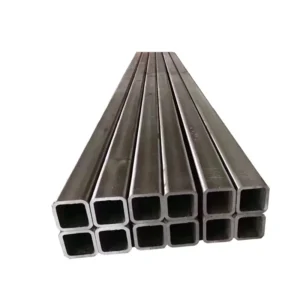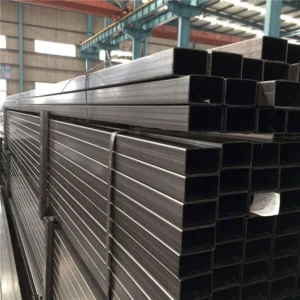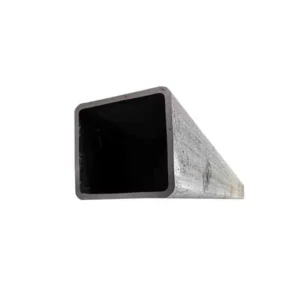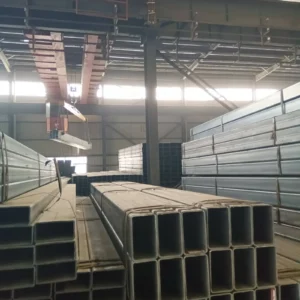
Description
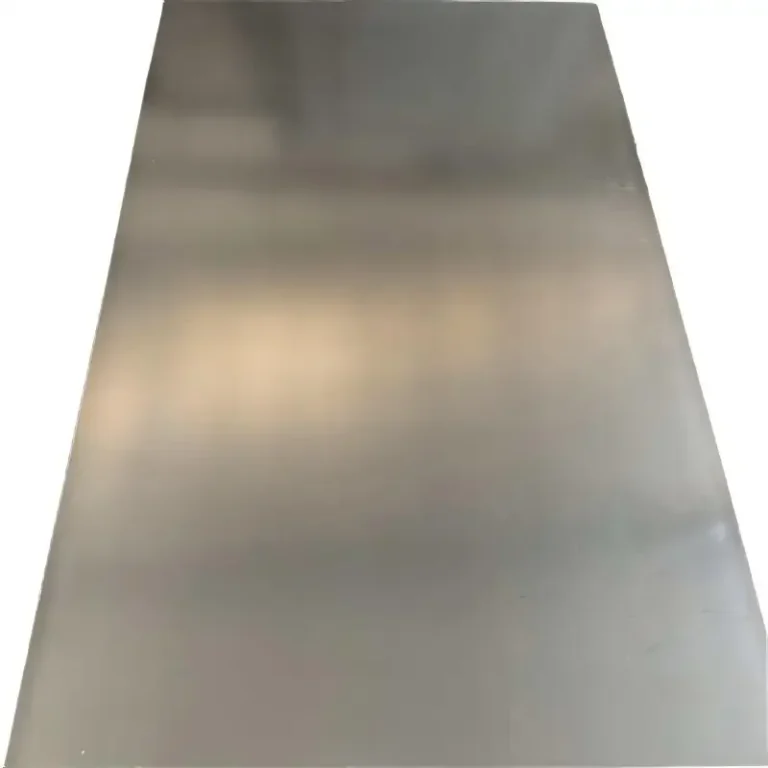
Factory-Direct Fabrication — 0.5–12mm thickness processed in-house with ISO2768-mk precision control
Technical Specifications
| Parameter | Value |
|---|---|
| Designation | Custom Fabricated Steel Structure |
| Product Type | Fabricated Steel Structure |
| Steel Grade | Aluminum, Stainless Steel, Carbon Steel |
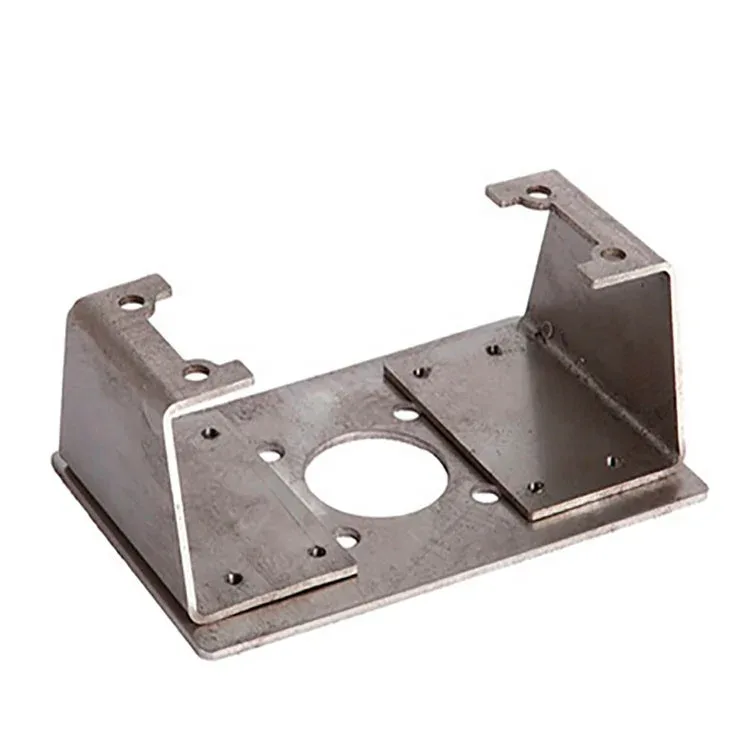
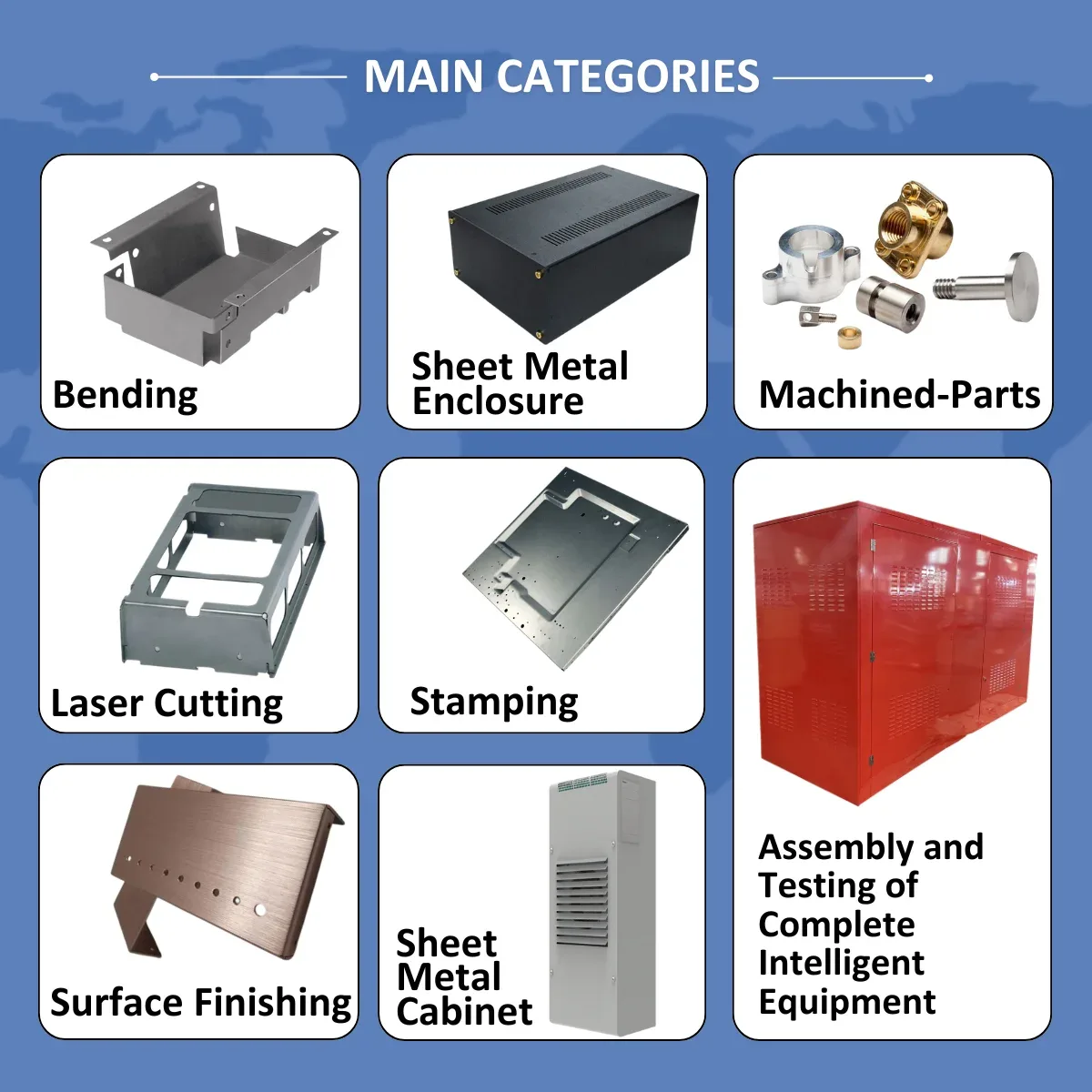
| Technique | Laser Cutting, Bending, Stamping, Welding, CNC Milling, CNC Turning, CNC Punching, Die Casting |
| Surface Treatment | Powder Coating, Polishing, Brush, Anodized, Galvanized, Zinc Plating, Nickel Plating, Chrome Plating, Phosphate Coating, Painting |
| Tolerance | ISO2768-mk (±0.01mm) |
| Thickness Range | 0.5mm–12mm |
| Drawing Types Accepted | PDF, CAD, STP, IGS, X_T, DXF, DWG, 3D |
| Standard | ISO9001:2015, ISO2768-mk |
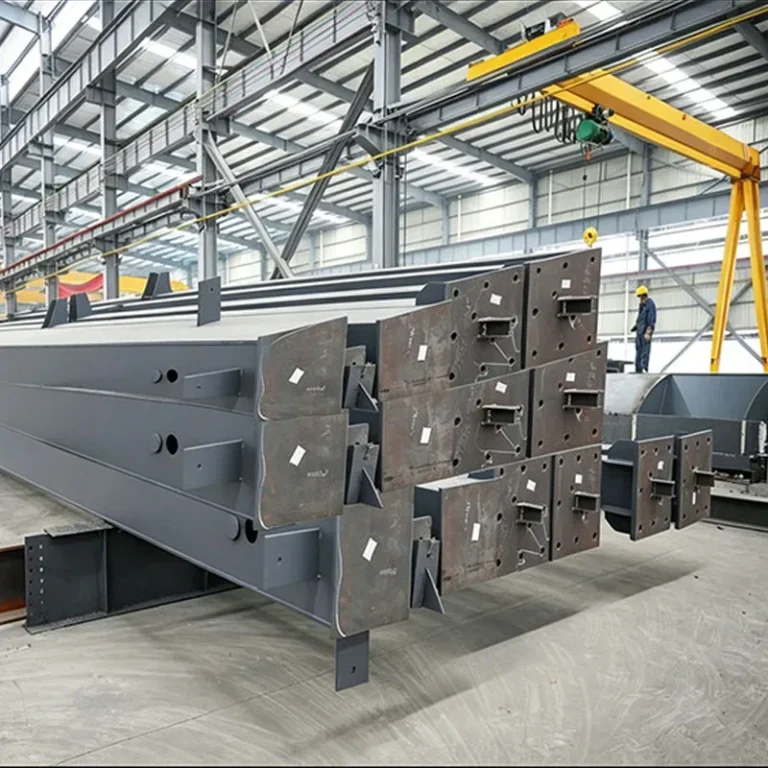
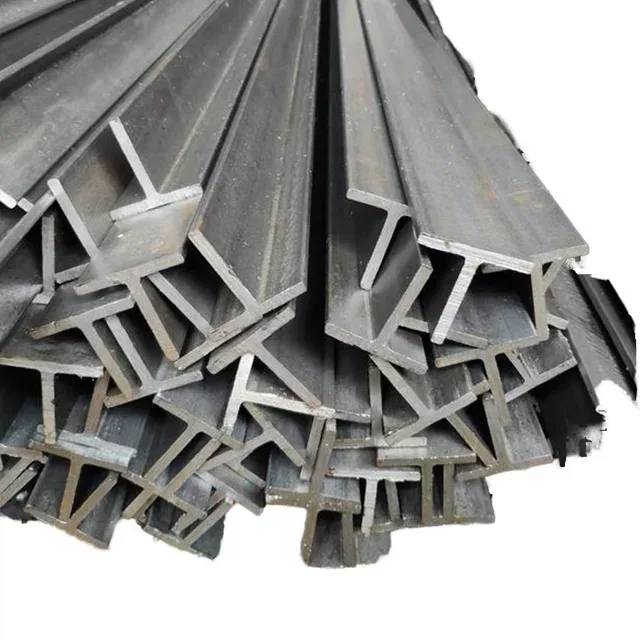
| Application | Industrial equipment frames, machinery enclosures, structural steel frames, custom metal fabrication projects |
| Origin | Shandong, China |
Application Suitability
| Industry | Typical Applications |
|---|---|
| EPC Contractors | Industrial plant steel frames, pipe rack supports, structural enclosures for process units |
| Machinery Manufacturers | Precision equipment frames, conveyor system housings, automation cell structures |
| Construction Companies | Structural steel components for buildings, bridge connection plates, infrastructure support frames |
| System Integrators | Conveyor frames, automated sorting structures, industrial platform assemblies |
When Tolerance Drives Assembly Failure on Fabricated Frames
A ±0.5mm drift on a laser-cut connection plate can cost a full day of rework on site.
Global buyers sourcing custom steel structure fabrication service supplier solutions often discover the problem only after containers arrive — holes misaligned, weld prep edges uneven, and entire sub-assemblies refusing to bolt together. The root cause is rarely the steel grade itself, but the gap between drawing intent and shop-floor execution, especially when fabrication is outsourced to workshops without in-process verification.
For projects spanning EU, North America, and Southeast Asia, this tolerance drift compounds into customs delays when mill test certificates do not match shipped material, and into structural safety concerns when thickness falls below the specified 0.5mm–12mm range without notification [NEED_CITE: ISO2768-mk general tolerance requirements for machined and fabricated steel components].
Matching Multi-Material Fabrication to Engineering Environments
The custom steel structure fabrication service supplier capability to process Carbon Steel, Stainless Steel, and Aluminum within a single order eliminates the coordination burden of splitting frames, enclosures, and corrosion-prone components across three workshops. Each material is traceable by heat number or batch, with chemical composition verified before cutting begins. For a recent industrial equipment frame order, the Carbon Steel structural members were hot-dip galvanized while the Stainless Steel enclosure panels received passivation treatment — both dispatched in one consolidated shipment with matched documentation.
Structural Compliance and Surface Protection Selection
Engineering codes such as EN 1993 for steel structures and AISC 360 for welded connections set baseline requirements for material certification and weld quality. The custom steel structure fabrication service supplier delivers compliance documentation aligned with these frameworks, including mill test certificates referencing the specific steel grade and surface treatment applied. For coastal or chemical plant environments, Galvanized or Zinc Plated finishes provide sacrificial corrosion protection, while Powder Coating and Painting suit architectural or indoor machinery enclosures where appearance matters alongside durability [NEED_CITE: surface treatment selection for fabricated steel in corrosive environments per ISO 12944].
Process Sequence and Material Behavior
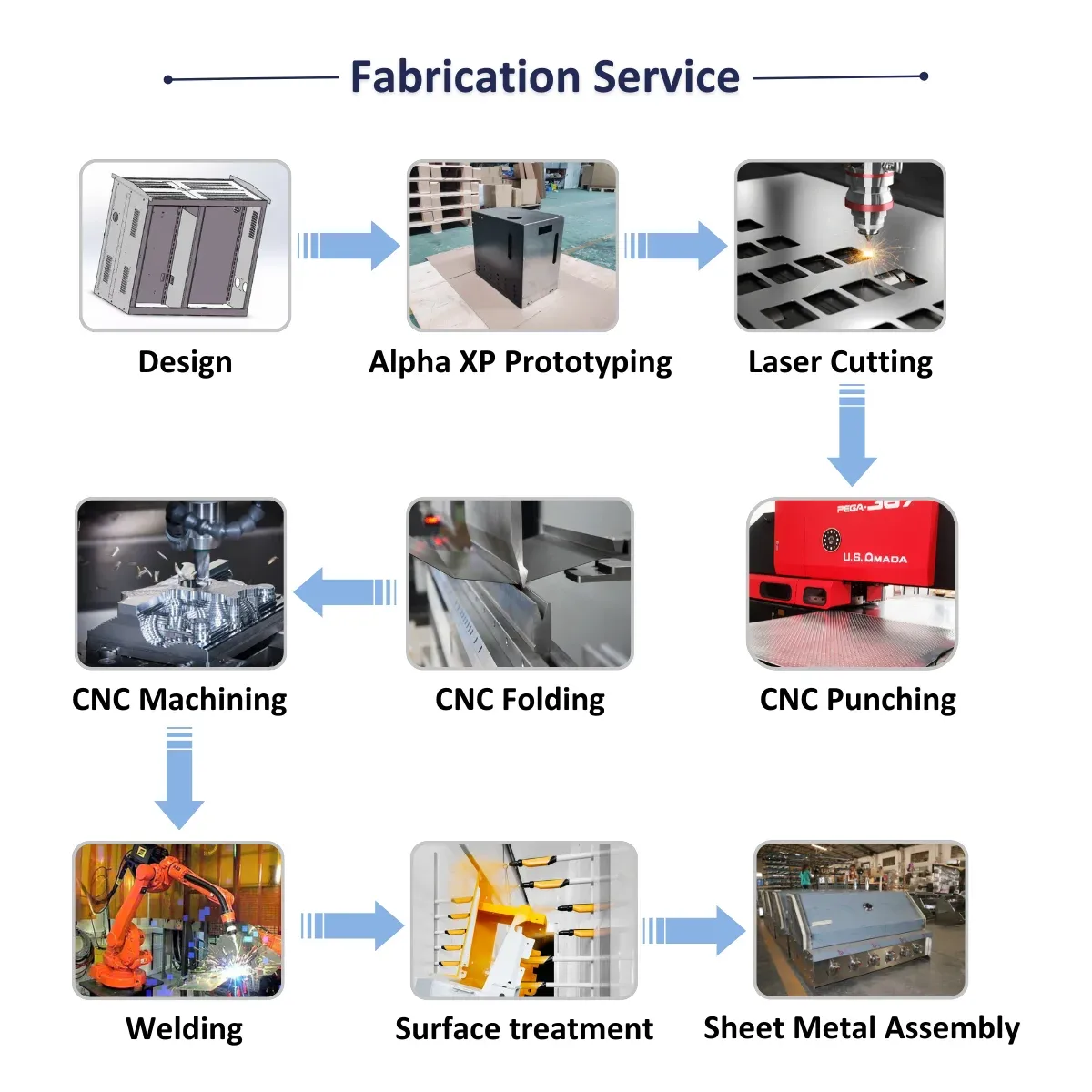
Laser Cutting delivers clean edges on plates up to 12mm without heat-affected zone distortion that would compromise subsequent CNC Bending accuracy. Stamping and CNC Punching handle high-volume bracket production with consistent hole positioning, while Welding — MIG, TIG, or submerged arc depending on thickness — joins structural members under controlled parameters verified by in-house physical and chemical laboratories. For Aluminum components, Anodized or Brush finishes preserve the natural oxide layer, whereas Carbon Steel frames typically receive Galvanized or Powder Coated treatment to extend service life. Die Casting fills the gap for complex small-volume brackets that cannot be economically fabricated from plate. The ISO2768-mk tolerance of ±0.01mm ensures that laser-cut profiles and CNC-machined connection faces mate correctly during site assembly, avoiding the costly shimming and re-drilling that plague loosely toleranced fabrication.
Hidden Costs of Unverified Fabrication Sourcing
Ordering a custom steel structure fabrication service supplier without confirmed material traceability invites three categories of loss: engineering rejection when chemical composition does not match the specified grade, customs detention when CE or mill certificates are missing or inconsistent, and on-site rework when thickness or flatness deviates beyond assembly tolerance. A structural frame delivered with undocumented steel grade substitution may pass visual inspection but fail ultrasonic testing at the client’s port, triggering full return or local scrap — costs that dwarf the original price difference between verified and unverified sourcing [NEED_CITE: consequences of non-conforming steel materials in structural fabrication per EN 1090 execution class requirements].
Procurement Confidence Built on Verified Capability
Every custom steel structure fabrication service supplier order passes through in-house physical and chemical laboratories for incoming material verification, in-process dimensional checks, and final inspection before packing — with full reports issued alongside shipment. The factory maintains 2,800+ specifications across tubes, pipes, plates, and fabricated structures, allowing a single purchase order to cover structural frames, connection plates, and enclosure panels without splitting suppliers. Proprietary sharp-corner rectangular tube technology, backed by 41 patents, integrates directly into fabricated assemblies where standard rounded-corner sections cannot achieve the required connection geometry. Lloyd’s Register EU CE certification under EN 10210/10219 and ISO 9001:2015 quality management ensure that documentation satisfies European, North American, and Middle Eastern customs and engineering reviewers. Professional loading plans optimize container utilization for mixed shipments of fabricated structures alongside tubes and plates, reducing per-unit freight cost on consolidated orders exported to 50+ countries.
Documentation & Compliance
- Mill test certificate documenting Carbon Steel, Stainless Steel, or Aluminum chemical composition and mechanical properties per ISO2768-mk and applicable material standards
- Lloyd’s Register EU CE certificate under EN 10210/10219 for structural steel fabrication exported to European markets
- ISO 9001:2015 quality management system certificate covering the full fabrication process from cutting to final inspection
- SGS or BV third-party inspection report available for projects requiring independent verification before shipment
- Material traceability by heat number or batch code linking each fabricated component to its original mill certificate
- Customs document package including packing list, Bill of Lading, and certificate of origin aligned with destination country requirements
Packaging, Loading & Delivery
- Fabricated Carbon Steel structures bundled with steel strips and edge protectors to prevent coating damage during ocean transit
- Stainless Steel and Aluminum components wrapped in protective film with separated layers to avoid contact corrosion between dissimilar metals
- Powder Coated and Galvanized surfaces packed with non-abrasive spacers to preserve finish integrity throughout handling and shipping
- Mixed container loading plans optimized for fabricated structures combined with tubes and plates, maximizing weight and volume utilization per shipment
- Heat number and steel grade markings stenciled on each bundle for on-site identification and traceability verification
- FOB, CIF, and DDP logistics options with door-to-door delivery coordination for project sites across EU, North America, and Southeast Asia
Initiating a Fabrication Inquiry with Drawing and Specification
Submit your PDF, CAD, STP, or IGS drawings along with material grade, surface treatment preference, quantity, and destination port to receive a detailed quotation within 12 hours. The response includes unit pricing, production lead time, applicable certification scope, and a preliminary loading plan for your custom steel structure fabrication service supplier order. Non-standard geometries and multi-material combinations are reviewed by the engineering team for manufacturability before pricing is confirmed.
Frequently Asked Questions
Q: What drawing formats and technical details are required for a fabrication quotation?
A: Acceptable formats include PDF, CAD, STP, IGS, X_T, DXF, DWG, and 3D files. The quotation request should specify steel grade (Carbon Steel, Stainless Steel, or Aluminum), thickness range within 0.5mm–12mm, surface treatment preference, quantity, and destination port.
Q: Can the engineering team review drawings and advise on design modifications for cost or manufacturability?
A: Yes. The in-house engineering team reviews submitted drawings to identify opportunities for tolerance adjustment, material substitution, or process sequence changes that reduce cost without compromising structural performance. Revised pricing is provided before production begins.
Q: What quality inspections are performed during the fabrication process?
A: Incoming material is verified against mill certificates in the physical and chemical laboratory. In-process inspections cover dimensional accuracy per ISO2768-mk (±0.01mm), weld quality, and surface treatment thickness. Final inspection reports are issued before shipment.
Q: Which surface treatment is suitable for outdoor structural applications in coastal environments?
A: Hot-dip Galvanized coating provides sacrificial corrosion protection for Carbon Steel structures in coastal or high-humidity environments. Stainless Steel components may require passivation treatment, while Powder Coating over a zinc primer offers additional aesthetic and UV resistance for architectural applications.
Q: What delivery terms and logistics options are available?
A: FOB, CIF, and DDP terms are available with professional container loading plans that optimize weight distribution for mixed shipments of fabricated structures, tubes, and plates. Door-to-door logistics coordination covers 50+ countries including EU, North America, India, Southeast Asia, and the Middle East.
Start Your Custom Fabrication Order with Verified Material and Precision Tolerance
Send your drawings and specification to receive a quotation and mill test certificate preview within 12 hours.
Shandong Xin Jiyuan Special Steel Tube Co., Ltd
Tel: +86 531 8573 6315
Mobile/WhatsApp/WeChat: +86 188 5315 7756
Email: admin@sdxjysteel.com