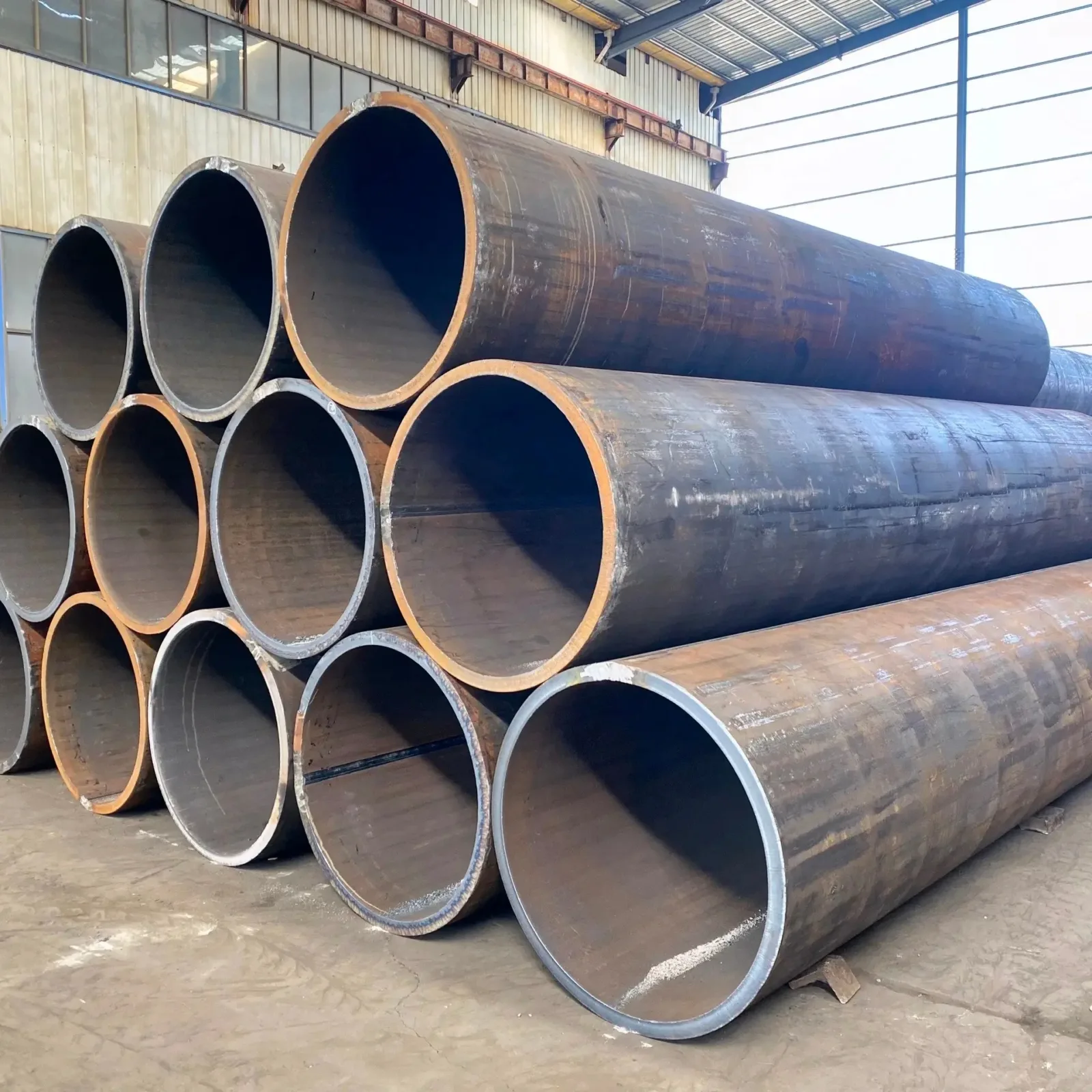
Description
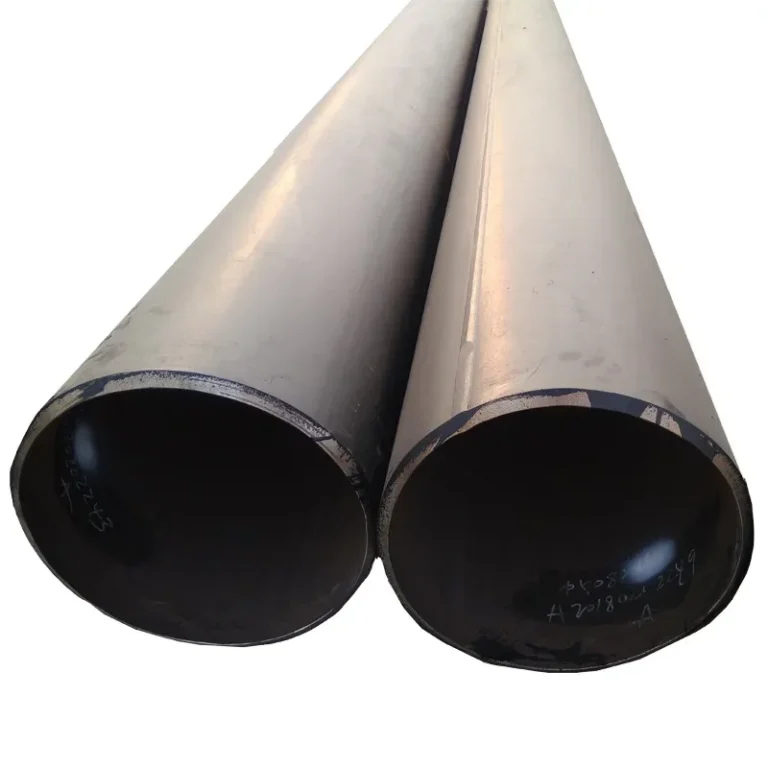
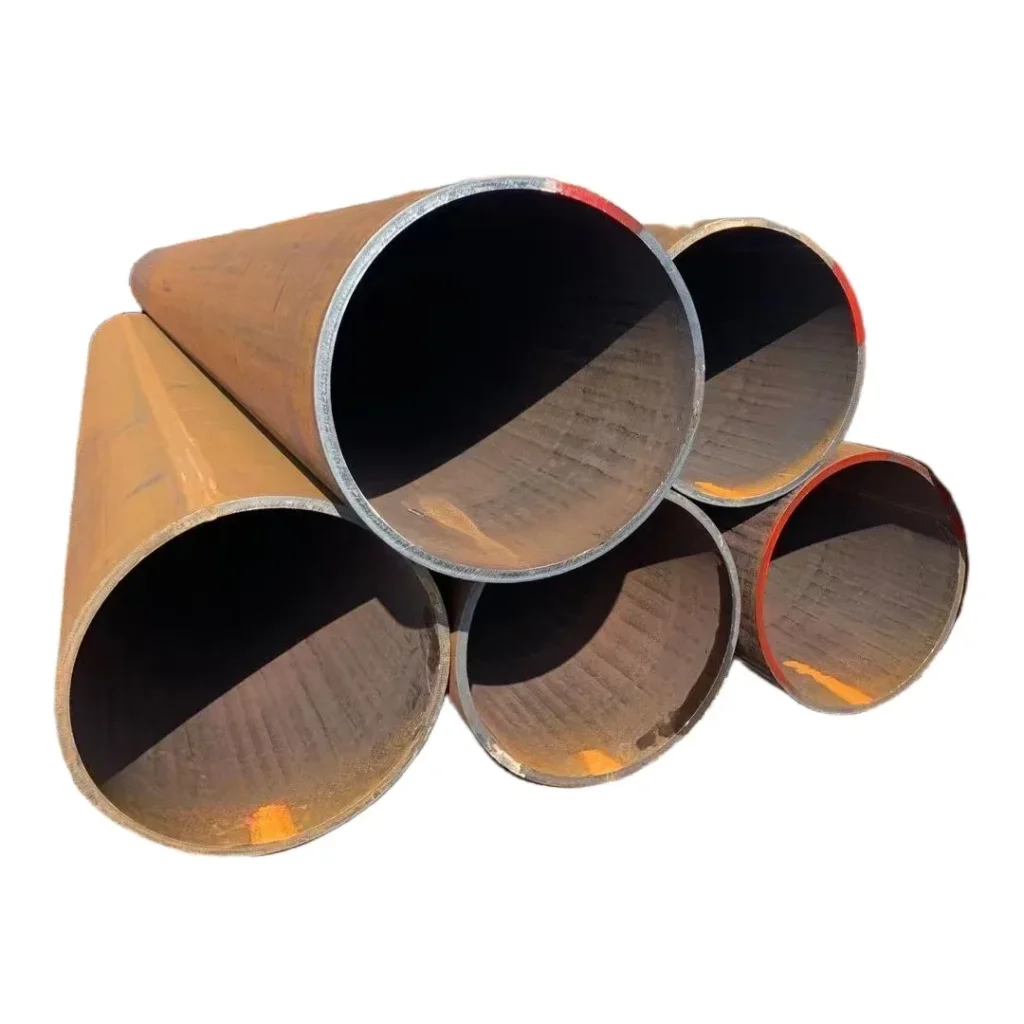
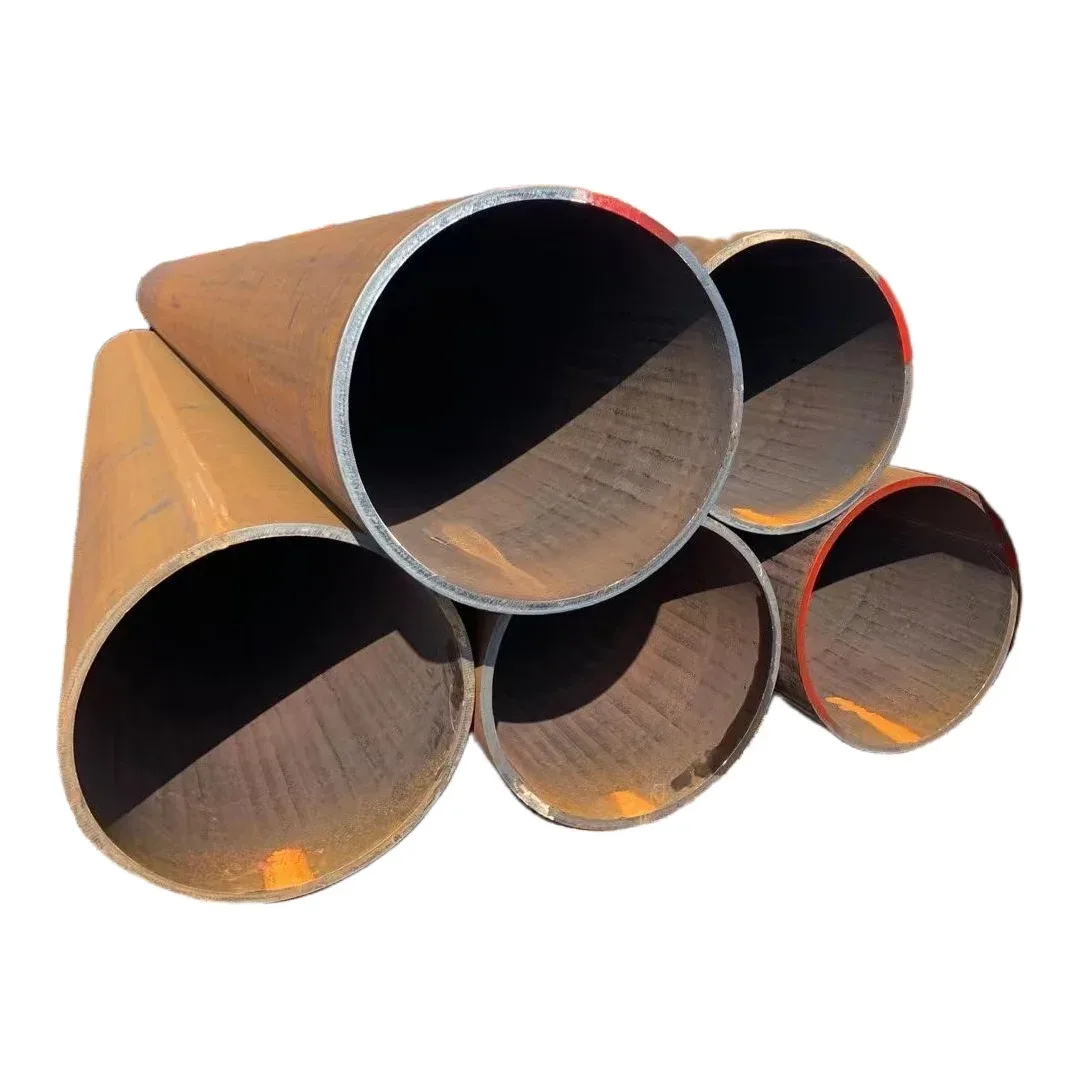
Factory-direct ASTM A672 LSAW boiler pipes — produced on dedicated lines with in-house physical and chemical laboratory testing, shipped with full Mill Test Certificates and CE/ISO documentation for customs clearance across 50+ countries.
Technical Specifications
| Parameter | Value |
|---|---|
| Designation | ASTM A672 Gr. B60 LSAW Boiler Pipe |
| Product Type | Welded Steel Pipe (LSAW) |
| Steel Grade | ASTM A672 Gr. B60 |
| Standard | ASTM A672 / ASTM A672M |
| Section Shape | Round |
| Outer Diameter | 406–1422.4 mm (16–56 inches) |
| Wall Thickness | 8–50 mm |
| Length | 3–12.5 m |
| Technique | LSAW (Longitudinal Submerged Arc Welded) |
| Surface Treatment | Non-oiled, Plain/Bevel Ends |
| Heat Treatment Class | CL10–CL73 |
| Tolerance | ±1% |
| Ends | Plain Ends / Bevel Ends |
| Invoicing | By Actual Weight |
| Origin | Shandong, China |
Application Suitability
| Industry | Typical Applications |
|---|---|
| Power Engineering | Boiler tubes, superheater systems, and steam headers in thermal and industrial power plants |
| Petroleum & Chemical | High-temperature fluid and gas transmission pipelines in refinery and processing facilities |
| Offshore Engineering | Platform piping systems requiring code-compliant welded pipes for corrosive marine environments |
| Municipal Infrastructure | Large-diameter pipe networks for district heating and industrial steam distribution |
Why Heat Treatment Class Determines Boiler Pipe Performance Under Pressure
The CL designation on ASTM A672 Gr. B60 LSAW boiler pipe is not a formality — it defines whether the weld zone survives thermal cycling without stress corrosion cracking.
EPC contractors sourcing pressure-rated pipes for power and chemical projects frequently encounter material traceability gaps when heat treatment records are incomplete or missing from Mill Test Certificates. A pipe that meets dimensional tolerance but lacks proper stress-relief annealing will pass visual inspection yet fail during hydrostatic testing or within the first year of high-temperature service. Weld seam integrity in LSAW construction depends entirely on post-weld heat treatment class selection — CL10 through CL73 each specify different combinations of radiographic examination and thermal processing, and specifying the wrong class for your operating temperature range creates both safety risk and project compliance failure. [NEED_CITE: ASTM A672 heat treatment class requirements for pressure vessel applications]
Matching Large-Diameter LSAW Pipes to High-Temperature Pressure Systems
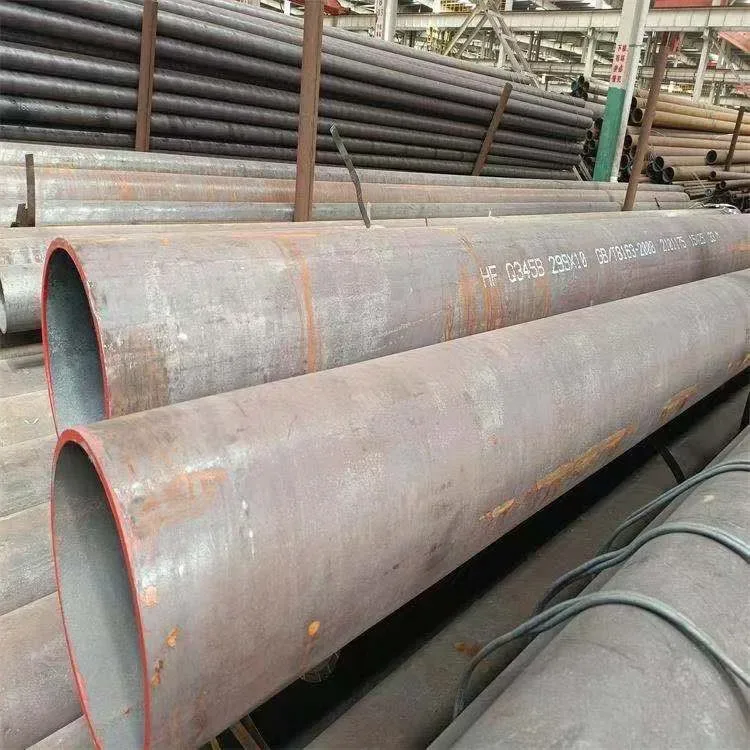
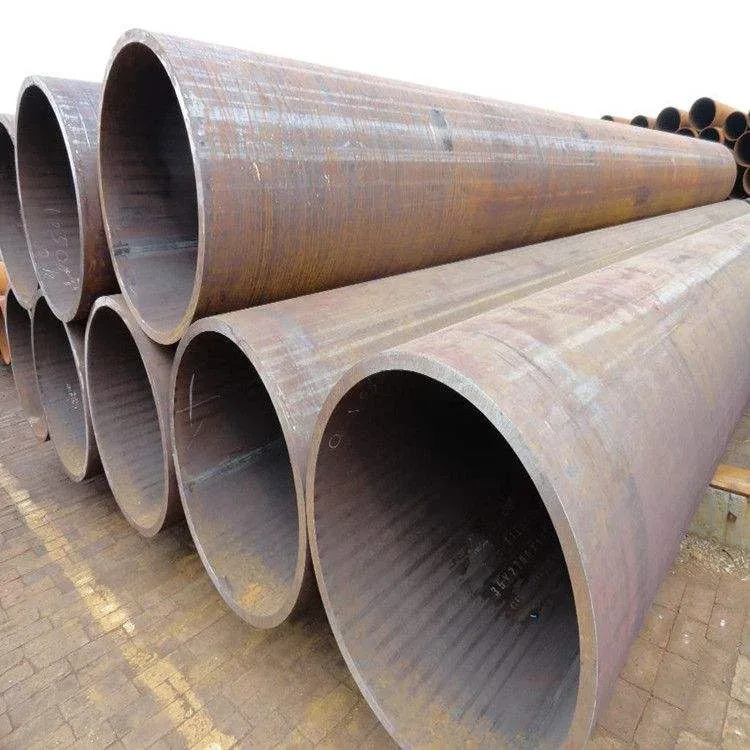
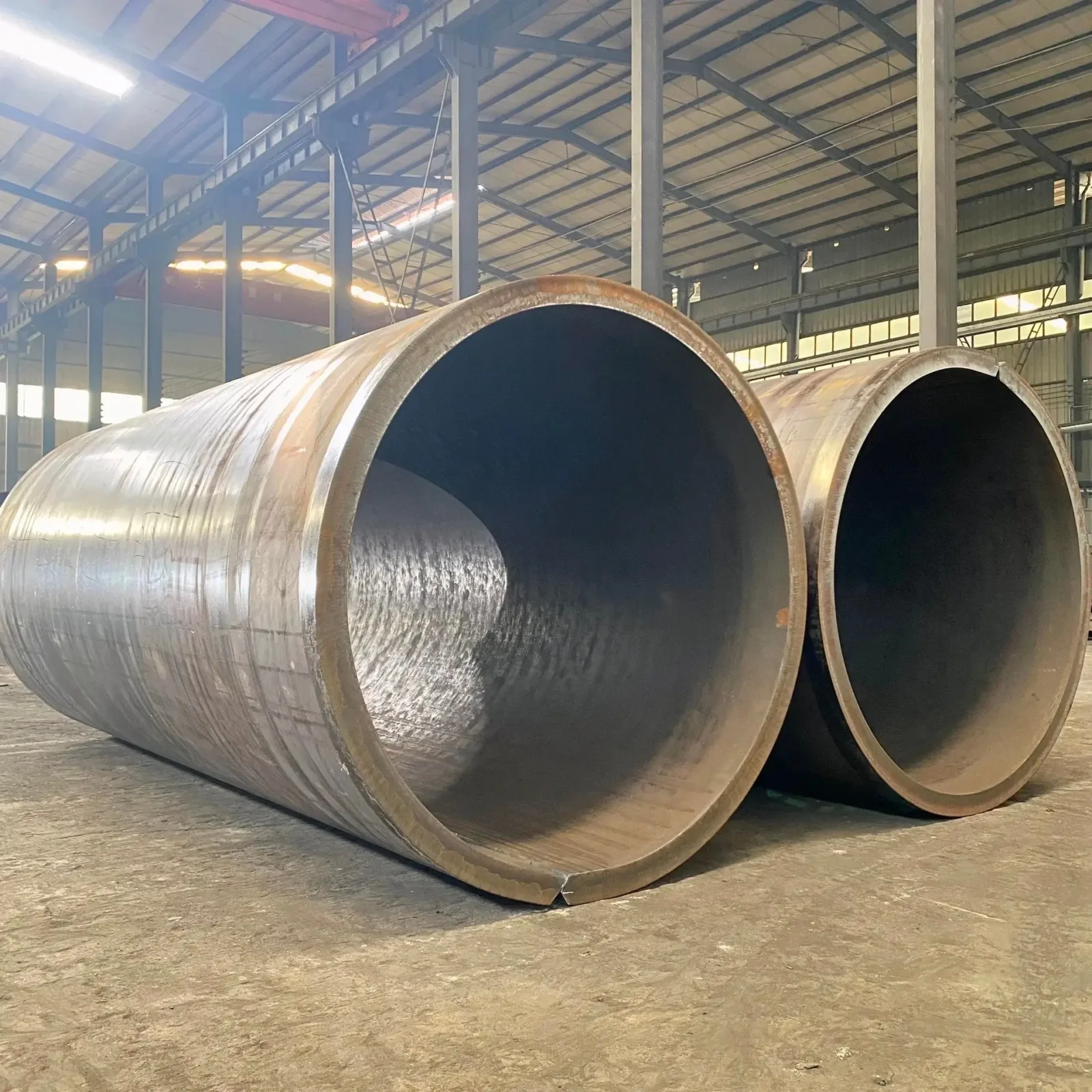
ASTM A672 Gr. B60 LSAW boiler pipe covers the 406–1422.4 mm outer diameter range with wall thickness up to 50 mm, positioning it directly within the specification requirements for industrial boiler shells, superheater headers, and high-pressure steam mains. The LSAW longitudinal submerged arc welding process produces a single straight weld seam per pipe, which simplifies ultrasonic and radiographic inspection compared to spiral-weld alternatives — critical when your project specification demands full volumetric NDT on every length. Bevel ends are supplied ready for butt-weld joint preparation, eliminating secondary machining at the installation site and reducing field welding time on critical pressure boundaries.
Engineering Compliance and Certification Requirements for Pressure-Rated Boiler Pipe
Boiler and pressure vessel applications fall under stringent engineering codes that govern material selection, fabrication, and inspection. ASTM A672 Gr. B60 LSAW boiler pipe must conform to the chemical composition and mechanical property requirements of the base plate specification, while the heat treatment class determines the extent of non-destructive testing applied to the weld seam. [NEED_CITE: ASTM A672 specification requirements for electric-fusion-welded pipe] For projects shipping to European markets, CE certification under EN 10210/EN 10219 and third-party verification by SGS or BV provide the documentation framework required for customs clearance and project handover. Material traceability by heat number ensures that every pipe length can be linked back to its original plate chemistry and rolling records — a requirement that becomes non-negotiable during owner-engineer audits and regulatory inspections.
Understanding ASTM A672 Heat Treatment Classes and LSAW Weld Integrity
The ASTM A672 standard organizes its requirements through heat treatment classes ranging from CL10 to CL73, each defining a specific combination of radiographic examination percentage and thermal treatment protocol. Lower classes such as CL10 require full radiographic inspection of the weld but no mandatory post-weld heat treatment, making them suitable for moderate-temperature service where residual welding stresses are acceptable. Higher classes including CL22, CL32, and CL52 mandate stress-relief annealing or full normalizing of the weld zone, which redistributes residual stresses and restores toughness in the heat-affected zone adjacent to the weld seam. The LSAW process itself produces a high-quality longitudinal weld with deep penetration and consistent fusion, but without the appropriate heat treatment class for your service conditions, the weld zone remains vulnerable to stress corrosion cracking under cyclic thermal loading. Wall thickness up to 50 mm across the 406–1422.4 mm diameter range means these pipes serve both moderate-pressure steam distribution and high-pressure boiler applications, where the selection between CL12 and CL52 directly affects long-term structural reliability.
The Hidden Cost of Specifying the Wrong Heat Treatment Class
Ordering ASTM A672 Gr. B60 LSAW boiler pipe without confirming the heat treatment class against your operating conditions creates compounding downstream costs. A pipe delivered under CL10 when your engineer specified CL22 will fail material verification during pre-commissioning inspection, requiring complete replacement of affected pipe spools and project schedule delays that cascade through mechanical completion milestones. Missing or incomplete Mill Test Certificates trigger customs holds at destination ports, particularly in EU and Middle East markets where CE marking and third-party inspection reports are mandatory for pressure equipment imports. [NEED_CITE: pressure equipment directive certification requirements for imported steel pipe] Material traceability gaps discovered during owner-engineer audits can result in rejection of entire shipment lots, regardless of whether the pipe itself meets dimensional and chemical requirements.
Procurement Verification and Quality Assurance from Factory to Site
Every ASTM A672 Gr. B60 LSAW boiler pipe produced at our facility undergoes incoming, in-process, and final inspection in our dedicated physical and chemical laboratory, with full documentation generated before shipment. Our in-house NDT capabilities include ultrasonic testing and radiographic examination of weld seams per the requirements of each specified heat treatment class, eliminating dependence on external inspection agencies for routine quality verification. As a national high-tech enterprise that participated in drafting China’s cold-formed steel industry standards, we maintain production protocols that exceed minimum code requirements across our three dedicated production lines covering 2,800+ specifications. CE certification under EN 10210/EN 10219, ISO 9001:2015 registration, and third-party verification by SGS and BV provide the certification framework your project requires for international customs clearance and regulatory compliance. Professional loading plans and container optimization for large-diameter heavy-wall pipes ensure that pipes arrive at destination without ovality deformation — a lesson learned from early export shipments where inadequate internal support during ocean transit resulted in rejected cargo.
Documentation & Compliance
- Mill Test Certificate documenting ASTM A672 Gr. B60 chemical composition, tensile properties, and heat treatment class per ASTM A672M
- CE certificate covering EN 10210/EN 10219 compliance for pressure equipment exported to European Union markets
- ISO 9001:2015 quality management system certificate covering full production and inspection processes
- SGS or BV third-party inspection report available upon request for project-specific material verification
- Complete material traceability by heat number linking each pipe length to original plate chemistry and rolling records
- Customs documentation package including packing list, Bill of Lading, and Certificate of Origin for destination port clearance
Packaging, Loading & Delivery
- ASTM A672 Gr. B60 LSAW boiler pipes bundled with steel strip ties and seaworthy packaging, with end protectors fitted on bevel-ended lengths to preserve weld preparation during transit
- Non-oiled surface condition requires moisture barrier wrapping for ocean shipment to prevent flash rust on bare steel surfaces during extended sea transit
- Large-diameter pipes (406–1422.4 mm) loaded per engineered stowage plans with internal support bracing to prevent ovality deformation during container or breakbulk shipping
- Custom cut lengths available within the 3–12.5 m range to match project spool drawings and reduce field cutting waste at installation sites
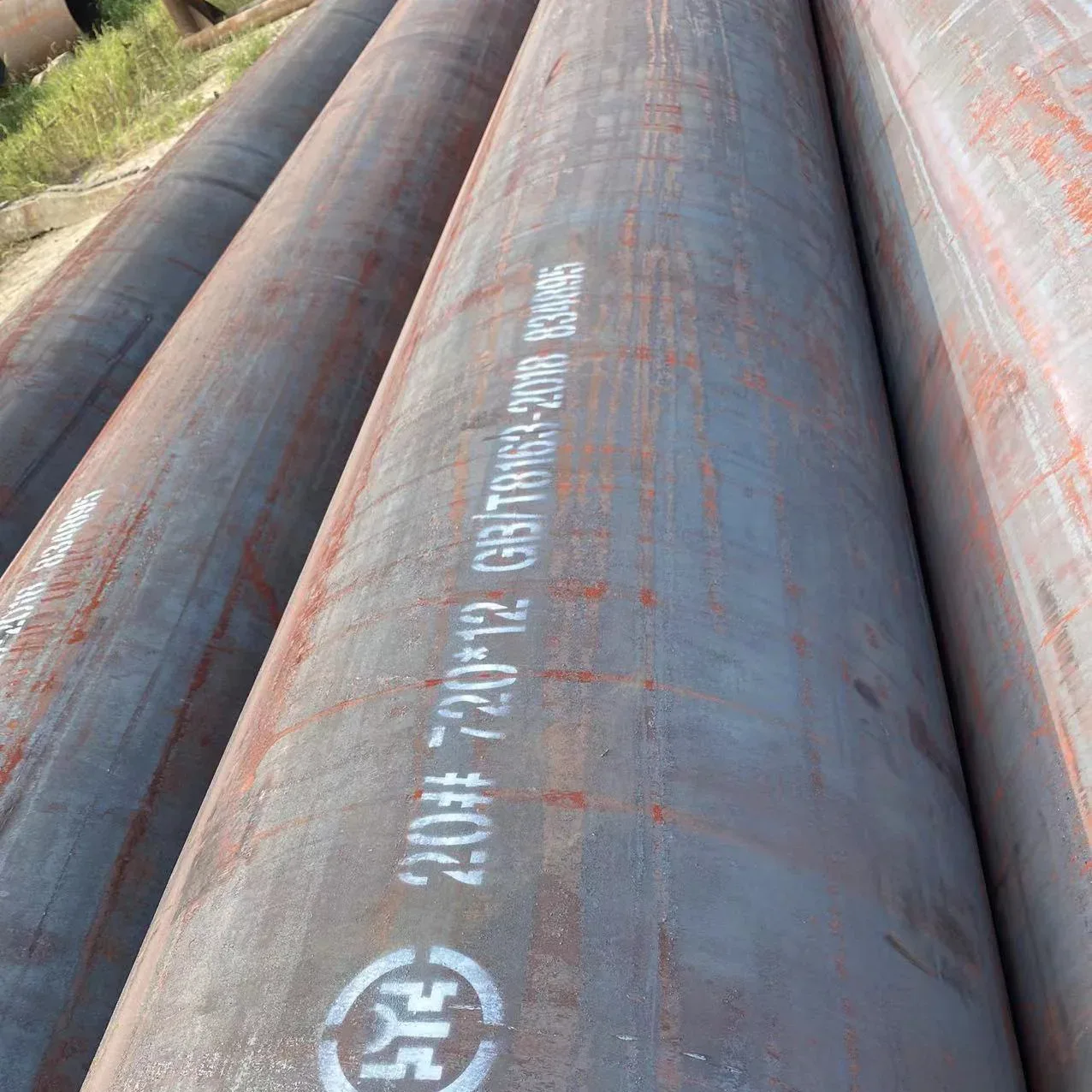
- Heat number and steel grade markings stenciled on each pipe length for site identification and traceability verification during installation
- FOB, CIF, and DDP shipping terms available with door-to-door logistics coordination to EU, North America, Middle East, and Southeast Asian destinations
Submit Your Specifications for ASTM A672 Gr. B60 LSAW Boiler Pipe Pricing and Documentation
Provide your required outer diameter, wall thickness, heat treatment class, quantity, and destination port to receive a detailed quotation including unit pricing, production lead time, and applicable certification documentation. Our engineering team will confirm material availability, review your heat treatment class requirements against service conditions, and provide loading optimization recommendations for your shipment size.
Request Your ASTM A672 Gr. B60 LSAW Boiler Pipe Quotation
Submit your specifications via email at admin@sdxjysteel.com or contact us directly at +86 188 5315 7756 (WhatsApp/WeChat) to receive pricing, Mill Test Certificate samples, and delivery confirmation within 12 hours.
Frequently Asked Questions
Q: What is the difference between ASTM A672 CL12 and CL22 heat treatment classes for boiler pipe?
A: CL12 requires full radiographic examination of the weld seam but does not mandate post-weld heat treatment, making it suitable for moderate-temperature service. CL22 requires stress-relief annealing of the weld zone in addition to radiographic inspection, which reduces residual welding stresses and improves resistance to stress corrosion cracking in higher-temperature boiler applications.
Q: How do you ensure weld quality and prevent stress corrosion cracking in LSAW boiler pipes?
A: Our LSAW production process uses submerged arc welding with real-time parameter monitoring, followed by heat treatment per the specified CL class. In-house physical and chemical laboratories conduct ultrasonic and radiographic testing on every production run, with full documentation included in the Mill Test Certificate.
Q: Can you provide third-party inspection alongside your Mill Test Certificate?
A: Yes. We accommodate SGS, BV, and other internationally recognized third-party inspection agencies for pre-shipment verification. Third-party inspection reports are issued alongside our factory Mill Test Certificates and CE documentation for project compliance.
Q: What are the available end types and custom length options for ASTM A672 LSAW pipes?
A: We supply plain ends and bevel ends per your welding joint preparation requirements. Standard lengths range from 3 to 12.5 m, with custom cut-to-length options available to match your project spool drawings and reduce field fabrication waste.
Q: How do you handle logistics for large-diameter heavy-wall pipes to international destinations?
A: Each shipment is loaded per engineered stowage plans with internal bracing for large-diameter pipes to prevent ovality deformation during ocean transit. We offer FOB, CIF, and DDP terms with professional container optimization and door-to-door logistics coordination to EU, North America, Middle East, and Southeast Asian ports.