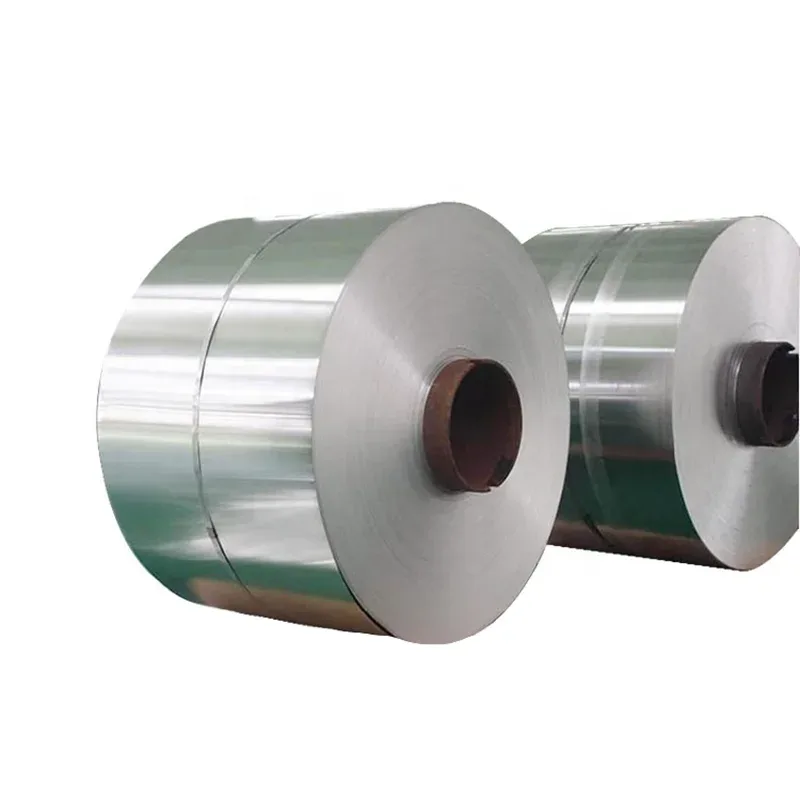
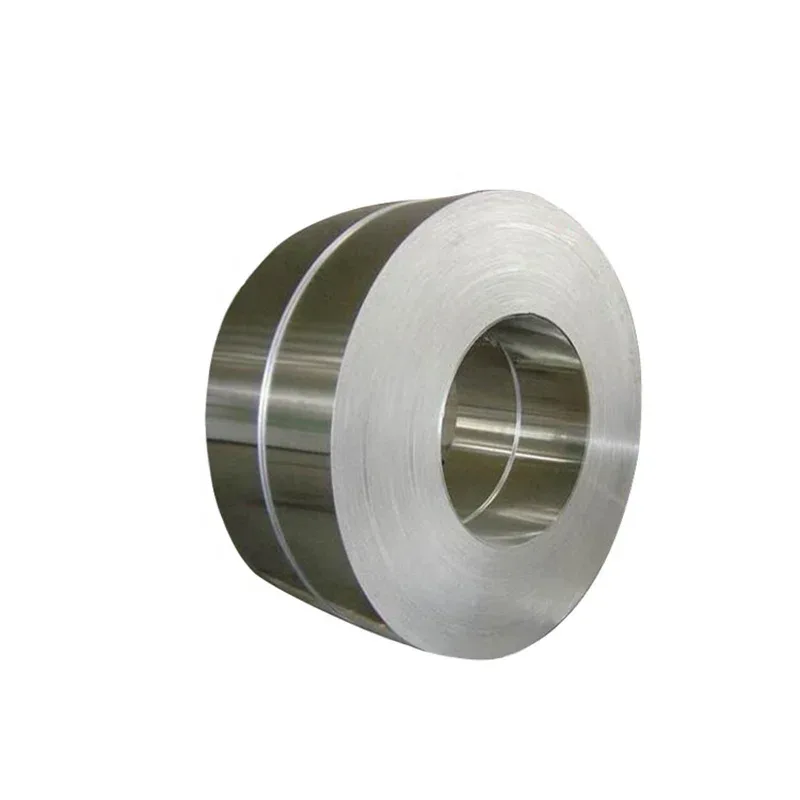
Description
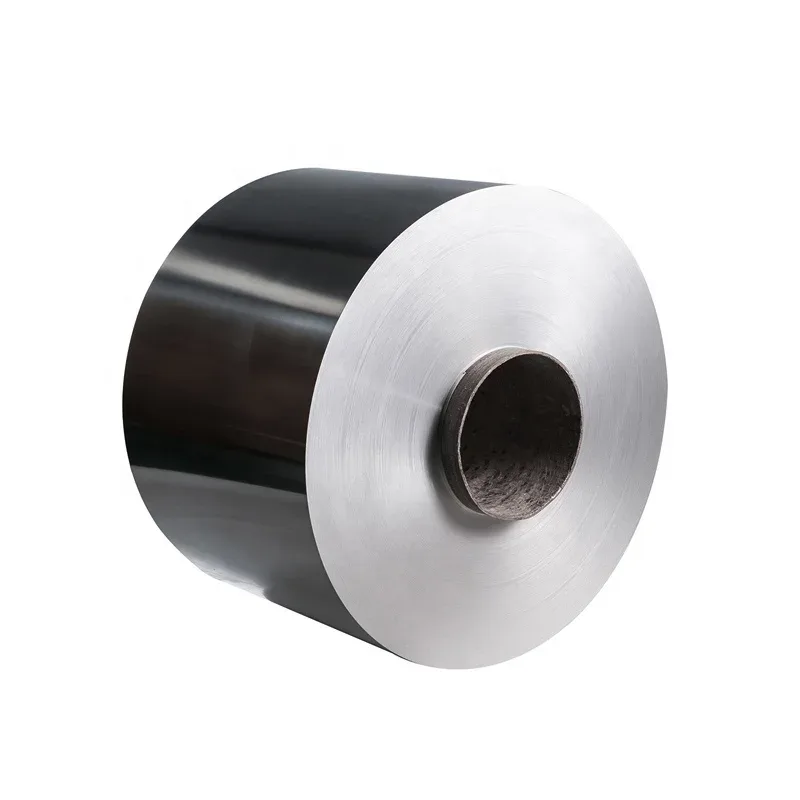
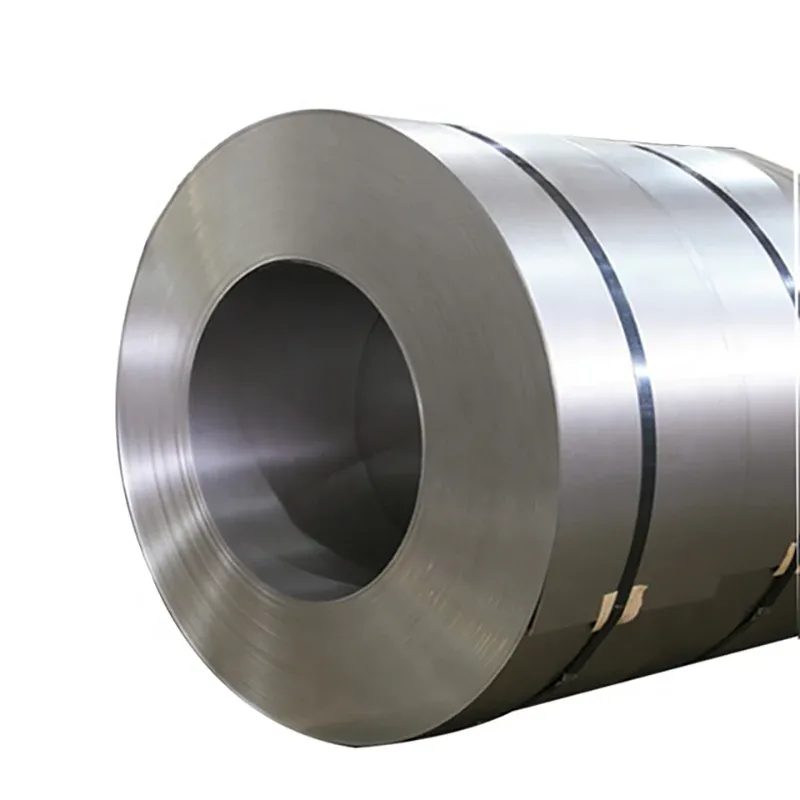
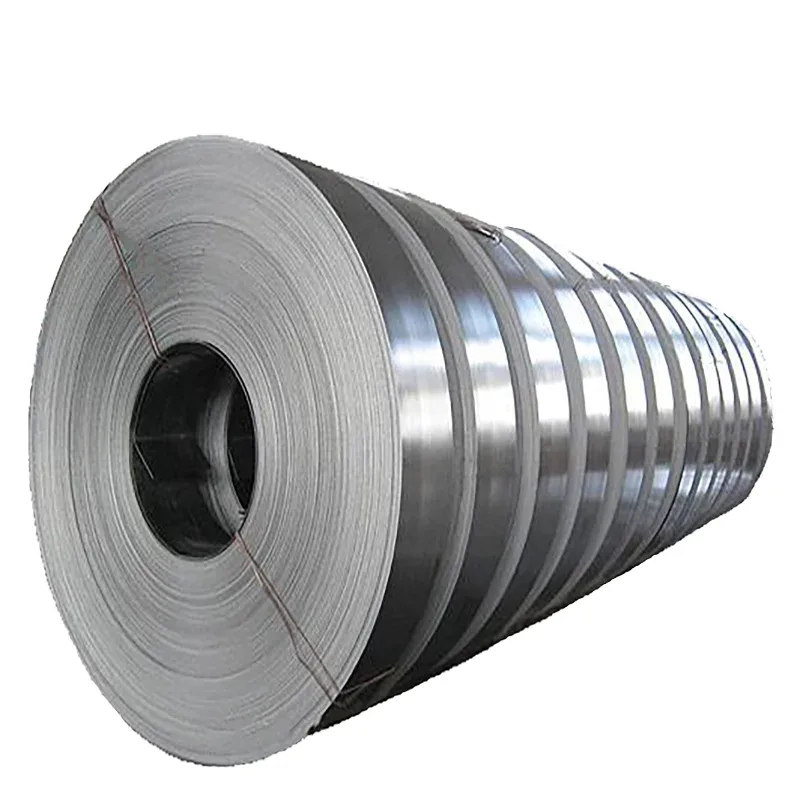
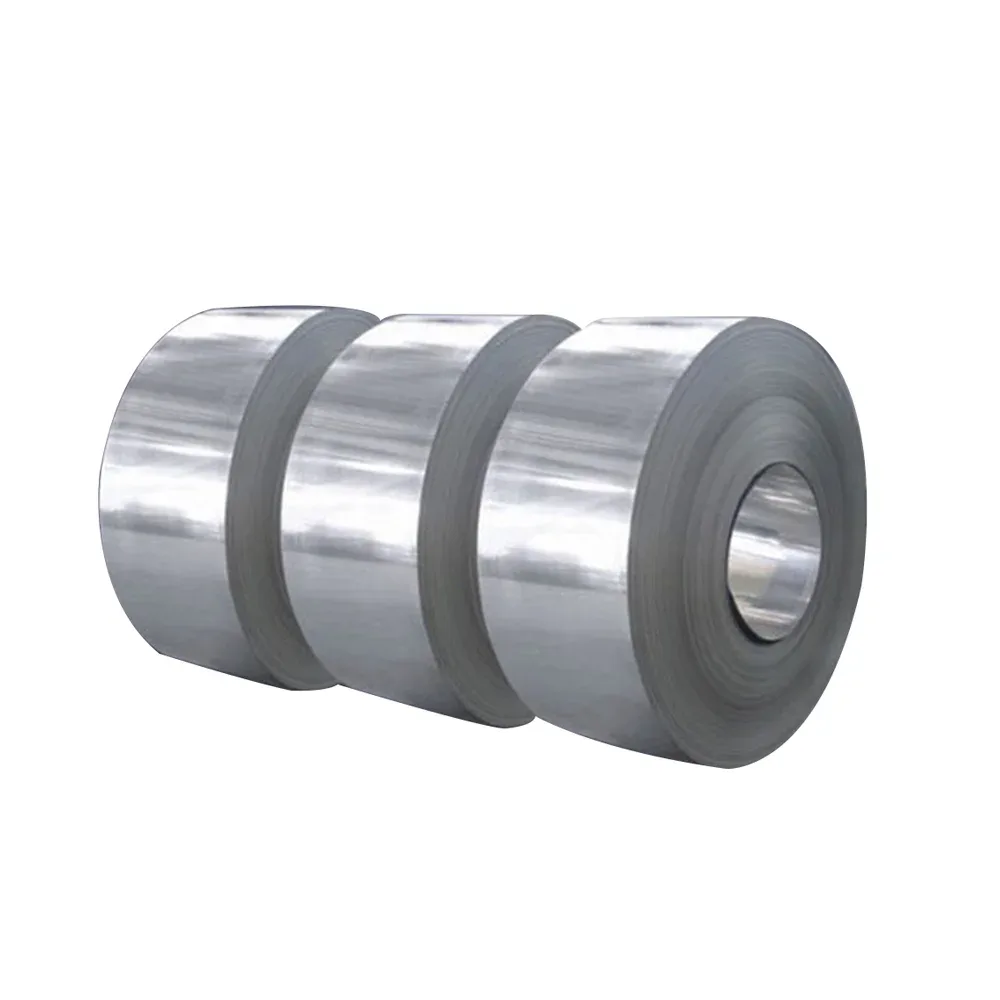
Factory-Direct 300 Series Stainless Steel Coil — Every coil is inspected in our in-house physical and chemical laboratory before shipment, with full chemical composition traceable by heat number.
Technical Specifications
| Parameter | Value |
|---|---|
| Designation | 300 Series Stainless Steel Coil |
| Product Type | Steel Coil / Sheet / Plate / Strip |
| Steel Grade | 201, 301, 304, 309S, 310S, 316, 316L, 321, 405, 409L, 410, 410L, 420, 430, 430A, 904L, 2205, 2507, 2520 |
| Standard | ASTM, JIS, GB, AISI, DIN, BS, EN |
| Section Shape | Coil |
| Size Range | Width: 1000mm / 1219mm / 1500mm (slit to narrow width available); Length: 2000mm / 2438mm / 2440mm / 3048mm or customized |
| Thickness | Cold Rolled 0.15–3mm; Hot Rolled 3–120mm |
| Technique | Cold Rolled / Hot Rolled |
| Surface Treatment | NO.1, 2D, 2B, BA, 8K, NO.4 (HL), Embossed, Short/Long Wire Drawing, Colored |
| Ends | Coil form |
| Application | Chemical equipment, industrial tanks, food industry, medical equipment, kitchen utensils, building construction, architectural decoration, storage tanks, petroleum industry |
| Origin | Shandong, China |
Application Suitability
| Industry | Typical Applications |
|---|---|
| Chemical & Petroleum | Corrosion-resistant storage tanks, process piping, pressure vessels using 316L and 904L grades |
| Construction & Architecture | Elevator interior panels, facade cladding, and decorative trim with 8K mirror or HL brushed finish on 304 and 430 |
| Food & Medical | Hygienic processing equipment, surgical instrument housings, and clean-room work surfaces in 304 and 316 with 2B or BA finish |
| Industrial Equipment | Heat-resistant furnace components and exhaust systems using 309S, 310S, and 2520 grades |
Why 316L Outperforms 304 in Coastal and Chemical Environments — A 304 316 Stainless Steel Coil Supplier’s Field Observation
Molybdenum content in 316L prevents pitting corrosion that destroys 304 within months in chloride-rich atmospheres.
I have seen project teams in Lagos and Dubai specify 304 for coastal facades and storage tanks, only to find rust streaks and pitting marks appearing before the warranty period ends. The root cause is always the same: 304 lacks molybdenum, and chloride ions in marine air or chemical splash zones attack the passive film at weak points. Switching to 316L or 904L solves this, but buyers often discover the material mismatch only after on-site inspection failures. [NEED_CITE: pitting resistance equivalent number PREN comparison between 304 and 316L]
Fragmented sourcing makes this worse — when coils, sheets, and fabricated parts come from different suppliers, grade consistency becomes a gamble. A 304 316 stainless steel coil supplier with in-house laboratory testing eliminates this risk by verifying every heat number before release.
Matching Surface Finish to End-Use Requirements in Architectural and Industrial Projects
A 304 316 stainless steel coil is never just a commodity — its surface finish determines whether it passes aesthetic inspection on a high-rise lobby or survives acid wash-down in a food processing plant. For architectural decoration, 8K mirror finish on 304 delivers the reflectivity needed for elevator cab interiors, while HL brushed finish on 430 hides fingerprints and minor scratches in public spaces. In food and medical applications, 2B and BA finishes provide the smooth, non-porous surface required by hygiene standards. Our cold rolled range from 0.15mm to 3mm covers precision stamping and deep drawing, while hot rolled coils up to 120mm serve heavy structural and industrial tank fabrication.
Engineering Compliance and Certification Requirements for Stainless Steel Coil Procurement
Stainless steel coil used in pressure vessels, structural cladding, or food-contact equipment must comply with specific material standards — ASTM A240 for general corrosion-resistant plate in North America, EN 10088 for European architectural and structural applications, and JIS G4304/G4305 for Japanese-specification projects. [NEED_CITE: ASTM A240 vs EN 10088 stainless steel plate and coil requirements] A 304 316 stainless steel coil supplier must provide mill test certificates documenting chemical composition per heat number, because customs authorities in the EU and Middle East routinely reject shipments lacking traceable MTCs. Third-party inspection by SGS or BV before loading adds a layer of verification that protects both buyer and supplier from grade substitution disputes at destination port.
Decoding Steel Grades and Rolling Processes Across the 300 and 400 Series
The 300 series austenitic grades — 304, 316, 316L, 321 — offer superior formability and weldability due to their face-centered cubic crystal structure, making them the default choice for deep-drawn kitchenware, chemical tanks, and architectural panels. 316L’s low carbon content prevents sensitization during welding, eliminating intergranular corrosion risk in heat-affected zones. The 400 series ferritic and martensitic grades — 410, 420, 430 — provide magnetic properties and higher hardness at lower cost, suitable for cutlery, automotive trim, and decorative hardware. Duplex grades 2205 and 2507 combine austenitic and ferritic structures, delivering double the yield strength of standard austenitic grades with exceptional resistance to chloride stress corrosion cracking — ideal for offshore and desalination applications. [NEED_CITE: duplex stainless steel 2205 vs 304 mechanical properties and corrosion resistance]
Cold rolling produces tighter thickness tolerance and smoother surface finish than hot rolling, but hot rolling is necessary for thicknesses above 3mm and for applications where surface appearance is secondary to structural performance.
The Hidden Cost of Grade Substitution and Missing Certification in Stainless Steel Procurement
Accepting a coil labeled 304 without independent chemical verification is the most expensive mistake a project buyer can make. I once shipped a full container of what was certified as 304 to a West African infrastructure project, only to have the entire lot rejected at destination when SGS复检 revealed nickel content consistent with 201 — a grade that costs significantly less but corrodes rapidly in tropical humidity. The replacement shipment delayed the project by nearly two months and cost the supplier the contract. [NEED_CITE: stainless steel grade substitution fraud detection methods]
Missing mill test certificates cause customs holds in the EU and GCC countries, where importers must prove material compliance before clearance. Negative tolerance abuse — where actual thickness falls below the specified minimum — compromises structural load capacity and triggers rejection during engineering inspection. These are not theoretical risks; they are documented failure modes in international steel procurement.
Why Global EPC Contractors and Distributors Source Stainless Steel Coil from Xin Jiyuan
Every coil leaving our facility in Jinan passes through our in-house physical and chemical laboratory, where composition is verified against the original heat number before any material is released for shipment. We maintain over 2,800 specifications in stock across austenitic, ferritic, duplex, and heat-resistant series, meaning a single purchase order can cover 304 for architectural panels, 316L for chemical tanks, and 2205 for offshore components — all consolidated into one shipment with unified documentation. Our cold rolled precision extends down to 0.15mm for deep-drawn stamping, while hot rolled capability reaches 120mm for heavy industrial plate. Every shipment includes original mill test certificates, and we welcome third-party inspection by SGS, BV, or TUV at buyer’s request. With CE certification for European market compliance and nearly 20 years of export experience to 50+ countries, we handle the full documentation package — from packing list to certificate of origin — so your cargo clears customs without delay.
Documentation & Compliance
- Mill test certificate documenting 304 and 316L chemical composition (C, Cr, Ni, Mo content) and mechanical properties per ASTM A240 or EN 10088, traceable by heat number
- CE certificate confirming compliance with EN 10088 for stainless steel flat products destined for European Union construction and architectural projects
- ISO 9001:2015 quality management system certificate covering the full production and inspection process from raw material incoming to final coil packaging
- SGS or BV third-party inspection report verifying surface finish quality, thickness tolerance, and chemical composition before container loading
- Material traceability documentation linking each coil to its original heat number, rolling batch, and laboratory test results
- Complete customs document package including commercial invoice, packing list, bill of lading, and certificate of origin formatted for destination country requirements
Packaging, Loading & Delivery
- Cold rolled 304 and 316L coils wrapped in moisture-proof paper and outer steel sheet, secured with steel strip bands to prevent edge damage during ocean transit
- Surface protection applied per finish type: PE film overlay on 8K mirror and BA finish coils to prevent scratching; anti-fingerprint coating available for HL brushed architectural panels
- Container loading optimized by coil weight and width — 1219mm and 1500mm coils loaded in eye-to-sky orientation with wooden cradles to prevent rolling and surface contact
- Cut-to-length sheets available in 2000mm, 2438mm, 2440mm, and 3048mm lengths, palletized with edge protectors for LCL shipments and project-site delivery
- Heat number and grade identification marked on each coil ID tag and outer packaging, matching mill test certificate documentation
- Shipping terms FOB, CIF, and DDP available to major ports in EU, North America, Middle East, Southeast Asia, and Africa with real-time tracking
Submit Your Specifications for Quotation and Mill Test Certificate Review
Send your required steel grade, thickness, width, surface finish, and destination port, and our team will respond within 12 hours with a detailed quotation including unit price, production lead time, and applicable certification documentation. For non-standard widths or custom slit requirements, we provide technical confirmation on feasibility and minimum order quantity before you commit.
Request Your 304 316 Stainless Steel Coil Quote and Material Certification Today
Submit your specifications via email at admin@sdxjysteel.com or contact us on WhatsApp at +86 188 5315 7756 to receive pricing, lead time, and sample mill test certificates for your review.
Frequently Asked Questions
Q: What is the difference between 304 and 316L stainless steel coil for chemical storage tanks?
A: 316L contains molybdenum (2-3%), which provides superior resistance to pitting and crevice corrosion in chloride-containing environments and acidic chemicals. 304 is suitable for general-purpose storage, but 316L is required for sulfuric acid, hydrochloric acid, and marine-grade applications.
Q: Can you provide cold rolled stainless steel coil in custom slit widths below 1000mm?
A: Yes, we offer slit-to-width service from standard master coils of 1000mm, 1219mm, and 1500mm. Custom slit widths are available with typical tolerance of ±0.5mm, and we will confirm minimum order quantity and lead time based on your specific width and thickness requirements.
Q: What surface finish options are available for architectural decoration applications?
A: We provide 2B (standard cold rolled matte), BA (bright annealed mirror-like), 8K (high-polish mirror), NO.4/HL (hairline brushed), embossed patterns, and colored PVD coating. For elevator interiors and facade cladding, 8K and HL finishes on 304 and 430 grades are most commonly specified.
Q: Do you provide third-party inspection reports for customs clearance in the EU and Middle East?
A: Yes, we arrange SGS, BV, or TUV pre-shipment inspection at buyer’s request. The inspection report covers visual quality, dimensional tolerance, surface finish verification, and chemical composition testing, and is accepted by customs authorities in EU member states, GCC countries, and most African import markets.
Q: What is the thickness tolerance for cold rolled versus hot rolled stainless steel coil?
A: Cold rolled coil (0.15–3mm) typically achieves tighter thickness tolerance of ±0.01–0.05mm depending on width and grade. Hot rolled coil (3–120mm) follows standard tolerance per ASTM A480 or EN 10088, typically ±0.1–0.3mm for thinner gauges and wider tolerance for heavy plate. Exact tolerance is confirmed per order specification.