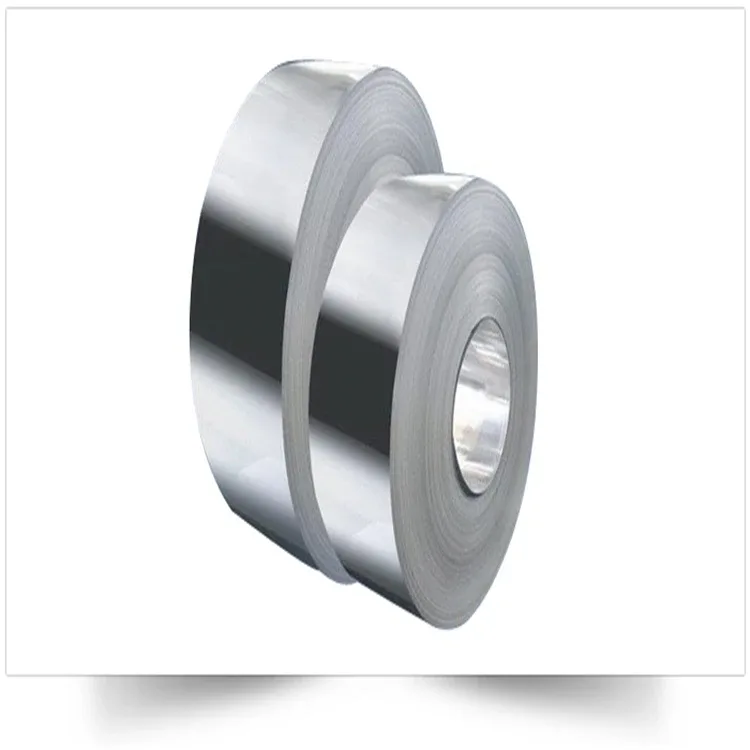
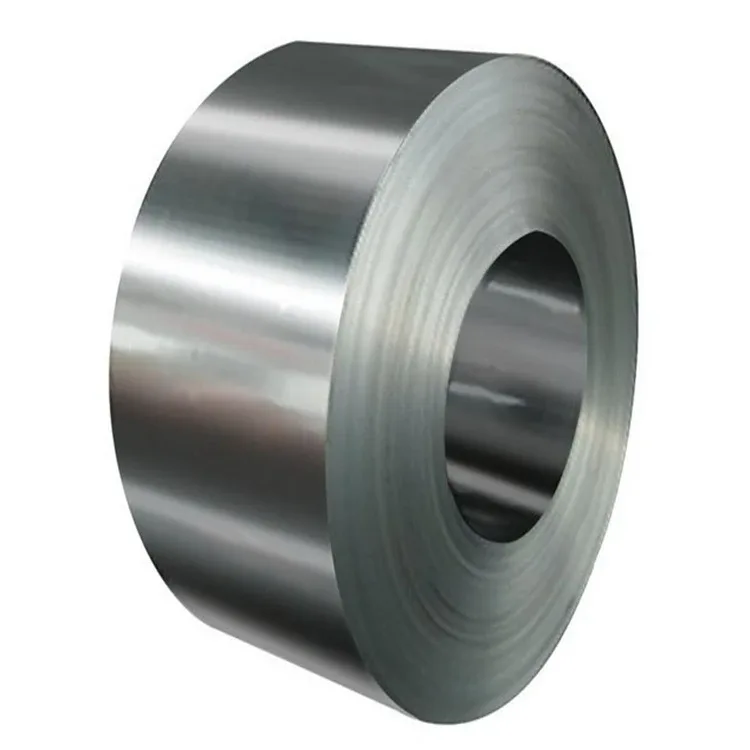
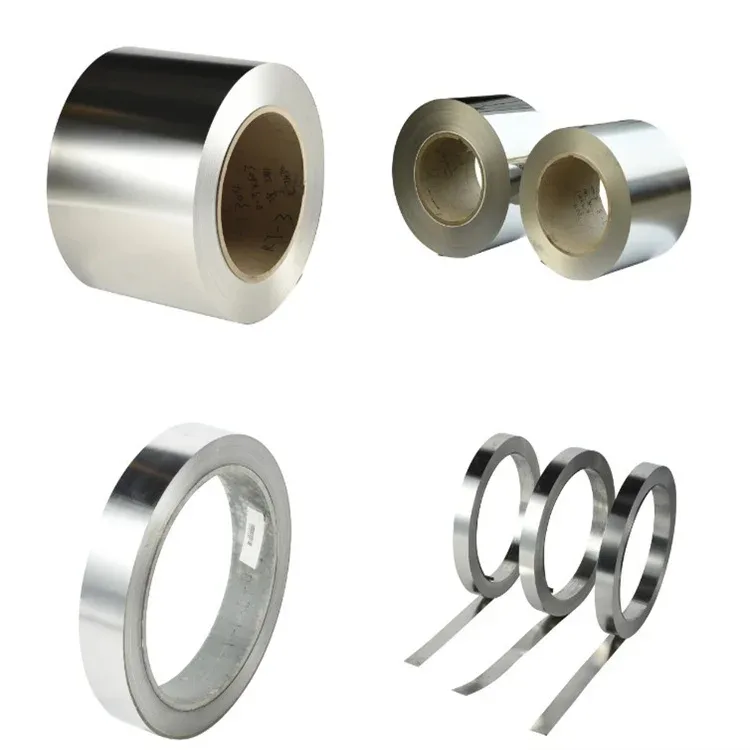
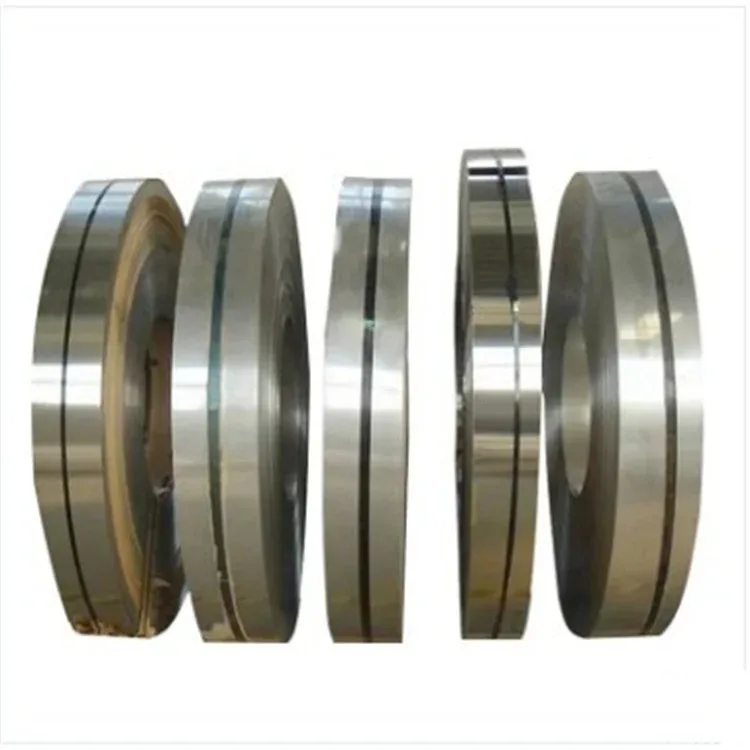
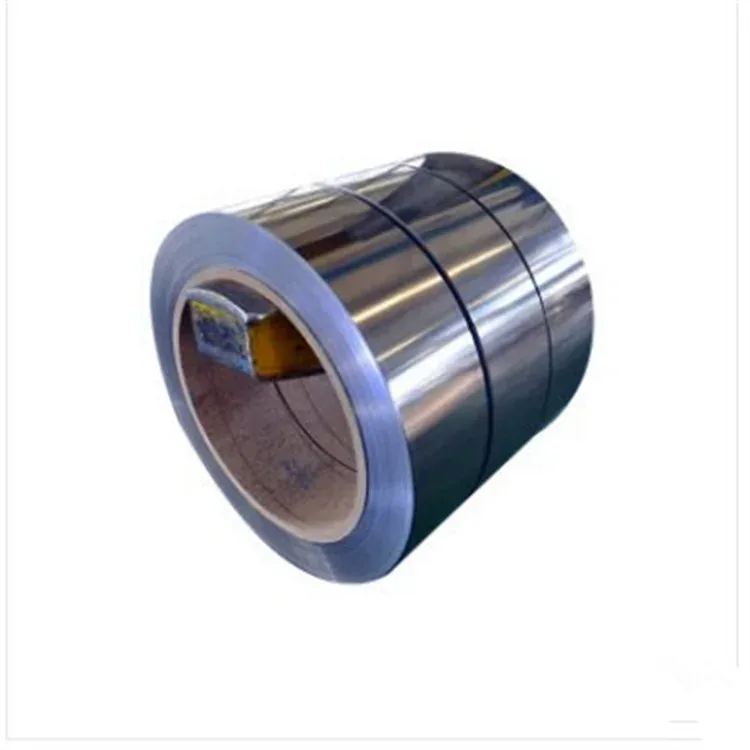
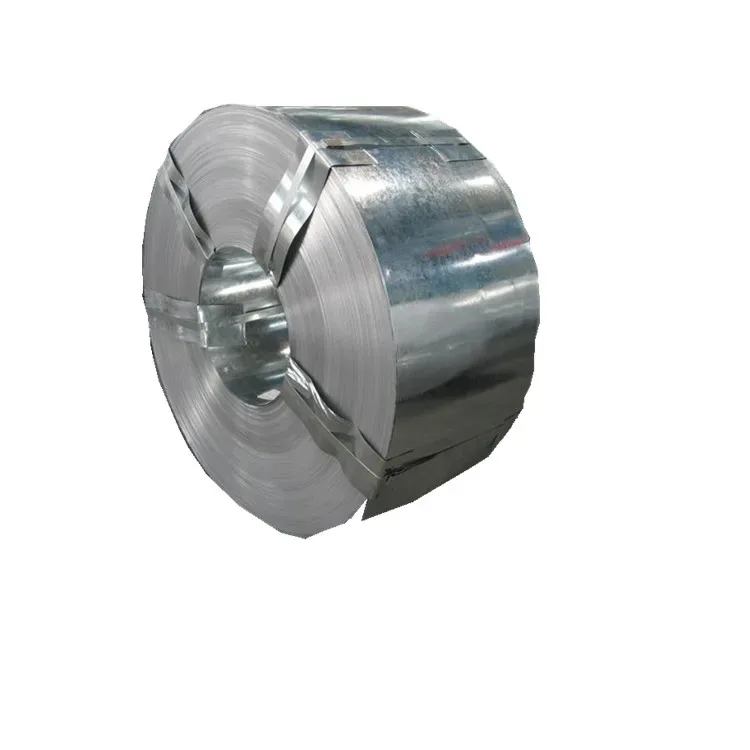
Description
Factory-Direct Stainless Coil Pricing — 201, 304, 316, and 430 grades roll out of our Jinan mill with full MTC traceability, eliminating trader markups on every metric ton.
Technical Specifications
| Parameter | Value |
|---|---|
| Designation | Stainless Steel Coil/Strip/Sheet |
| Product Type | Steel Coil / Steel Plate |
| Steel Grade | 201, 304, 304L, 316, 316L, 309S, 310S, 410, 420, 430, 3Cr12 |
| Standard | ASTM (AISI standard grades) |
| Technique | Hot Rolled / Cold Rolled |
| Surface Treatment | Hot Rolled / Cold Rolled / BA / Mirror Finish |
| Width | 1000mm / 1219mm (other widths available) |
| Product Forms | Coil / Strip / Sheet |
| Application | Chemical industry / Food processing equipment / Construction and architectural applications / General corrosion-resistant fabrication |
| Origin | Shandong, China |
Application Suitability
| Industry | Typical Applications |
|---|---|
| Chemical & Petrochemical | Pressure vessel cladding, heat exchanger shells, piping ducts in corrosive environments |
| Food & Beverage | Hygienic work surfaces, fermentation tanks, conveyor belt components |
| Construction & Architecture | Facade panels, elevator interior trim, roofing and wall cladding |
| General Fabrication | Kitchen equipment, automotive exhaust trim, decorative fittings |
Traceability Gaps That Sink a Stainless Steel Shipment at Customs
A missing heat number on a 316L coil turns a routine delivery into a customs hold and a demurrage bill.
Procurement teams ordering an ASTM 304 316 stainless steel coil supplier shipment have told me the same story: the mill certificate arrived with perfect chemistry on paper, but the physical material shipped from a different heat lot. At destination port, the buyer’s inspector flags the mismatch. The container sits for weeks. Nobody wins.
Quality uncertainty in stainless procurement is not rare — it is structural. Multiple traders handle the same material, certificates get copied, and the chain of custody dissolves before the ship even sails. [NEED_CITE: EN 10219 cold-formed hollow section requirements for material traceability]
Matching Grade Selection to Corrosive and Aesthetic Demands
When a project specifies 316L for a coastal chemical plant, the molybdenum content in that grade resists chloride pitting that would destroy 304 within months. An ASTM 304 316 stainless steel coil supplier who stocks both grades in cold rolled 2B and BA finishes lets the buyer separate hygienic food-contact surfaces from structural cladding without placing two separate orders. We roll 1219mm width coils for architectural panels and slit to 1000mm for food-industry sheet blanks — one purchase order, one set of certificates.
Engineering Compliance Across ASTM and EN Frameworks
Projects in the European market require CE-marked material conforming to EN standards, while North American EPC contractors default to ASTM A240 and A666. The ASTM 304 316 stainless steel coil supplier must provide documentation that maps chemistry and mechanical properties to the correct standard framework — not a generic “stainless” label. Surface finish selection matters here too: hot rolled No.1 finish suits industrial structural use, while BA and mirror finishes meet the aesthetic and cleanability requirements of pharmaceutical and food-grade fabrication. [NEED_CITE: steel grade equivalence between EN and ASTM standards]
Why 304L and 316L Exist Alongside Their Standard Counterparts
The “L” suffix denotes low carbon content — 304L and 316L contain a maximum of 0.03% carbon versus 0.08% in 304 and 316. This reduction prevents chromium carbide precipitation during welding, eliminating intergranular corrosion risk at weld zones. For any ASTM 304 316 stainless steel coil supplier shipping material destined for welded chemical vessels or food-processing tanks, the L grades are not optional upgrades — they are engineering requirements. Ferritic grades like 430 and 3Cr12 serve different roles: lower cost, magnetic response, and adequate corrosion resistance for indoor architectural trim and automotive exhaust components. Martensitic grades 410 and 420 respond to heat treatment, achieving higher hardness for cutlery, shafts, and valve trim.
The Hidden Cost of Unverified Material on a Project Timeline
A 304 coil that tests below spec on nickel content does not just fail a lab report — it fails the entire facade installation schedule. Rework means tearing out installed panels, re-ordering verified material, and absorbing air-freight costs to recover lost weeks. Certification gaps compound the problem: customs authorities in the EU and Middle East increasingly demand CE documentation and third-party inspection reports before releasing construction-grade stainless. [NEED_CITE: material certification requirements for stainless steel imports in EU markets] An ASTM 304 316 stainless steel coil supplier who provides original MTCs with heat-number traceability and arranges SGS or BV pre-shipment inspection eliminates this risk entirely.
Procurement Confidence Built on Mill-Level Control
We operate three dedicated production lines with in-house physical and chemical laboratories — every coil is tested at incoming, in-process, and final stages before release. Our quality management system holds ISO 9001:2015 certification, and our stainless products carry Lloyd’s Register EU CE marking for projects requiring European compliance. We hold 41 invention patents and supply over 2,800 specifications across our product range. For stainless steel, this means we control the full chain from slab reheating through cold rolling and annealing, so the chemistry on the certificate matches the chemistry in the coil. Every shipment to 50+ countries includes a complete documentation package and professional container loading optimized for coil weight distribution.
Documentation & Compliance
- Mill Test Certificate documenting 304 and 316L chemical composition including nickel, chromium, and molybdenum content per ASTM A240
- Lloyd’s Register EU CE certificate covering stainless steel plate and coil products for European construction projects
- ISO 9001:2015 quality management certificate confirming in-house laboratory testing procedures
- SGS or BV third-party inspection report available for independent verification of surface finish and dimensional tolerance
- Full material traceability by heat number linking each coil to its original melt chemistry and rolling schedule
- Export customs documents including packing list, Bill of Lading, and Certificate of Origin for destination clearance
Packaging, Loading & Delivery
- Cold rolled BA and mirror finish coils wrapped in multi-layer kraft paper and plastic film to prevent surface scratching during ocean transit
- Hot rolled stainless steel sheet bundles secured with steel straps and edge protectors to preserve No.1 finish integrity
- 1000mm and 1219mm width coils loaded with weight-distribution plans maximizing 20ft and 40ft container capacity
- Custom slit strip orders packed in wooden crates with desiccant to control moisture exposure during extended sea freight
- Each coil and bundle marked with heat number, steel grade, width, and net weight for immediate site identification
- FOB, CIF, and DDP shipping terms available with door-to-door logistics coordination to project sites across 50+ countries
Securing Your Stainless Steel Coil Order with Verified Documentation
Submit your specification sheet — grade, finish, width, quantity, and destination port — and receive a detailed quotation within 12 hours including unit pricing, applicable certifications, and typical production lead times. Request original mill test certificates and arrange SGS or BV third-party inspection before shipment to confirm material compliance. Confirm custom slit widths or cut-to-length sheet requirements for downstream processing optimization.
Frequently Asked Questions
Q: What is the difference between 304 and 316 stainless steel, and how do I choose the right grade for my application?
A: 304 offers general corrosion resistance suitable for indoor architectural and food-processing applications, while 316 contains molybdenum for superior resistance to chloride pitting in coastal, chemical, and marine environments. For welded structures in corrosive service, specify 304L or 316L to prevent intergranular corrosion at weld zones.
Q: Can you provide Mill Test Certificates and arrange third-party inspection before shipment?
A: Yes, every shipment includes original Mill Test Certificates documenting chemical composition and processing history by heat number. We coordinate SGS or BV third-party inspection at our facility before container loading for independent quality validation.
Q: What surface finishes are available, and what are the typical applications for each?
A: We supply hot rolled No.1 finish for industrial structural use, cold rolled 2B for general fabrication, BA (Bright Annealed) for decorative and food-contact surfaces, and mirror finish for architectural cladding and high-aesthetic applications. Lead times vary by finish complexity.
Q: What are your standard widths and can you supply custom slit strips or cut-to-length sheets?
A: Standard coil widths are 1000mm and 1219mm, with custom slit strip widths available upon request. We also provide cut-to-length sheet processing to reduce downstream waste and handling at your facility.
Q: How do you handle packaging to prevent surface damage during ocean freight?
A: Cold rolled BA and mirror finish coils receive multi-layer protective wrapping with kraft paper and plastic film. All coils and sheets are secured with steel straps and edge protectors, and container loading plans optimize weight distribution to prevent shifting during transit.
Get Your ASTM 304 316 Stainless Steel Coil Quote with Full Certification
Send your grade, finish, width, and quantity requirements to receive a quotation and mill test certificate preview within 12 hours.
Shandong Xin Jiyuan Special Steel Tube Co., Ltd
Tel: +86 531 8573 6315
Mobile/WhatsApp/WeChat: +86 188 5315 7756
Email: admin@sdxjysteel.com