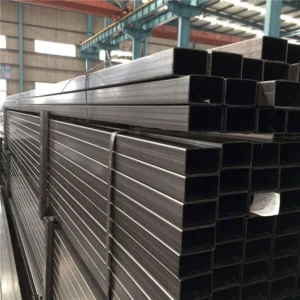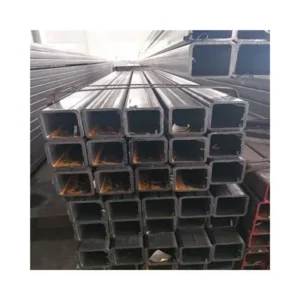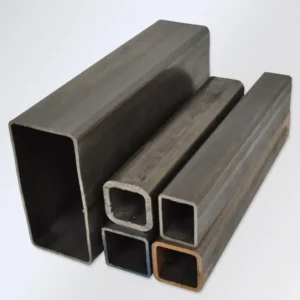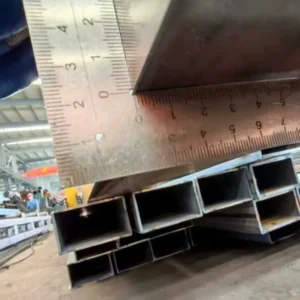
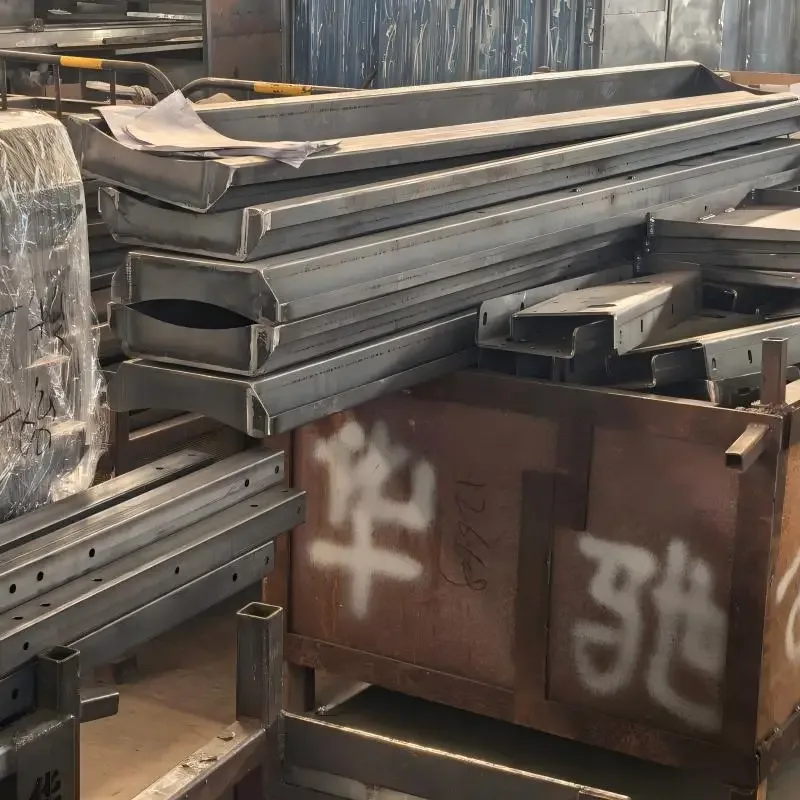
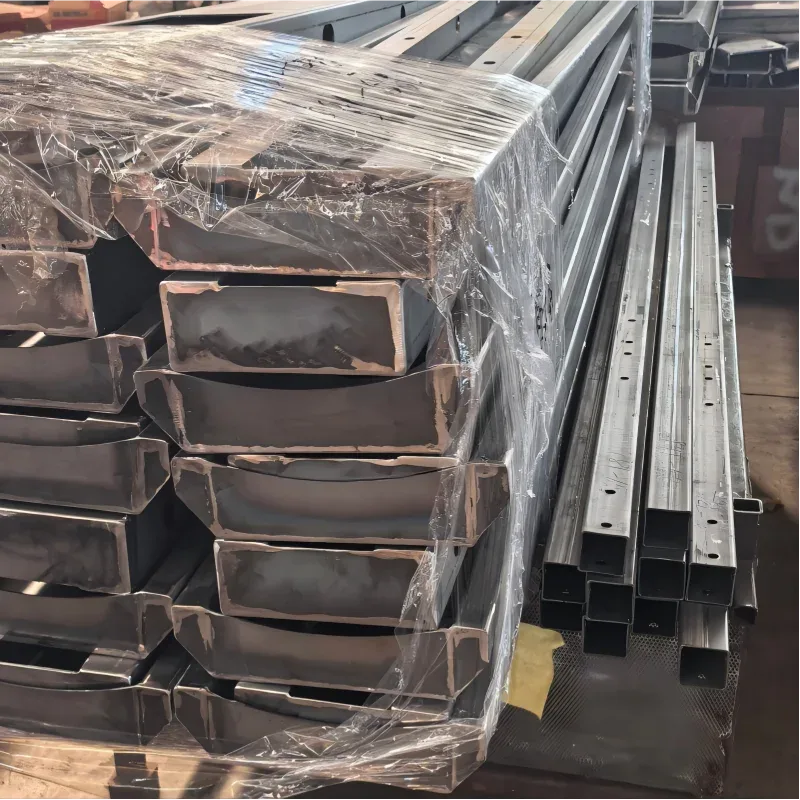
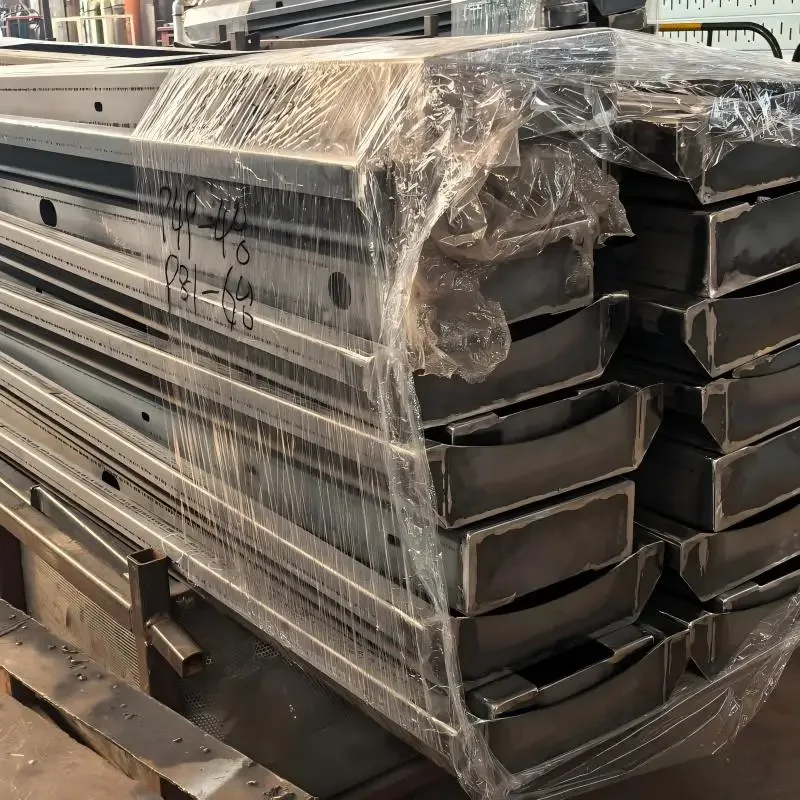
Description
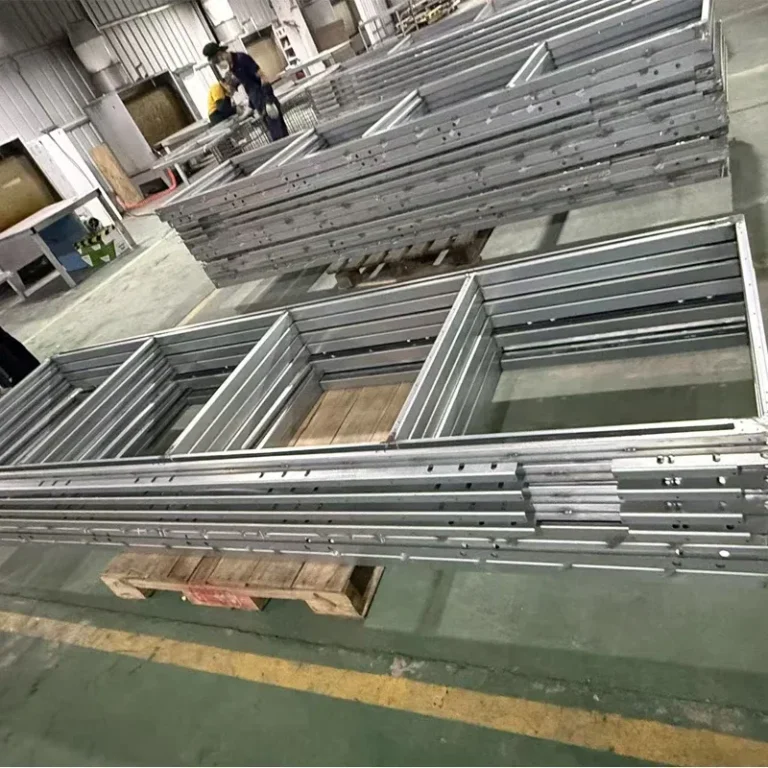
Factory-Direct Precision Fabrication — In-house laser cutting and CNC bending with ±0.2 mm tolerance eliminates multi-vendor coordination for custom sheet metal projects.
Technical Specifications
| Parameter | Value |
|---|---|
| Designation | Custom Stainless Steel Fabricated Machined Product |
| Product Type | Machined Steel Product |
| Steel Grade | Stainless Steel, Carbon Steel, Aluminum, Copper, Alloy Steel |
| Thickness | 3 mm–10 mm (customizable) |
| Surface Treatment | Powder Coating, Oxidization, Electrophoresis, Galvanization |
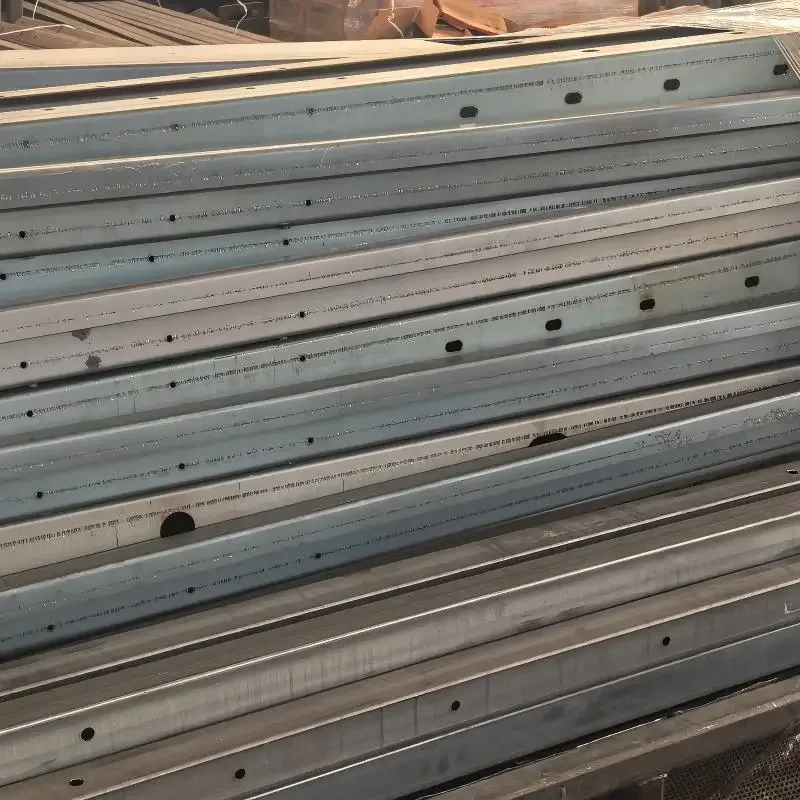
| Process | Laser Cutting, CNC Punching & Bending, Stamping, Welding |
| Tolerance | ±0.2 mm |
| Size | Customized |
| Application | ATM Machine, Mail Box, Metal Accessories, Industrial Equipment, Custom Fabrication Projects |
| Origin | Shandong, China |
Application Suitability
| Industry | Typical Applications |
|---|---|
| Machinery Manufacturing | Industrial equipment enclosures, control panel frames, conveyor system housings |
| EPC Contractors | Infrastructure fixture brackets, cable tray supports, structural connection plates |
| Construction Companies | Commercial facade panels, door frames, architectural metal trim |
| System Integrators | Automation system housings, sensor mounting brackets, electrical enclosure bodies |
When Tolerance Drifts Cost You a Full Production Line Shutdown
A 3 mm hole offset on a batch of brackets can strand 40 tons of material at a job site for weeks.
I learned this firsthand when a shipment of laser-cut stainless steel brackets arrived at a Riyadh infrastructure site — every mounting hole was off by 3 mm. Structural welds could not align, and the entire batch sat idle while we scrambled for on-site re-cutting. The root cause was never the drawing; it was the supplier’s lack of in-process tolerance checks before loading. For buyers sourcing a custom stainless steel fabrication service supplier, this is the hidden risk when cutting, bending, welding, and finishing are split across multiple vendors — each step introduces cumulative drift, and nobody owns the final tolerance. [NEED_CITE: tolerance accumulation in multi-process sheet metal fabrication]
Matching Fabrication Output to Engineering Environments
When specifying enclosures for industrial equipment or automation housings, the material choice between stainless steel, carbon steel, and aluminum directly affects corrosion resistance, weight, and weldability. A custom stainless steel fabrication service supplier must process all five material families — stainless, carbon steel, aluminum, copper, and alloy steel — within a single production flow so that material traceability stays intact from blank to finished assembly. Our production lines handle 3 mm to 10 mm thickness across laser cutting, CNC punching and bending, stamping, and welding, with surface treatment selected per the operating environment: powder coating for indoor industrial equipment, galvanization for outdoor infrastructure, oxidization for aluminum components in humid climates.
Compliance and Certification Requirements for Global Delivery
Engineering projects in the EU require CE marking and material documentation conforming to EN standards, while North American buyers often reference ASTM specifications. A credible custom stainless steel fabrication service supplier provides mill test certificates with chemical composition and mechanical data per heat number, enabling customs clearance and project compliance audits. Third-party inspection through SGS or BV verifies dimensional accuracy and surface treatment thickness before shipment. For projects requiring fixed-length cutting or non-standard hole patterns, the fabricator must confirm tolerance capability (±0.2 mm in our case) and document it in the inspection report — not just the drawing. [NEED_CITE: EN 10219 cold-formed structural hollow section documentation requirements]
Material Selection and Process Fundamentals
Stainless steel offers superior corrosion resistance for outdoor or chemical-exposed applications but requires specific laser parameters to avoid heat-affected zone discoloration. Carbon steel provides higher strength at lower cost and accepts galvanization or powder coating for corrosion protection. Aluminum reduces weight for automation and conveyor systems but demands CNC punching rather than stamping to avoid cracking at bend radii. Copper is selected for electrical enclosures requiring conductivity. The surface treatment — powder coating, oxidization, electrophoresis, or galvanization — must match the service environment: electrophoresis delivers uniform coverage in recessed geometries, while galvanization provides sacrificial protection for steel exposed to moisture. Tolerance control at ±0.2 mm requires calibrated CNC equipment and in-process verification, not just final inspection.
The Hidden Cost of Unverified Fabrication
Choosing a supplier without in-house quality control means you inherit the risk of material substitution — a batch labeled 304 stainless may actually be 201, failing corrosion tests within months. Missing mill test certificates trigger customs holds, especially in the EU where CE documentation is mandatory. Tolerance beyond ±0.2 mm forces on-site rework, delaying project handover and inflating labor costs. A reliable custom stainless steel fabrication service supplier eliminates these risks through incoming material verification, in-process dimensional checks, and final inspection reports tied to heat numbers. [NEED_CITE: material traceability requirements for structural steel fabrication]
Why Procurement Teams Choose Xin Jiyuan for Custom Fabrication
We operate three dedicated production lines with in-house physical and chemical laboratories, enabling real-time quality control from raw material to finished product. Our tolerance capability of ±0.2 mm is verified through calibrated CMM equipment, not just operator judgment. Every batch ships with a mill test certificate documenting material grade, chemical composition, and dimensional accuracy. We hold ISO 9001:2015 certification, CE marking for EU compliance, and verification reports from SGS and BV. Custom non-standard sizes and drawings are processed without minimum order constraints, and our professional logistics team optimizes container loading to reduce freight costs for global delivery to 50+ countries.
Documentation & Compliance
- Mill test certificate documenting stainless steel or carbon steel chemical composition and dimensional accuracy per heat number
- CE certificate confirming compliance with EN fabrication standards for EU market entry
- ISO 9001:2015 quality management system certificate covering the full fabrication process
- SGS or BV third-party inspection report verifying tolerance, surface treatment thickness, and material grade
- Material traceability report linking each finished component to its original heat number and mill source
- Customs documentation package including packing list, bill of lading, and certificate of origin
Packaging, Loading & Delivery
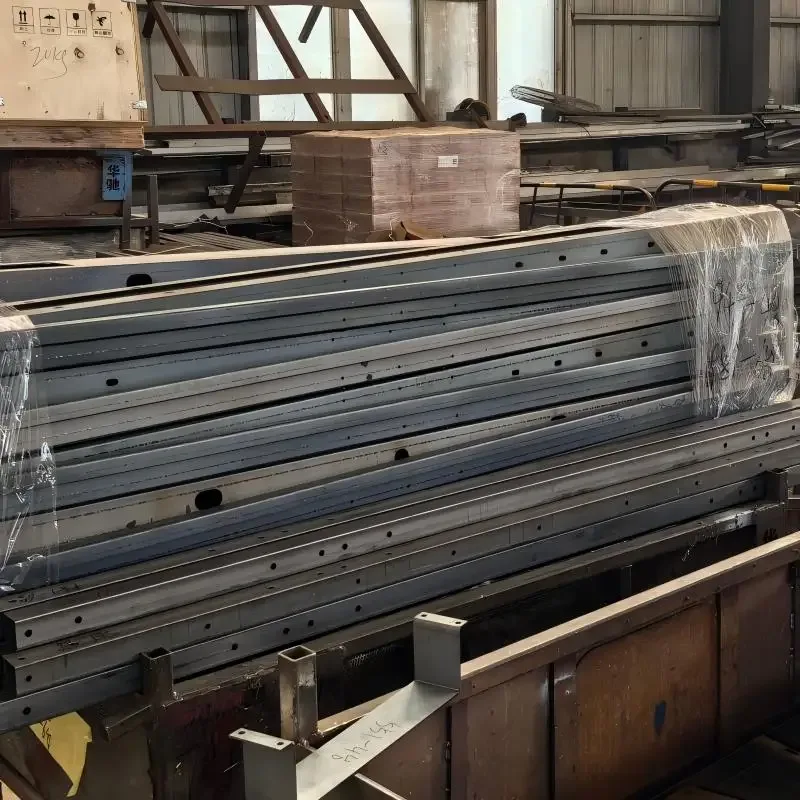
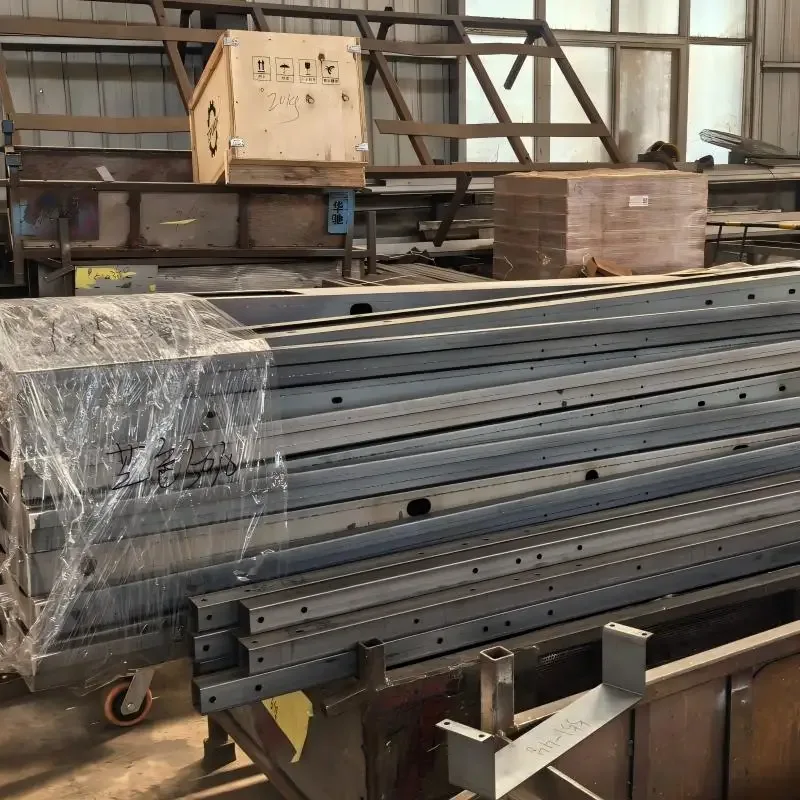
- Fabricated components packed in steel-reinforced wooden crates with foam separators to prevent surface scratches during ocean transit
- Powder-coated or galvanized surfaces protected with PE film wrapping to preserve finish integrity
- Container loading optimized by our logistics team based on component dimensions and weight distribution for 3 mm–10 mm thickness products
- Custom length cutting available per drawing, with each piece labeled by heat number and steel grade
-唛头 marking includes project reference, material grade, and heat number for site identification
- Delivery terms available as FOB, CIF, or DDP with real-time tracking to 50+ countries
Start Your Custom Fabrication Inquiry
Submit your technical drawings, material specifications, quantity, and destination port to receive a detailed quotation including unit price, production lead time, and applicable certifications. Our engineering team reviews each inquiry within 12 hours and provides a fabrication feasibility assessment for non-standard geometries or tight tolerance requirements.
Frequently Asked Questions
Q: What materials can be processed in custom fabrication?
A: We process stainless steel, carbon steel, aluminum, copper, and alloy steel across laser cutting, CNC punching and bending, stamping, and welding operations. Material selection depends on your application’s corrosion resistance, strength, and conductivity requirements.
Q: How is quality verified for fabricated products?
A: Every batch undergoes incoming material inspection, in-process dimensional checks, and final verification in our in-house physical and chemical laboratory. Mill test certificates are provided per heat number, and third-party inspection through SGS or BV is available upon request.
Q: What surface treatment options are available?
A: We offer powder coating for indoor industrial applications, galvanization for outdoor corrosion protection, oxidization for aluminum components, and electrophoresis for uniform coverage in complex geometries. Treatment selection depends on your service environment and aesthetic requirements.
Q: Can non-standard sizes and custom drawings be processed?
A: Yes, we accept custom drawings and non-standard specifications without minimum order constraints. Our tolerance capability is ±0.2 mm, verified through calibrated inspection equipment.
Q: What certifications are provided for international shipments?
A: We provide ISO 9001:2015 certification, CE marking for EU compliance, mill test certificates, and third-party inspection reports from SGS or BV. Complete customs documentation including packing list, bill of lading, and certificate of origin is included with every shipment.
Request Your Custom Fabrication Quote
Send your drawings and specifications to admin@sdxjysteel.com or contact us via WhatsApp at +86 188 5315 7756 to receive a detailed quotation with mill test certificates and delivery timeline.