Description
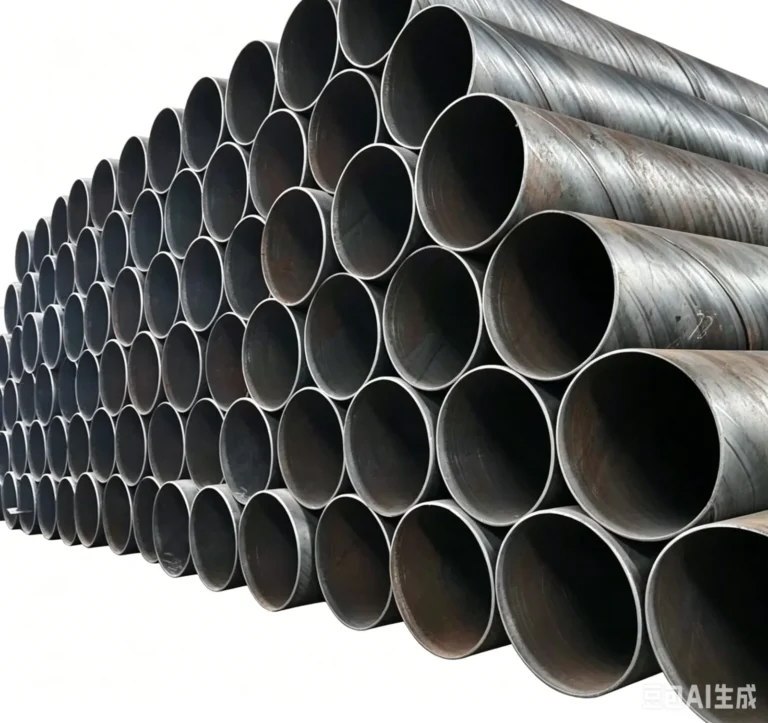
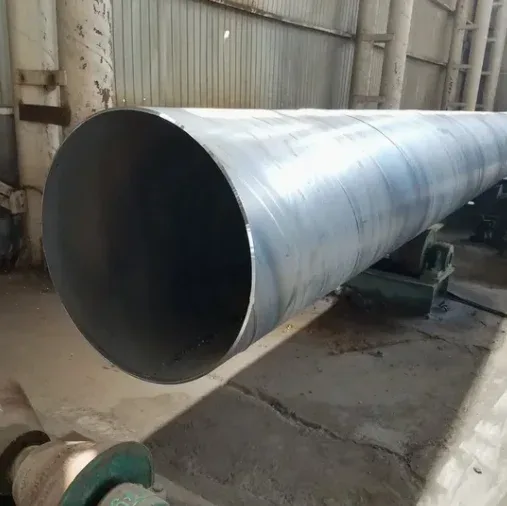
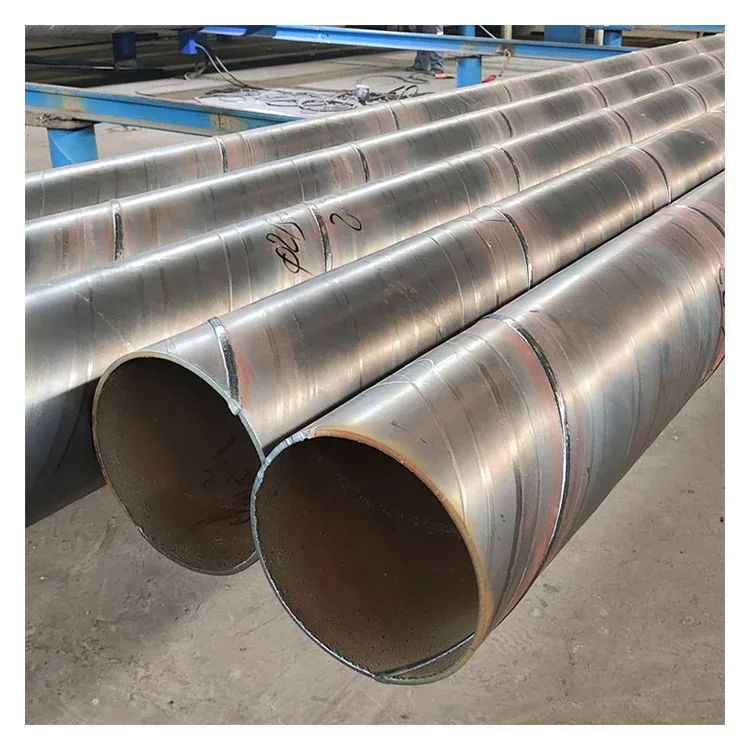
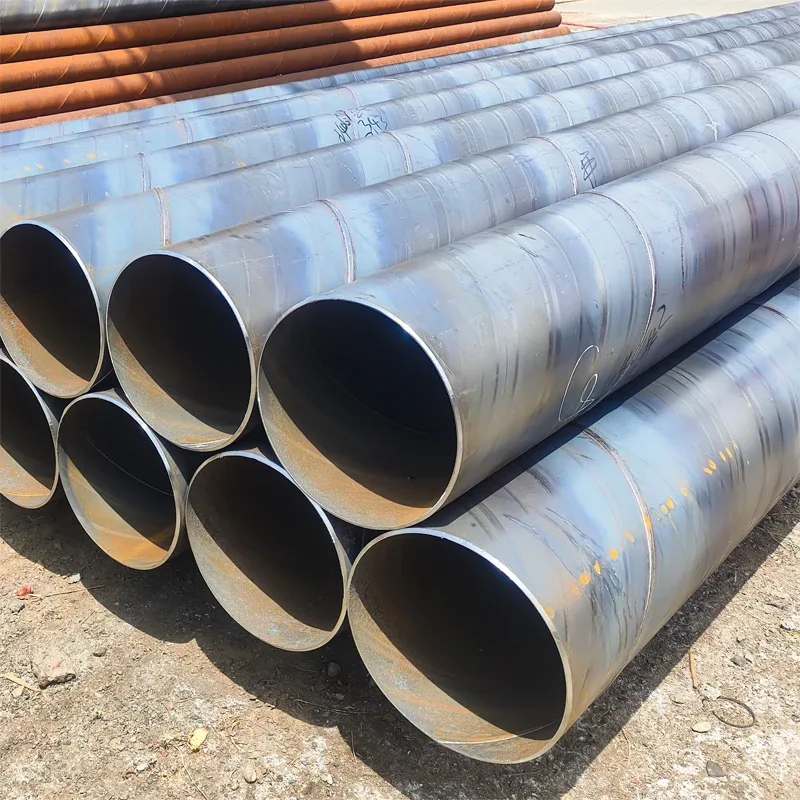
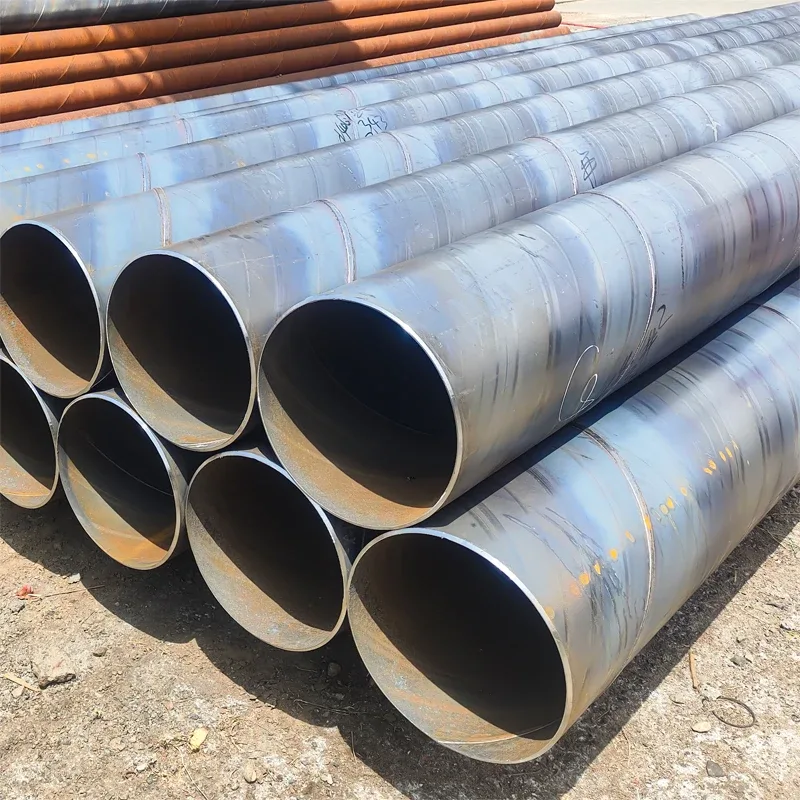
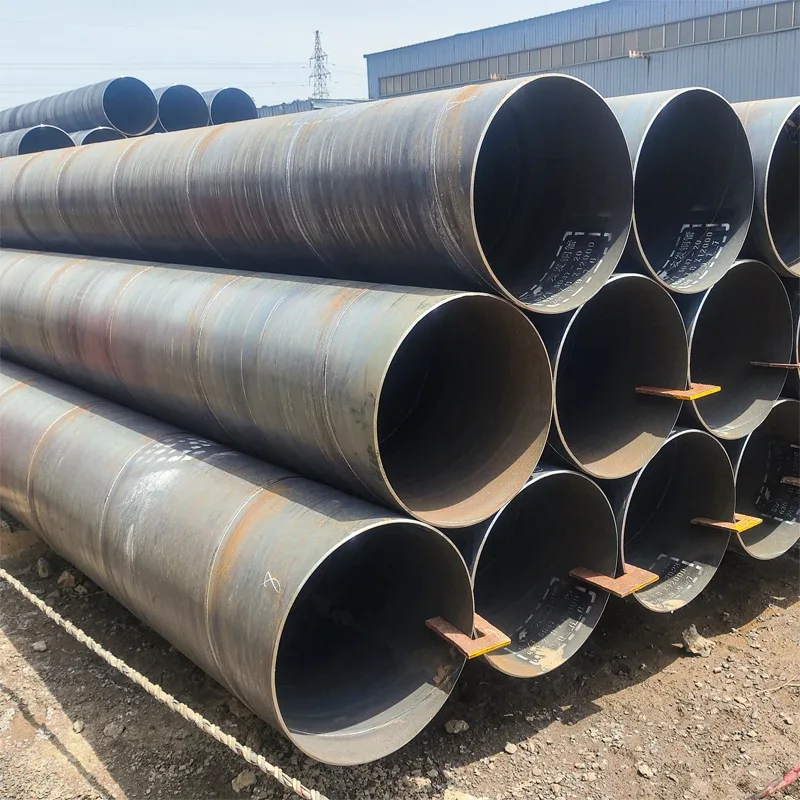
Factory-Direct SSAW Steel Pipe API 5L X52 X60 Supplier — Every heat is formed, welded, and inspected in-house, with full mill test certificates traceable to the original slab.
Technical Specifications
| Parameter | Value |
|---|---|
| Designation | SSAW Steel Pipe (API 5L / ASTM A252) |
| Product Type | Spiral Submerged-Arc Welded Steel Pipe (SSAW) |
| Steel Grade | Grade B, X42, X46, X52, X56, X60, X65, X70 |
| Standard | API 5L, ASTM A252 |
| Section Shape | Round |
| Size Range | 219–3000 mm OD |
| Wall Thickness | 10–25 mm |
| Length | 5.8–12 m |
| Technique | SSAW (Spiral Submerged-Arc Welded) |
| Surface Treatment | Bare / Oiled / Black Painting / Epoxy Painting / 3LPE / FBE |
| Ends | Beveled End / Plain End |
| Tolerance | ±10% |
| Application | Oil & Gas Transport / Sewage Transport / Piling / Fluid Pipe / Structure Pipe |
| Origin | Shandong, China |
Application Suitability
| Industry | Typical Applications |
|---|---|
| Oil & Gas EPC | Long-distance transmission pipelines, gathering networks, cross-country trunk lines |
| Civil Infrastructure | Bridge piling, foundation piling for high-rise buildings, port marine structures |
| Municipal Engineering | Large-diameter sewage discharge, stormwater drainage, industrial fluid conveyance |
| Structural Engineering | Load-bearing columns, pipe rack supports, industrial framework structures |
What Negative Tolerance Really Costs on a Piling Job
A 1.2mm shortfall on a 25mm wall can void an entire pile acceptance test.
I watched a shipment of large-diameter spiral welded pipes get held at a Latin American port because the mill cert said 8mm wall, but third-party caliper readings kept pulling under 7mm. The contractor faced a choice: reject the lot and wait weeks for replacement, or accept and carry the structural liability. Negative tolerance is not a paperwork detail — it is a load-bearing variable. When you source SSAW Steel Pipe API 5L X52 X60 Supplier products for piling or pressure service, the forming and welding process must be verified per heat, not just the certificate. [NEED_CITE: API 5L PSL2 inspection and testing requirements for spiral welded pipe]
Matching Wall Thickness and Coating to Corrosive Environments
Large-diameter SSAW pipes from 219mm to 3000mm OD serve fundamentally different environments depending on coating selection. A piling pipe driven into marine clay needs 3LPE or FBE to resist soil-side corrosion over decades, while an above-ground structural pipe in a dry industrial facility may only require black painting or oiled bare finish. Our in-house physical and chemical laboratory tests coating adhesion and thickness on every production run, ensuring the surface treatment matches the corrosion category specified in the project design. The SSAW Steel Pipe API 5L X52 X60 Supplier range covers Grade B through X70, letting engineers select the exact yield class without switching factories mid-project.
Engineering Compliance and Certification Pathways
Piling applications governed by ASTM A252 require documented chemical composition and mechanical properties for each heat, while API 5L pipeline work demands PSL1 or PSL2 compliance depending on operating pressure and location class. European projects often require CE marking under EN 10210 or EN 10219, and Middle East tenders frequently mandate SGS or BV third-party inspection before shipment. We hold ISO 9001:2015, Lloyd’s Register EU CE, and Singapore FPC certifications, and our documentation package includes full mill test certificates with heat-level traceability. [NEED_CITE: ASTM A252 specification for steel pipe piling]
Steel Grade Selection Across the API 5L Spectrum
The jump from Grade B to X42 represents a shift from general structural use to minimum yield strength design, while X52, X60, and X65 serve high-pressure transmission where every megapascal of yield directly reduces wall thickness and material cost. X70 sits at the upper end for onshore gas pipelines, demanding tighter control over sulfur and phosphorus content plus Charpy impact testing at low temperatures. The spiral submerged-arc welding process used in SSAW production creates a helical weld seam that distributes stress more evenly than a straight seam, making it particularly suited to large-diameter, thin-to-medium wall applications where LSAW would require prohibitively thick plates. [NEED_CITE: API 5L steel grade chemical composition and mechanical property requirements]
The Hidden Cost of Unverified Wall Thickness
When a supplier ships SSAW pipe with wall thickness that drifts toward the lower end of the ±10% tolerance band, the theoretical weight calculation no longer matches the actual load-bearing capacity. For piling engineers, this means the pile may fail driving resistance tests; for pipeline operators, it means the design pressure margin shrinks unexpectedly. Material substitution or certificate forgery compounds the risk — the pipe looks right on paper but fails ultrasonic examination at the weld seam. Third-party inspection and heat-level mill test certificates are not optional paperwork; they are the only defense against these failure modes. [NEED_CITE: ultrasonic testing requirements for spiral welded steel pipe]
Why Global EPC Contractors Source SSAW Steel Pipe API 5L X60 X65 Here
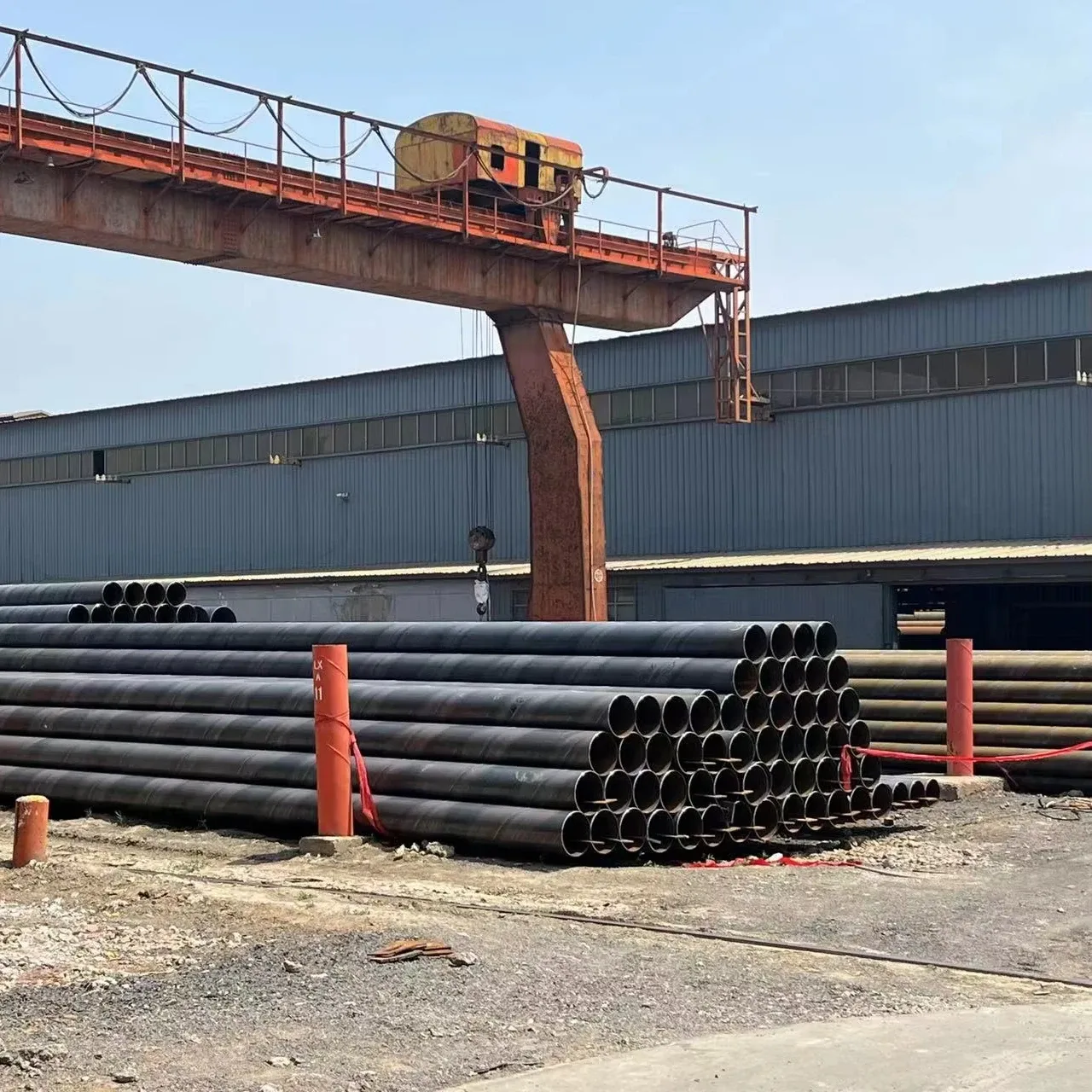
We operate three dedicated production lines covering over 2,800 specifications, meaning a single purchase order can combine piling pipe, transmission pipe, and structural tube without splitting the procurement across multiple vendors. Every heat passes through our in-house laboratory for incoming material verification, in-process weld inspection, and final dimensional checks before the mill test certificate is issued. Our 41 invention patents include proprietary sharp-corner rectangular tube technology, but for round SSAW pipe, the advantage lies in our ability to hold tight tolerances on large-diameter forming and to apply 3LPE or FBE coating in a continuous line. We export to over 50 countries with professional loading plans that maximize container utilization for 12-meter lengths and coordinate port-side third-party inspections on request.
Documentation & Compliance
- Mill Test Certificate documenting X52/X60/X65 chemical composition, yield strength, tensile strength, and elongation per API 5L, traceable to heat number
- CE certificate under EN 10210/EN 10219 for projects requiring European conformity marking on structural hollow sections
- ISO 9001:2015 quality management certificate covering the full production and inspection workflow
- SGS or BV third-party inspection report verifying wall thickness, weld seam quality, and coating adhesion before shipment
- Material traceability by heat number from slab to finished pipe, with full test records retained
- Customs documents including packing list, bill of lading, and certificate of origin for destination-country clearance
Packaging, Loading & Delivery
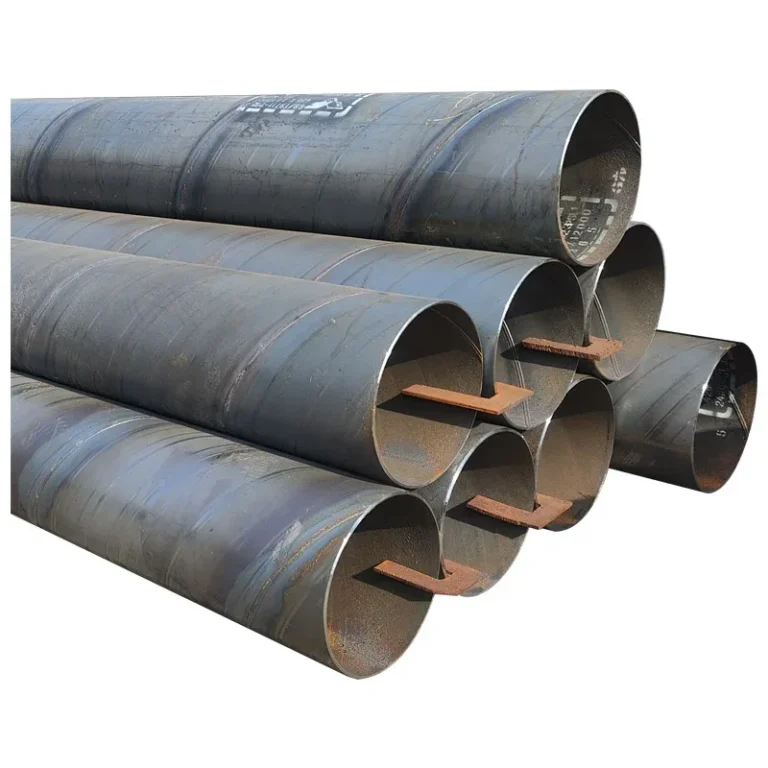
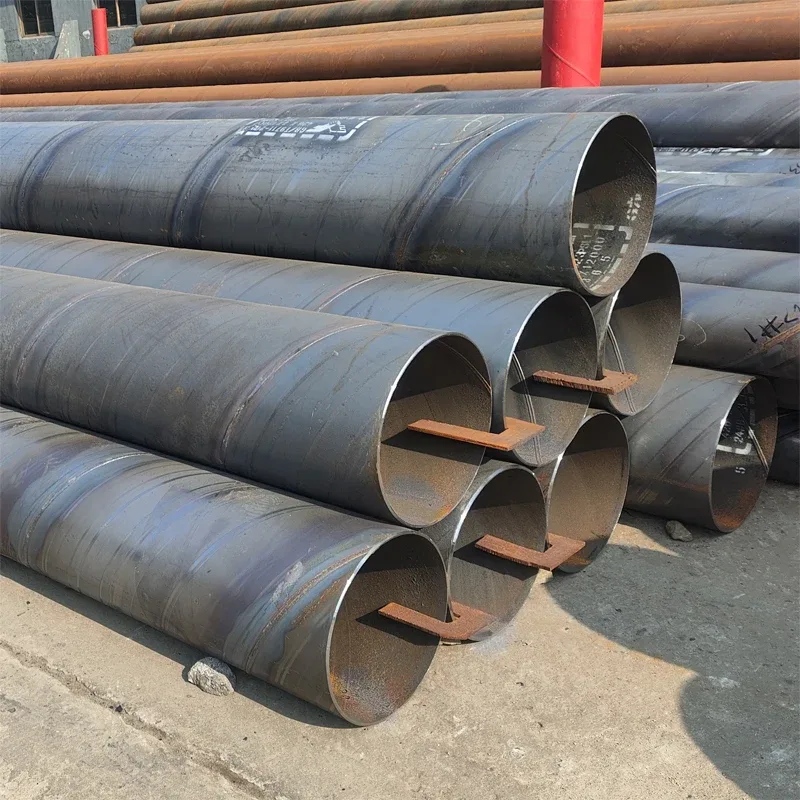
- Bare or oiled SSAW pipes bundled with steel strips and edge protectors to prevent coating damage and maintain surface integrity during ocean transit
- 3LPE and FBE coated pipes wrapped with protective film and separated by rubber spacers to preserve the anti-corrosion layer through handling and shipping
- 5.8m and 12m lengths loaded with optimized stowage plans to maximize container payload and minimize on-site cutting waste for piling and pipeline projects
- Beveled-end pipes capped at both ends to protect the weld preparation geometry and prevent moisture ingress during storage and transport
- Heat number and steel grade stenciled on each pipe end for on-site traceability verification before welding or driving
- FOB, CIF, and DDP shipping options with real-time tracking and door-to-door coordination for project sites across the Middle East, Southeast Asia, and Latin America
Start Your SSAW Pipe Procurement With Verified Documentation
Submit your specification sheet — including OD, wall thickness, steel grade, coating requirement, quantity, and destination port — and receive a detailed quotation with applicable mill test certificates and delivery timeline within 12 hours. We can also provide non-standard size proposals, third-party inspection coordination, and container loading optimization for your specific project requirements.
Get Your SSAW Steel Pipe Quote With Full Mill Test Certificates
Send your specifications via email or WhatsApp to receive a detailed quotation, material certificates, and delivery schedule.
Company: Shandong Xin Jiyuan Special Steel Tube Co., Ltd
Website: www.sdxjysteel.com
Tel: +86 531 8573 6315
Mobile/WhatsApp/WeChat: +86 188 5315 7756
Email: admin@sdxjysteel.com
Address: No.11889, Jingshi West Road, Lulian Group, Jinan City, Shandong Province, China
Frequently Asked Questions
Q: What is the difference between API 5L PSL1 and PSL2, and how do I choose for my pipeline project?
A: PSL1 covers standard chemical and mechanical requirements for general pipeline use, while PSL2 adds stricter limits on carbon equivalent, requires Charpy impact testing, and mandates more comprehensive non-destructive examination. The choice depends on operating pressure, location class, and the governing design code — we provide both options across Grade B through X70 and can advise based on your project specification.
Q: How does SSAW compare to LSAW for large-diameter piling and pipeline applications?
A: SSAW uses a helical weld seam formed by continuously spiraling and welding steel coil, making it cost-effective for large diameters above 500mm and medium wall thicknesses. LSAW uses a straight longitudinal seam and is preferred for very thick walls or critical high-pressure service. SSAW offers better material utilization and lower cost per meter for piling and low-to-medium pressure transmission, which is why it dominates municipal and infrastructure projects.
Q: How do I select between 3LPE and FBE coating for buried pipeline applications?
A: FBE (Fusion Bonded Epoxy) provides excellent adhesion and cathodic disbondment resistance, suitable for moderate soil corrosivity and temperatures up to 100°C. 3LPE (three-layer polyethylene) adds an outer polyethylene layer for superior mechanical protection against rocks, backfill damage, and high soil corrosivity. The selection depends on soil resistivity testing results, operating temperature, and the project’s corrosion engineering standard.
Q: How is pricing calculated — theoretical weight or actual weight?
A: Pricing can be based on either theoretical weight (calculated from nominal OD, wall thickness, and standard density) or actual weight (measured on the scale after production). The ±10% wall thickness tolerance means actual weight may vary from theoretical. We clarify the pricing basis in every quotation to avoid disputes, and third-party weight verification is available at the port of loading.
Q: Can you coordinate third-party inspection and provide loading optimization for large-diameter pipes?
A: Yes. We work with SGS, BV, and other inspection agencies to arrange pre-shipment inspection covering dimensional checks, weld seam NDE, coating thickness, and hydrostatic testing. Our logistics team prepares container loading plans that maximize payload for 12-meter lengths and coordinate break-bulk or bulk vessel shipping for oversized diameters above container capacity.