Description
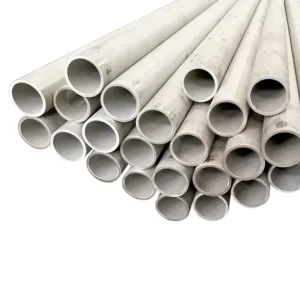
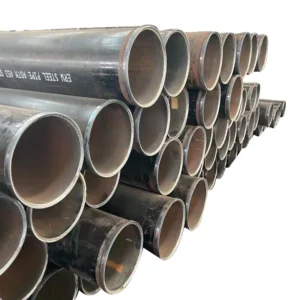
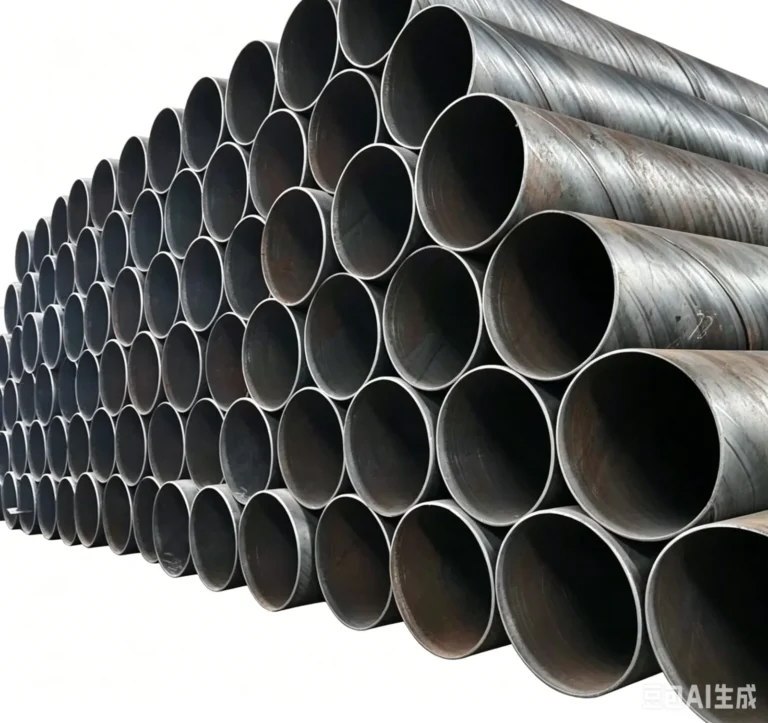
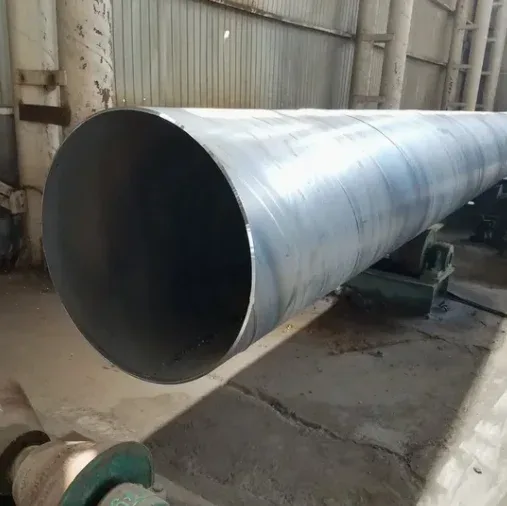
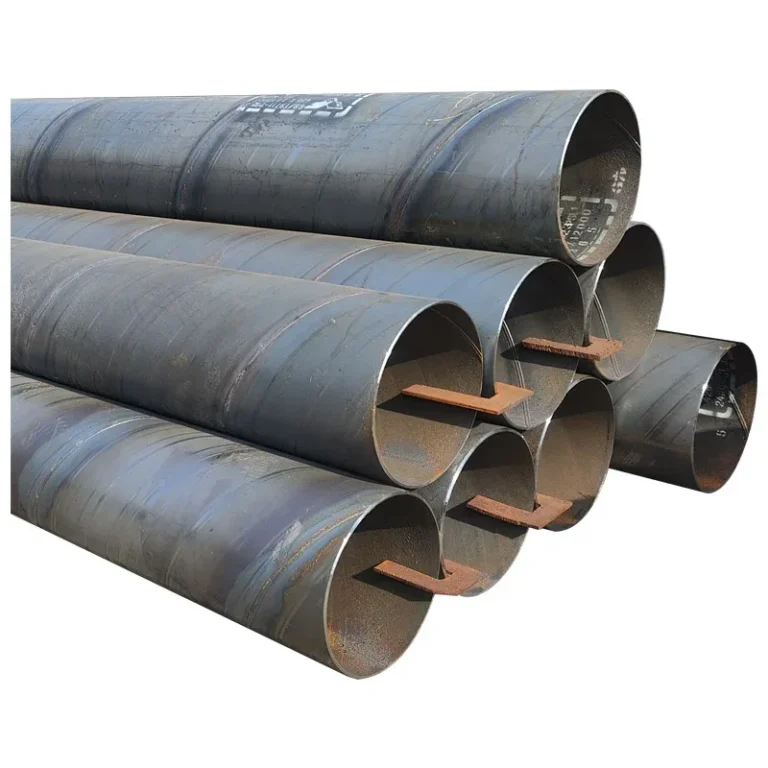
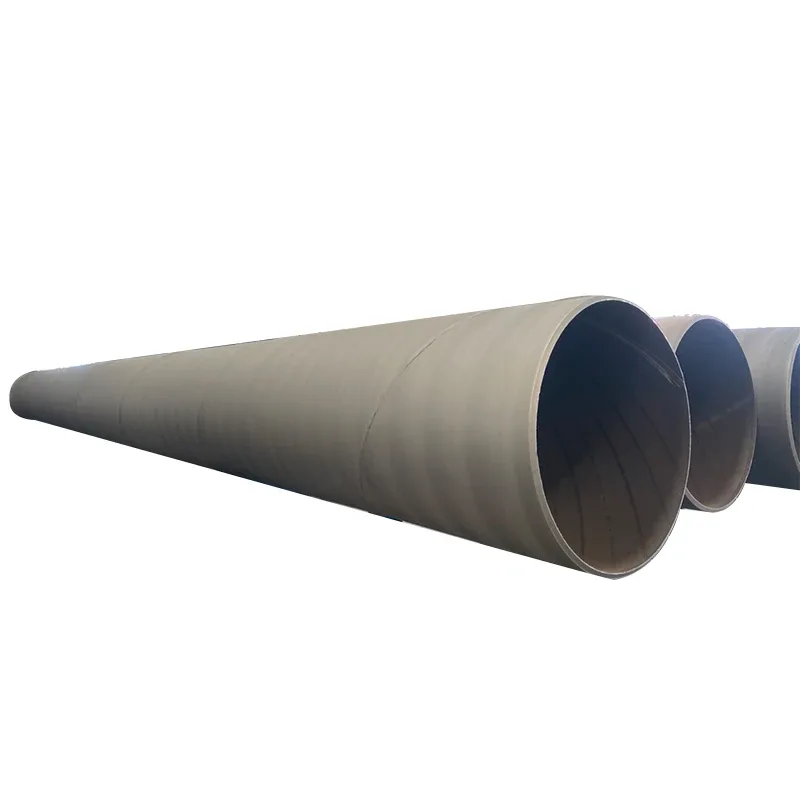
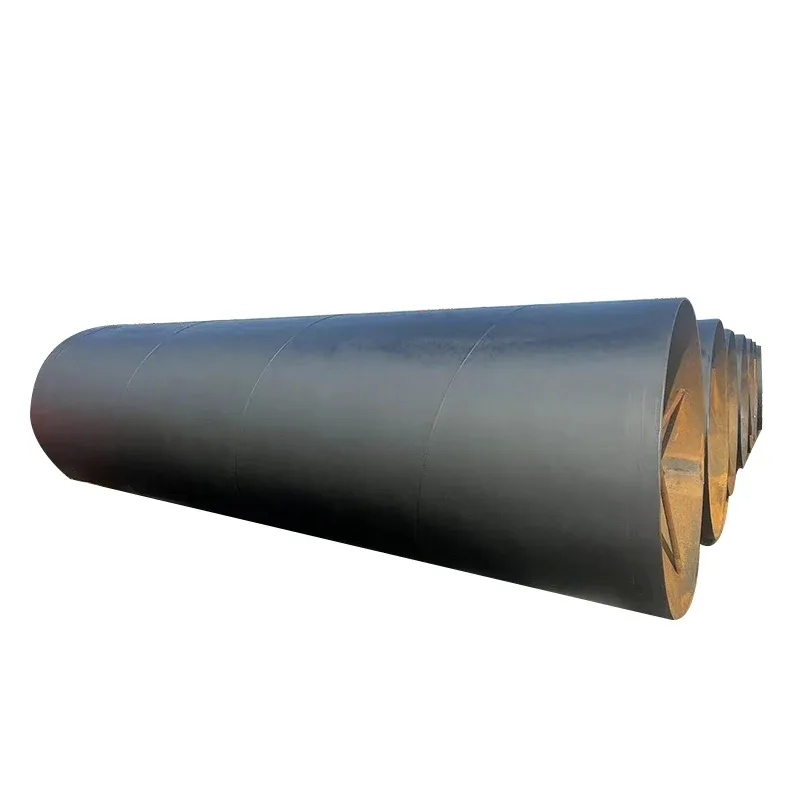
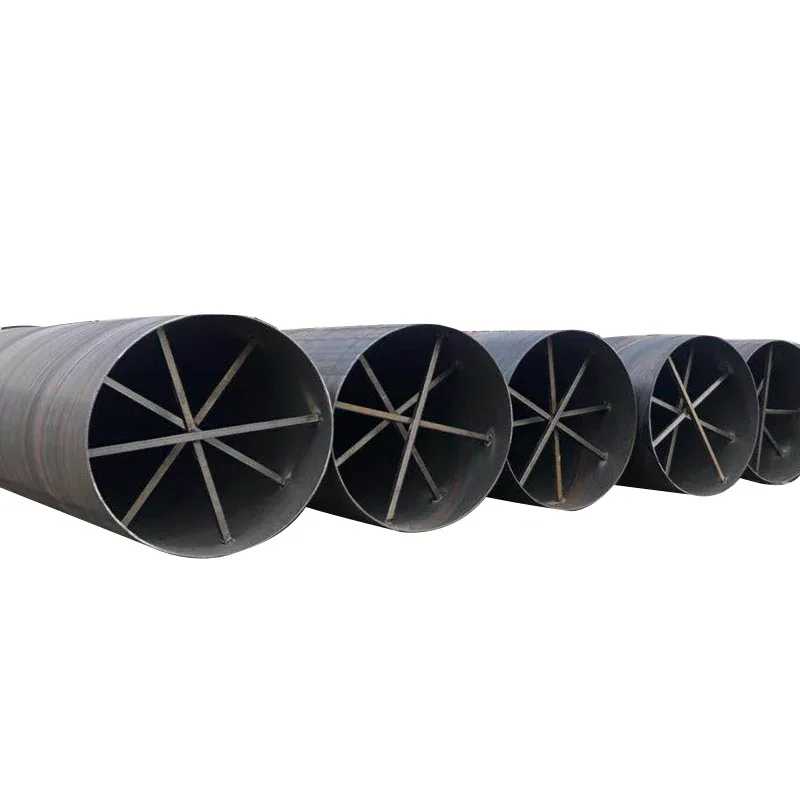
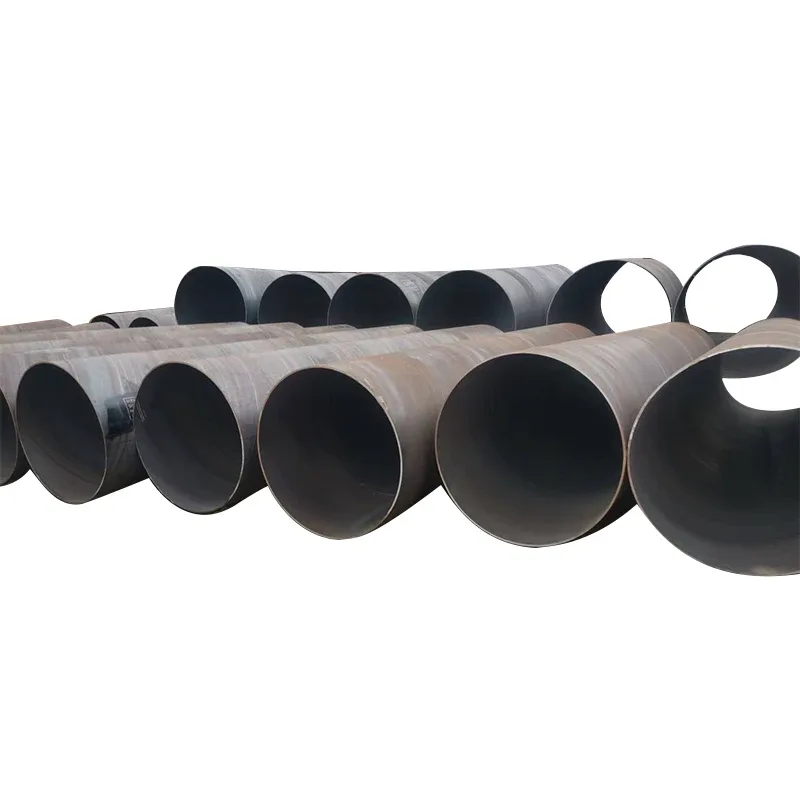
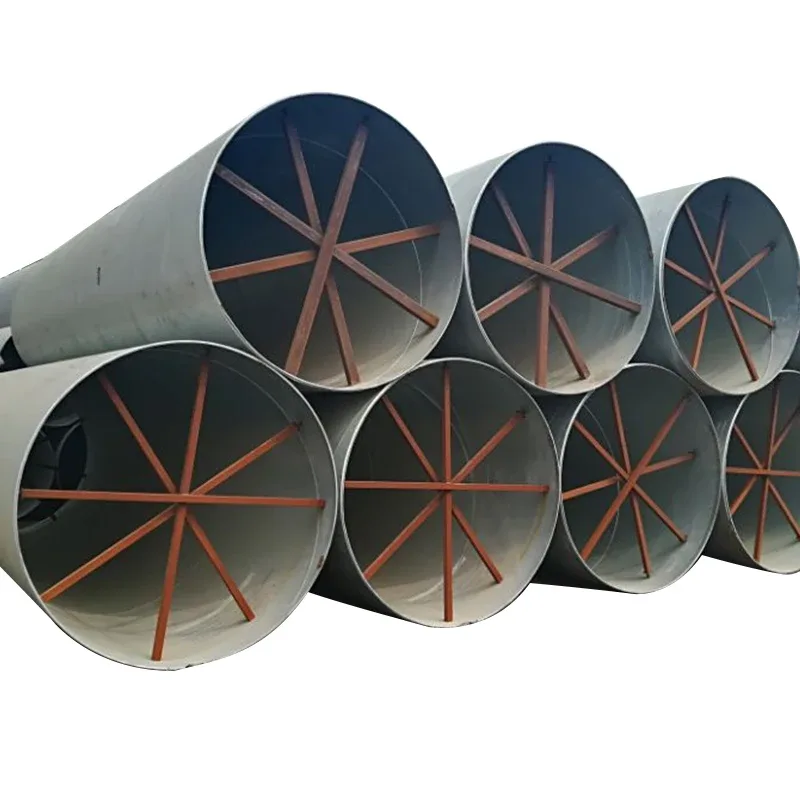
Factory-Direct SSAW Pipes — API 5L PSL2 certified spiral welded pipes shipped with full mill test certificates to 50+ countries.
Technical Specifications
| Parameter | Value |
|---|---|
| Designation | SSAW Steel Pipe |
| Product Type | Round Steel Pipe / SSAW (Spiral Submerged Arc-Welded) Steel Pipe |
| Steel Grade | ASTM A53 Gr.A/B/C/D, API 5L (A, B, X42, X46, X52, X56, X60, X65, X70), GB/T9711 (L175–L555), ASTM A252 (Gr.1/2/3), EN 10219 (S235JR, S275JR, S355JR, S355JOH, S355J2, S420) |
| Standard | API 5L PSL1/PSL2, ASTM A252, ASTM A53, EN 10219, AWWA C200, GB/T9711, BS, JIS |
| Section Shape | Round |
| Size Range | OD 219.1 mm – 4064 mm (8″ – 160″) |
| Wall Thickness | 4 mm – 25.4 mm |
| Length | Up to 96 m |
| Technique | SSAW (Spiral Submerged Arc-Welded) |
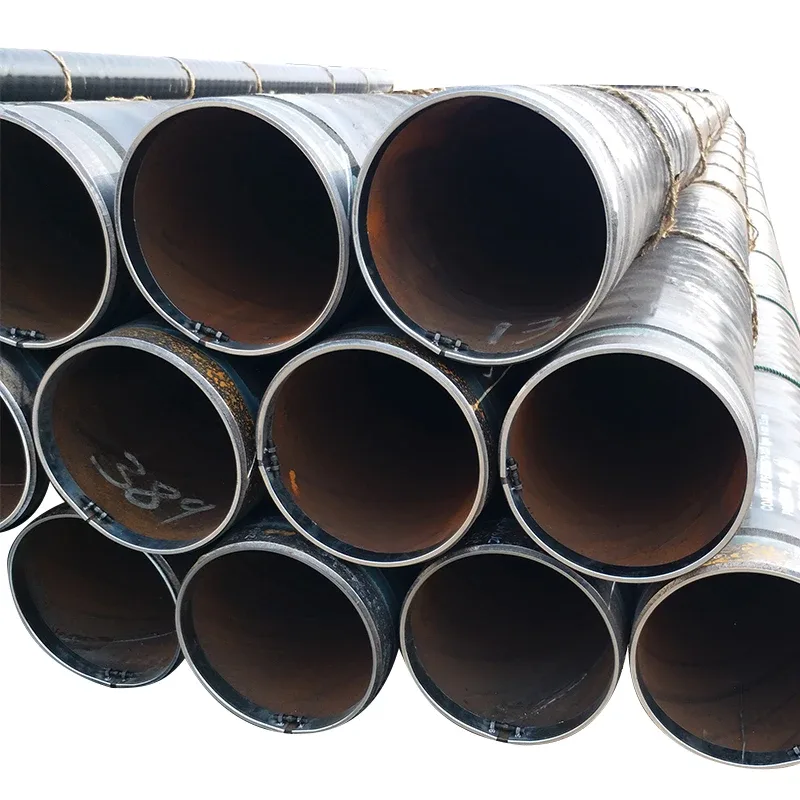
| Surface Treatment | Anti-rust coating, Bitumen coating, FBE, 2PE, 3LPE, Polyamide Epoxy, Rich Zinc Primer, Polyurethane |
| Tolerance | ±10% |
| Ends | Plain / Beveled |
| Application | Oil and gas pipeline transmission, Urban heating network, Water supply pipeline, Sewage discharge, Steel structure, Bridges, Foundation piling, Port machinery, Electrical power |
| MOQ | 1 Ton |
| Origin | Shandong, China |
Application Suitability
| Industry | Typical Applications |
|---|---|
| EPC Contractors | Oil and gas transmission pipelines, cross-country water conveyance projects requiring API 5L PSL2 certification |
| Construction Companies | Foundation piling for high-rise buildings, bridge substructures using large-diameter ASTM A252 pipes |
| Infrastructure Developers | Urban district heating networks, sewage outfall systems with 3LPE or bitumen corrosion protection |
| Port & Marine Engineering | Port machinery support columns, marine fendering piles exposed to saline environments |
| Power Sector | Cooling water intake pipelines, power plant structural supports |
Why Ultrasonic Weld Seam Inspection Matters More Than the Mill Certificate Stamp
A clean mill certificate means nothing if the helical seam fails ultrasonic testing at the destination port.
Back when I was on the procurement side for a piling project in Ho Chi Minh City, we ordered a batch of SSAW pipes for foundation work. The mill cert looked perfect, but when the client’s third-party inspector checked the welding seam on three random pieces, the ultrasonic test flagged incomplete fusion. The whole 40ft container got held at Cat Lai port, demurrage piling up by the day. That headache pushed me to the supply side — now I personally oversee every weld seam inspection before loading. With SSAW steel pipe, the helical seam is strong when done right, but you need a factory that runs real-time ultrasonic testing, not just stamps paperwork. [NEED_CITE: ultrasonic testing requirements for spiral submerged arc welded pipes per API 5L]
Matching Large-Diameter SSAW Pipes to Piling and Pipeline Engineering
When your project calls for foundation piling in soft soil or a cross-country water transmission line, the spiral welding process gives you a continuous helical seam that distributes stress evenly along the pipe body. Our SSAW steel pipe covers OD from 219.1 mm to 4064 mm, meaning a single supplier can handle both your 610 mm piling tubes and your 1420 mm transmission mains. The spiral forming technique allows length flexibility up to 96 m per piece, reducing field welding joints and cutting installation time on linear infrastructure projects. We supply API 5L X42 through X70 grades for pressurized pipelines and ASTM A252 Gr.2/Gr.3 for structural piling — all verified by our in-house physical and chemical laboratory before shipment.
Engineering Compliance Across Pressure and Structural Standards
SSAW pipes serving oil and gas transmission must conform to API 5L PSL2, which mandates specific chemical composition limits and mandatory impact testing at specified temperatures. For structural piling and bridge applications, ASTM A252 governs minimum yield requirements and dimensional tolerances. European projects typically specify EN 10219 for cold-formed hollow sections or EN 10210 for hot-formed finished products — and customs authorities in EU member states will reject shipments lacking proper CE marking under these standards. [NEED_CITE: CE marking requirements for structural steel pipes under EN 10219] Surface treatment selection directly affects service life: FBE coating suits buried pipelines operating at elevated temperatures, while 3LPE systems provide mechanical damage resistance for rocky backfill conditions. Bitumen coating remains the economical choice for water supply and sewage applications in moderate environments.
Understanding Steel Grade Selection for Spiral Welded Pipe Projects
The API 5L grade system designates minimum yield strength in ksi — X42 yields at 42 ksi, X65 at 65 ksi — allowing engineers to match pipe strength to operating pressure without over-specifying. The EN 10219 system uses metric designations: S235JR for general structural work, S355J2 for applications requiring guaranteed impact toughness at sub-zero temperatures. ASTM A252 Gr.2 and Gr.3 serve the piling sector where ductility and weldability matter more than high strength. The spiral submerged arc welding process itself offers a cost advantage over LSAW for large diameters above 508 mm, since it forms the pipe from coiled steel plate using a continuous helical seam rather than pressing and welding flat plates. However, the helical seam length is greater than a straight longitudinal seam, meaning welding quality control becomes even more critical — every meter of seam must pass ultrasonic inspection. [NEED_CITE: comparison of SSAW and LSAW manufacturing processes for large diameter pipes]
The Hidden Cost of Skipping Weld Seam Verification
Procuring SSAW pipes based on paper certificates alone exposes your project to material rejection at destination, customs holds due to missing or non-conforming test reports, and worst-case scenarios where incomplete weld fusion goes undetected until structural loading. A pipe that fails ultrasonic testing at the port means container demurrage, air-freight replacement costs, or weeks of delay while a new production run ships. For API 5L PSL2 pipelines, non-conforming chemistry or missing impact test results invalidate the entire heat lot. [NEED_CITE: consequences of non-compliant steel pipe materials in pipeline construction]
Procurement Confidence from a Verified Spiral Welded Pipe Manufacturer
As a factory-direct SSAW steel pipe supplier, we eliminate trading company markups and provide transparent pricing tied to current raw material indices. Our in-house physical and chemical laboratory tests every heat for composition, tensile strength, and flattening performance before the pipe leaves the mill. We hold CE certification under EN 10219/10210, ISO 9001:2015 registration, and factory audits from SGS and BV — meaning your customs broker will not face documentation surprises. With 2,800+ specifications across our product range and custom non-standard sizes available, we consolidate your pipe, plate, and section steel procurement into a single shipment. Our professional loading team optimizes container stowage for heavy-wall large-diameter pipes, and we coordinate FOB, CIF, or DDP logistics to your project site.
Documentation & Compliance
- Mill test certificate documenting API 5L X52 chemical composition, yield strength, and hydrostatic test pressure per PSL2 requirements
- CE certificate confirming EN 10219 compliance for S355JR structural hollow sections destined for European Union markets
- ISO 9001:2015 quality management system certificate covering the full SSAW steel pipe production process
- SGS or BV third-party inspection report verifying dimensional tolerance, weld seam ultrasonic testing, and coating thickness
- Full material traceability by heat number from steel coil to finished pipe, recorded in the mill test certificate
- Complete customs documentation package including packing list, bill of lading, and certificate of origin
Packaging, Loading & Delivery
- Heavy-wall SSAW pipes bundled with high-tensile steel strips and padded at contact points to prevent coating damage during ocean transit
- 3LPE and FBE coated pipes wrapped with protective sleeves at both ends to preserve the anti-corrosion layer through port handling and stacking
- Container loading plans optimized for large-diameter pipes (OD 1000 mm+) using nested configurations to maximize payload per 40ft container
- Custom cut-to-length service available for pipes up to 96 m, with beveled or plain ends prepared per project welding specifications
- Heat number and steel grade stenciled on each pipe end for on-site traceability verification during installation
- FOB Jinan/Qingdao port, CIF destination port, or DDP door-to-door delivery coordinated with forwarders experienced in heavy steel cargo
Start Your SSAW Pipe Inquiry with Full Specifications
Submit your required outer diameter, wall thickness, steel grade, quantity, and destination port — we respond within 12 hours with a detailed quotation including unit price, production lead time, applicable certifications, and coating options. For non-standard sizes or project-specific coating requirements, our engineering team provides custom solutions backed by mill test certificates and third-party inspection reports.
Request Your SSAW Steel Pipe Quotation Today
Send your specifications via email or WhatsApp to receive pricing, available mill test certificates, and container loading plans within one business day.
Company: Shandong Xin Jiyuan Special Steel Tube Co., Ltd
Website: www.sdxjysteel.com
Tel: +86 531 8573 6315
Mobile/WhatsApp/WeChat: +86 188 5315 7756
Email: admin@sdxjysteel.com
Frequently Asked Questions
Q: What is the difference between SSAW, LSAW, and ERW pipes for my project?
A: SSAW pipes use a spiral submerged arc welding process ideal for large diameters above 508 mm and long-length applications, offering cost efficiency for water transmission and piling. LSAW pipes use a straight longitudinal seam formed by pressing steel plate, typically specified for high-pressure oil and gas applications. ERW pipes are produced from cold-rolled coil with a high-frequency welded seam, suited for smaller diameters and lower-pressure services. We supply all three types and can recommend the best option based on your project specifications.
Q: Can you provide API 5L PSL2 certification for oil and gas pipelines?
A: Yes, our SSAW steel pipe production is fully certified under API 5L PSL1 and PSL2. PSL2 requirements include mandatory impact testing, stricter chemical composition limits, and 100% non-destructive testing of the weld seam. We provide original mill test certificates with every shipment documenting compliance with your specified grade.
Q: What surface treatment options are available for offshore or underground applications?
A: For buried pipelines, we offer FBE (fusion bonded epoxy) for single-layer protection, 2PE and 3LPE polyethylene systems for mechanical damage resistance, and bitumen coating for economical water and sewage applications. For offshore or marine environments, polyamide epoxy and polyurethane coatings provide enhanced corrosion and UV resistance. Rich zinc primer is available for above-ground structural applications.
Q: How do you handle customs documentation and CE marking for EU markets?
A: All SSAW pipes shipped to European Union markets carry CE marking under EN 10219 or EN 10210 as applicable. We provide a complete documentation package including mill test certificates, packing list, bill of lading, and certificate of origin. Our CE certification is issued by Lloyd’s Register, and we can arrange SGS or BV third-party inspection prior to shipment if required by your project specifications.
Q: What is the production lead time and logistics arrangement for bulk orders?
A: Typical production lead times depend on order volume and coating requirements — standard SSAW pipes without special coating ship within typical production cycles, while 3LPE or FBE coated orders require additional processing time. We offer FOB, CIF, and DDP shipping terms, with professional container loading optimization for heavy-wall and large-diameter pipes. Real-time shipment tracking is provided from port departure to destination arrival.