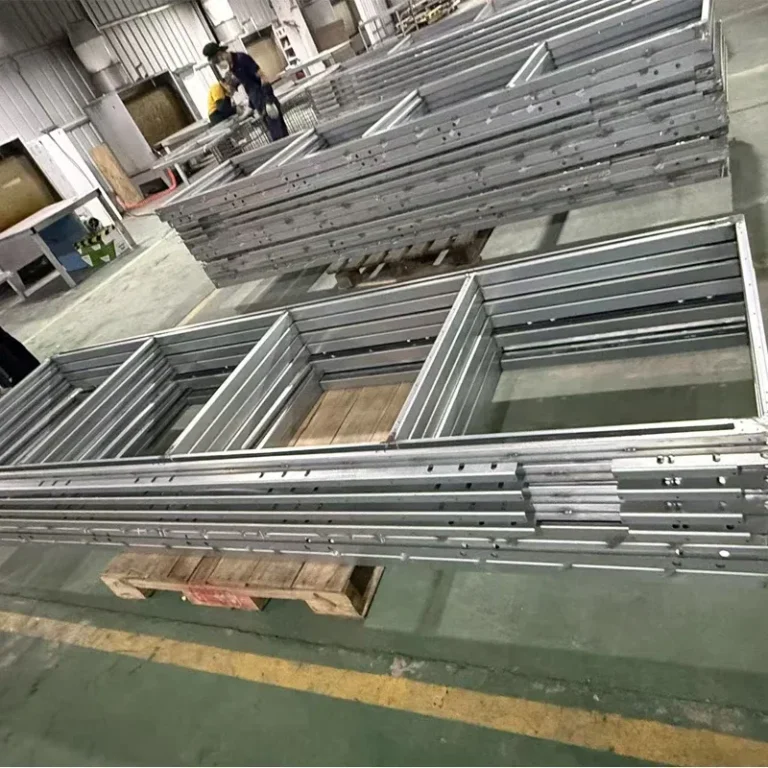
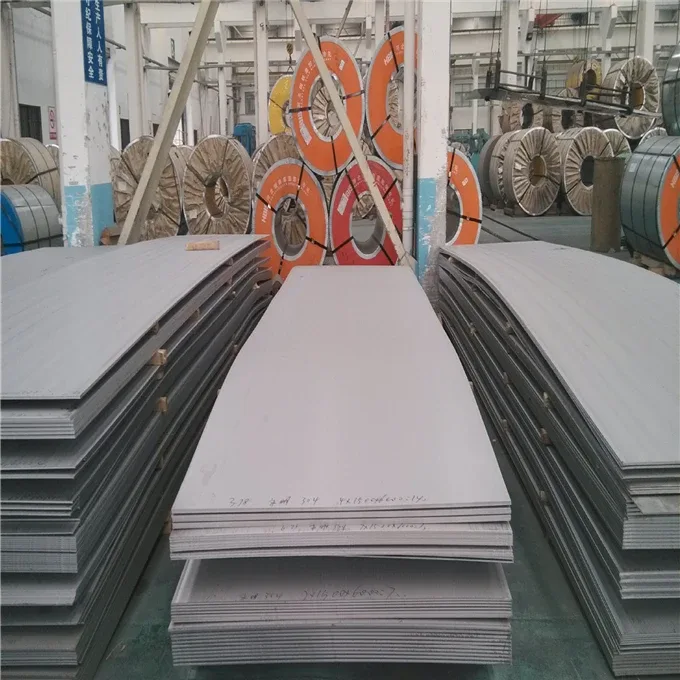
Description
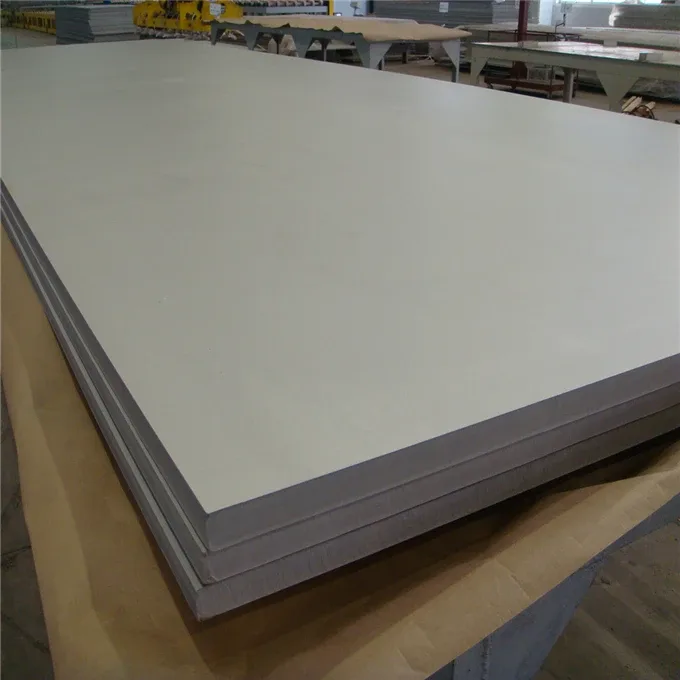
Factory-Direct 300 Series Stainless Steel Plate Supplier — In-house rolling and heat treatment lines produce 304, 316L, 310S, 309S, 321, and 904L plates with full chemical traceability from melt to finished sheet.
Technical Specifications
| Parameter | Value |
|---|---|
| Designation | 300 Series Stainless Steel Plate |
| Product Type | Steel Plate |
| Steel Grade | 304, 304L, 304N, 316L, 316Ti, 317L, 309S, 310S, S30815, 301, 321, 904L, 2205, 2507, 17-4 |
| Standard | ASTM A240 / ASME SA240, JIS 4305, DIN EN 10088-2, EN 10051, EN 10088-1, ISO 15510, EN ISO 9445, ASTM A 480, ASTM A 959, ASME IID, EN ISO 18286, AISI, GB |
| Section Shape | Flat Plate / Sheet |
| Size Range | Thickness 0.1–200mm; Width 3–2500mm; Length 5–13000mm |
| Technique | Hot Rolled / Cold Rolled / Forging |
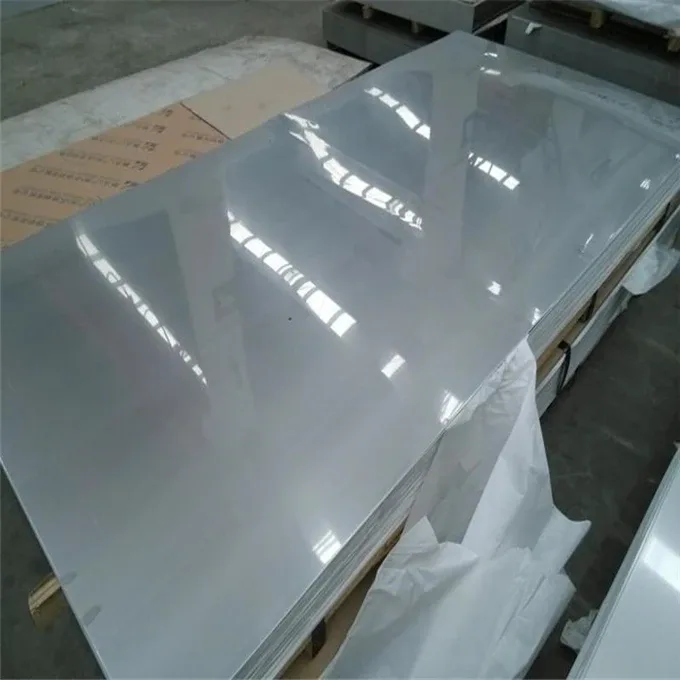
| Surface Treatment | No.1, No.2D, No.2B, BA, No.3, No.4, #240, #320, HL (Hairline), 8K (Mirror), Satin, Brush, Plastic Coated |
| Tolerance | ±1% |
| Edge | Slit Edge / Mill Edge |
| Hardness | Soft, Hard, Half Hard, Quarter Hard, Spring Hard |
| Application | Construction, Chemical Industry, Petrochemical, Machinery Manufacturing, Ship Equipment, Automotive, Household Appliances, Kitchen Equipment, Architectural Applications, Industrial Fabrication, Pressure Vessels |
| Origin | Shandong, China |
Application Suitability
| Industry | Typical Applications |
|---|---|
| EPC Contractors & Construction | Chemical plant cladding, petrochemical pipe supports, architectural facade panels, desalination facility structures |
| Machinery & Equipment Manufacturing | Conveyor system frames, automation machine guards, food processing equipment housings, precision instrument enclosures |
| Industrial Fabricators & Pressure Vessel Builders | Heat exchanger shells, reactor vessel linings, cryogenic storage tanks, high-temperature furnace components |
| Marine & Ship Equipment | Deck fittings, exhaust scrubber ducts, ballast water treatment system panels, offshore platform handrails |
When Nickel Content Deviations Trigger Full-Container Rejections
A single percentage point below spec on molybdenum or nickel can void an entire shipment at the port of discharge.
I once watched a batch of 316L plates destined for a desalination project get flagged by third-party inspection at the destination port — molybdenum content read 1.9% instead of the ASTM A240 minimum of 2.0%. The entire container was rejected, re-shipped, and re-rolled. The buyer lost weeks of project timeline and absorbed double freight costs. That kind of failure does not come from bad intentions; it comes from suppliers who skip incoming raw material verification and rely on mill declarations without independent lab confirmation. [NEED_CITE: ASTM A240 chemical composition requirements for 316L stainless steel]
Matching Plate Thickness and Finish to Corrosive and Structural Environments
Selecting the correct 300 Series Stainless Steel Plate starts with the environment the material will face. For atmospheric corrosion in coastal construction, 304L with a No.2B or BA finish provides adequate protection at lower cost. When chloride exposure is continuous — as in desalination plants or chemical processing — 316L or 904L becomes necessary because molybdenum addition resists pitting corrosion that 304 cannot withstand. For sustained temperatures above 800°C in furnace components, 310S retains oxidation resistance where standard austenitic grades would scale and weaken. Our production lines cover cold-rolled sheets from 0.1mm to 6.0mm for precision enclosures, and hot-rolled plates up to 120mm for structural and pressure vessel applications, all processed through in-house physical and chemical laboratories before release.
Engineering Compliance and Certification Pathways Across Markets
Pressure vessel builders working to ASME Section VIII require material conforming to SA240 with documented heat numbers and mechanical test results traceable to the original melt. European construction projects specify EN 10088-2 compliance with CE marking for structural stainless components. [NEED_CITE: EN 10088-2 technical delivery conditions for stainless steel plates] Ship equipment suppliers face classification society rules that demand third-party inspection reports from recognized bodies. The gap between ordering “316L plate” and receiving material that clears customs with complete documentation is wider than most procurement teams anticipate. Missing or inconsistent mill test certificates cause holds at destination ports, particularly in markets with strict import verification protocols. Our shipments include full traceability packages — heat number stamped on every plate, chemical composition and mechanical properties documented per ASTM A240 or EN 10088-2 as specified, and third-party inspection available through SGS or BV upon request.
How Rolling Method and Surface Finish Determine Final Performance
Cold-rolled 300 Series Stainless Steel Plate achieves tighter dimensional tolerance and smoother surface finish compared to hot-rolled equivalents, making it suitable for architectural panels and precision-machined components where appearance and flatness matter. The No.4 and HL (Hairline) finishes are produced through controlled abrasive belt grinding that creates uniform directional grain patterns — critical for facade consistency across large building elevations. The 8K Mirror finish requires progressive polishing through multiple grit stages to eliminate all surface defects. Hot-rolled plates in grades like 310S and 309S develop a mill scale surface (No.1 finish) that is acceptable for industrial furnace linings where appearance is secondary to high-temperature oxidation resistance. Forging processes produce thicker plates beyond standard rolling capacity, used in heavy-wall pressure vessel heads and flange blanks. Surface finish selection also affects corrosion performance — a polished No.4 surface resists contaminant adhesion better than a rough mill finish in food processing environments. [NEED_CITE: stainless steel surface finish designations per ASTM A480]
The Hidden Costs of Unverified Material and Incomplete Documentation
Ordering 300 Series Stainless Steel Plate without independent chemical verification exposes projects to material substitution risk — 304 supplied as 316L, or off-spec nickel content that passes visual inspection but fails spectrographic analysis. The consequences extend beyond replacement cost: structural engineers cannot sign off on pressure vessels without certified mill test reports, customs authorities in EU and Middle East markets increasingly reject shipments lacking proper CE or origin documentation, and project timelines absorb delays while replacement material is sourced and shipped. [NEED_CITE: EN 10219 hollow section certification requirements for structural steel] These failures are not theoretical — they represent real project costs measured in weeks of delay and percentage points of margin erosion.
Procurement Advantages Rooted in Production Control
Our facility operates dedicated production lines for stainless steel plate with in-house physical and chemical laboratories that verify every heat against ASTM A240 and EN 10088-2 requirements before release. We maintain inventory across 2,800+ specifications covering the full 300 series range — from standard 304 and 316L to specialized grades like 904L, 2205 duplex, and 17-4 precipitation hardening — eliminating the need to coordinate multiple suppliers for different alloy requirements. Custom non-standard dimensions are processed in-house: laser cutting, plasma cutting, waterjet cutting, bending, and edge preparation are completed before shipment, reducing secondary fabrication at your facility. Every plate carries heat number traceability, and CE certification under EN 10088 standards supports EU market access without additional testing. Our logistics team manages professional loading plans optimized for container weight distribution and port coordination across 50+ destination countries.
Documentation & Compliance
- Mill Test Certificate documenting 316L chemical composition (Ni, Cr, Mo content) and mechanical properties per ASTM A240, traceable to original heat number
- CE certificate confirming compliance with EN 10088-2 for structural stainless steel plates entering European markets
- ISO 9001:2015 quality management certificate covering production processes and inspection protocols
- SGS or BV third-party inspection report verifying chemical composition and dimensional tolerance upon request
- Material traceability documentation linking each plate to melt heat number, rolling batch, and inspection records
- Complete customs document package including packing list, Bill of Lading, and Certificate of Origin for destination port clearance
Packaging, Loading & Delivery
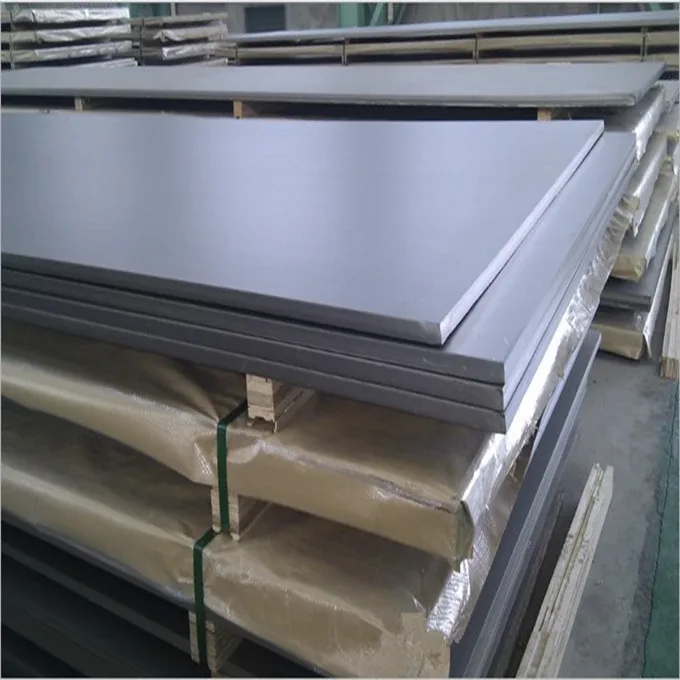
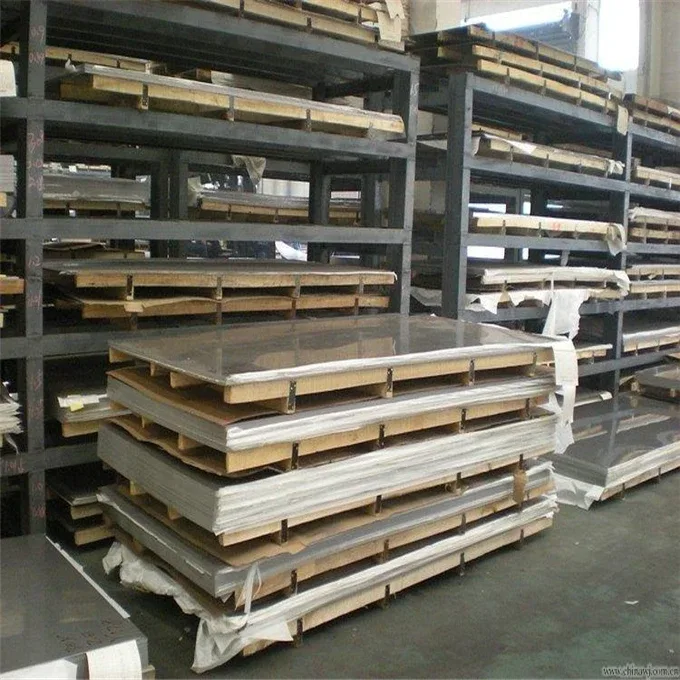
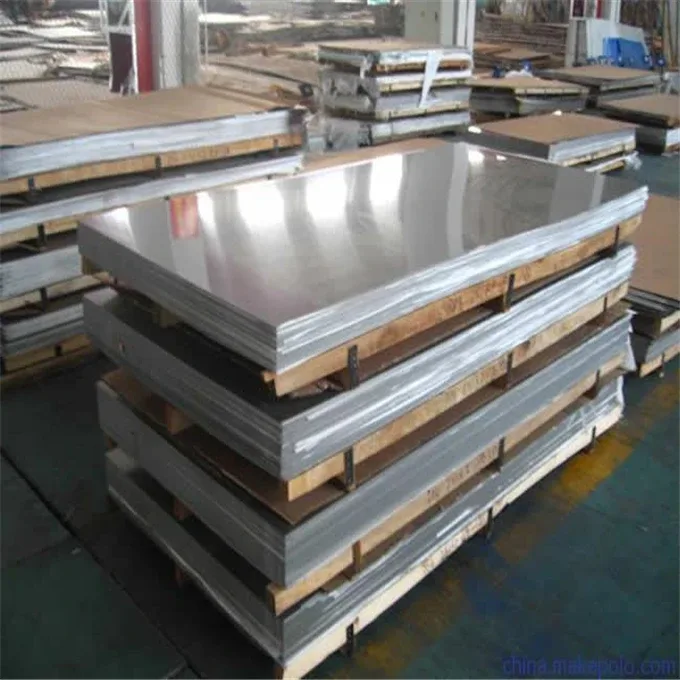
- Stainless steel plates bundled with waterproof kraft paper and steel strip binding, with edge protectors preserving No.4 and 8K Mirror finishes during ocean transit
- Surface protection applied per finish type: plastic film coating for BA and Mirror finishes, anti-rust oil for mill finish hot-rolled plates in 310S and 309S grades
- Container loading optimized for plate dimensions — standard 1220×2440 and 1500×6000 sheets configured for 20ft and 40ft containers with weight distribution plans preventing over-axle conditions
- Custom cutting to project-specified lengths up to 13000mm completed before packaging, with cut edges deburred and protected
- Heat number and grade identification marked on every plate and corresponding bundle tag for site verification
- FOB, CIF, and DDP shipping terms available with door-to-door logistics coordination to 50+ countries
Initiating Your Procurement Inquiry
Submit your specification requirements — grade, thickness, width, length, surface finish, quantity, and destination port — and receive a detailed quotation including unit pricing, production timeline, applicable certifications, and mill test certificate availability within 12 hours. For non-standard dimensions or custom processing requirements, our technical team provides fabrication drawings and tolerance confirmations before production commitment.
Request Your 300 Series Stainless Steel Plate Quotation
Send specifications via email or messaging to receive pricing, certification details, and production scheduling for your project requirements.
Contact: Shandong Xin Jiyuan Special Steel Tube Co., Ltd
Website: www.sdxjysteel.com
Tel: +86 531 8573 6315
Mobile/WhatsApp/WeChat: +86 188 5315 7756
Email: admin@sdxjysteel.com
Address: No.11889, Jingshi West Road, Lulian Group, Jinan City, Shandong Province, China
Frequently Asked Questions
Q: What is the difference between 304L and 316L for chemical processing applications?
A: 316L contains molybdenum (2.0-3.0% per ASTM A240) which provides superior resistance to pitting corrosion from chlorides and acidic environments. 304L is suitable for general atmospheric and mild chemical exposure, but 316L is specified when chloride concentrations exceed thresholds that cause pitting in molybdenum-free austenitic grades.
Q: Can you supply 310S plates in thicknesses above 100mm for furnace construction?
A: Yes, our hot-rolled production line processes 310S and 309S plates up to 120mm thickness for high-temperature applications. These grades maintain oxidation resistance at sustained temperatures above 1000°C, and forging processes can produce even thicker sections for specialized pressure vessel components.
Q: What surface finish options are available for architectural facade panels?
A: We produce No.4 (satin), HL (Hairline), and 8K Mirror finishes on cold-rolled 300 Series Stainless Steel Plate. No.4 provides uniform directional grain suitable for building exteriors, HL offers finer linear patterns for decorative applications, and 8K Mirror achieves reflective polish for feature walls and signage. Plastic film protection is applied to preserve finish quality during shipping.
Q: Do you provide third-party inspection certificates for customs clearance?
A: Yes, SGS and BV third-party inspection reports are available upon request, covering chemical composition verification, dimensional tolerance measurement, and surface quality assessment. These reports support customs clearance requirements in markets with strict import verification protocols and provide independent confirmation of material compliance with ASTM A240 or EN 10088-2 standards.
Q: What is the minimum order quantity for custom-cut plates?
A: We process custom dimensions through in-house laser cutting, plasma cutting, and waterjet services with no separate minimum order requirement beyond standard plate procurement. Custom cutting is completed before shipment, reducing secondary fabrication at your facility and ensuring dimensional accuracy per your project drawings.