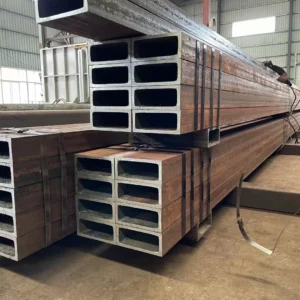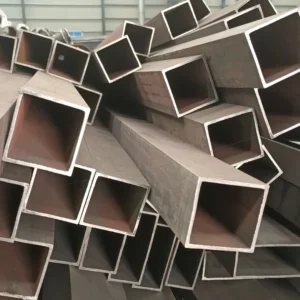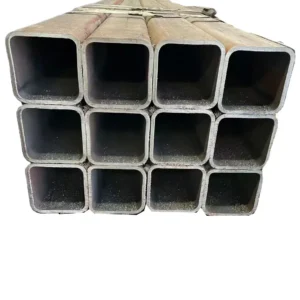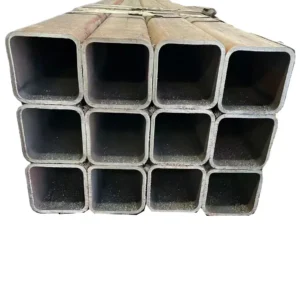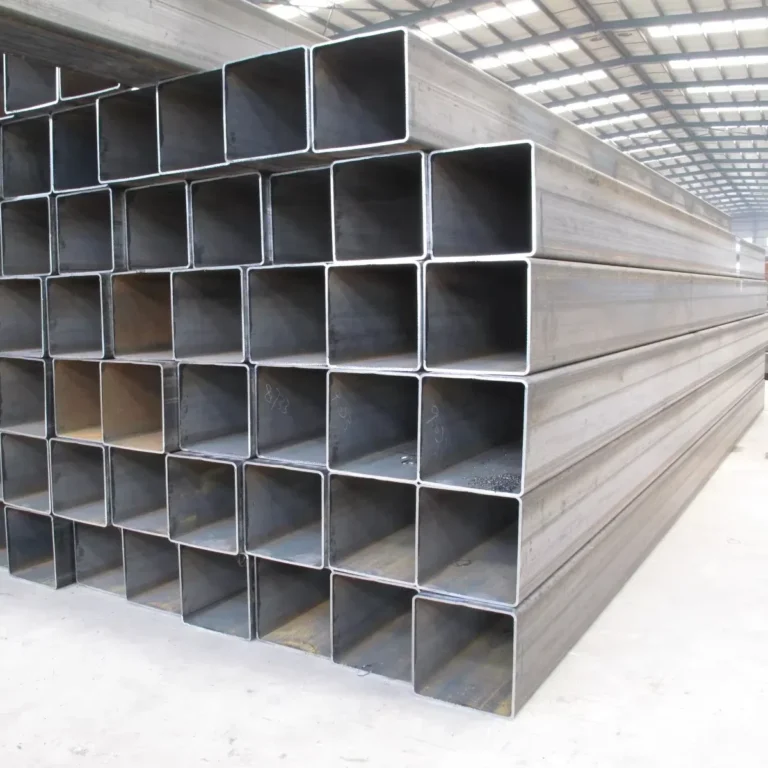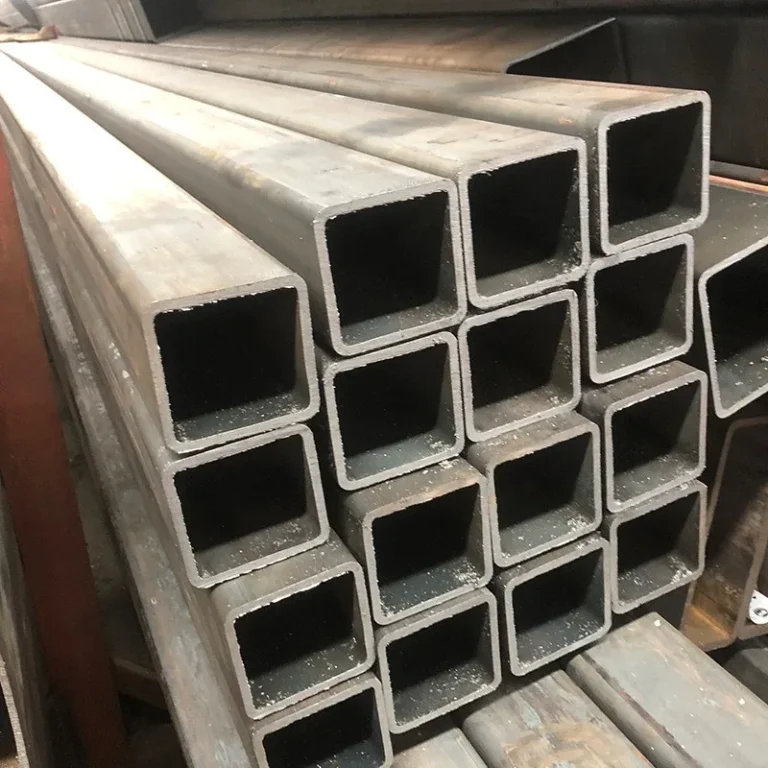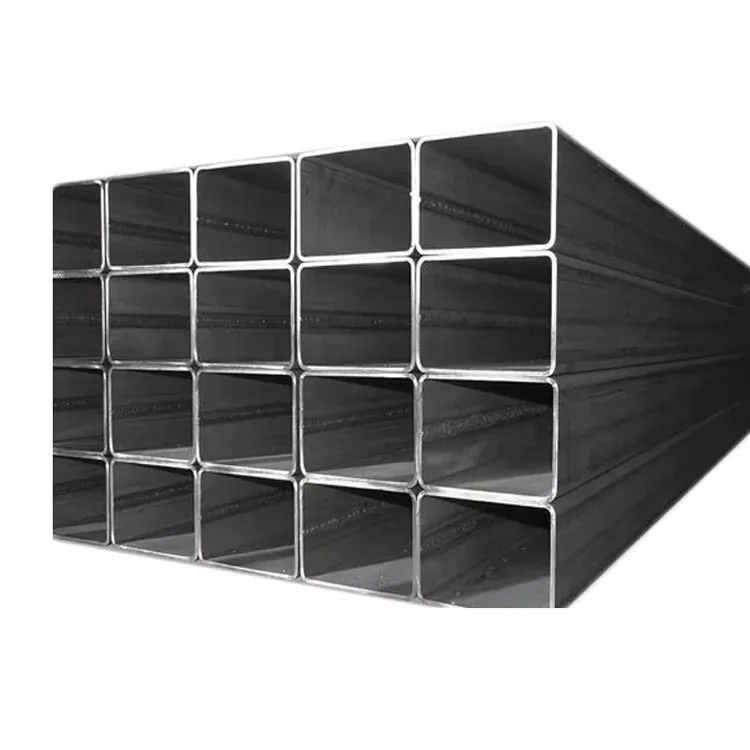
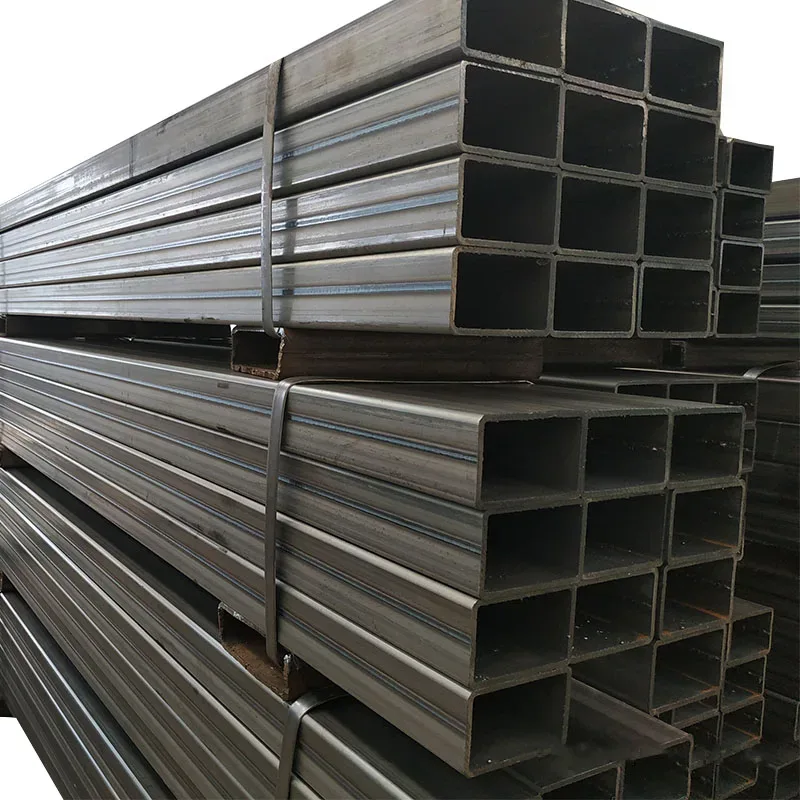
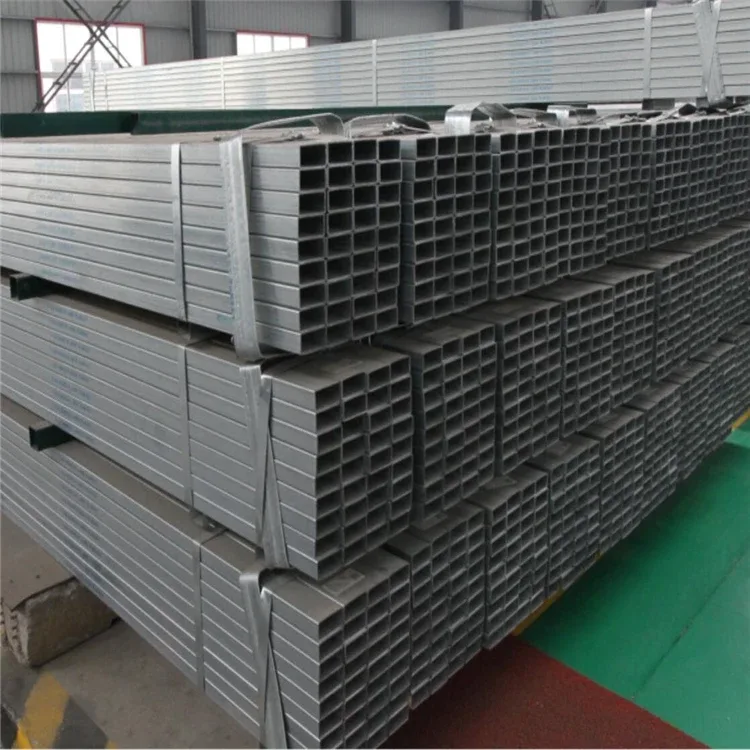

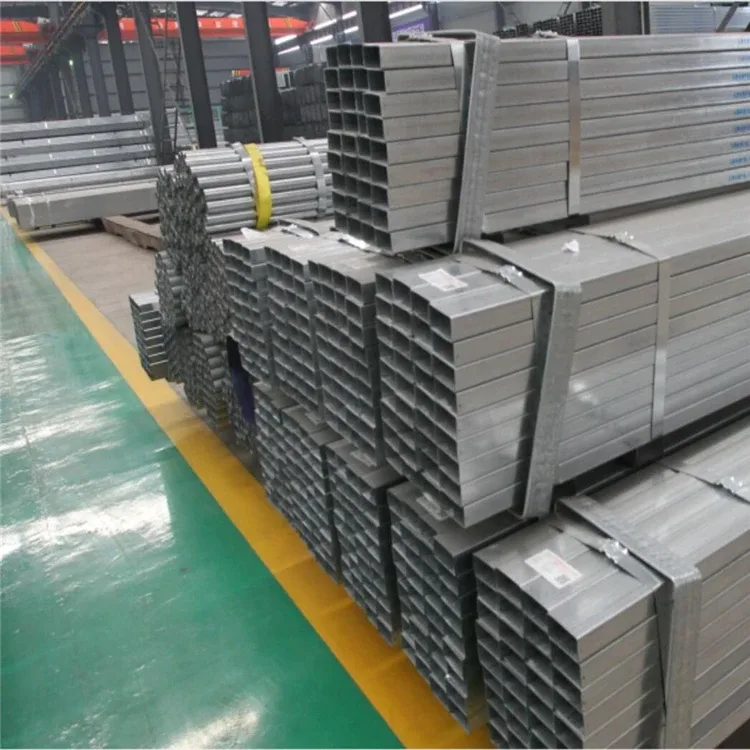
Description
Factory-Direct Thick Wall ERW Square and Rectangular Steel Tube Supplier — 2,800+ specifications produced on 3 dedicated lines with in-house physical and chemical laboratories, shipped to 50+ countries without intermediary markups.
Technical Specifications
| Parameter | Value |
|---|---|
| Designation | Q235/Q345 ERW Square and Rectangular Steel Pipe |
| Product Type | Square and Rectangular Steel Tube (ERW / Seamless) |
| Steel Grade | Q195, Q215, Q235, Q345, S235JR, GR.B-D, STK500 |
| Standard | ASTM, GB, DIN, EN, AISI, JIS, ASME, API, BS, EN10219, EN10255, GB/T3091-2001, BS 1387-1985, DIN EN10025, JIS G3444:2004, ASTM A53, ANSI B36.10M-2004, API 5CT |
| Section Shape | Square / Rectangular |
| Size Range | 10×10 mm – 500×500 mm (side length); up to 3620 mm outer diameter |
| Wall Thickness | 0.6 mm – 120 mm |
| Length | 1 m, 4 m, 6 m, 8 m, 12 m (customizable) |
| Technique | Hot Rolled / Cold Rolled / ERW |
| Surface Treatment | Bare, Oiled, 3PE Coating, Printed, or Customized |
| Tolerance | ±1%, ±5%, ±10% |
| Ends | Plain, Beveled, Threaded with Couplings or Sockets; plastic caps and steel rings available |
| Processing Service | Bending, Welding, Punching, Cutting |
| Application | Fluid Pipe, Gas Pipe, Structure Pipe, Steel Structures, Construction Frames, Machinery, Scaffolding |
| MOQ | 1 Ton |
| Origin | Shandong, China |
Application Suitability
| Industry | Typical Applications |
|---|---|
| EPC Contractors | Steel structure frames for industrial plants, energy facility support columns, pipeline rack systems |
| Construction Companies | High-rise building frames, bridge support piers, structural scaffolding uprights |
| Machinery Manufacturers | Heavy-duty equipment frames, conveyor system uprights, crane boom sections |
| Infrastructure Developers | Foundation piling casings, retaining wall bracing, tunnel support rings |
What Wall-Thickness Tolerance Costs on a Structural Frame Order
Tight wall-thickness control is the single most ignored variable in thick wall ERW square and rectangular steel tube procurement — and the most expensive one to correct on site.
When wall thickness drifts beyond the specified tolerance band, theoretical weight no longer matches actual weight. A Nigerian EPC project I supported once received a full container of thick-wall square tubes where the negative tolerance was so severe that the site engineer rejected the lot after measuring just five pieces with a caliper. The entire shipment sat at Lagos port for weeks, racking up demurrage while replacement material was sourced from a second supplier. [NEED_CITE: wall thickness tolerance requirements for cold-formed structural hollow sections per EN 10219]
Beyond customs and port delays, inconsistent wall thickness creates structural calculation mismatches. Engineers design connection nodes and load-bearing capacities based on nominal dimensions. When actual wall thickness falls short, the entire structural analysis must be recalculated, delaying fabrication and potentially requiring redesign of welded joints and bolted connections.
How Thick Wall Sections Match Heavy-Duty Structural Demands
Thick wall ERW square and rectangular steel tube in Q235 and Q345 grades delivers the section modulus required for primary load-bearing members in steel structures. Wall thicknesses extending to 120 mm allow these tubes to function as column sections, moment-resisting frame members, and heavy equipment support structures where thin-walled alternatives would buckle under compressive loads. The ERW process produces a continuous longitudinal weld seam that, when properly controlled, achieves joint integrity comparable to the parent metal — critical for structures subject to dynamic loading or seismic zones.
Engineering Compliance and Certification Pathways
Structural steel procurement for international projects must satisfy multiple compliance layers simultaneously. For European market delivery, CE certification under EN 10210 (hot-finished) or EN 10219 (cold-formed) is mandatory — customs authorities in EU member states routinely reject hollow sections lacking valid CE declarations. [NEED_CITE: CE marking requirements for structural steel hollow sections under EN 10210 and EN 10219] North American projects typically require ASTM A500 Grade B or C compliance, while Australian infrastructure specifications may reference AS1163. Our in-house laboratory tests every heat against the applicable standard before release, and third-party inspection through SGS or BV can be arranged for projects requiring independent verification.
Steel Grade Selection and ERW Process Fundamentals
The Q-series grades (Q195 through Q345) follow the Chinese GB standard system where the number indicates minimum yield strength in MPa. Q235 remains the default choice for general structural applications, offering adequate strength for building frames and scaffolding at competitive cost. Q345 provides higher yield strength for heavy-load applications such as crane structures and bridge components. When projects specify international standards, S235JR maps closely to Q235 in mechanical properties, while STK500 serves structural applications under JIS G3466.
The ERW (Electric Resistance Welding) process forms flat steel strip into square or rectangular cross-sections and welds the seam through electrical resistance heating without filler metal. This method suits high-volume production of standard and thick-wall sections efficiently. For applications demanding higher pressure ratings or more uniform grain structure through the weld zone, seamless alternatives are available within the same specification range.
Surface treatment selection depends on the service environment. Bare tubes suit indoor structural applications where paint systems will be applied on site. Oiled surfaces provide temporary corrosion protection during ocean transit. 3PE coating delivers long-term corrosion resistance for buried or marine-exposed structures without requiring additional field coating.
The Hidden Cost of Unverified Material Claims
Purchasing thick wall ERW square and rectangular steel tube based solely on supplier-declared specifications without mill test certificate verification creates compounding downstream risks. Material that fails to meet the declared steel grade — whether through substitution of lower-grade material or excessive negative tolerance — will not pass structural inspection at the project site. [NEED_CITE: structural steel material certification requirements for international construction projects]
The cost of material rejection extends far beyond the steel itself. Demurrage charges at destination ports, emergency air freight for replacement material, fabrication schedule delays, and potential redesign of connection details can multiply the original material cost several times over. For projects requiring CE certification, non-compliant material cannot be legally installed in EU member states, creating total loss scenarios rather than partial rejections.
Why Procurement Teams Source Thick Wall Sections Through Us
Our three dedicated production lines cover wall thicknesses from 0.6 mm to 120 mm across 2,800+ specifications, eliminating the need to source thick-wall square tubes from one supplier, plates from another, and fabrication services from a third. The proprietary sharp-corner rectangular tube technology — holding 41 invention patents — produces tight internal radii that improve connection fit-up for bolted and welded joints in steel frames.
Every production batch undergoes incoming, in-process, and final inspection in our physical and chemical laboratories. Mill test certificates documenting chemical composition and mechanical properties are issued before shipment. For projects requiring independent verification, we arrange SGS or BV third-party inspection at our facility. CE certification under EN 10210 and EN 10219, ISO 9001:2015 quality management, and Singapore FPC certification ensure documentation compliance across major import markets.
Professional loading plans optimize container utilization for heavy thick-wall sections, and our logistics team coordinates FOB, CIF, and DDP shipments with real-time tracking to destination ports across 50+ countries.
Documentation & Compliance
- Mill test certificate documenting Q235/Q345 chemical composition and mechanical properties per GB/T standards, with heat number traceability
- CE certificate confirming compliance with EN 10210 (hot-finished) or EN 10219 (cold-formed) for European market delivery
- ISO 9001:2015 quality management system certificate covering production and inspection processes
- SGS or BV third-party inspection report available for projects requiring independent material verification
- Material traceability documentation linking each tube to its heat number, production date, and test results
- Customs documentation package including packing list, bill of lading, and certificate of origin
Packaging, Loading & Delivery
- Thick wall Q235/Q345 square and rectangular tubes bundled with high-tensile steel strips, separated by timber dunnage to prevent surface damage during ocean transit
- Bare or oiled surfaces protected with plastic end caps and waterproof wrapping to prevent corrosion during extended shipping periods
- 3PE coated tubes handled with edge protectors and non-metallic strapping to preserve coating integrity throughout loading and unloading
- Container loading plans optimized for 6 m and 12 m lengths, maximizing payload while respecting port weight restrictions for thick wall sections
- Heat number and steel grade stenciled on each tube bundle for site identification and material traceability verification
- FOB, CIF, and DDP shipping terms available with door-to-door logistics coordination to destination ports across 50+ countries
Securing Your Thick Wall Tube Procurement
Submit your specification requirements — including section dimensions, wall thickness, steel grade, quantity, and destination port — via email or WhatsApp. We respond within 12 hours with detailed pricing, production lead time, and applicable certification documentation. For non-standard sizes outside catalog range, our engineering team provides custom fabrication proposals with MOQ confirmation.
Start Your Thick Wall ERW Square and Rectangular Steel Tube Inquiry
Send your specifications and quantity requirements to receive factory-direct pricing, mill test certificate samples, and delivery timelines within 12 hours.
Company: Shandong Xin Jiyuan Special Steel Tube Co., Ltd
Website: www.sdxjysteel.com
Tel: +86 531 8573 6315
Mobile/WhatsApp/WeChat: +86 188 5315 7756
Email: admin@sdxjysteel.com
Address: No.11889, Jingshi West Road, Lulian Group, Jinan City, Shandong Province, China
Frequently Asked Questions
Q: What is the MOQ for non-standard wall thicknesses beyond your standard catalog range?
A: Our production lines cover wall thicknesses from 0.6 mm to 120 mm across 2,800+ specifications. For custom non-standard sizes outside this range, MOQ depends on the specific dimension and steel grade requested. Contact our engineering team with your exact requirements for a custom fabrication proposal.
Q: Can you provide mill test certificates and arrange third-party inspection for our project?
A: Yes. Every production batch is tested in our in-house physical and chemical laboratory, and mill test certificates documenting chemical composition and mechanical properties are issued before shipment. For projects requiring independent verification, we arrange SGS or BV third-party inspection at our facility.
Q: Which steel grade standards do you offer for international projects?
A: We supply Q195 through Q345 per Chinese GB standards, S235JR per EN standards, GR.B-D per ASTM standards, and STK500 per JIS standards. Our team can advise on grade equivalence when your project specification references a standard different from our standard offering.
Q: Do your CE certificates meet EU import and construction compliance requirements?
A: Yes. Our CE certification covers both EN 10210 (hot-finished structural hollow sections) and EN 10219 (cold-formed structural hollow sections), meeting the requirements for legal installation in European Union member states. Full documentation packages including CE declarations, mill test certificates, and customs documents are provided with every shipment.
Q: What surface treatment options are available for corrosion protection in different environments?
A: We offer bare (for indoor applications with field painting), oiled (temporary transit protection), 3PE coating (long-term corrosion resistance for buried or marine environments), galvanized, and custom surface treatments. The selection depends on your service environment and project timeline.