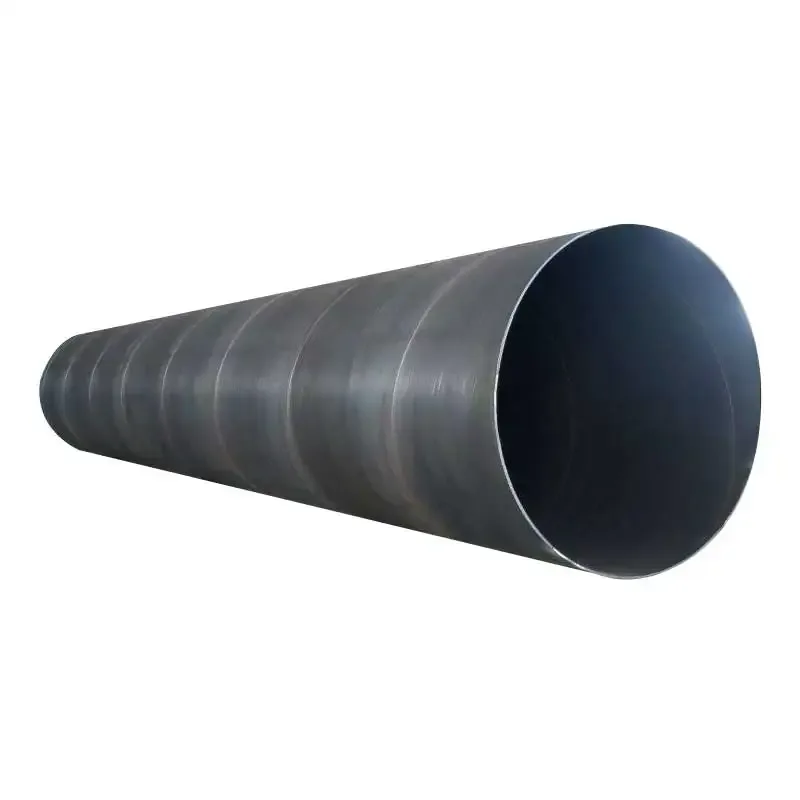
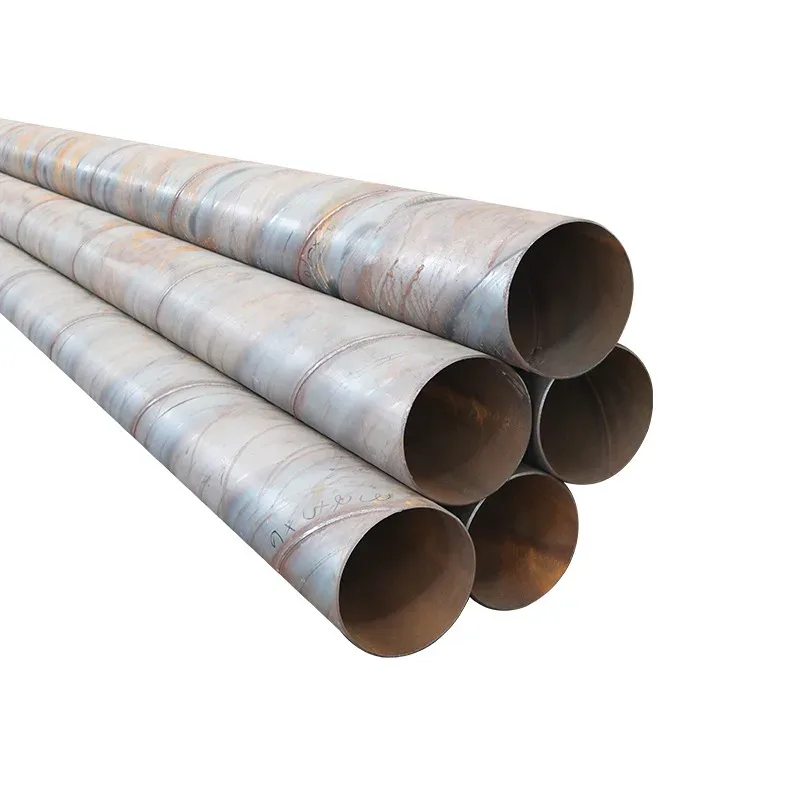
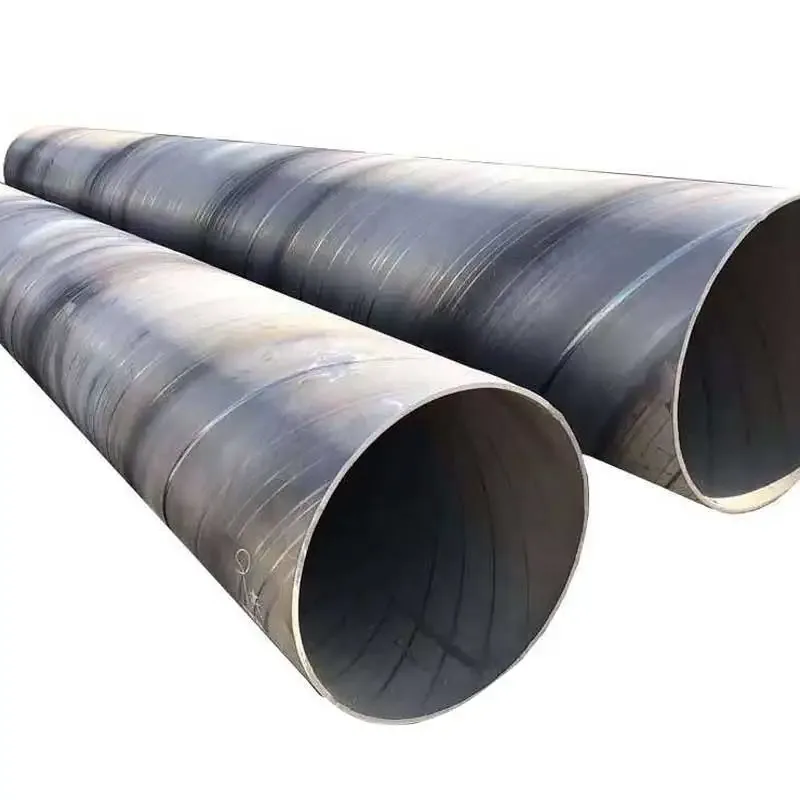
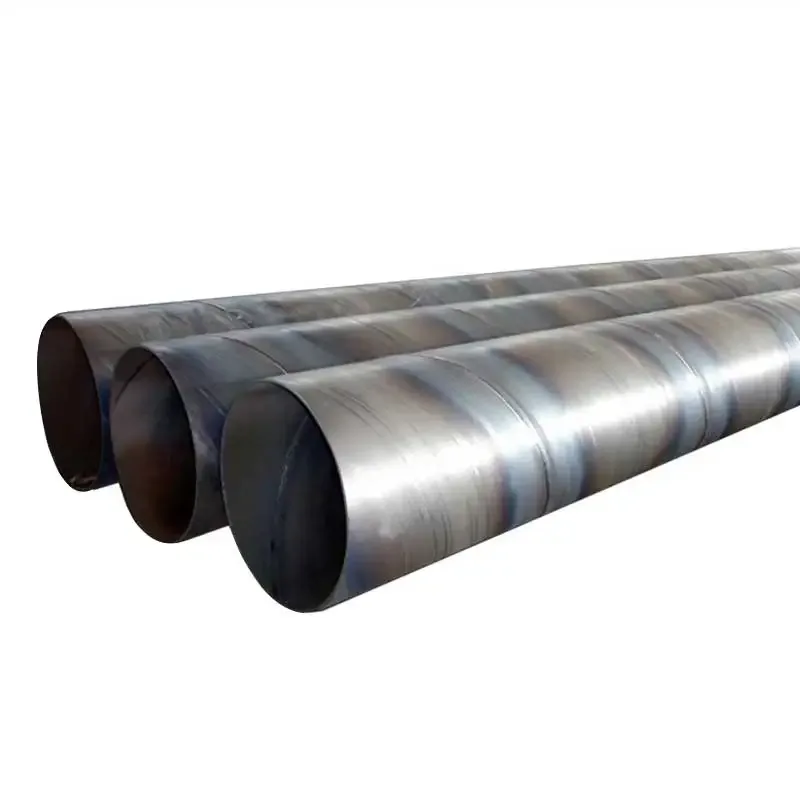
Description
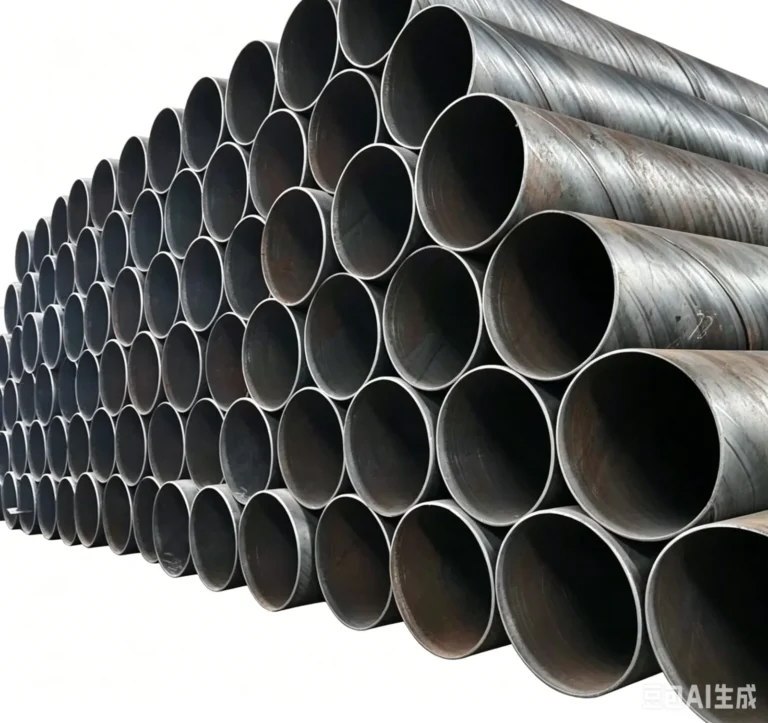
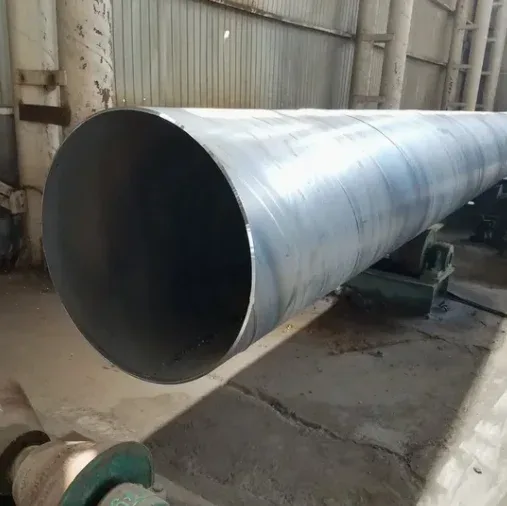
Factory-Direct SSAW Steel Pipe Supply — Three dedicated spiral welding lines with in-house physical and chemical laboratories ensure every batch meets ASTM A20/A20M tolerance requirements before shipment.
Technical Specifications
| Parameter | Value |
|---|---|
| Designation | SSAW Carbon Steel Pipe |
| Product Type | SSAW Steel Pipe (Spiral Submerged Arc Welded Steel Pipe) |
| Steel Grade | ASTM A20/A20M |
| Standard | ASTM A20/A20M, JIS G3115, DIN 17100 |
| Section Shape | Round |
| Size Range (OD) | 20–3220 mm |
| Wall Thickness | 0.5–100 mm |
| Length | 1–18 m (or customization) |
| Technique | SSAW (Spiral Submerged Arc Welded) / Hot Rolled |
| Surface Treatment | Oiled / Non-oiled / Plastic caps protection |
| Pipe Ends | Plain / Beveled / Threaded / Socket with holes / With PVC cap/coupling/clamp |
| Tolerance | ±5% / ±1% |
| Application | Fluid delivery / Construction pipe / Structural pipe / Boiler pipe / Oil casing / Precision tube |
| Invoicing | By Actual Weight |
| Origin | Shandong, China |
Application Suitability
| Industry | Typical Applications |
|---|---|
| Oil & Gas EPC | Pipeline transport for crude oil and natural gas, oil casing for drilling operations |
| Municipal Infrastructure | Water supply networks, gas distribution mains, pump well construction |
| Construction & Structural | Greenhouse framing, fence post installation, structural support columns |
| Industrial & Power | High-pressure boiler tubes, precision machined components for machinery |
What Negative Tolerance Exceedance Costs on a Large-Diameter Pipeline Order
Actual weight falling short of theoretical weight triggers customs holds and project delays at destination ports.
I have watched an entire shipment of 24-inch spiral welded pipes get detained because wall thickness negative tolerance was out of control. The SGS re-inspection at the discharge port failed, and the project timeline blew out by weeks. For EPC contractors procuring SSAW steel pipe in large diameters, inconsistent material properties and unclear steel grade traceability create risks that extend far beyond the unit price difference. When specifications span OD 20–3220 mm and wall thickness up to 100 mm, even small deviations compound across hundreds of tons. Fragmented sourcing from multiple suppliers only amplifies coordination costs and delivery uncertainty. [NEED_CITE: tolerance requirements for spiral submerged arc welded steel pipes per ASTM A20]
Matching Large-Diameter Spiral Welded Pipe to Pressure and Structural Demands
Spiral submerged arc welding produces a continuous helical seam that distributes stress more evenly along the pipe body compared to longitudinal weld configurations. This makes SSAW steel pipe particularly suitable for large-diameter applications where internal pressure and external loading coexist — such as oil and gas transmission lines, water intake structures, and deep foundation piling. The process allows manufacturers to produce pipes with OD up to 3220 mm from narrower coil stock, reducing material waste while maintaining structural integrity across wall thicknesses from 0.5 mm to 100 mm.
Engineering Compliance and Certification Requirements Across Markets
Large-diameter welded pipes used in pressure-containing applications must comply with recognized international standards. ASTM A20/A20M governs general delivery requirements for steel plates and pipes in the North American market, while JIS G3115 and DIN 17100 serve projects specified under Japanese and European engineering frameworks respectively. For EU-bound construction and structural applications, CE certification under EN 10210 and EN 10219 is often mandatory for customs clearance and site acceptance. Third-party inspection by SGS or BV before shipment provides independent verification of chemical composition and mechanical properties, reducing the risk of material rejection at destination. [NEED_CITE: ASTM A20 general requirements for steel pipe delivery conditions]
Understanding the SSAW Process and ASTM A20 Grade Framework
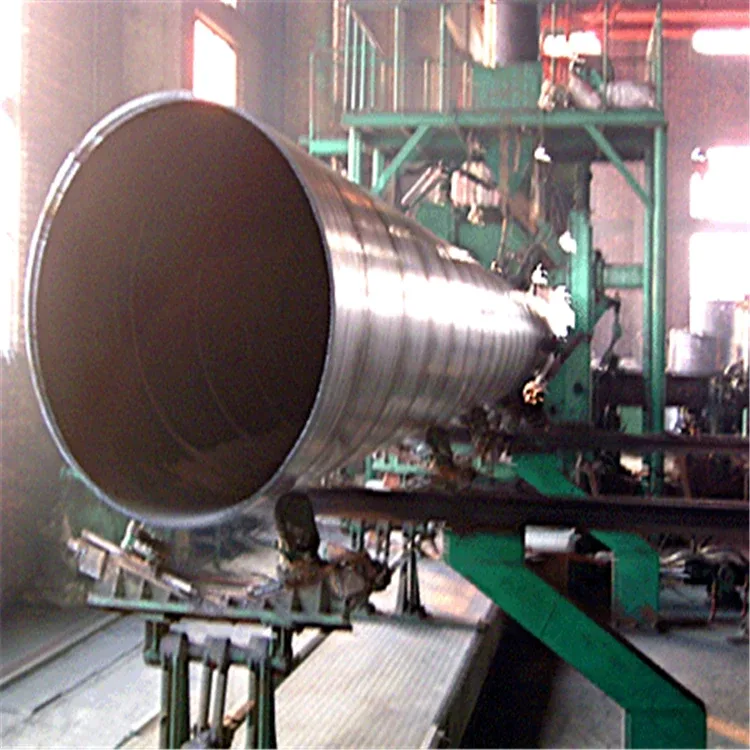
Spiral submerged arc welding forms the pipe body by continuously feeding steel coil through a set of forming rollers that bend the plate into a helical shape, followed by internal and external submerged arc welding passes. This method offers distinct advantages for large-diameter production: it allows a single coil width to produce multiple pipe diameters by adjusting the forming angle, and the spiral seam geometry provides favorable stress distribution under internal pressure. Compared to seamless pipes, SSAW offers significant cost advantages at diameters above 500 mm, while compared to LSAW, it provides greater flexibility in diameter-to-coil-width ratios.
The ASTM A20/A20M standard specifies general requirements covering chemical composition limits, tensile testing procedures, and hydrostatic testing protocols. It does not define a single steel grade but rather establishes the testing and inspection framework that applies across multiple grade designations. This means buyers must clearly specify the required grade alongside the ASTM A20 reference to ensure proper material selection. Surface treatment options — oiled for temporary corrosion protection during transit, non-oiled for applications requiring subsequent coating — and end finishes including plain, beveled, and threaded configurations allow the pipe to integrate directly into project-specific welding and connection systems.
Hidden Costs of Procuring Without Verified Mill Test Documentation
Ordering SSAW steel pipe without original mill test certificates creates exposure across the entire project lifecycle. Material that fails to meet the specified ASTM A20/A20M chemical composition limits may pass visual inspection but reject during welding procedure qualification, forcing costly rework or complete pipe replacement. Pipes with wall thickness below the minimum specified tolerance reduce pressure rating capacity and may fail hydrostatic testing at the project site. For EU-bound shipments, missing CE documentation under EN 10210/EN 10219 results in customs detention regardless of product quality. [NEED_CITE: consequences of non-compliant steel pipe documentation in international trade]
Why Global Buyers Source SSAW Steel Pipe from Xin Jiyuan
Our three dedicated SSAW production lines operate with in-house physical and chemical laboratories that conduct incoming raw material inspection, in-process weld seam monitoring, and final dimensional verification before any pipe loads onto a truck. Every shipment includes original mill test certificates documenting chemical composition and mechanical properties per heat number, providing full material traceability from coil to finished pipe. We maintain over 2,800 specifications across our product range, covering standard and non-standard diameters, wall thicknesses, and lengths that eliminate the need to source from multiple suppliers. Our 41 invention patents include proprietary technologies that address specific market gaps in large-diameter and heavy-wall spiral welded pipe production. CE certification under EN 10210/EN 10219, ISO 9001:2015 quality management, and pre-shipment SGS/BV third-party inspection capabilities ensure compliance with destination market requirements across 50+ countries. Professional loading plans optimize container utilization for mixed-diameter orders, and our export team coordinates FOB, CIF, and DDP logistics with real-time shipment tracking.
Documentation & Compliance
- Mill test certificate documenting ASTM A20/A20M chemical composition and mechanical properties per heat number for every production batch
- CE certificate under EN 10210/EN 10219 for structural hollow sections destined for European Union construction projects
- ISO 9001:2015 quality management system certificate covering the full production process from coil inspection to final pipe testing
- SGS or BV third-party inspection report available upon request for independent verification of dimensional accuracy and weld seam quality
- Material traceability documentation linking each pipe to its original heat number, coil certificate, and production date
- Complete customs document package including packing list, bill of lading, and certificate of origin formatted for destination port requirements
Packaging, Loading & Delivery
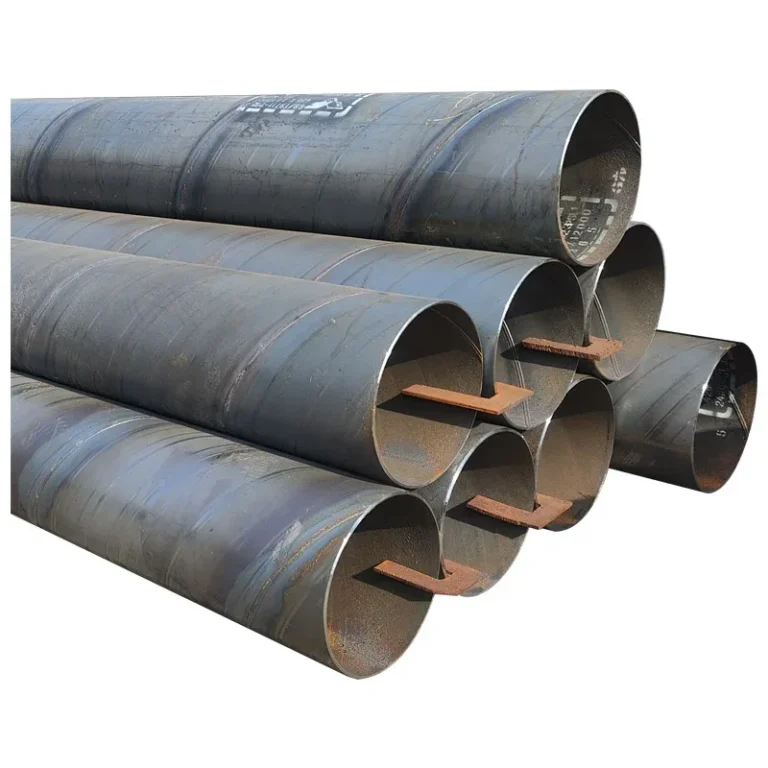
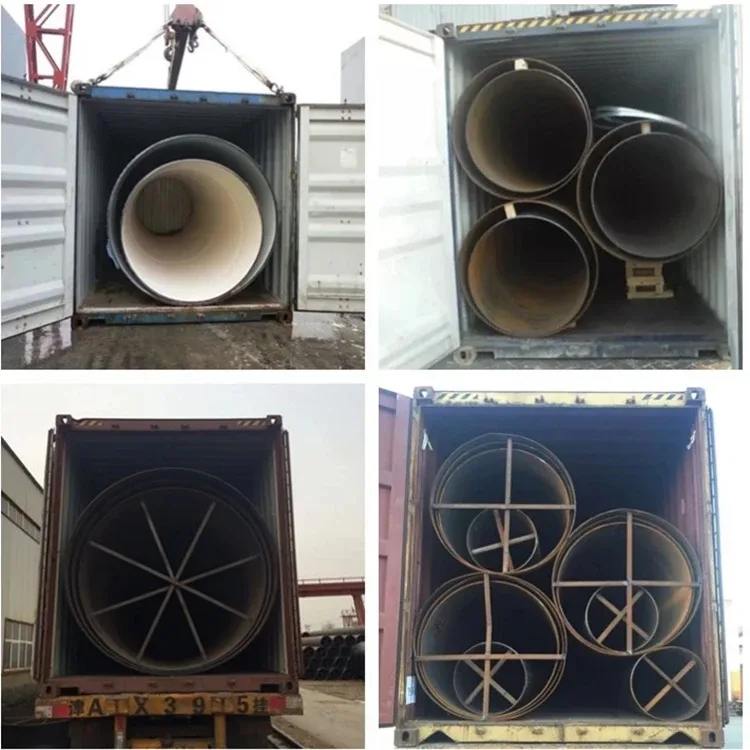
- Large-diameter SSAW pipes (OD above 1000 mm) shipped in bulk or on flat racks with steel strip bundling to prevent movement during ocean transit
- Oiled surface treatment applied before packaging to prevent corrosion during extended sea freight to Southeast Asia, Middle East, and South American ports
- Plastic cap protection installed on pipe ends to preserve beveled or threaded finishes and prevent moisture ingress during storage and transport
- Container loading plans optimized for mixed-diameter orders, nesting smaller OD pipes inside larger diameters to maximize payload per container
- Heat number and steel grade markings stenciled on each pipe surface for on-site identification and traceability verification during installation
- FOB, CIF, and DDP shipping terms available with professional port coordination and door-to-door logistics to 50+ countries
Start Your SSAW Steel Pipe Procurement With Verified Specifications
Submit your required outer diameter, wall thickness, steel grade, quantity, and destination port to receive a detailed quotation including unit price, production lead time, applicable certifications, and shipping options. Our team responds within 12 hours with pricing based on actual weight invoicing and can provide material samples along with original mill test certificates for your quality confirmation before contract signing.
Request Your SSAW Steel Pipe Quotation Today
Send your specifications to admin@sdxjysteel.com or contact us via WhatsApp at +86 188 5315 7756 to begin your procurement process.
Frequently Asked Questions
Q: What is the difference between SSAW, LSAW, and seamless pipe for large-diameter projects?
A: SSAW pipe uses spiral submerged arc welding to form a helical seam, allowing production of large diameters from narrower coil stock at lower cost. LSAW pipe uses longitudinal welding and is typically preferred for smaller diameters or applications requiring specific weld seam orientations. Seamless pipe offers the highest pressure rating but at significantly higher cost for diameters above 500 mm. The choice depends on your project pressure requirements, diameter specifications, and budget constraints.
Q: How do you verify material traceability and quality for SSAW steel pipe?
A: Every production batch receives an original mill test certificate documenting chemical composition and mechanical properties per heat number. Our in-house physical and chemical laboratories conduct incoming material inspection, in-process weld monitoring, and final dimensional verification. Third-party inspection by SGS or BV is available before shipment for independent quality confirmation.
Q: Can you produce non-standard outer diameters and wall thicknesses outside typical catalog ranges?
A: Yes, our three dedicated production lines cover OD from 20 mm to 3220 mm and wall thickness from 0.5 mm to 100 mm, including custom non-standard specifications. We maintain over 2,800 specifications in our product range and can accommodate special requirements for length, end finish, and surface treatment based on your project needs.
Q: What certifications are available for SSAW steel pipe exported to the European Union?
A: Our SSAW steel pipes carry CE certification under EN 10210 and EN 10219 for structural hollow sections, which is required for customs clearance and project compliance in EU markets. We also hold ISO 9001:2015 quality management certification, and pre-shipment third-party inspection by SGS or BV can be arranged to meet specific buyer or project requirements.
Q: What surface treatment and end finish options are available for corrosion protection and site connection?
A: We offer oiled surface treatment for temporary corrosion protection during transit, non-oiled finish for applications requiring subsequent field coating, and plastic cap protection on pipe ends. End finish options include plain ends for field welding, beveled ends for butt-weld connections, threaded ends for mechanical coupling, and socket ends with holes for specific connection systems. PVC caps and couplings are also available upon request.