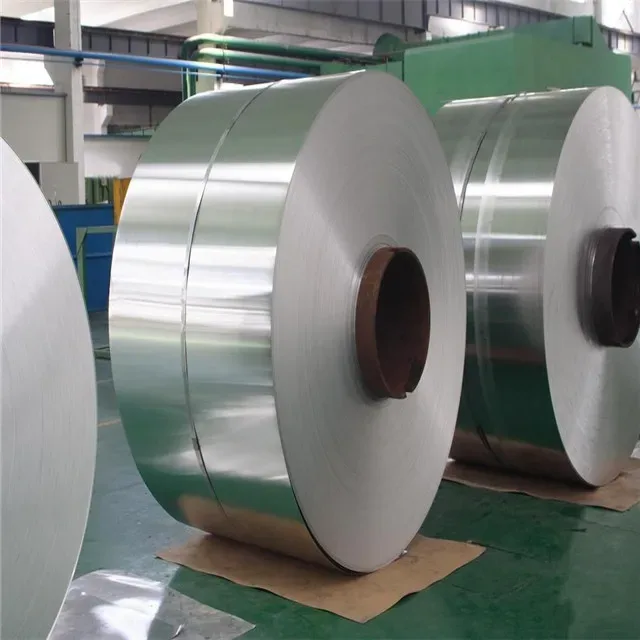
Description
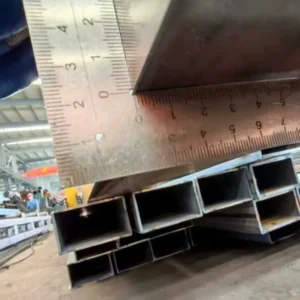
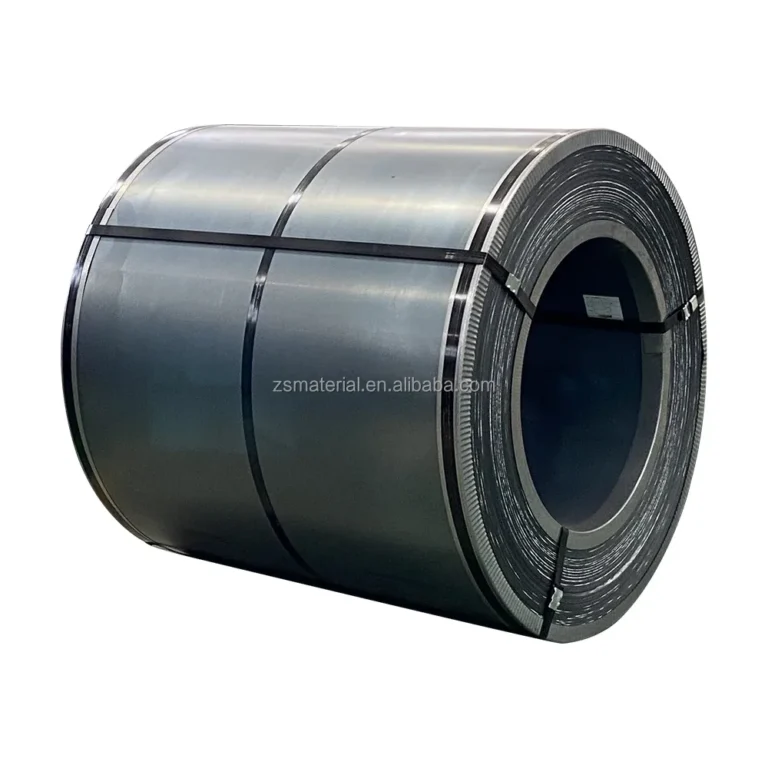
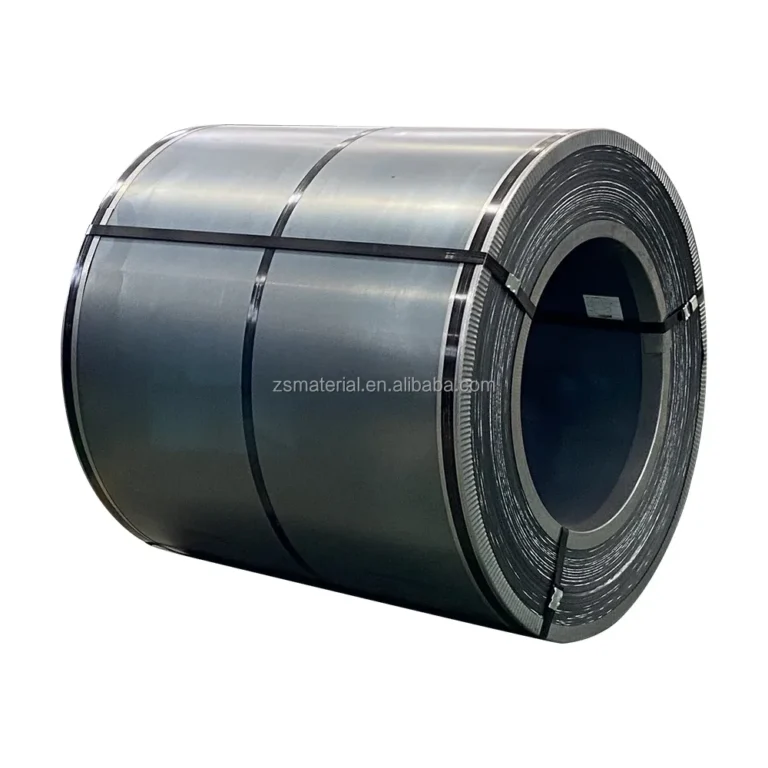
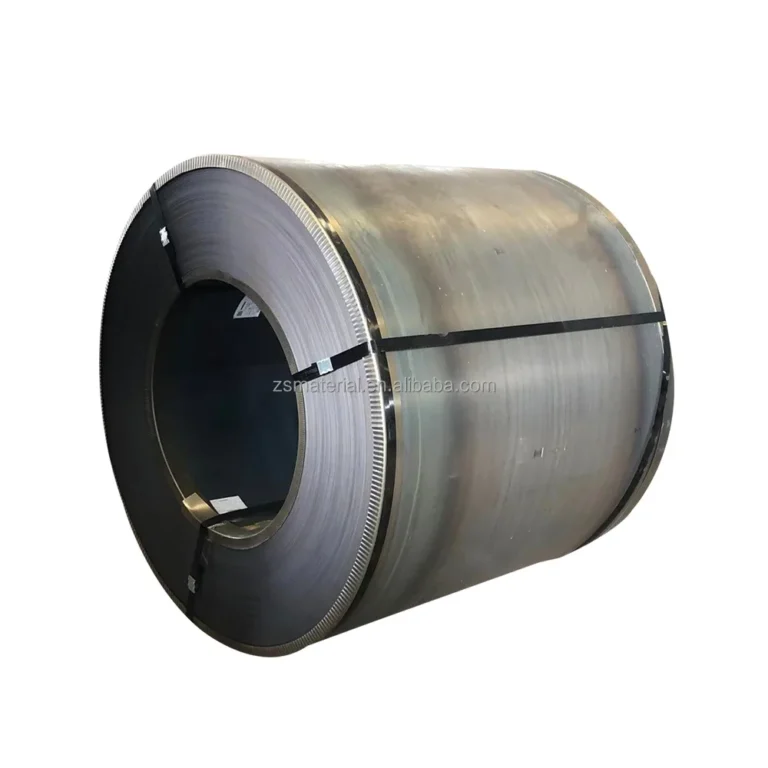
Factory-direct stainless coils with micrometer-verified thickness — every 304 316 430 stainless steel coil strip is gauge-checked at three points before container sealing, with raw data shared prior to dispatch.
Technical Specifications
| Parameter | Value |
|---|---|
| Designation | 304 316 430 Stainless Steel Coil Strip |
| Product Type | Steel Coil |
| Steel Grade | 304, 304L, 316, 316L, 430, 410, 436, 439, 409L, 904L, 310S, 2205, 2507 |
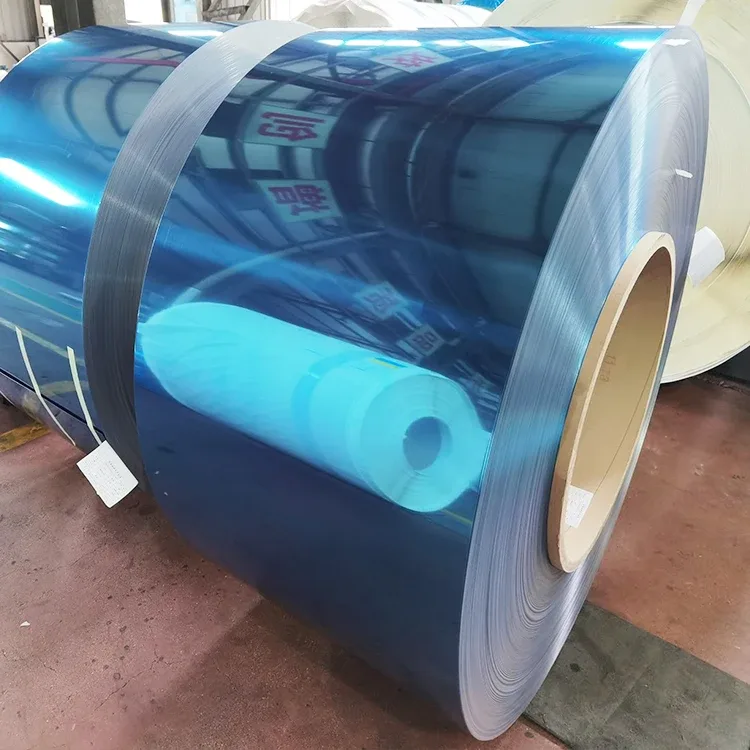
| Surface Finish | 2B |
| Thickness | 0.2mm–3mm |
| Width | 1000mm / 1219mm / 1500mm |
| Technique | Cold Rolled |
| Application | Fabrication / Pressure vessels / Shipbuilding / Automotive / Industrial equipment / Architectural cladding |
| Origin | Shandong, China |
Application Suitability
| Industry | Typical Applications |
|---|---|
| EPC Contractors | Chemical plant piping wraps, food processing tank linings, pharmaceutical cleanroom cladding |
| Machinery Manufacturers | Conveyor belt guides, hopper liners, exhaust system wraps for industrial equipment |
| Construction Companies | Roofing panels, wall cladding, decorative trim with consistent 2B reflectivity |
| Shipbuilding | Cabin interior panels, galley surrounds, ventilation ducting in marine environments |
Where Thickness Tolerance Decides Whether a Stamping Line Runs or Rejects
A coil that measures 0.45mm when the purchase order says 0.5mm will crack in the press.
Years ago, a fabrication buyer in Dubai received a container of 0.5mm 304 stainless coil. The mill had run heavy negative tolerance — actual thickness landed at 0.45mm. Their stamping line rejected the entire lot. Material cracked during forming. The return and replacement cost was absorbed entirely on our side. Since that shipment, every 304 316 430 stainless steel coil strip we load gets micrometer-checked at three points across the width, and raw gauge data is sent before the container seals. Global buyers sourcing stainless coils from fragmented suppliers routinely face inconsistent material properties, missing certifications, and unclear grade traceability — all of which create compliance risks and project delays that no price discount can offset. [NEED_CITE: cold rolled stainless steel thickness tolerance standards per ASTM A480]
Matching Austenitic, Ferritic, and Duplex Grades to Corrosive and Structural Environments
The 304 316 430 stainless steel coil strip range covers austenitic grades (304, 304L, 316, 316L, 904L, 310S) for general and chloride-bearing corrosion resistance, ferritic grades (430, 409L, 436, 439) for automotive exhaust and architectural trim where cost and formability matter, martensitic 410 for moderate hardness requirements, and duplex 2205/2507 for high-strength pressure vessel and offshore applications. Our in-house physical and chemical laboratory verifies composition against the specified grade before any coil leaves the production line — a step that prevents the grade-mixing errors that have caused weld failures on EPC job sites.
Engineering Compliance and Certification Pathways for Global Procurement
Stainless coil procurement for pressure vessels must conform to ASME Section II material requirements, while architectural cladding for European projects typically demands CE marking under EN 10088 series standards. Marine applications reference DNV or Lloyd’s Register material specifications, and food-grade fabrication requires FDA-compliant surface finish documentation. Each 304 316 430 stainless steel coil strip ships with heat-number traceability linking the coil to its original melt chemistry and mechanical test results — documentation that customs authorities and project inspectors require before release. [NEED_CITE: EN 10088 stainless steel flat product classification and delivery conditions]
Understanding the Grade Families Within a Single Coil Order
Austenitic 304 and 304L differ primarily in carbon content — the L variant reduces intergranular corrosion risk after welding without requiring post-weld heat treatment. 316 and 316L add molybdenum for chloride resistance, making them the default choice for coastal architectural cladding and chemical processing equipment. Ferritic 430 offers magnetic response and lower nickel cost for interior decorative panels, while 409L serves automotive exhaust systems where high-temperature oxidation resistance is critical. Duplex 2205 combines austenitic toughness with ferritic strength, delivering roughly double the yield strength of standard 304 — a property that allows thinner sections in pressure vessel design. The 2B cold-rolled surface finish provides a uniform matte reflectivity suitable for both further polishing and direct architectural exposure. [NEED_CITE: metallurgical differences between austenitic and ferritic stainless steel families]
The Hidden Cost of Accepting Unverified Coil Thickness and Unconfirmed Grade
When a supplier ships 316L coil that tests as 304 on arrival, the entire fabrication batch must be quarantined — weld procedures qualified for molybdenum-bearing material become invalid, and replacement lead time pushes project milestones. Negative tolerance beyond acceptable limits reduces structural section capacity in load-bearing cladding supports. Missing mill test certificates delay customs clearance at destination ports, generating demurrage charges that exceed the original material cost saving. Engineering inspectors rejecting untraceable material on a certified pressure vessel project can halt commissioning entirely. [NEED_CITE: consequences of material misidentification in pressure vessel fabrication per ASME codes]
Why Engineering Procurement Teams Source Stainless Coils From Jinan
Every 304 316 430 stainless steel coil strip in our inventory is produced on dedicated cold-rolling lines with in-house physical and chemical laboratories conducting incoming, in-process, and final inspections — not outsourced testing that arrives days after the container has sailed. We hold ISO 9001:2015 certification, Lloyd’s Register EU CE marking, Singapore FPC approval, and third-party verification through SGS and BV — covering the full certification chain that EPC contractors and steel distributors require across 50+ export markets. Our product range spans over 2,800 specifications across six major steel categories, meaning a single purchase order covering stainless coil, carbon pipe, and structural sections consolidates onto one contract with unified quality documentation. Custom non-standard widths and thicknesses outside the 0.2mm–3mm range are available with typical production lead times confirmed at quotation stage. Professional loading plans optimize container weight distribution for 1000mm, 1219mm, and 1500mm width coils, reducing freight cost per ton.
Documentation & Compliance
- Mill test certificate documenting 304/316/430 chemical composition (C, Cr, Ni, Mo content) and mechanical properties per ASTM A240 or EN 10088
- CE certificate confirming compliance with EN 10088 series for stainless steel flat products destined for European Union markets
- ISO 9001:2015 quality management system certificate covering the full cold-rolling and inspection process
- SGS or BV third-party inspection report available for independent verification of thickness, width, and surface finish
- Heat number traceability linking each 304 316 430 stainless steel coil strip to its original melt chemistry and test results
- Customs documentation package including packing list, bill of lading, and certificate of origin for destination port clearance
Packaging, Loading & Delivery
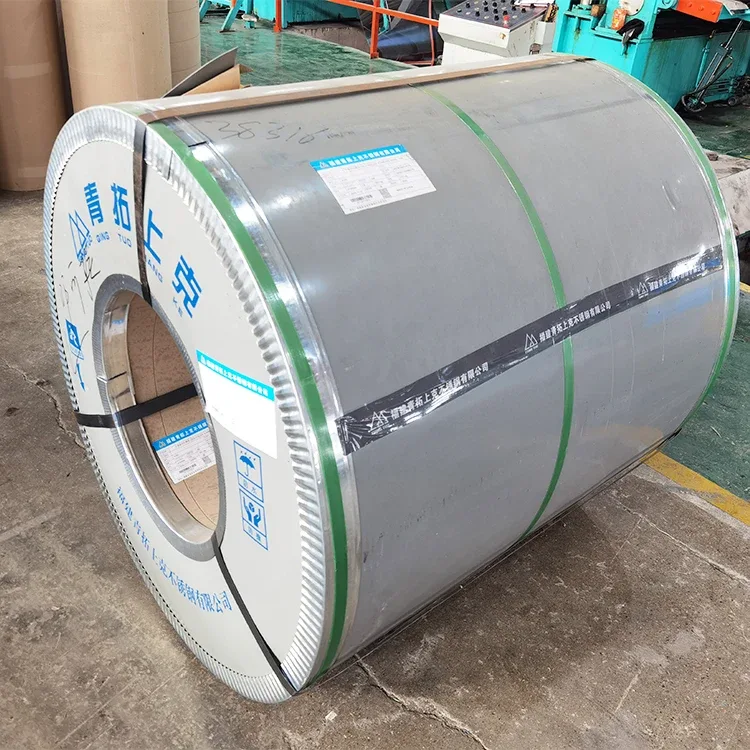
- 2B finish stainless coils wrapped in moisture-proof kraft paper and outer steel sheet protection to preserve surface quality during ocean transit
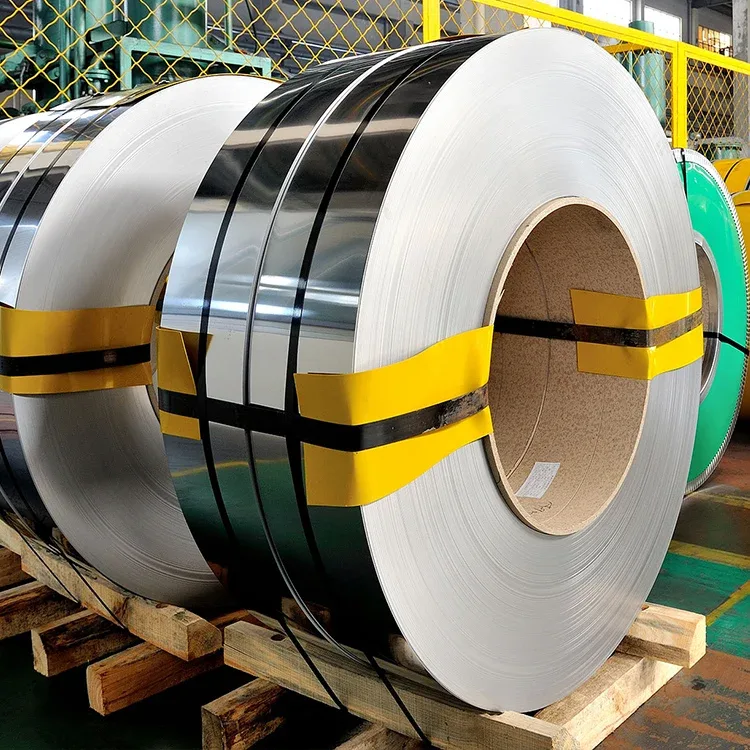
- Coil edges protected with steel or plastic edge guards to prevent edge wave damage on 0.2mm–1mm thin-gauge material
- Container loading plans optimized for 1000mm, 1219mm, and 1500mm width coils to maximize weight utilization within shipping limits
- Each coil labeled with heat number, steel grade (304/316/430), thickness, width, and net weight for site identification
- FOB, CIF, and DDP shipping terms available with real-time tracking from Jinan inland depot to destination port
- Custom-length slitting available for fabrication buyers requiring specific coil widths from master coil stock
Submit Specifications to Receive Quotation and Mill Test Certificates
Engineering procurement teams can submit coil specifications including steel grade, thickness, width, quantity, and destination port via email or WhatsApp to receive a detailed quotation with unit pricing, delivery timeline, and applicable certification documentation. Non-standard width or thickness requirements are reviewed for feasibility and lead time at the quotation stage. Third-party inspection through SGS or BV can be arranged prior to shipment for projects requiring independent quality verification.
Frequently Asked Questions
Q: What is the difference between 304, 304L, 316, and 316L stainless steel coils, and how do I choose the right grade for my application?
A: 304 is the general-purpose austenitic grade for most fabrication and architectural applications. 304L reduces carbon content to minimize intergranular corrosion after welding. 316 adds molybdenum for chloride resistance in coastal or chemical environments. 316L combines molybdenum with low carbon for welded structures in aggressive environments. Grade selection depends on the corrosion environment, welding requirements, and applicable engineering standards.
Q: Can you provide third-party inspection and what documentation is included for customs clearance?
A: SGS and BV third-party inspections are available for independent verification of thickness, width, surface finish, and chemical composition. The standard customs documentation package includes mill test certificate, packing list, bill of lading, and certificate of origin. CE certification is provided for European market entry under EN 10088 standards.
Q: What is the MOQ for stainless steel coil orders, and do you offer custom width or thickness specifications?
A: Minimum order quantities depend on the specific steel grade and thickness range. Custom widths outside the standard 1000mm, 1219mm, and 1500mm options are available through slitting from master coil stock. Non-standard thickness requirements are reviewed for production feasibility at the quotation stage.
Q: How do you ensure material traceability and what certifications do your stainless coils carry for EU and US markets?
A: Each coil carries a heat number linking it to the original melt chemistry and mechanical test results documented in the mill test certificate. ISO 9001:2015 certification covers the quality management system. CE marking under EN 10088 supports European market entry, and material conforms to ASTM A240 for US applications.
Q: What is the typical production lead time and shipping options for stainless steel coil orders?
A: Production lead times are confirmed at the quotation stage based on grade, thickness, quantity, and current production scheduling. Shipping options include FOB, CIF, and DDP terms with professional container loading optimization for coil weight distribution.
Request Your Stainless Steel Coil Quotation Today
Submit your specifications including steel grade, thickness, width, quantity, and destination port to receive pricing and mill test certificate documentation within 12 hours.
Tel: +86 531 8573 6315 | Mobile/WhatsApp/WeChat: +86 188 5315 7756 | Email: admin@sdxjysteel.com