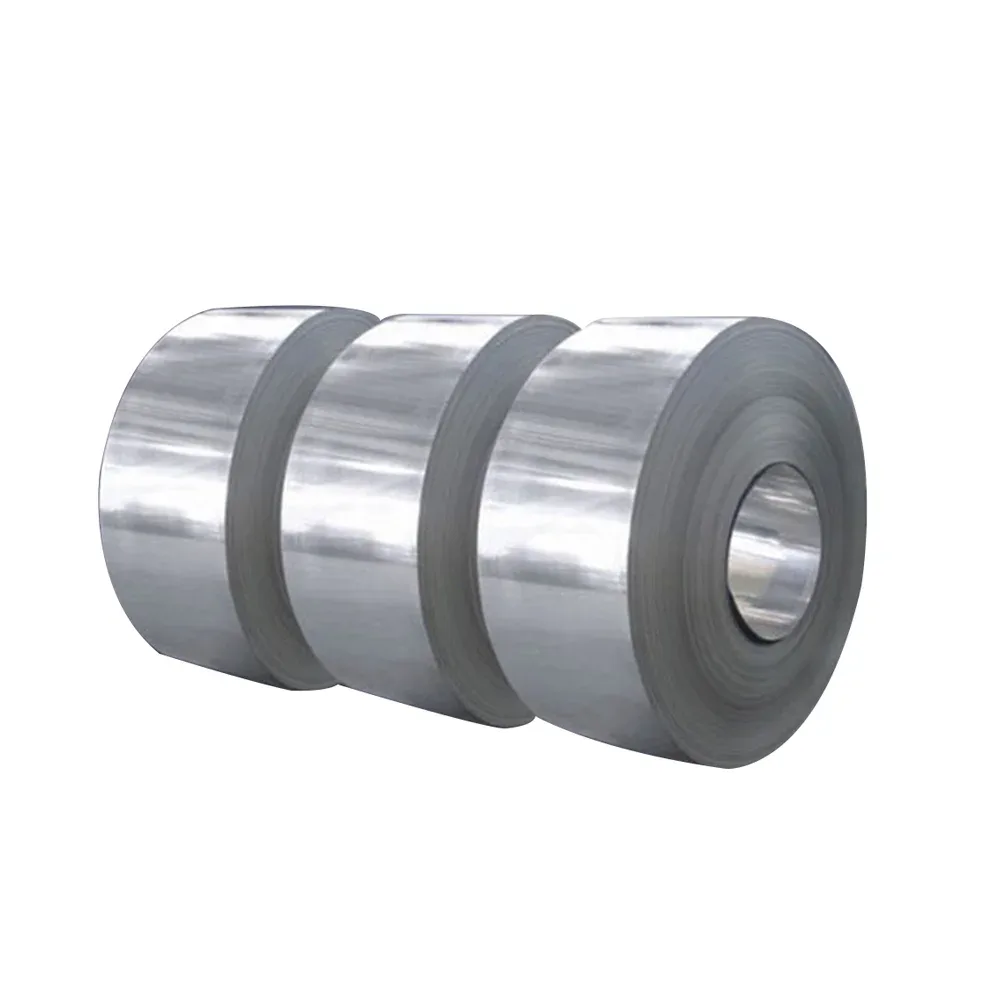
Description
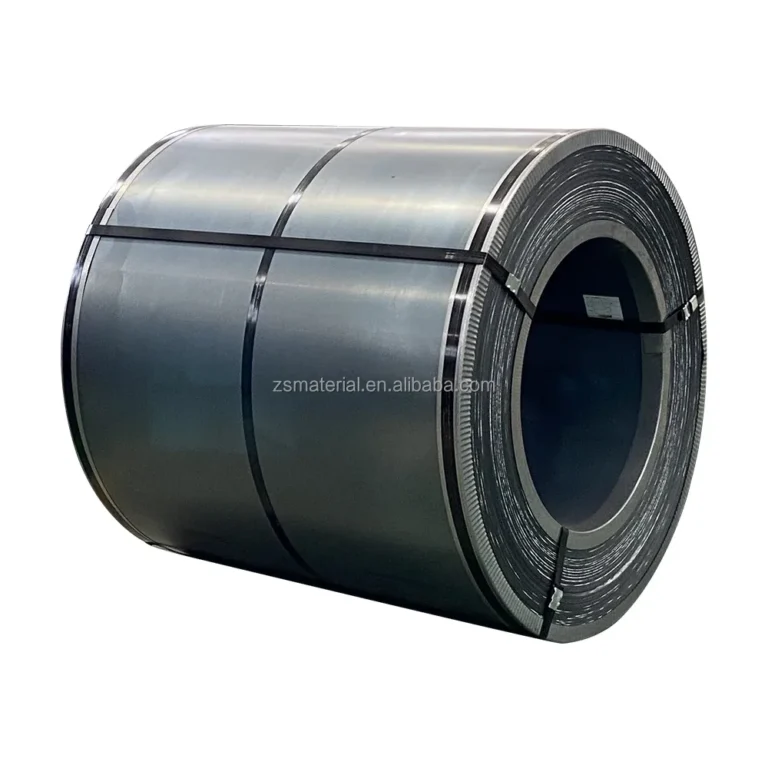
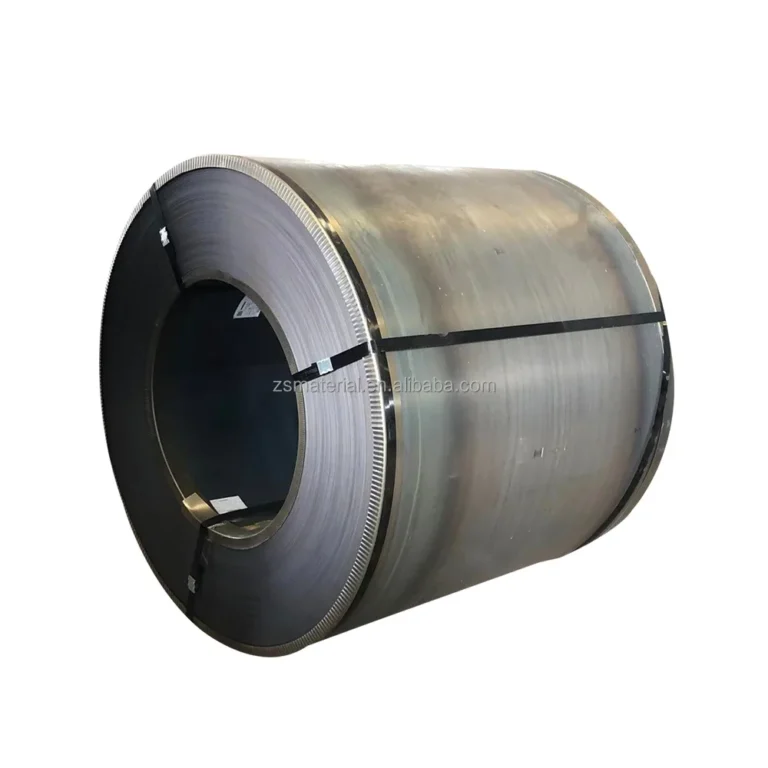
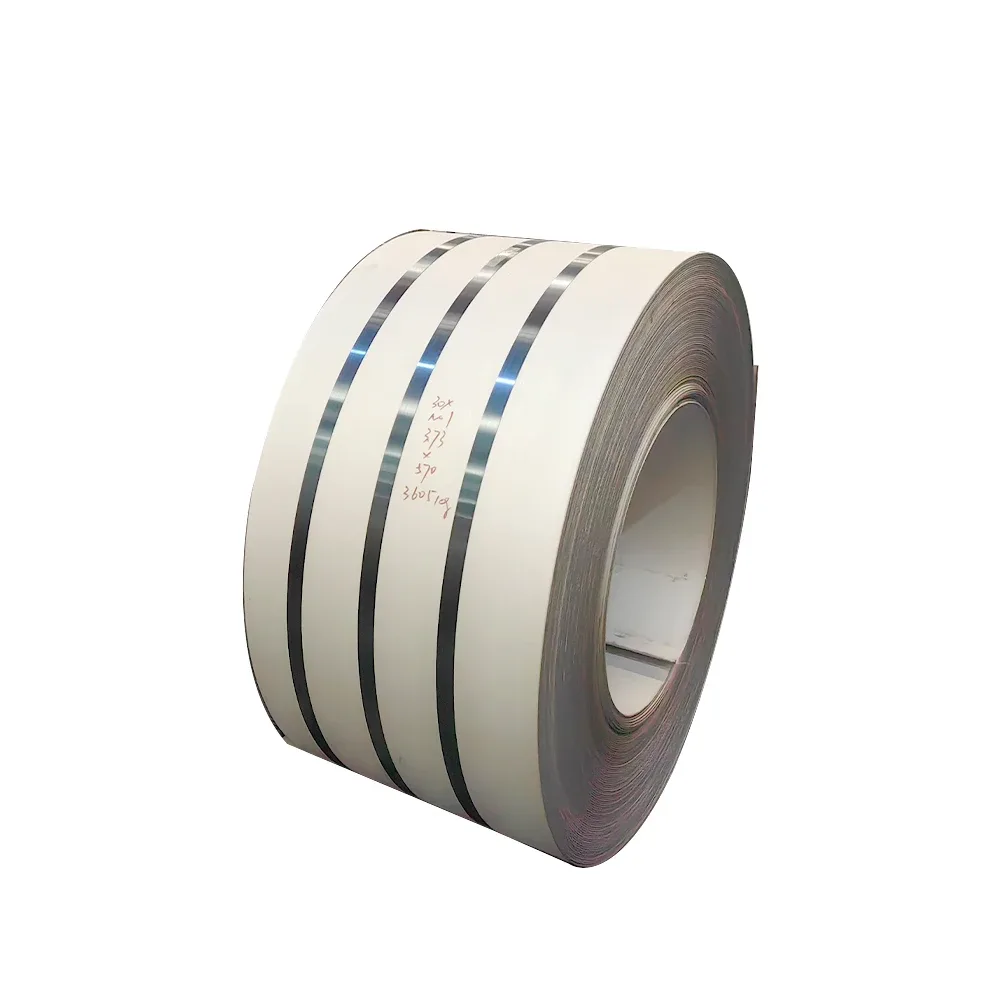
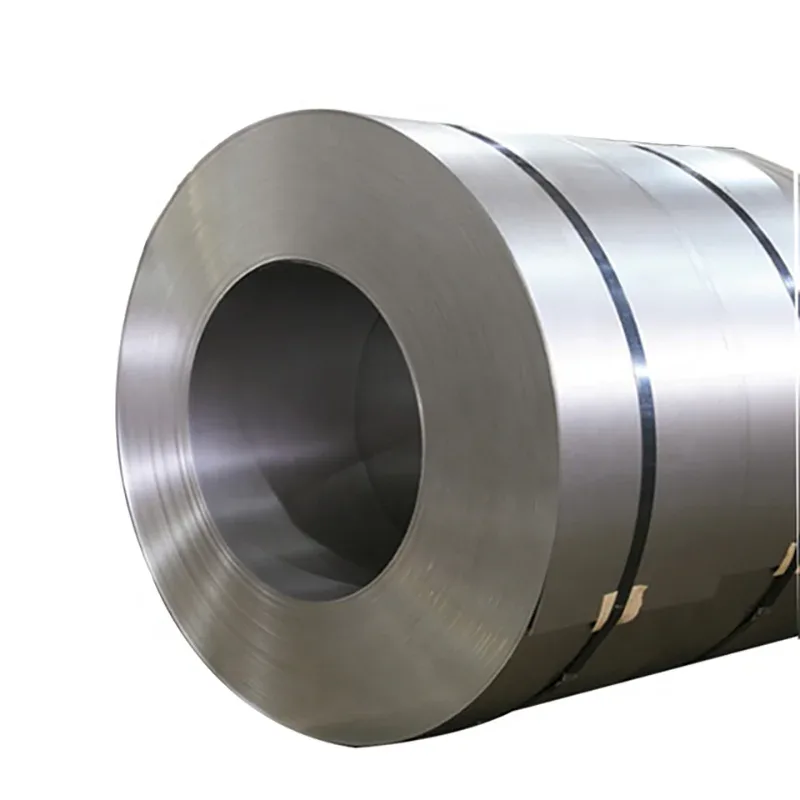
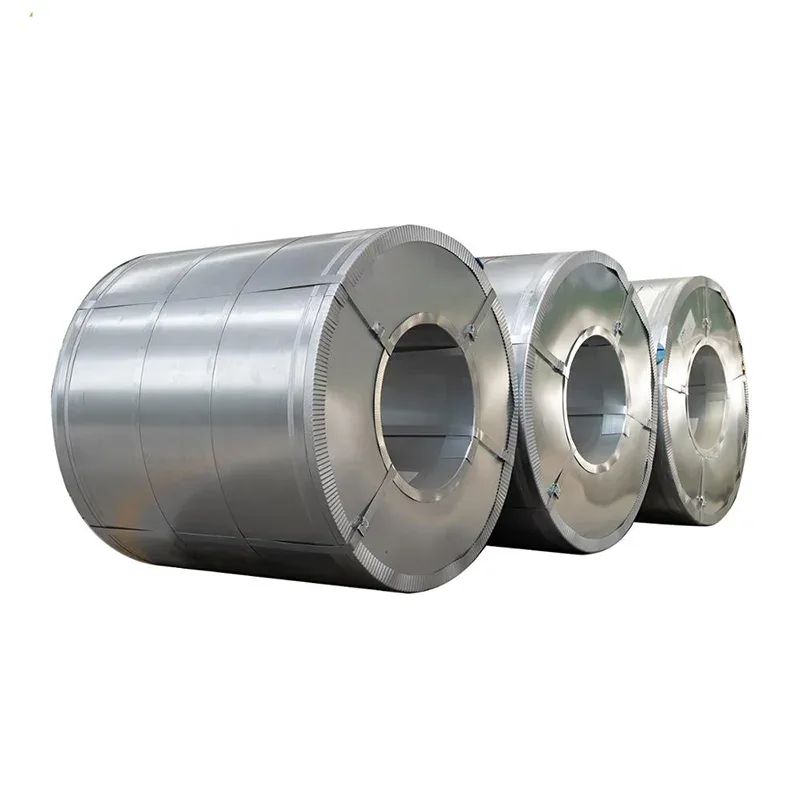
Factory-Direct Cold-Rolled Coils — Every 304, 316, and 430 stainless steel coil ships with in-house lab certification and full heat-number traceability from slab to finish.
Technical Specifications
| Parameter | Value |
|---|---|
| Designation | 304/316/430 Stainless Steel Coil |
| Product Type | Steel Coil |
| Steel Grade | 304, 316, 430 |
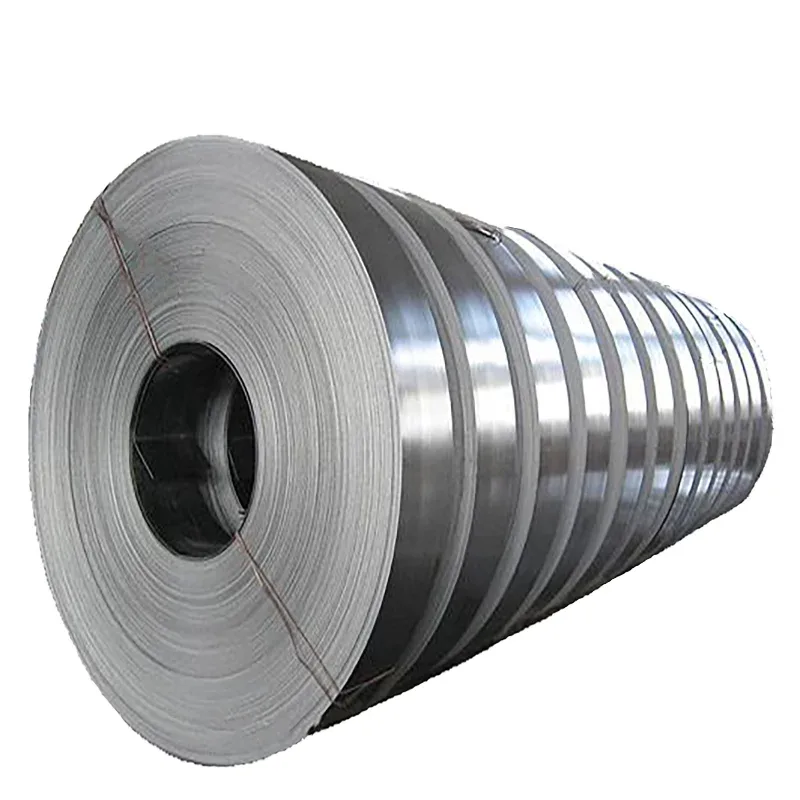
| Section Shape | Coil / Strip |
| Size Range (Width) | 1000mm / 1219mm / 1500mm |
| Thickness | 0.2mm–3mm |
| Technique | Cold Rolled |
| Surface Treatment | 2B Finish |
| Application | Fabrication / Architectural cladding / Kitchen equipment / Industrial components |
| Origin | Shandong, China |
Application Suitability
| Industry | Typical Applications |
|---|---|
| Architectural & Construction | Roofing panels, wall cladding, elevator interior liners, decorative trim |
| Food & Beverage Processing | Kitchen countertops, sink basins, food conveyor belts, brewery tank liners |
| Industrial Manufacturing | Heat exchanger shells, filter screens, stamped brackets, appliance housings |
| Commercial Fabrication | Signage panels, column covers, handrail cladding, retail display fixtures |
Where Negative Tolerance on a Stainless Coil Destroys an Entire Fabrication Run
A coil that reads 1.5mm on the mill cert but measures 1.35mm at the edge will fail forming, welding, and final inspection — and the buyer absorbs every dollar of rework.
Stainless steel coil buyers in architectural and food-processing sectors routinely face material that arrives with negative tolerance beyond acceptable limits. The root cause is often a supplier who skips in-process gauging and relies on a single end-of-line measurement. When a 1500mm-wide 316 coil shows thickness variation of more than a few microns across its width, deep-drawing operations produce uneven walls, and TIG welding on cladding seams becomes inconsistent. On a recent Middle East project, an inspector found over 8% negative tolerance on a 20-ton shipment — the entire batch was rejected at the port. That kind of failure does not show up in a brochure; it shows up in a lab report. [NEED_CITE: ASTM A480 standard tolerance requirements for stainless steel flat-rolled products]
How 2B Cold-Rolled Finish Meets Architectural and Food-Grade Surface Requirements
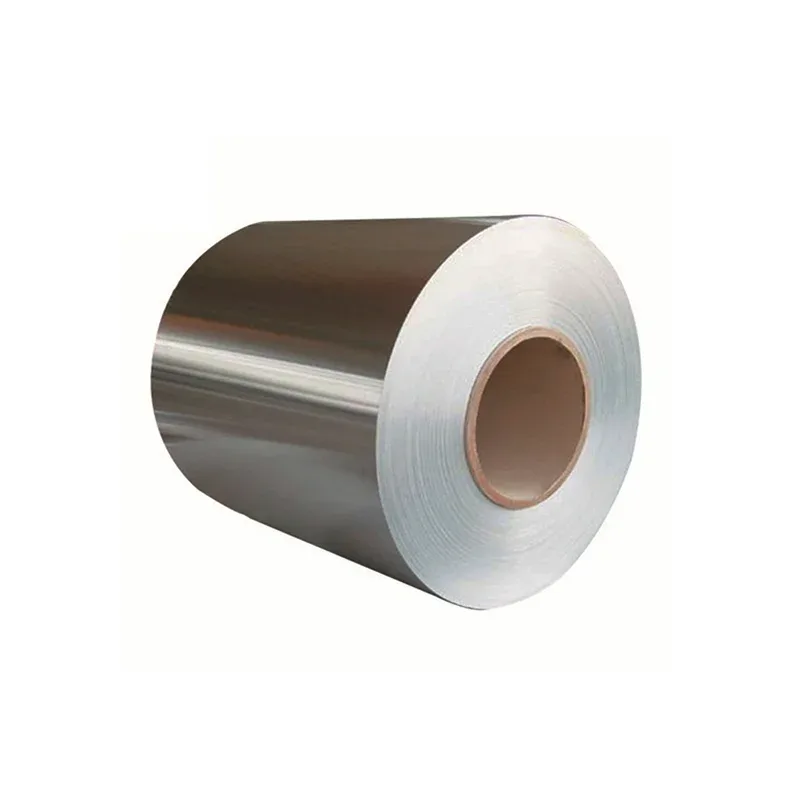
The 2B finish produced through cold rolling delivers a smooth, moderately reflective surface that accepts further polishing (No.4, BA, mirror) or serves directly in applications where a clean, uniform appearance matters. For kitchen equipment fabricators, the 2B surface resists grease adhesion and cleans without scratching. For architectural cladding, it provides a consistent base that weathering treats evenly across panels. Our 304 316 430 stainless steel coil range in 2B finish covers 0.2mm to 3mm thickness across three standard widths, letting specifiers match gauge to structural need without switching suppliers mid-project.
Corrosion Environment, Steel Grade Selection, and Project Compliance
Choosing between 304, 316, and 430 is not a pricing exercise — it is a corrosion-environment decision. Grade 304 handles general atmospheric and mild chemical exposure; 316 adds molybdenum for chloride resistance in coastal or de-icing-salt environments; 430 serves interior and decorative applications where formability and cost matter more than corrosion severity. Engineering specifications for food-processing plants frequently mandate 316 per hygienic design standards, while architectural projects in non-coastal zones often accept 304 or 430 with appropriate passivation. [NEED_CITE: stainless steel grade selection guidelines for corrosive environments per NACE and EN standards] Third-party inspection through SGS or BV confirms grade chemistry before the container doors close, and CE documentation supports EU customs clearance without delay.
Cold Rolling, 2B Finish, and Thickness Precision — What the Process Actually Delivers
Cold rolling reduces a hot-rolled coil to final gauge through successive passes at room temperature, increasing tensile strength and producing a tight thickness tolerance that hot rolling cannot achieve. The 2B finish results from a final light pass through polished rolls after annealing and pickling, yielding a surface smoother than 2D but less reflective than BA. This process gives our 304 316 430 stainless steel coil products consistent mechanical behavior across the width — critical when a fabricator is stamping hundreds of identical brackets or bending cladding panels to radius. Thickness tolerance under cold-rolled conditions holds tighter than hot-rolled equivalents, reducing the risk of negative-tolerance surprises at the receiving dock. Width options of 1000mm, 1219mm, and 1500mm cover the majority of standard slitting and sheet-cutting requirements without requiring a minimum order that strains project cash flow.
The Hidden Cost When a Coil Fails at Receiving Inspection
A stainless steel coil that passes visual inspection but fails chemistry or thickness verification triggers a cascade: customs holds if mill certificates do not match physical samples, fabrication delays while replacement material ships, and potential structural or hygienic non-compliance if the wrong grade was installed. In EU markets, missing CE documentation or an unverifiable heat number can strand a container at Rotterdam for weeks. In food-processing installations, a 430 coil substituted for specified 316 will fail health authority audit. These are not theoretical risks — they are routine outcomes when procurement skips independent verification and relies solely on supplier-provided paperwork. [NEED_CITE: EU customs requirements for stainless steel import documentation and CE marking]
Why Buyers Return for Their Next Coil Order
Every coil leaving our facility passes through an in-house physical and chemical laboratory that verifies composition, tensile behavior, and surface quality against the original heat number — the same lab that caught the tolerance issue on that Dubai shipment years ago. We hold ISO 9001:2015 certification, CE marking for EU compliance, and third-party verification through SGS and BV, so documentation travels with the cargo rather than arriving separately. Our production lines cover 2,800+ specifications across multiple steel categories, meaning a project requiring 304 coil for cladding, 316 plate for tanks, and carbon steel structural sections sources everything from one mill-direct relationship with unified quality records. Custom widths, non-standard thicknesses, and specific length cut-to-size requests are handled in-house, eliminating the markup and communication lag of trading intermediaries. Professional loading plans optimize container weight for heavy coil cargo, and door-to-door logistics coordination covers FOB, CIF, and DDP terms across 50+ countries.
Documentation & Compliance
- Mill Test Certificate documenting 304, 316, or 430 chemical composition (C, Cr, Ni, Mo) and mechanical properties per ASTM A240 / EN 10088
- CE certificate supporting EU customs clearance for stainless steel flat products under EN 10088-2
- ISO 9001:2015 quality management certificate covering cold rolling, annealing, and finishing processes
- SGS or BV third-party inspection report verifying thickness, width, surface quality, and grade chemistry at loading
- Full material traceability by heat number from slab to finished coil, printed on each bundle tag
- Export customs documents including packing list, Bill of Lading, and Certificate of Origin
Packaging, Loading & Delivery
- Cold-rolled 304/316/430 coils wrapped in moisture-proof kraft paper and outer steel sheet to protect the 2B finish from scratching and corrosion during ocean transit
- Each coil tagged with heat number, steel grade, thickness, width, and net weight for yard identification and receiving verification
- Eye-to-sky or eye-to-wall orientation specified per customer preference, with steel strip bundling and edge protectors to prevent coil edge damage
- Container loading plans optimized for 20ft and 40ft units based on coil weight and width (1000mm/1219mm/1500mm), maximizing payload without exceeding port weight limits
- FOB, CIF, and DDP shipping terms available with real-time tracking and professional port coordination for destinations across EU, North America, Middle East, and Southeast Asia
Ready to Lock in Grade, Thickness, and Delivery for Your Next Project
Submit your required steel grade (304, 316, or 430), thickness, width, quantity, and destination port — we return a detailed quotation with unit pricing, production timeline, applicable certifications, and Mill Test Certificate commitment within 12 hours. Non-standard widths or thicknesses outside the 0.2mm–3mm range are reviewed for custom scheduling. Third-party inspection through SGS or BV can be arranged at your request before loading.
Request Your Quotation and Mill Test Certificate Today
Send your specifications via email or WhatsApp to receive pricing, certification details, and estimated delivery for your 304 316 430 stainless steel coil order.
📧 admin@sdxjysteel.com
📱 +86 188 5315 7756 (WhatsApp / WeChat)
🌐 www.sdxjysteel.com
Frequently Asked Questions
Q: What is the difference between 304, 316, and 430 stainless steel grades?
A: Grade 304 offers general corrosion resistance suitable for most atmospheric and indoor applications. Grade 316 contains molybdenum for superior resistance to chlorides and is specified for coastal, marine, and food-processing environments. Grade 430 is a ferritic stainless steel with good formability and lower cost, typically used for interior decorative and non-structural applications.
Q: Can you provide third-party inspection reports for material verification?
A: Yes. SGS and BV third-party inspections are available for chemical composition, thickness, width, surface quality, and mechanical property verification. The inspection report is issued before shipment and travels with the customs documentation package.
Q: What surface finishes are available besides 2B?
A: Beyond the standard 2B cold-rolled finish, we can supply No.1 (hot-rolled annealed and pickled), No.4 (brushed), BA (bright annealed), and mirror-polished finishes depending on grade and thickness. Contact us with your surface requirement for availability confirmation.
Q: What are the standard widths and can custom sizes be ordered?
A: Standard stock widths are 1000mm, 1219mm, and 1500mm. Custom widths and non-standard thicknesses outside the 0.2mm–3mm range can be produced to order — submit your drawing or specification for a custom quotation and lead-time estimate.
Q: How do you ensure quality consistency across different coil batches?
A: Every coil passes through our in-house physical and chemical laboratory for composition and mechanical verification before release. Full heat-number traceability from slab to finished product is maintained, and each shipment includes a Mill Test Certificate. Third-party inspection through SGS or BV provides independent confirmation.