Description
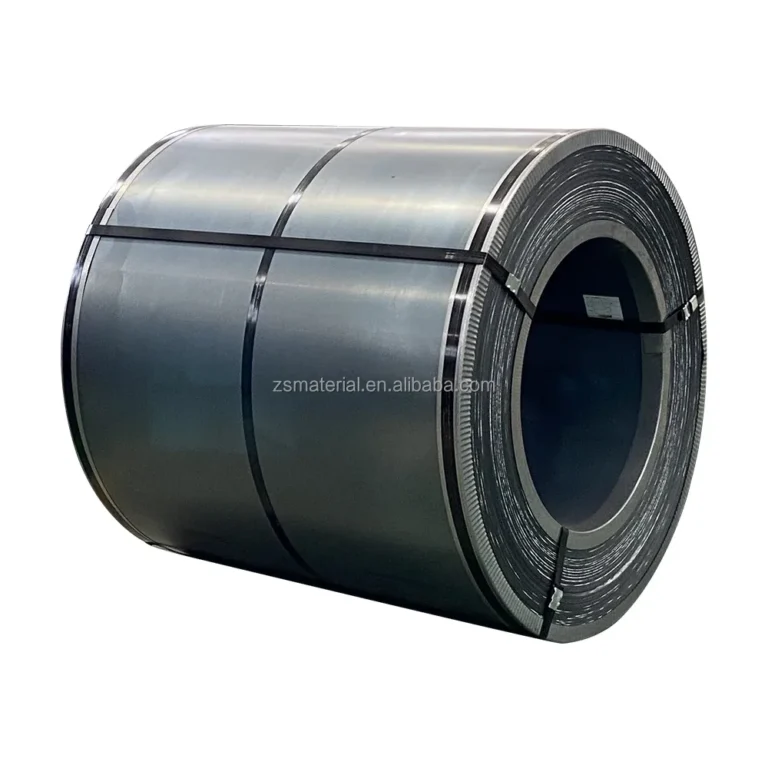
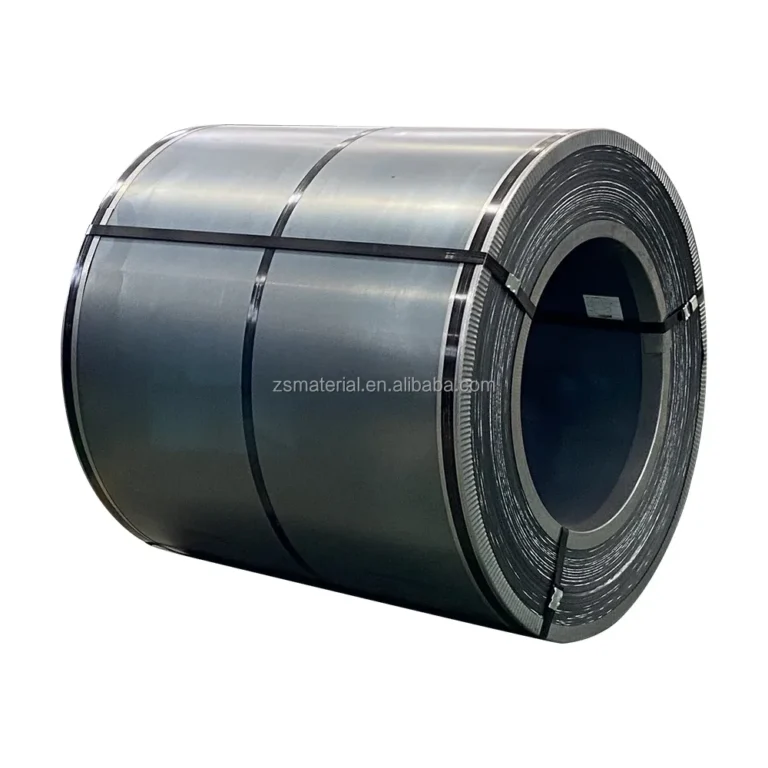
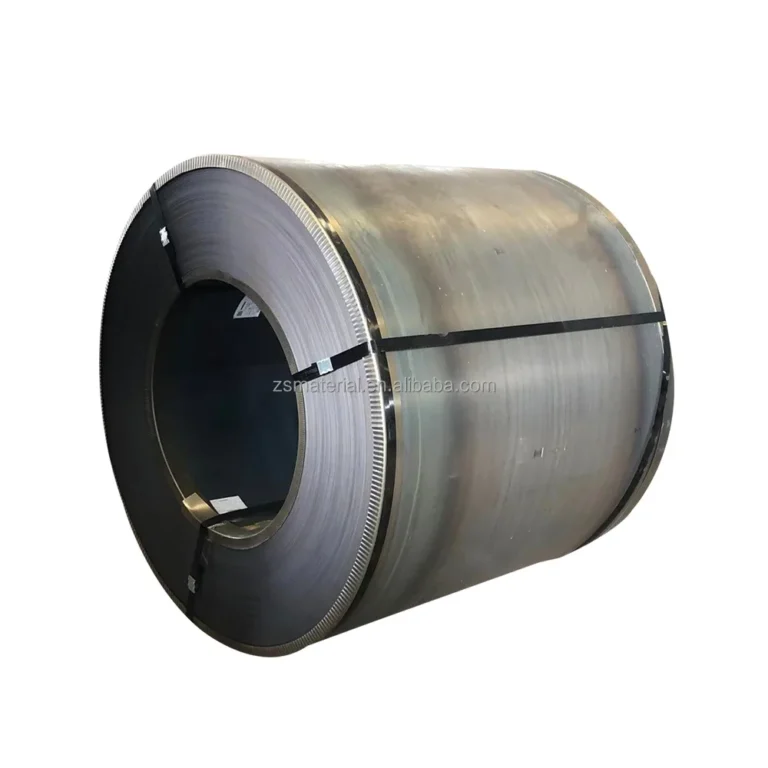
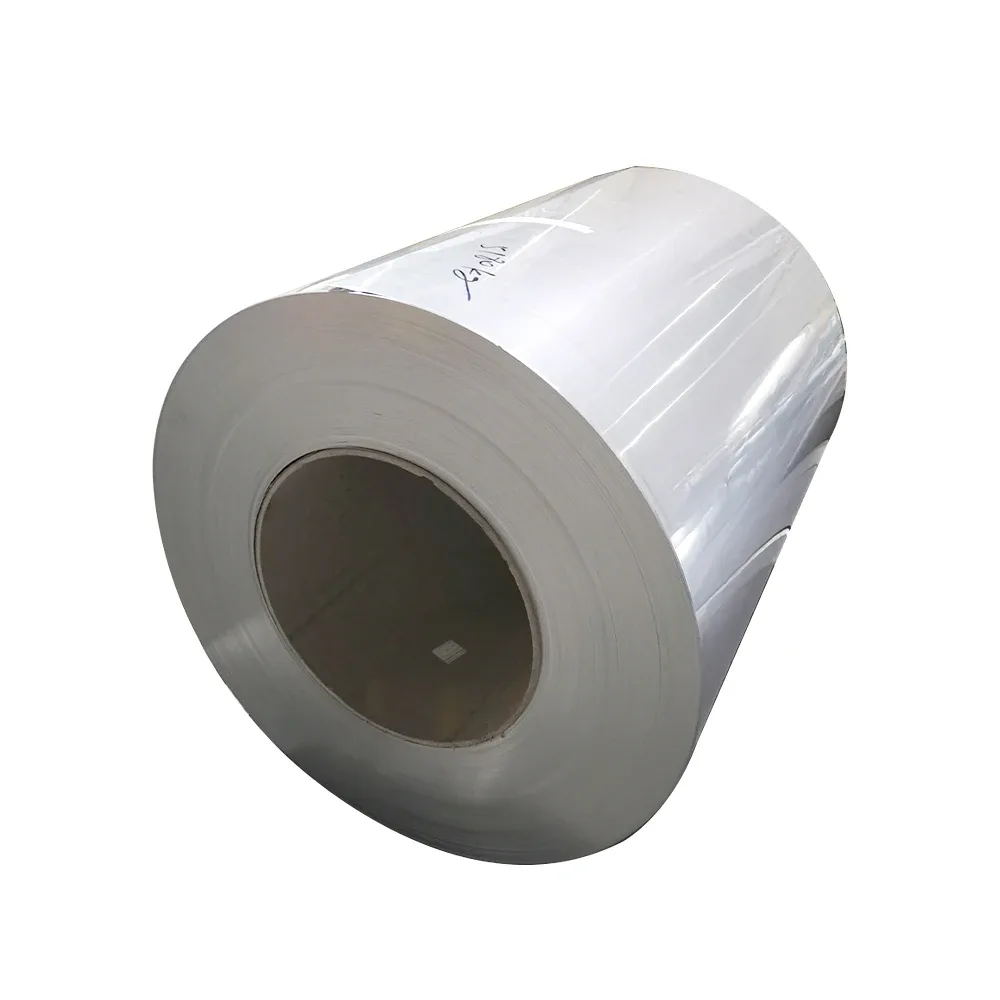
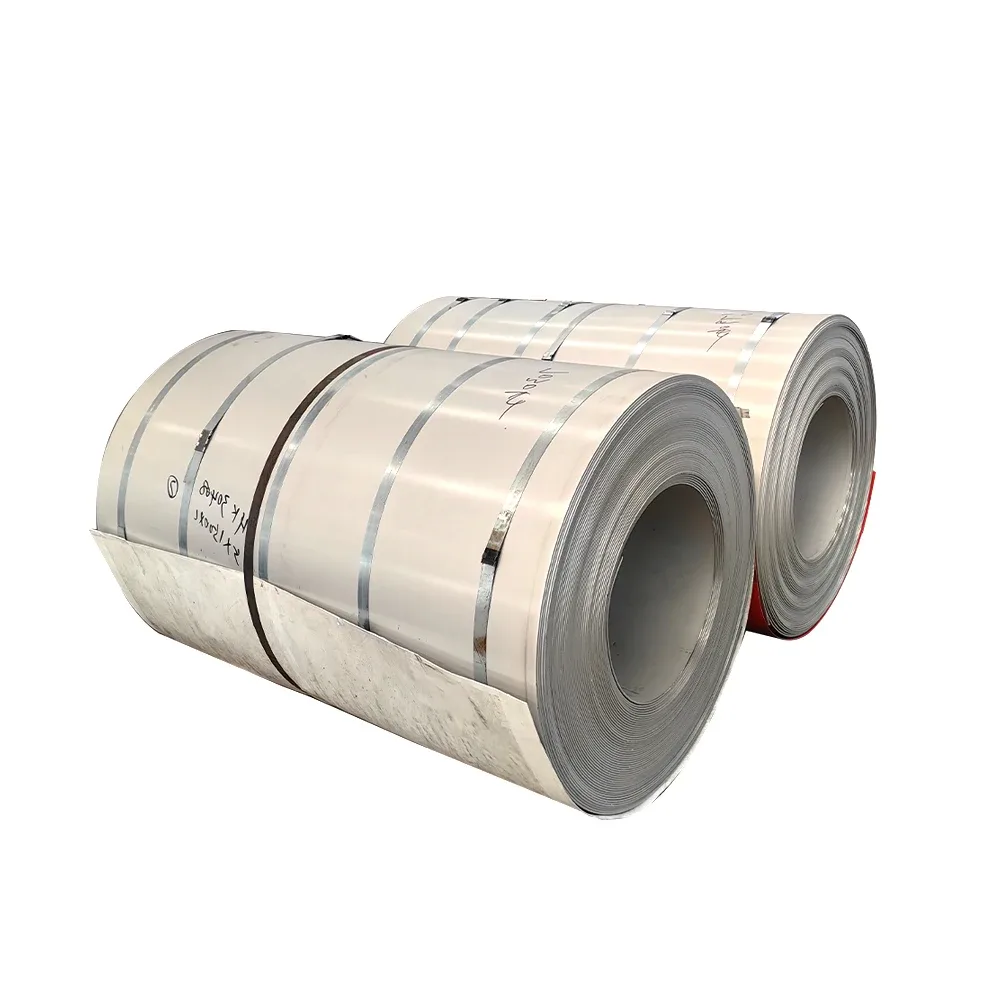
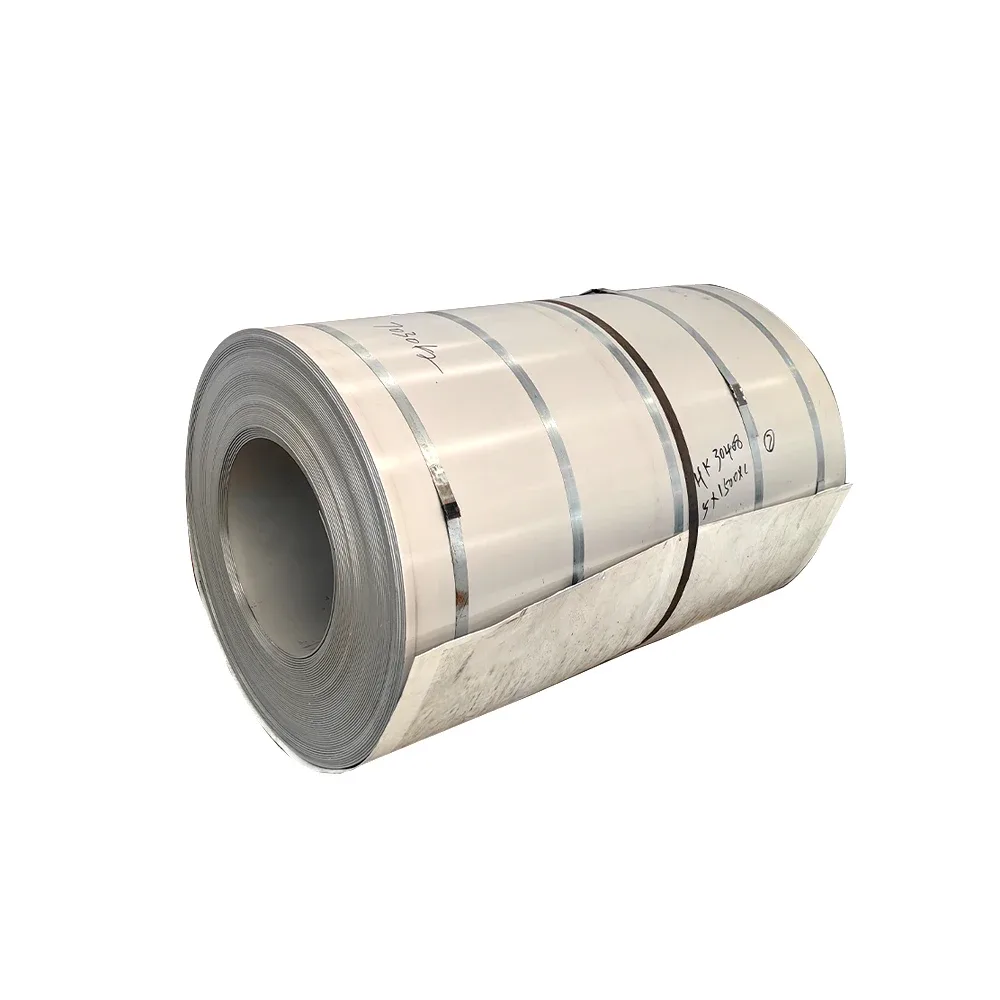
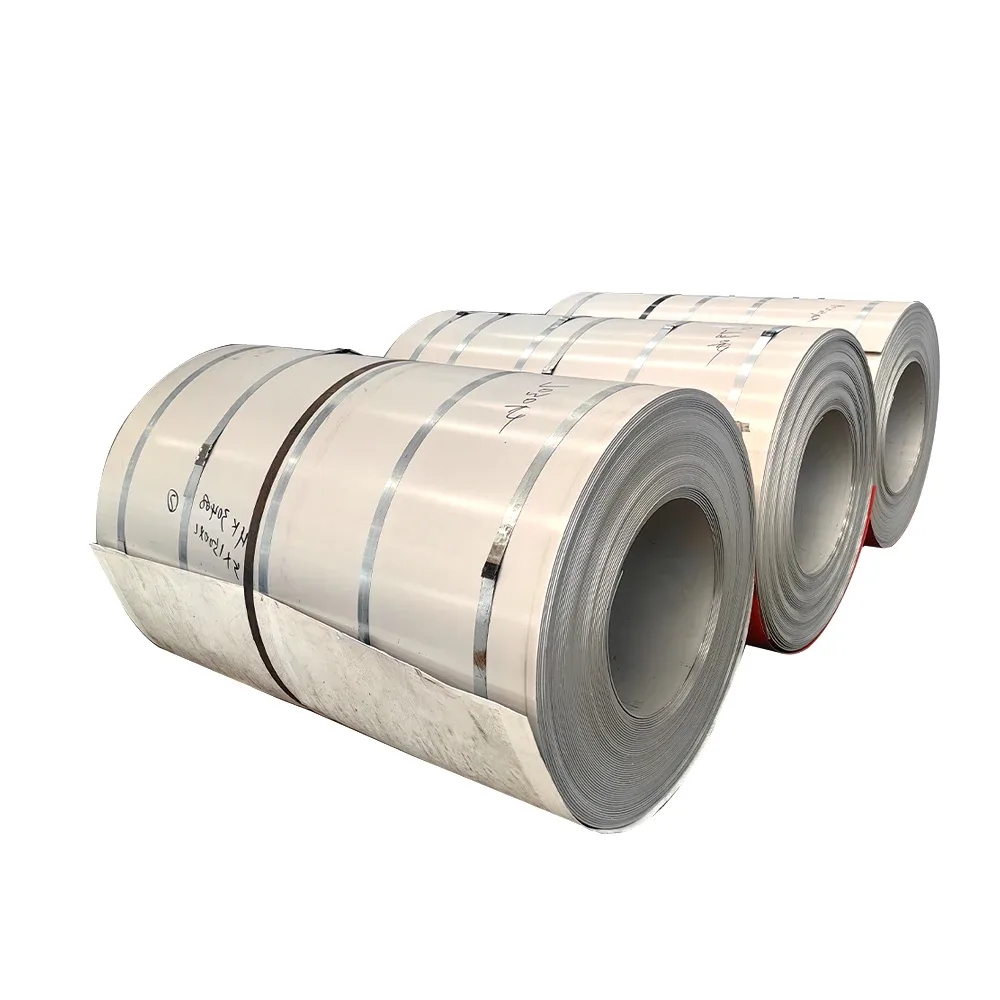
Factory-direct Cold Rolled Stainless Steel Coil sourcing — in-house physical and chemical laboratory testing on every 201, 304, 316L, 321, and 309S batch before shipment.
Technical Specifications
| Parameter | Value |
|---|---|
| Designation | 201/304/316L/321/309S Cold Rolled Stainless Steel Coil |
| Product Type | Steel Coil |
| Steel Grade | 201, 304, 316L, 321, 309S |
| Section Shape | Coil |
| Size Range (Width) | 1000 mm / 1219 mm / 1500 mm |
| Thickness | 0.2–3 mm |
| Technique | Cold Rolled |
| Surface Treatment | 2B Finish |
| Application | Kitchenware, Fabrication, Industrial equipment, Decorative applications |
| Origin | China |
Application Suitability
| Industry | Typical Applications |
|---|---|
| Food Processing & Kitchen Equipment | Commercial kitchen hoods, food-grade work surfaces, sink basins, dishwasher inner liners |
| Industrial Manufacturing | Heat exchanger plates, furnace liner panels, exhaust ducting for high-temperature zones |
| Architectural & Interior Fit-out | Elevator cab wall panels, decorative column cladding, retail display frames |
| Chemical & Pharmaceutical | Corrosion-resistant storage vessel shells, fume extraction ducts, clean-room wall systems |
Why Specifying the Right Stainless Grade Prevents Field Failures on Cold Rolled Stainless Steel Coil Orders
A 304 coil substituted for 316L in a coastal kitchen project will show rust staining within months — and no amount of surface polishing fixes a chemistry problem.
Buyers sourcing Cold Rolled Stainless Steel Coil for food-processing or marine-adjacent installations often discover too late that the supplier shipped 201 or standard 304 where molybdenum-bearing 316L was required. Material certificates arrive with grade designations that do not match purchase orders, or worse, arrive at all. [NEED_CITE: stainless steel grade selection for corrosive environments per ASTM A240] When a 321 order for high-temperature furnace components is fulfilled with 304, the titanium stabilization is absent, and intergranular corrosion appears after repeated thermal cycling. These mismatches do not surface during visual inspection — they emerge during project handover or within the first year of operation.
Matching Grade Selection to Engineering Service Conditions
Selecting the correct Cold Rolled Stainless Steel Coil grade is not a catalog exercise — it depends on the service environment the finished component will face. For commercial kitchen hoods and food-contact surfaces, 304 provides adequate corrosion resistance at lower cost, while 316L becomes necessary wherever chloride exposure exists: coastal restaurants, seafood processing lines, or chemical cleaning regimes. When the application involves sustained temperatures above 500°C — furnace liners, exhaust manifolds, heat treatment fixtures — 309S and 321 maintain oxidation resistance and creep strength where standard austenitic grades soften. Our in-house laboratory verifies chromium, nickel, and molybdenum content against each order’s specified grade before any coil leaves the mill, so a 316L purchase order ships as 316L with matching chemistry on the mill test certificate.
Compliance Requirements for Stainless Coil in Regulated Applications
Engineering specifications for food-contact equipment, pressure-containing vessels, and architectural cladding in the EU and North America reference material standards that demand traceable chemistry and verified mechanical properties. [NEED_CITE: EN 10088 stainless steel flat product requirements for corrosion resistance] Cold Rolled Stainless Steel Coil in 2B finish meets the surface quality expectations for architectural and sanitary applications, but the underlying grade must carry documentation that satisfies customs authorities and project inspectors. CE marking under EU construction product regulations, SGS or BV third-party inspection reports, and heat-number traceability from coil to mill heat are not optional extras — they determine whether a container clears the port or sits bonded for weeks. Our ISO 9001:2015 certified quality system governs every production step, and we provide original mill test certificates with each shipment, not copies requested after the fact.
Cold Rolling Process and 2B Surface Finish: What the Specification Actually Means
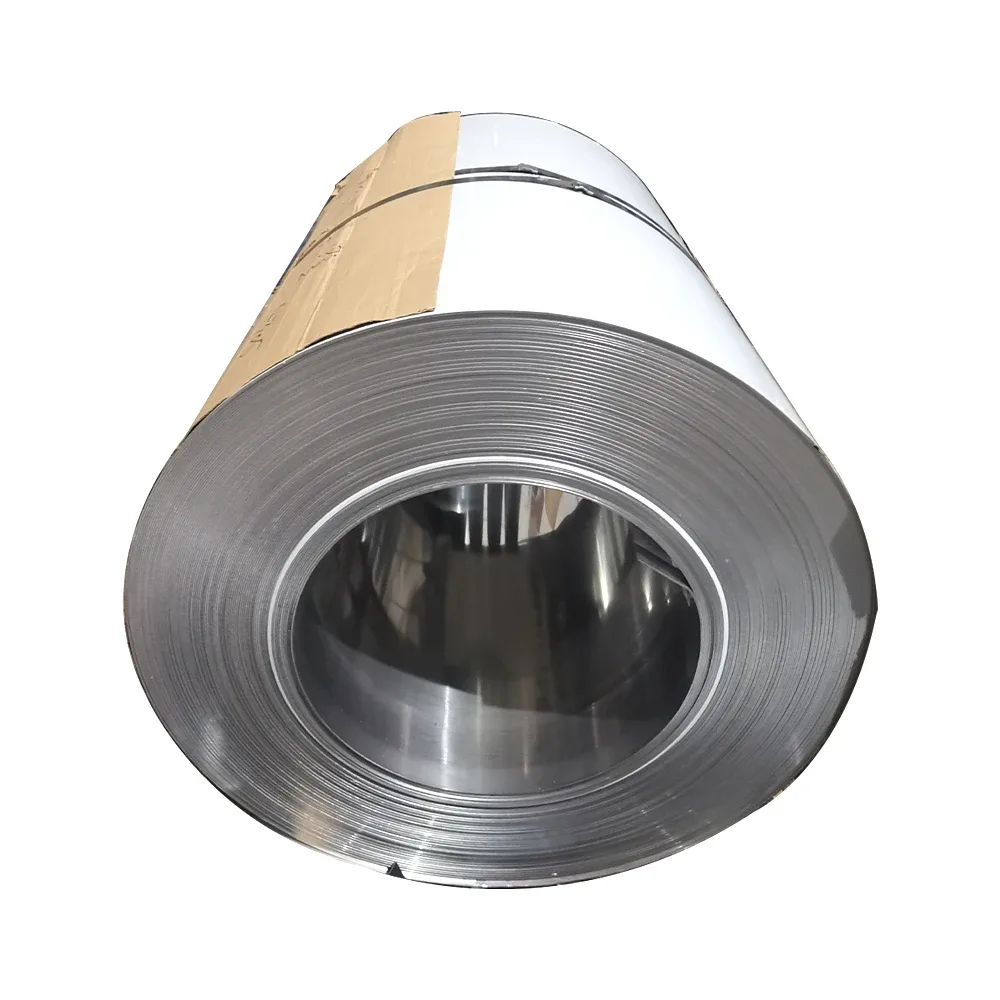
Cold rolling stainless steel coil through reduction at room temperature produces tighter thickness tolerance and a smoother surface than hot-rolled material. The 2B finish — achieved by cold rolling, annealing, pickling, and a final light skin-pass — delivers a matte reflective surface suitable for further polishing or direct use in decorative and sanitary applications. Width options of 1000 mm, 1219 mm, and 1500 mm allow fabricators to minimize slitting waste: a 1500 mm wide coil for elevator panel production eliminates two longitudinal cuts and the edge trim loss that follows. Thickness from 0.2 mm serves thin decorative wrap applications, while 2–3 mm material covers structural kitchen framing and industrial equipment enclosures. The cold-rolled process also improves surface flatness, which matters when coils are slit and blanked for laser cutting — warped material causes nesting errors and plate rejection.
Hidden Costs When Cold Rolled Stainless Steel Coil Arrives Without Proper Documentation
A shipment of 316L coil without a valid mill test certificate creates cascading costs: customs holds the container pending grade verification, the project inspector rejects material lacking heat-number traceability, and the buyer faces re-order lead time that delays commissioning. [NEED_CITE: material certification requirements for stainless steel import compliance] When chemistry does not match the specified grade — 201 shipped as 304, or non-L 316 substituted for 316L — the material may fail intergranular corrosion tests after welding, forcing complete replacement of fabricated assemblies. Surface damage from inadequate packaging compounds the problem: edge dents and coil scratches require grinding and re-polishing, adding labor cost and delaying installation schedules.
Procurement Confidence Built on Verifiable Factory Capability
We operate three dedicated production lines with in-house physical and chemical laboratories that test every heat before coil dispatch — not a third-party lab used after the fact. Our Cold Rolled Stainless Steel Coil range covers 201, 304, 316L, 321, and 309S in widths up to 1500 mm and thicknesses from 0.2 mm, reducing the need to source different grades from multiple suppliers. Factory-direct pricing means no trading company margin sits between your order and our mill output. We hold CE certification under EN 10210/10219, ISO 9001:2015 registration, and accept SGS or BV third-party inspection at any stage. Custom non-standard widths, specific coil weight requirements, and cut-to-length slitting are handled in-house, with professional loading plans that secure coils against ocean transit movement — a detail I learned matters after watching a container of cold-rolled material arrive with edge damage from inadequate chocking.
Documentation & Compliance
- Mill Test Certificate documenting 304/316L/321/309S chemical composition including chromium, nickel, and molybdenum content per ASTM A240 or EN 10088
- CE certificate confirming compliance with EN 10088 flat stainless steel product requirements for EU market access
- ISO 9001:2015 quality management system certificate covering cold rolling, annealing, and finishing processes
- SGS or BV third-party inspection report available per shipment for independent verification of grade and surface quality
- Heat number traceability linking each Cold Rolled Stainless Steel Coil to its original melt chemistry and production batch
- Full customs documentation package: commercial invoice, packing list, bill of lading, and certificate of origin
Packaging, Loading & Delivery
- Cold Rolled Stainless Steel Coil in 2B finish wrapped in moisture-proof kraft paper and outer steel sheet casing to prevent surface scratching and edge damage during ocean transit
- Each coil secured on wooden pallets with steel strapping and edge protectors, preventing coil shift and edge deformation inside the container
- Width-specific loading plans for 1000 mm, 1219 mm, and 1500 mm coils maximize container utilization and reduce per-ton freight cost
- Heat number and grade identification marked on each coil’s inner core and outer wrapping for on-site traceability verification
- FOB, CIF, and DDP shipping terms available with professional container loading supervision and real-time shipment tracking
- Custom coil weight and slitting-to-width services reduce fabricator waste and secondary processing cost at destination
Starting Your Cold Rolled Stainless Steel Coil Inquiry
Submit your required grade, thickness, width, quantity, and destination port — we respond within 12 hours with pricing, typical production lead time, and available mill test certificate format. For non-standard widths or specific surface finish requirements beyond 2B, our technical team provides customization options based on current mill schedules. Confirm your certification needs — CE, SGS, BV — at inquiry stage so documentation accompanies the first shipment, not the third.
Frequently Asked Questions
Q: What is the difference between 304, 316L, and 321 grades for Cold Rolled Stainless Steel Coil applications?
A: 304 offers general corrosion resistance for kitchen and architectural use. 316L adds molybdenum for chloride and marine environment resistance. 321 contains titanium stabilization for high-temperature applications where welding followed by service above 400°C is expected.
Q: Can I obtain Mill Test Certificates and third-party inspection reports before shipment?
A: Yes. Original mill test certificates documenting chemical composition and mechanical properties are provided with every order. SGS or BV third-party inspection can be arranged at the production stage you specify.
Q: Do you offer custom widths or thicknesses outside the standard 1000/1219/1500 mm range?
A: Custom slitting to specific widths and non-standard thickness requests are handled in-house. Submit your exact requirements for availability confirmation and lead time.
Q: What surface finish options are available beyond 2B for Cold Rolled Stainless Steel Coil?
A: Standard production delivers 2B finish. BA, No.4, and HL finishes are available based on order quantity and production scheduling — confirm at inquiry stage for current capability.
Q: What is the typical lead time for stocked versus mill-produced coils?
A: Stocked grades and standard specifications ship within typical production lead times. Mill-produced coils for custom specifications follow current production scheduling — we confirm exact timing at quotation stage.
Request Your Cold Rolled Stainless Steel Coil Quotation Today
Send your grade, specification, quantity, and destination port details to receive pricing and mill test certificate confirmation.
Shandong Xin Jiyuan Special Steel Tube Co., Ltd
Website: www.sdxjysteel.com
Tel: +86 531 8573 6315
Mobile/WhatsApp/WeChat: +86 188 5315 7756
Email: admin@sdxjysteel.com
Address: No.11889, Jingshi West Road, Lulian Group, Jinan City, Shandong Province, China