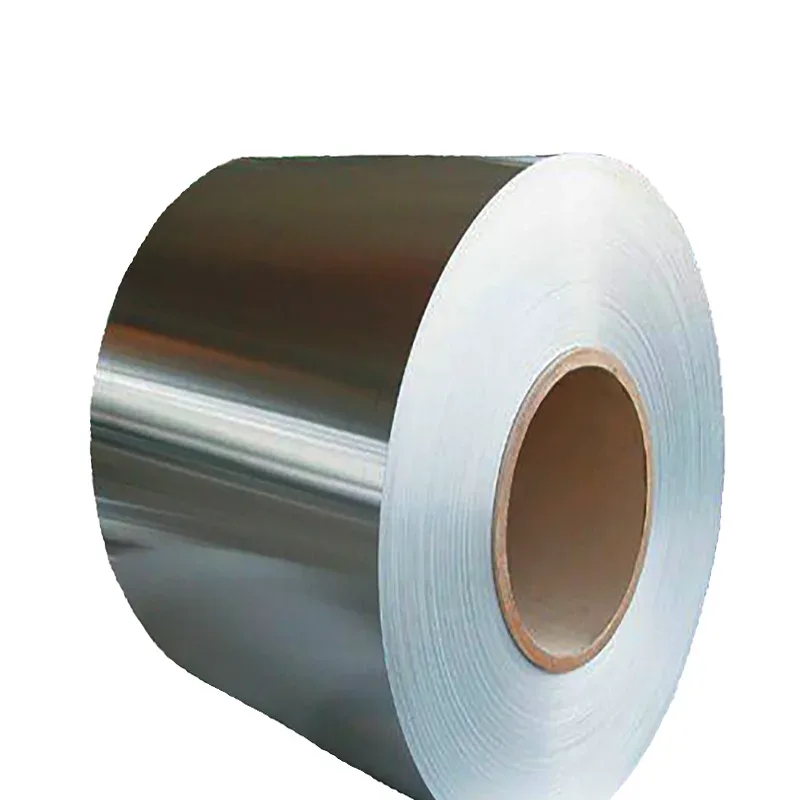
Description
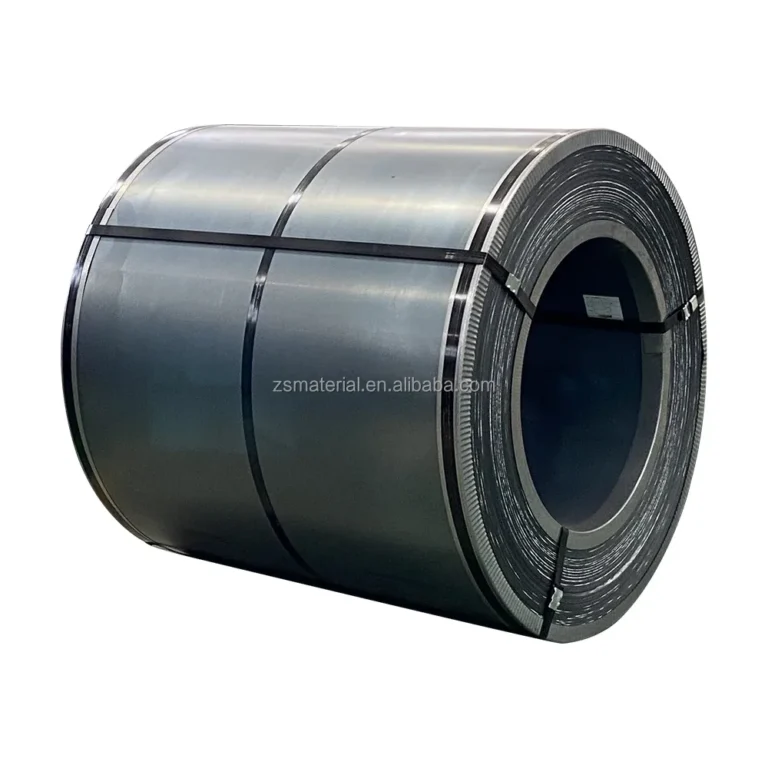
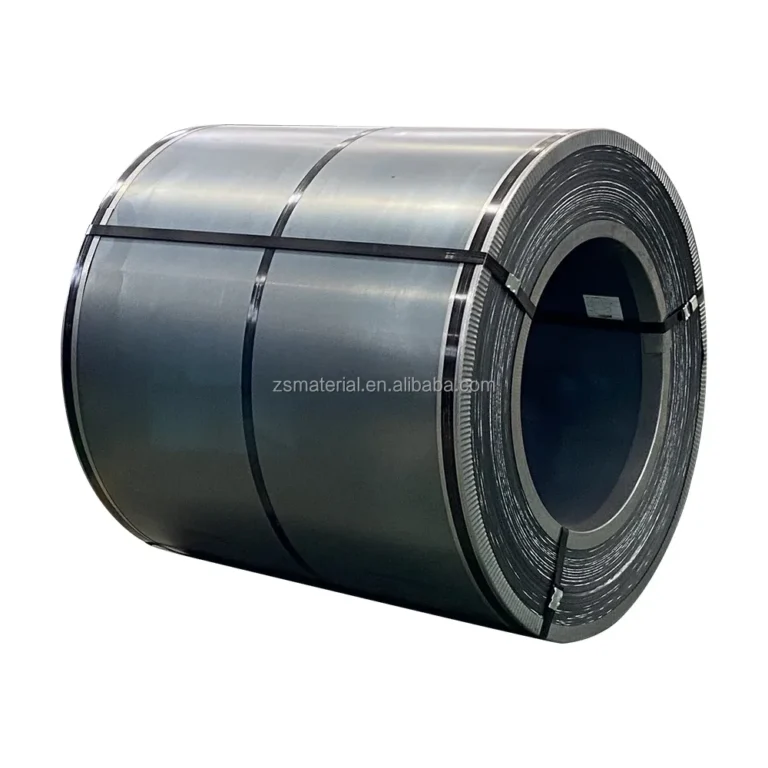
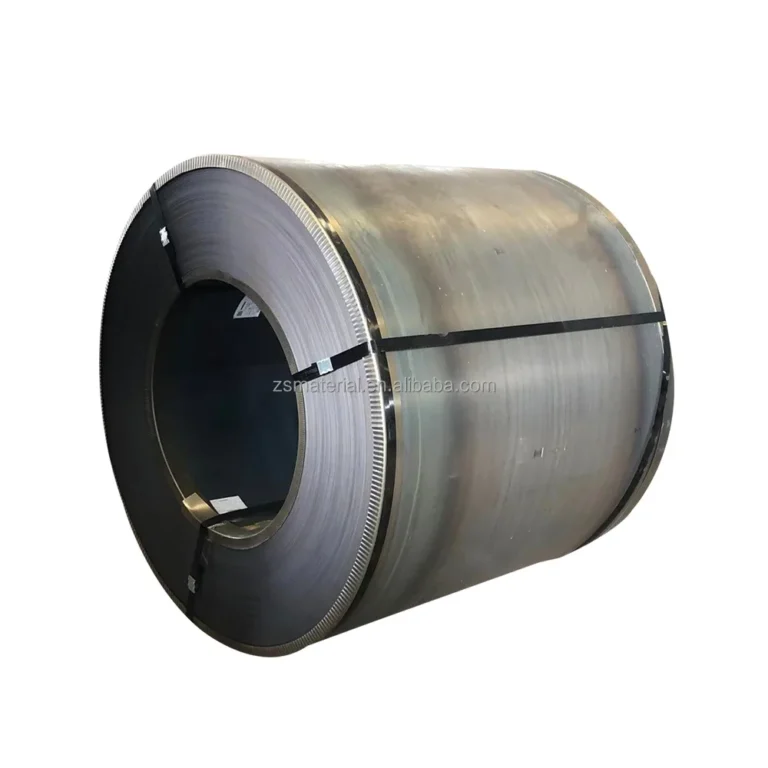
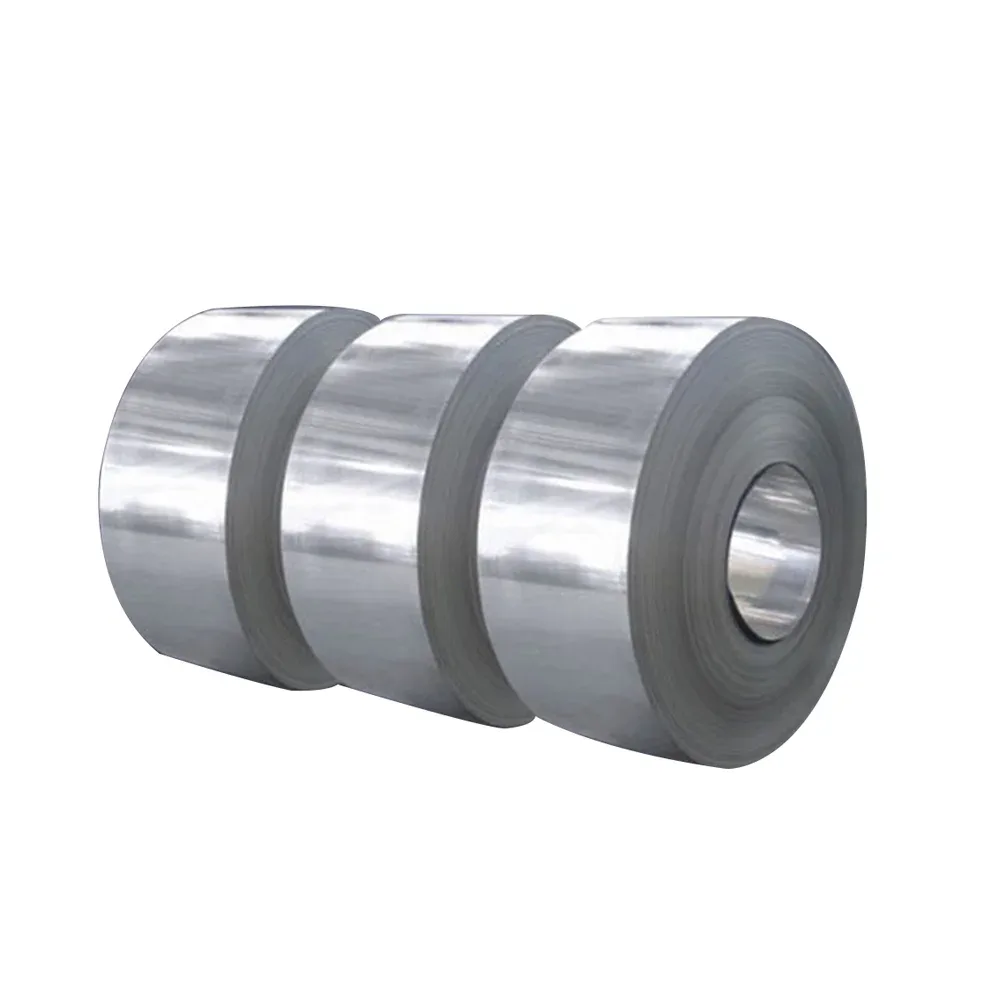
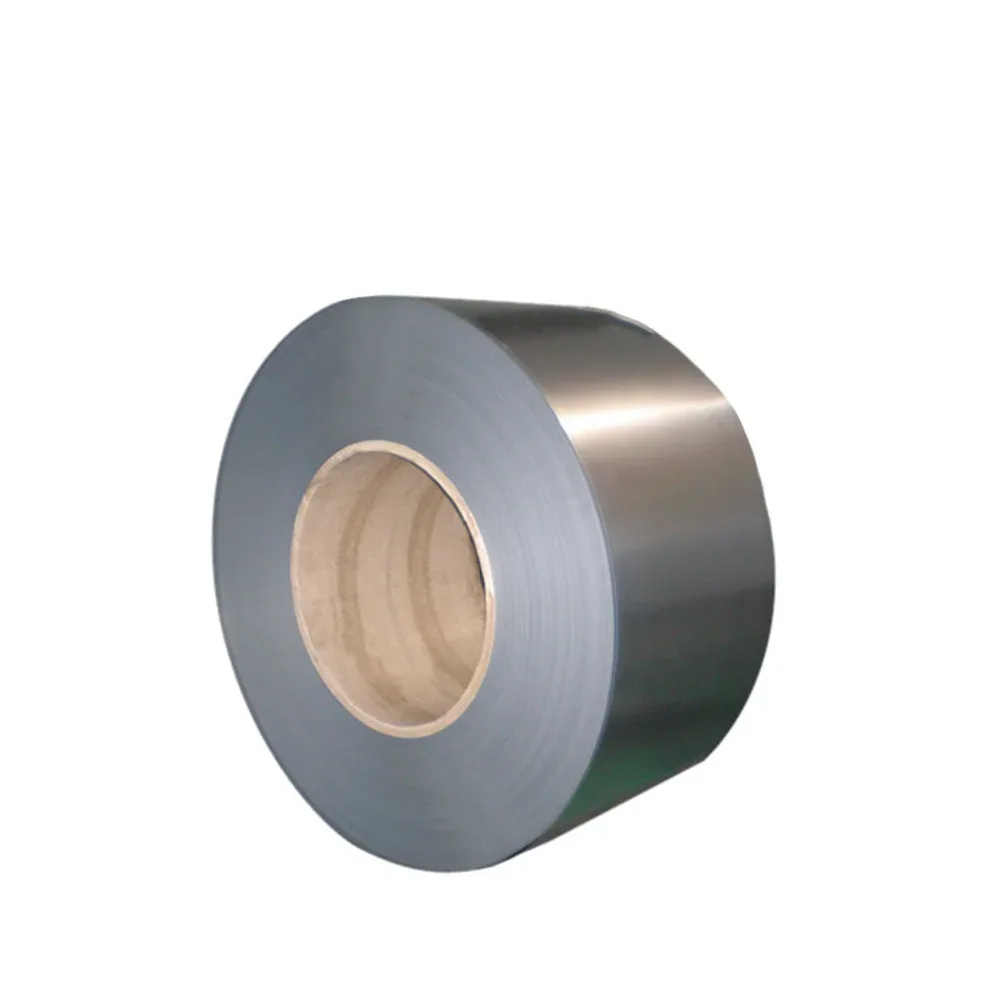
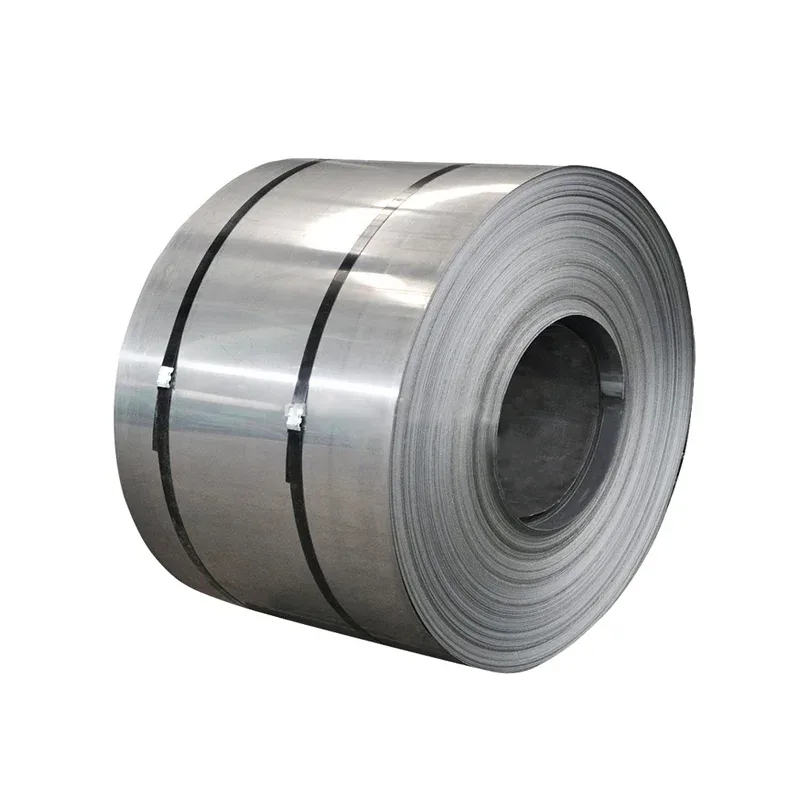
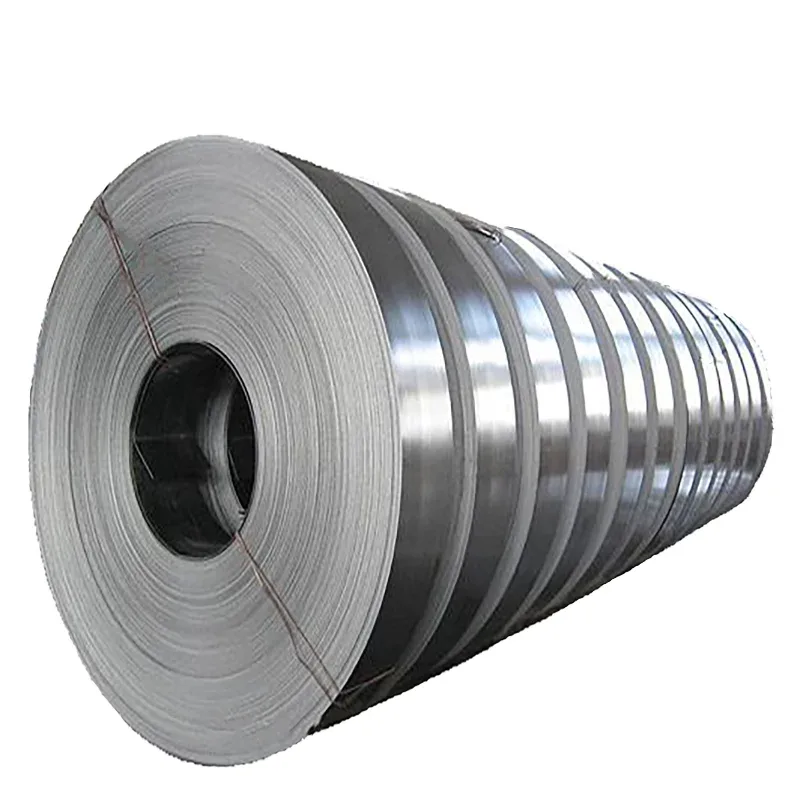
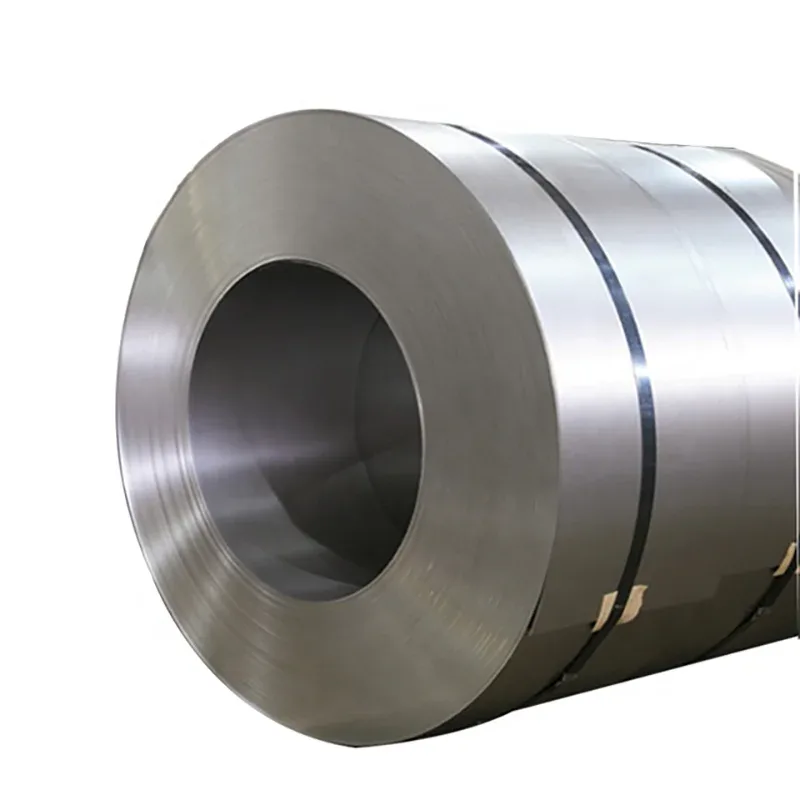
Factory-Direct Stainless Steel Coil Strip — Every coil undergoes spectrometer verification in our in-house laboratory before loading, ensuring chemistry matches the declared grade from 201 to 904L.
Technical Specifications
| Parameter | Value |
|---|---|
| Designation | Stainless Steel Coil Strip |
| Product Type | Steel Coil |
| Steel Grade | 201, 202, 2205, 304, 310S, 316, 430, 904L |
| Standard | ASTM, JIS, GB, AISI, DIN, BS, EN |
| Section Shape | Coil / Strip |
| Width Options | 1000mm, 1219mm, and other widths |
| Technique | Hot Rolled / Cold Rolled |
| Surface Treatment | Gold / Standard Finish |
| Application | Chemical industry / Food processing / Construction / General fabrication |
Application Suitability
| Industry | Typical Applications |
|---|---|
| Chemical & Petrochemical | Reactor vessels, heat exchangers, and piping systems requiring 316 or 2205 corrosion resistance |
| Food & Pharmaceutical | Hygienic processing equipment, storage tanks, and conveyor components in 304 grade |
| Construction & Architecture | Decorative facade panels, roofing sheets, and structural trim using 430 or 201 |
| General Fabrication | Machine guards, enclosures, and brackets stamped or formed from cold rolled strip |
What Nickel Content Variance Costs at Customs Clearance
A borderline chemistry reading on arrival can halt an entire project shipment at the destination port.
Global buyers sourcing stainless steel coil from fragmented suppliers often discover too late that surface appearance tells nothing about internal composition. A 304 coil may look identical to a cheaper substitute, yet marginal nickel or chromium levels fail SGS re-inspection under ASTM A240 or EN 10088 requirements [NEED_CITE: ASTM A240 standard specification for chromium and chromium-nickel stainless steel plate sheet and strip]. Missing or incomplete mill test certificates then compound the problem—customs authorities in the EU, Southeast Asia, and the Middle East routinely demand EN 10204 3.1 documentation before releasing steel imports [NEED_CITE: EN 10204 inspection document types for metallic products].
Matching Coil Chemistry to Corrosive and Hygienic Environments
Selecting the correct stainless steel coil strip grade determines whether a chemical processing line survives five years or fails in eighteen months. For chloride-rich environments such as coastal construction or marine-platform food facilities, 316 and 2205 duplex grades provide molybdenum-enhanced pitting resistance that 304 simply cannot deliver. Cold rolled 2B finish on 304 strip meets FDA and EU food-contact hygiene requirements when properly passivated, while hot rolled pickled surfaces suit structural applications where appearance is secondary to formability. Our in-house laboratory verifies each heat number against the declared grade specification before any Stainless Steel Coil Strip leaves the mill floor.
Engineering Compliance Across ASTM, EN, and JIS Frameworks
Stainless steel coil strip destined for European structural or pressure applications must conform to EN 10088 and carry CE marking under the Construction Products Regulation [NEED_CITE: EN 10088 stainless steel corrosion resistance specifications]. North American projects typically specify ASTM A240 or A480 for flat-rolled stainless, while JIS G4304 and G4305 govern hot and cold rolled plate and sheet for Japanese-standard contracts. Width tolerance, thickness deviation, and surface finish class all fall under these standards—and any deviation triggers rejection at site inspection. Our documentation package maps each coil to its governing standard, eliminating ambiguity during project handover.
Hot Rolled versus Cold Rolled: Process Selection for End-Use Performance
Hot rolled stainless steel coil strip offers lower cost and higher formability for structural and industrial applications where tight dimensional tolerance is not critical. The process produces a scaled or pickled surface suitable for further processing or concealed components. Cold rolled strip delivers superior surface finish (2B, BA, or decorative), tighter gauge tolerance, and enhanced mechanical strength through work hardening—making it the required choice for architectural facades, precision stamping, and food-grade equipment. The 2205 duplex grade, available in both processes, combines austenitic and ferritic microstructures for double the yield strength of standard 304 at comparable weight.
Hidden Costs of Unverified Stainless Steel Procurement
Purchasing stainless steel coil strip without independent chemistry verification creates three categories of downstream loss. First, material substitution—where 201 is shipped as 304—passes visual inspection but fails spectrographic analysis, triggering full-batch rejection and project delay [NEED_CITE: stainless steel grade misidentification risks in construction]. Second, missing or forged mill test certificates cause customs holds that incur demurrage charges exceeding the original freight cost. Third, non-conforming thickness tolerance forces fabricators to scrap entire nesting layouts, inflating material waste well beyond the theoretical savings of cheaper sourcing.
Why Engineering Procurement Teams Specify Our Mill
Every Stainless Steel Coil Strip we supply passes through a physical and chemical laboratory operating under ISO 9001:2015 protocols—spectrometer analysis confirms nickel, chromium, and molybdenum content against the declared grade before cutting or slitting begins. We hold CE certification under EN 10210 and EN 10219, with SGS and BV third-party inspection available for any shipment bound for regulated markets. Our inventory spans eight stainless grades across hot rolled and cold rolled processes, with standard widths of 1000mm and 1219mm plus non-standard slitting to minimize your downstream waste. Professional container loading plans optimize weight distribution for coil shipments, and our logistics team coordinates FOB, CIF, and DDP delivery to over fifty countries with full document traceability by heat number.
Documentation & Compliance
- Mill Test Certificate (EN 10204 3.1) documenting chemical composition and mechanical properties for each stainless steel coil strip heat number
- CE Certificate confirming conformity with EN 10210 and EN 10219 for structural stainless steel applications in European markets
- ISO 9001:2015 Quality Management System certificate covering the full production and inspection chain
- SGS or BV Third-Party Inspection Report available upon request for destination-port re-verification
- Material Traceability Report linking each coil to its original heat number, chemical analysis, and rolling schedule
- Customs Document Package including packing list, bill of lading, and certificate of origin for smooth port clearance
Packaging, Loading & Delivery
- Stainless steel coil strip bundled with steel strips and edge protectors to prevent edge damage and surface scratching during ocean transit
- Cold rolled 2B and BA finish coils wrapped in moisture-proof paper and plastic film to preserve surface quality in humid climates
- Container loading plans optimized for 1000mm and 1219mm width coils, maximizing payload while respecting axle weight limits at destination
- Custom slitting to non-standard widths available to reduce fabricator scrap and improve nesting efficiency for stamped components
- Heat number and grade identification marked on each coil ID tag and outer packaging for site-level traceability
- FOB, CIF, and DDP shipping options with real-time tracking and door-to-door delivery coordination to over fifty countries
Initiating Your Stainless Steel Coil Strip Inquiry
Submit your required grade, width, thickness, surface finish, and destination port to receive a detailed quotation within twelve hours—including unit pricing, production lead time, applicable certifications, and mill test certificate availability. For non-standard widths or specialty grades such as 2205 or 904L, our technical team provides slitting feasibility confirmation and MOQ guidance before contract signing.
Frequently Asked Questions
Q: What is the difference between 304 and 316 stainless steel coil strip for chemical applications?
A: 316 contains molybdenum addition (2-3%) that provides superior resistance to pitting and crevice corrosion in chloride environments, making it the required grade for marine, pharmaceutical, and chemical processing applications where 304 would degrade prematurely.
Q: Can you provide third-party inspection for stainless steel coil strip shipments?
A: Yes. SGS and BV third-party inspection is available for any shipment. The inspection covers visual quality, dimensional measurement, surface finish verification, and witness of spectrometer analysis against the declared grade.
Q: What width options are available beyond standard 1000mm and 1219mm?
A: We offer custom slitting to non-standard widths based on your fabrication requirements. Minimum order quantities apply for slit-to-size orders, and our technical team confirms feasibility and lead time before contract.
Q: How do you ensure chemistry matches the declared stainless steel grade?
A: Every heat undergoes spectrometer analysis in our in-house physical and chemical laboratory before processing. Results are documented on the EN 10204 3.1 Mill Test Certificate provided with each shipment, and third-party re-verification is available at destination.
Q: What surface finishes are available for cold rolled stainless steel coil strip?
A: Cold rolled finishes include 2B (standard matte), BA (bright annealed mirror), and decorative finishes for architectural applications. Hot rolled options include No.1 pickled and gold finish for specific industrial or decorative requirements.
Secure Your Stainless Steel Coil Strip with Verified Chemistry
Send your grade, specification, and quantity to receive a factory-direct quotation with mill test certificate preview within twelve hours.
Shandong Xin Jiyuan Special Steel Tube Co., Ltd
Website: www.sdxjysteel.com
Email: admin@sdxjysteel.com
Tel: +86 531 8573 6315
Mobile/WhatsApp/WeChat: +86 188 5315 7756