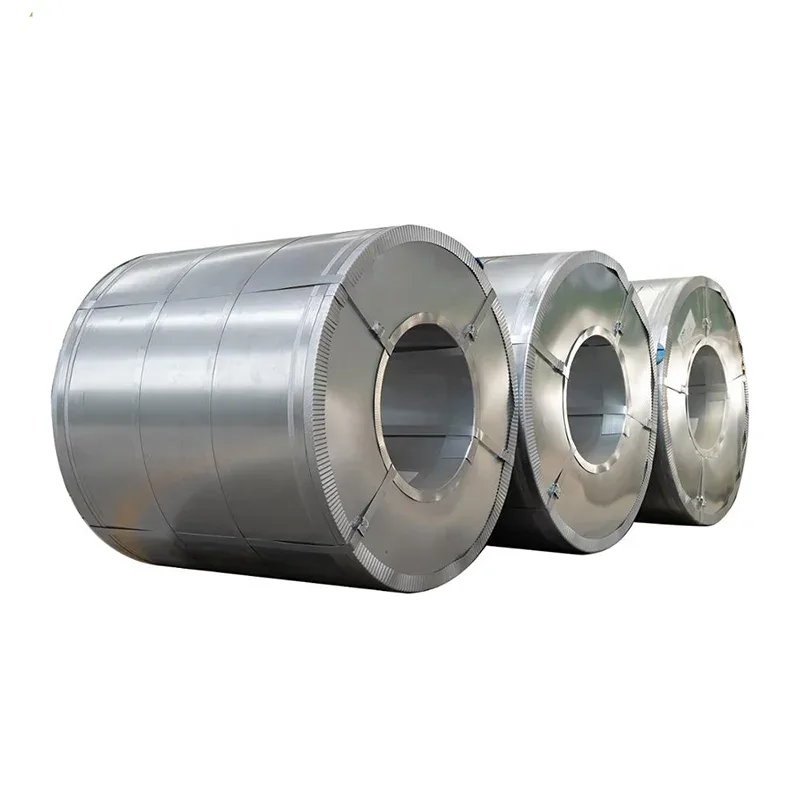
Description
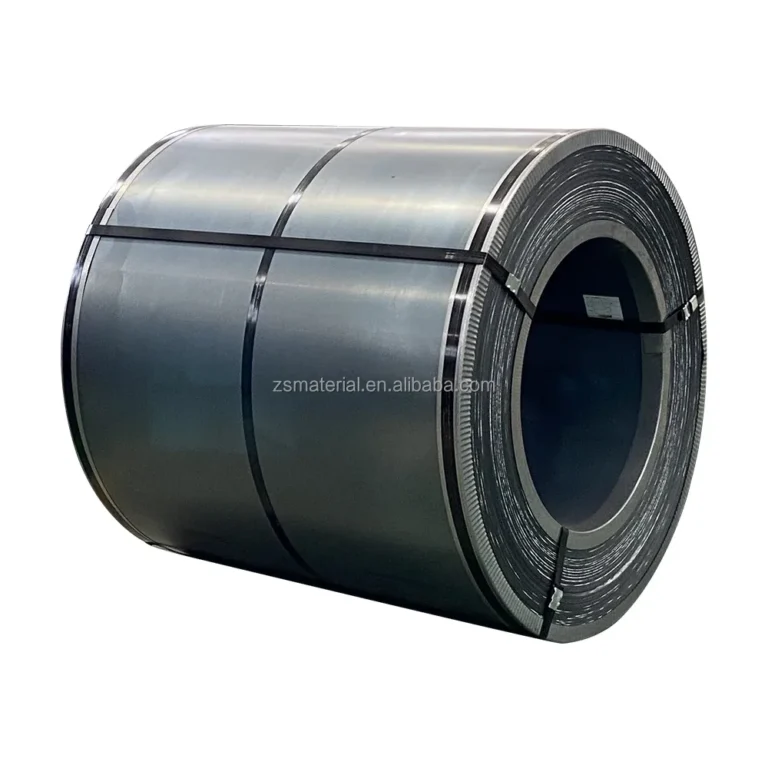
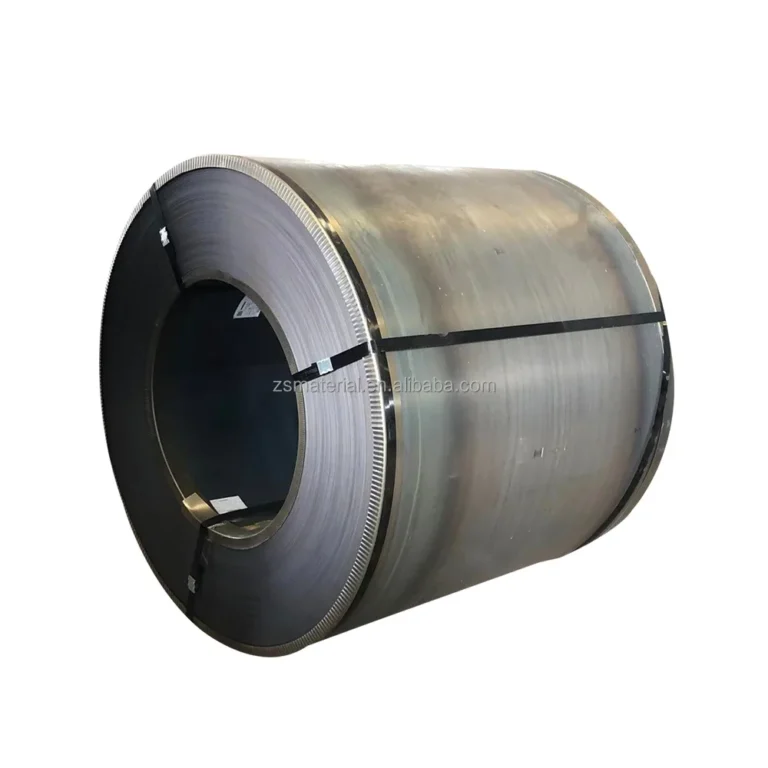
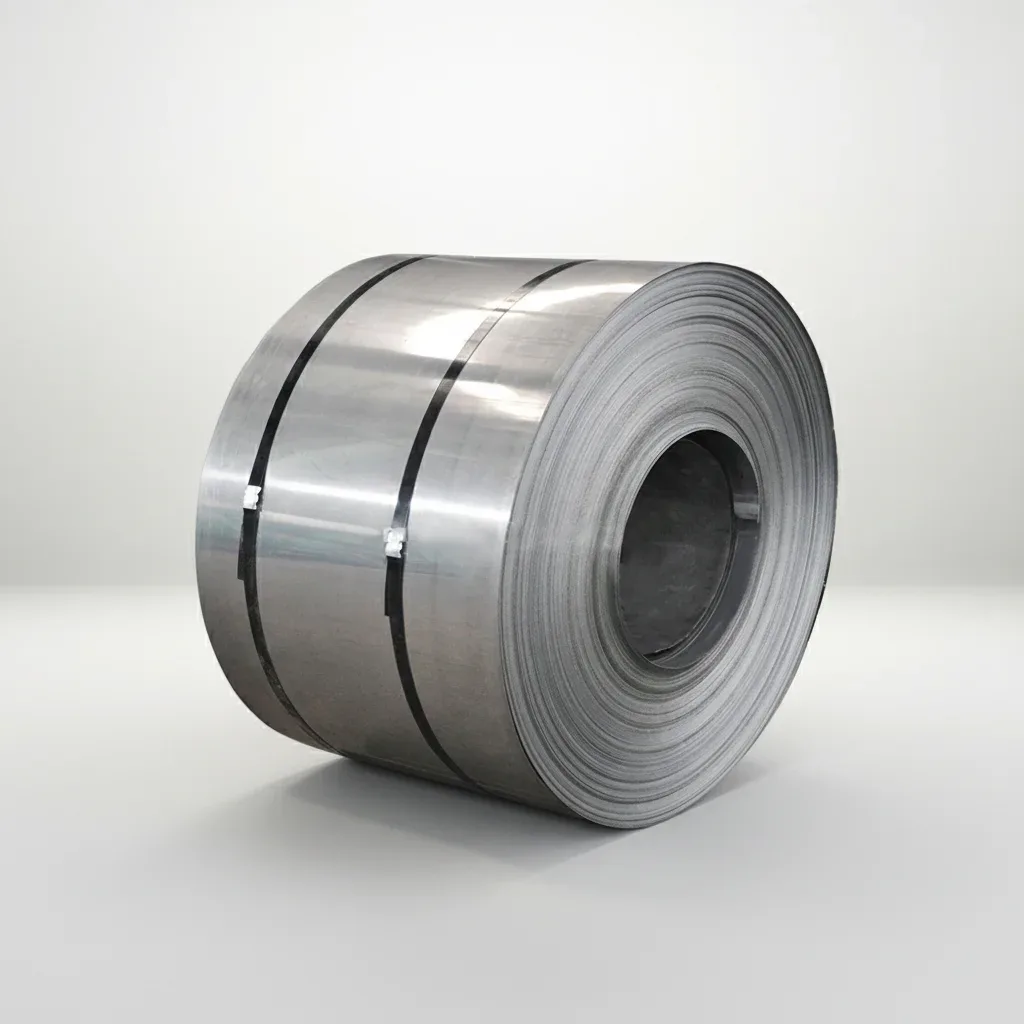
Factory-Direct Stainless Steel Coil Supply — Every coil undergoes in-house chemical analysis before shipment, guaranteeing grade integrity from 201 to 316.
Technical Specifications
| Parameter | Value |
|---|---|
| Designation | Stainless Steel Coil |
| Product Type | Steel Coil |
| Steel Grade | 201, 202, 304, 316, 430, 409 |
| Thickness | 0.3mm–6mm |
| Width | 1000mm / 1250mm / 1500mm |
| Surface Treatment | 2B Finish |
| Application | Fabrication / Industrial equipment / Construction / Architectural cladding |
Application Suitability
| Industry | Typical Applications |
|---|---|
| Industrial Equipment | Chemical storage tanks, food processing machinery, conveyor components |
| Construction | Roofing panels, wall cladding, structural trim |
| Architectural | Elevator interiors, decorative facades, handrail systems |
| Fabrication | Kitchen equipment, automotive exhaust systems, appliance housings |
Why Nickel Content Determines Whether Your Container Clears Customs
A mill certificate that mismatches actual chemistry turns into a two-month port detention.
I once watched a 304 stainless steel coil shipment get held at Ho Chi Minh City because the buyer’s SGS retest revealed nickel levels consistent with 201 material. The entire project stalled while customs demanded reclassification documentation. When purchasing a Stainless Steel Coil for corrosion-critical applications, the gap between paper specs and physical reality creates financial exposure that no amount of negotiation can recover after the vessel departs. [NEED_CITE: stainless steel grade verification requirements for import customs clearance]
Matching Coil Specifications to Corrosive Environments
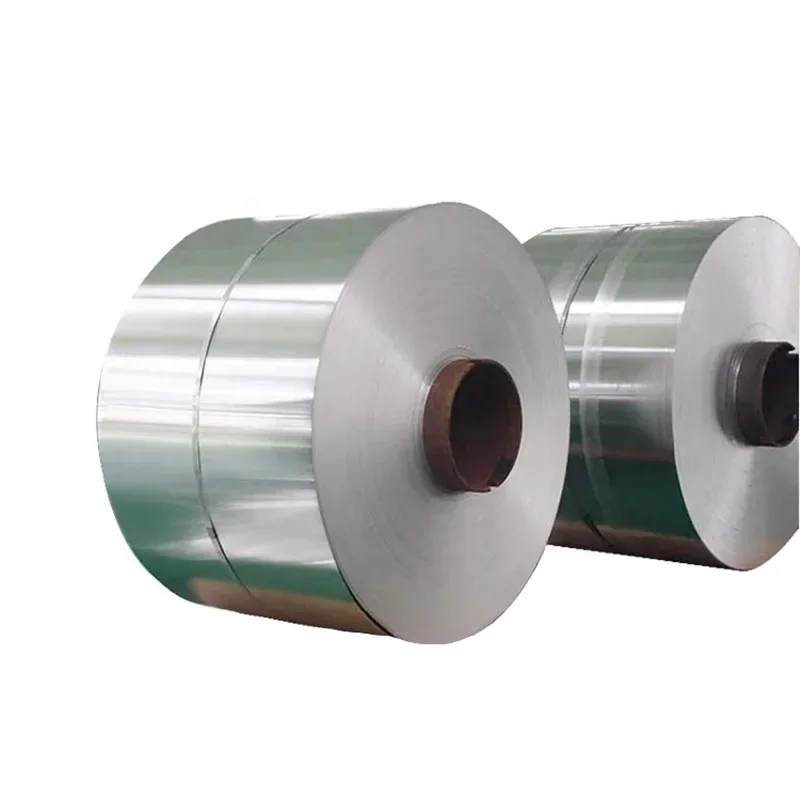
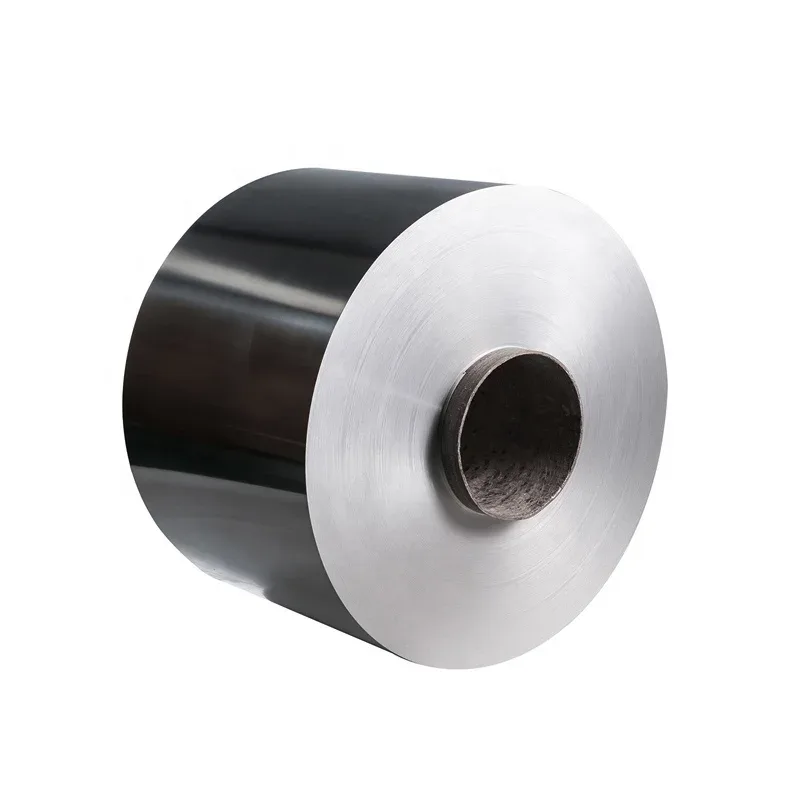
The 2B finish on these stainless steel coils provides a smooth, reflective surface that resists moisture accumulation and facilitates cleaning in food processing or medical equipment fabrication. For coastal construction projects where chloride exposure accelerates pitting corrosion, 316 grade offers molybdenum-enhanced resistance that 304 cannot match. Width options of 1000mm, 1250mm, and 1500mm allow fabricators to minimize edge-trim waste when blanking circular discs or rectangular panels, directly impacting material yield on high-volume production runs.
Engineering Compliance and Surface Integrity Requirements
Architectural cladding applications demand consistent surface reflectivity across multiple coil batches to maintain visual uniformity on building facades. The 2B finish achieves this through controlled cold rolling and annealing, producing a surface suitable for subsequent polishing or direct installation without additional treatment. For structural components subject to welding, 304 and 316 grades maintain corrosion resistance in heat-affected zones when proper filler materials are selected. Third-party inspection reports from SGS or BV verify both chemical composition and surface quality before shipment, ensuring compliance with project specifications and import regulations. [NEED_CITE: ASTM A240 standard requirements for chromium and chromium-nickel stainless steel plate]
Grade Selection Logic for Fabrication Projects
The 201 and 202 grades offer cost advantages in interior applications where corrosion exposure remains minimal, using manganese and nitrogen to partially substitute for nickel content. Moving to 304 provides reliable performance in most atmospheric and mild chemical environments, making it the default choice for kitchen equipment and general fabrication. The 316 grade introduces molybdenum for enhanced pitting resistance in marine or chemical processing contexts, while 430 and 409 ferritic grades serve automotive exhaust and decorative trim where formability matters more than extreme corrosion resistance. Thickness tolerance across the 0.3mm to 6mm range directly affects downstream machining accuracy and final part dimensions.
Hidden Costs of Unverified Material Procurement
Purchasing stainless steel coils without independent laboratory verification creates risk exposure across multiple project phases. Material that fails spectrometer testing at destination triggers customs holds, re-inspection fees, and potential rejection claims that delay construction schedules. Surface defects such as roll marks, edge cracks, or inconsistent finish become apparent only after slitting or forming operations begin, generating scrap costs that exceed the original material savings from unverified sourcing. Engineering specifications referencing ASTM A240 or EN 10088 require documented traceability by heat number, making certification gaps a compliance failure rather than merely a quality concern. [NEED_CITE: consequences of material certification failure in construction projects]
Procurement Assurance from Jinan Manufacturing Base
Our in-house physical and chemical laboratory tests every heat before coil release, eliminating the certificate-versus-reality gap that causes port detentions. With 2,800+ specifications across our product range, we maintain stock of common stainless steel coil widths and thicknesses while offering custom slit-to-width services for non-standard requirements. Factory-direct pricing removes intermediary markups, and our export experience across 50+ countries ensures documentation packages meet destination customs requirements. Each Stainless Steel Coil ships with mill test certificates documenting chemical composition and mechanical properties, supported by ISO 9001:2015 quality management and available third-party inspection from SGS or BV. Professional loading plans optimize container utilization for heavy coil cargo, with multiple shipping terms available including FOB, CIF, and DDP arrangements.
Documentation & Compliance
- Mill test certificate documenting 304 and 316 chemical composition including nickel, chromium, and molybdenum content per ASTM A240
- CE certificate confirming compliance with EN 10088 for stainless steel flat products destined for European markets
- ISO 9001:2015 quality management certificate covering production processes and inspection protocols
- SGS or BV third-party inspection report verifying surface quality, dimensions, and packaging integrity
- Material traceability documentation linking each coil to specific heat numbers and production batches
- Complete customs documentation package including packing list, bill of lading, and certificate of origin
Packaging, Loading & Delivery
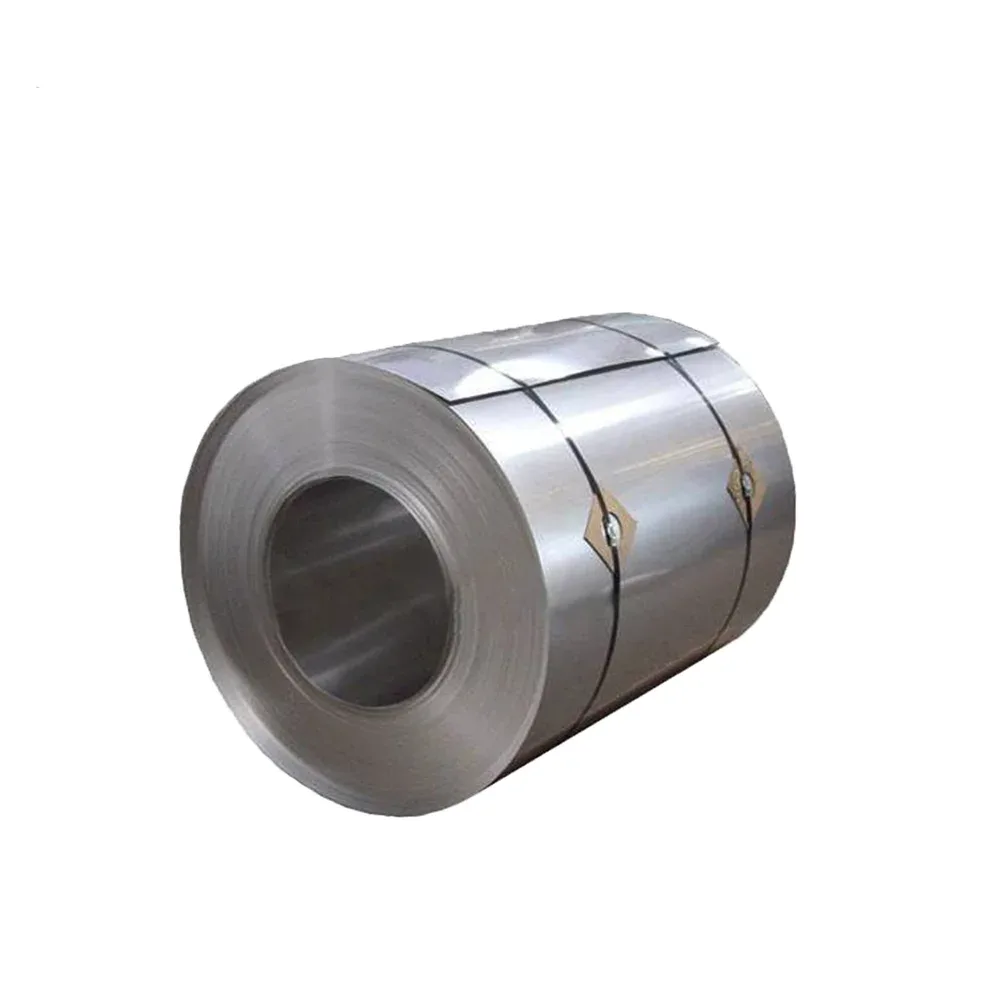
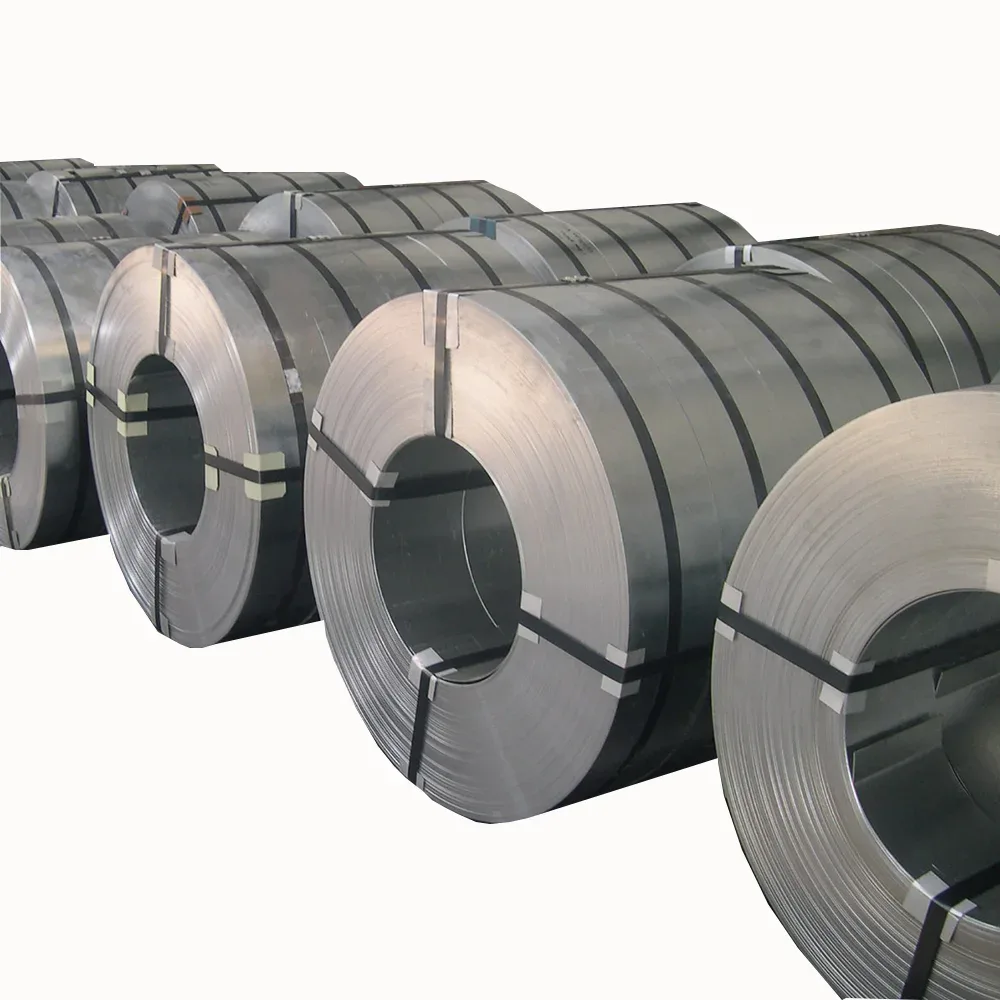
- Stainless steel coils bundled with steel strips and edge protectors to prevent 2B finish damage during handling
- Waterproof wrapping with plastic sheeting and steel sheet outer protection for ocean transit corrosion prevention
- Container loading plans optimized for 1000mm, 1250mm, and 1500mm width coils to maximize weight utilization within shipping limits
- Heat number and grade identification clearly marked on each coil exterior for warehouse receiving verification
- FOB, CIF, and DDP shipping terms available with professional port coordination and real-time tracking
- Custom packaging requirements accommodated for projects with specific surface protection or marking specifications
Request Technical Documentation and Pricing
Submit your stainless steel coil requirements including grade, thickness, width, quantity, and destination port to receive detailed pricing with mill test certificate samples. Our team responds within 12 hours with specifications confirmation, certification availability, and production lead times for both standard and custom slit-width orders.
Frequently Asked Questions
Q: What is the difference between 201, 304, and 316 stainless steel grades?
A: 201 grade uses manganese and nitrogen to reduce nickel content for cost savings in interior applications. 304 provides reliable corrosion resistance for most general purposes including kitchen equipment and architectural trim. 316 contains molybdenum for enhanced resistance to pitting corrosion in marine environments and chemical processing.
Q: Can you provide third-party inspection reports for customs clearance?
A: Yes, we arrange SGS or BV inspection before shipment to verify chemical composition, surface quality, and dimensions. The inspection report accompanies your customs documentation package to satisfy import verification requirements.
Q: What is the MOQ for custom width or thickness specifications?
A: Standard widths of 1000mm, 1250mm, and 1500mm carry no minimum order restrictions beyond container weight limits. Custom slit-to-width orders require discussion of specific dimensions and quantities to confirm production feasibility.
Q: How do you ensure surface quality and prevent scratches during shipping?
A: Each coil receives waterproof wrapping with plastic sheeting, steel sheet outer protection, and edge protectors. Container loading plans position coils to prevent movement and surface contact damage during ocean transit.
Q: What is the typical delivery time for stocked vs. custom orders?
A: Standard specifications in stock ship within typical production lead times after deposit confirmation. Custom thickness or width requirements follow standard manufacturing schedules based on order quantity and specifications.
Get Certified Stainless Steel Coil Pricing with Mill Test Reports
Send your specifications including grade, dimensions, quantity, and destination to receive comprehensive pricing with certification documentation within 12 hours.
Contact: Shandong Xin Jiyuan Special Steel Tube Co., Ltd
Email: admin@sdxjysteel.com
Mobile/WhatsApp/WeChat: +86 188 5315 7756