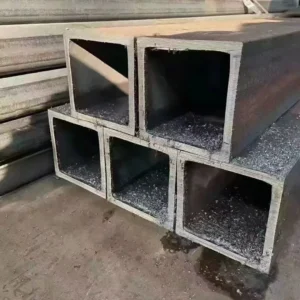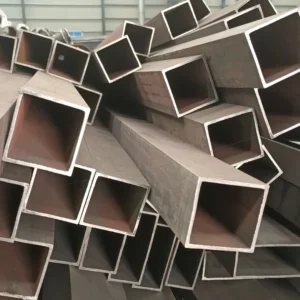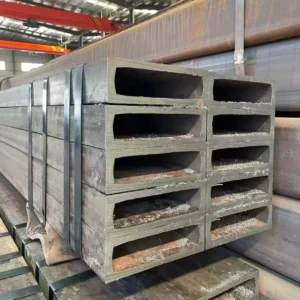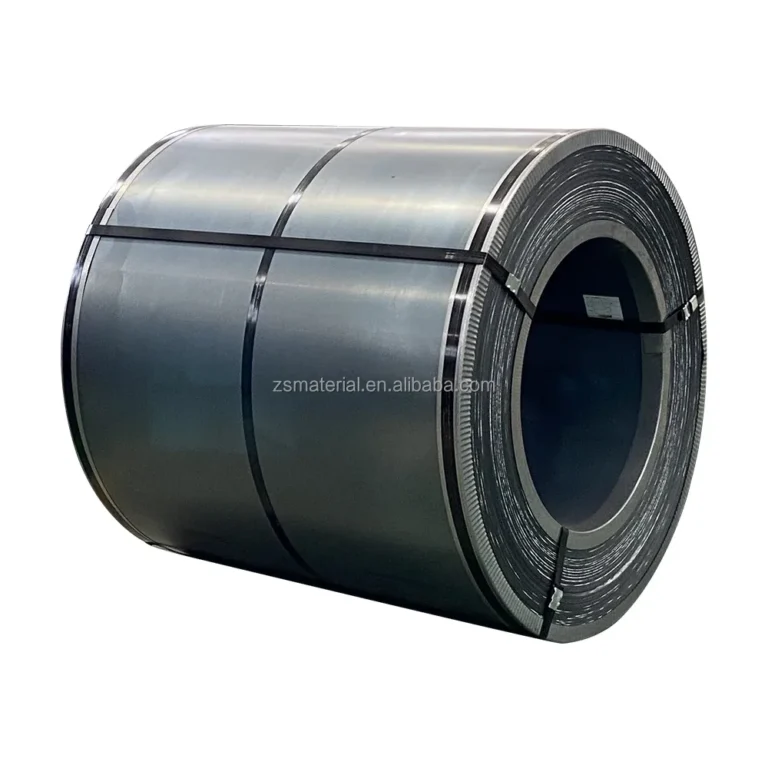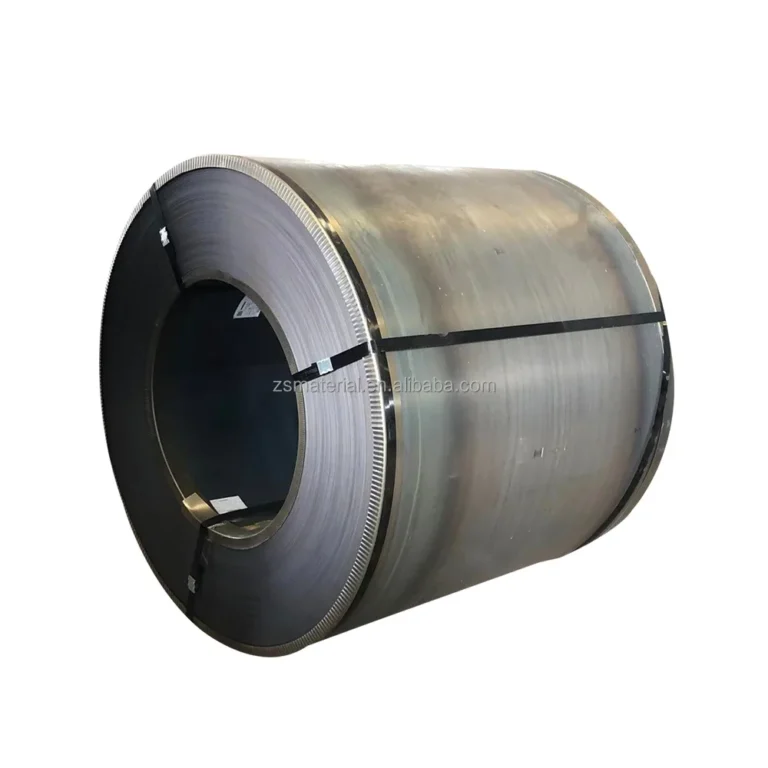
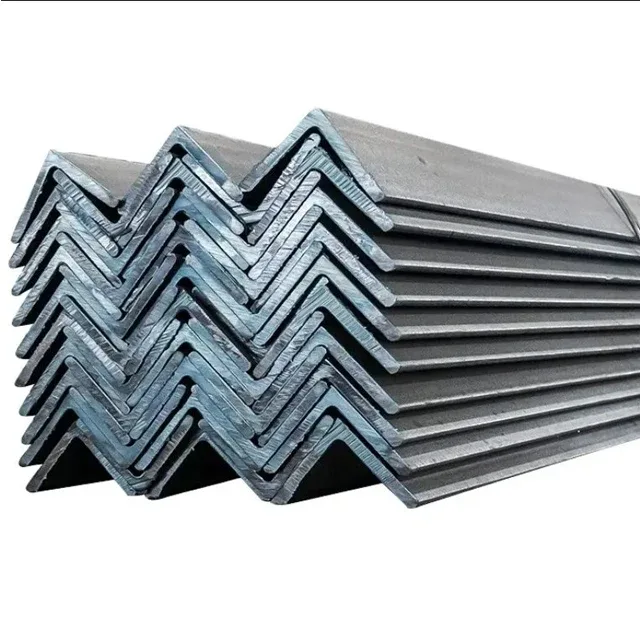
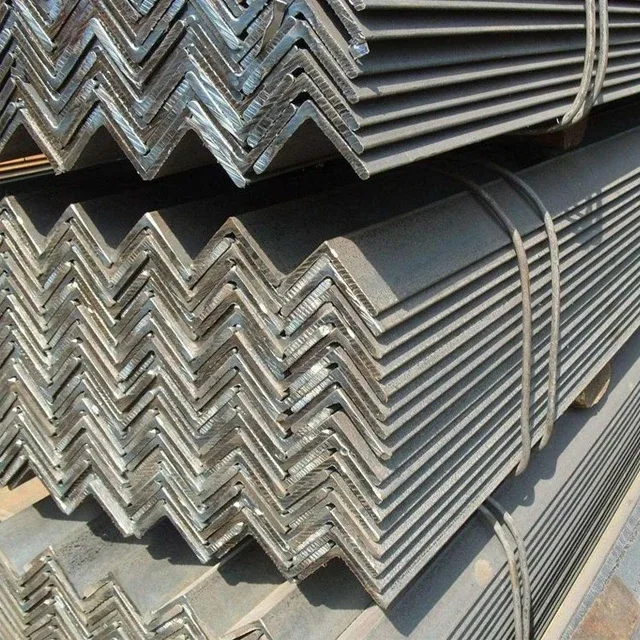
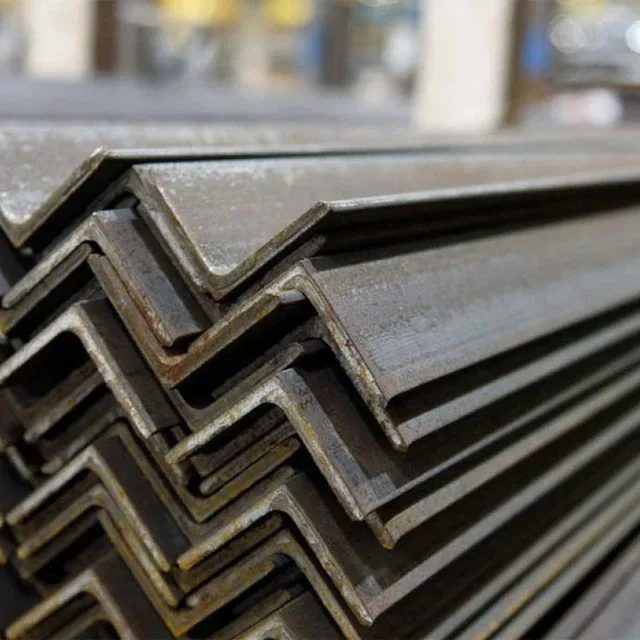
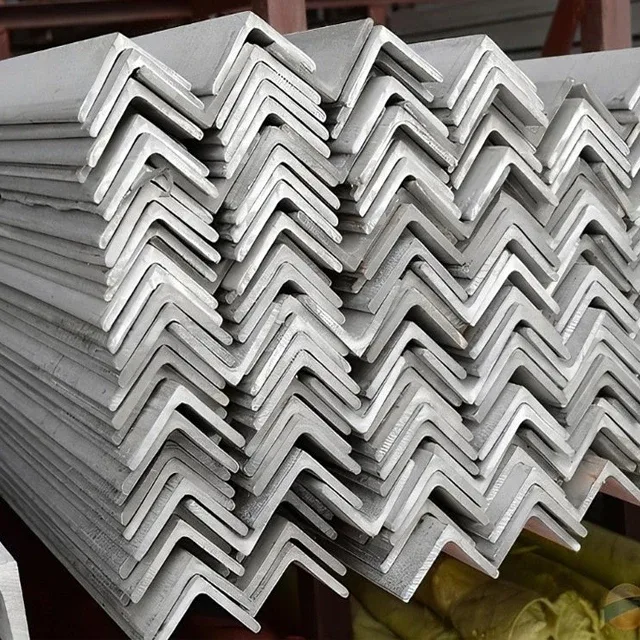
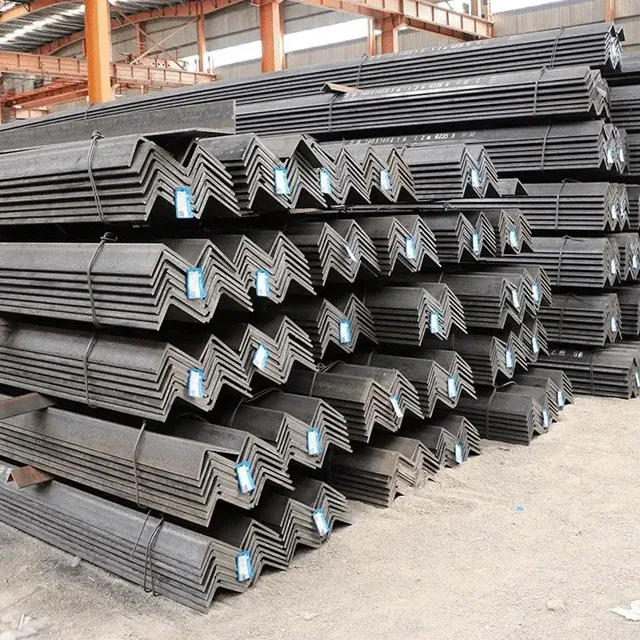
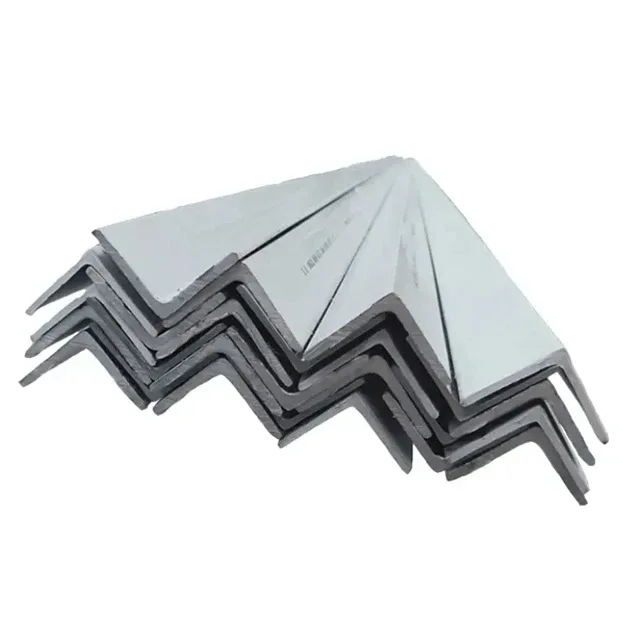
Description
Factory-Direct Angle Bars, No Middlemen Markup — Every Q235 and Q345 hot rolled steel angle bar ships straight from our Jinan mill with original mill test certificates and Lloyd’s Register CE documentation.
Technical Specifications
| Parameter | Value |
|---|---|
| Designation | Q235/Q345 Hot Rolled Steel Angle Bar |
| Product Type | Angle Bar (Equal / Unequal) |
| Steel Grade | Q195, Q235, Q345, Q420, Q460, SS400, ST37-2, ST52, S235JR |
| Standard | GB/T 706, API, ASTM, BS, DIN, JIS |
| Section Shape | Equal / Unequal Angle |
| Thickness | 3–24 mm |
| Length | 6 m / 9 m / 12 m |
| Technique | Hot Rolled |
| Surface Treatment | Black / Oiled / Painted (customizable) |
| Tolerance | ±10% |
| Processing Service | Cutting |
| Invoicing | By Theoretical Weight |
| Package | Wrapped by plastic film then put in wooden case |
| MOQ | 1 Ton (sample order accepted) |
| Origin | Shandong, China |
Application Suitability
| Industry | Typical Applications |
|---|---|
| EPC Contractors & Construction | Steel structure frames, high-rise building skeletons, bridge support brackets |
| Industrial Platform Fabricators | Conveyor support legs, machinery bases, elevated walkway systems |
| Infrastructure Developers | Power transmission tower cross-arms, railway station canopy structures |
| Machinery Manufacturers | Equipment mounting frames, crane boom reinforcement angles |
What Negative Tolerance Really Costs on an Angle Bar Order
A ±10% tolerance window means the difference between passing third-party inspection and air-freighting replacements at your expense.
I once watched a Manila high-rise project reject an entire container of equal angle bars because the negative thickness tolerance pushed the leg dimension below the inspector’s acceptance threshold. The contractor’s loss was not just the material — it was three weeks of idle crane time and emergency air-freight costs that dwarfed the original invoice. When sourcing a hot rolled steel angle bar supplier, inconsistent thickness control is the single most common reason shipments fail at destination. Beyond tolerance, missing or incomplete mill test certificates create customs delays that stall entire project timelines. [NEED_CITE: steel grade equivalence between EN and ASTM standards]
Matching Angle Bar Sections to Structural Load Paths
Equal angle bars in Q235 and Q345 grades serve as the backbone of bracing systems and moment frames where uniform leg geometry simplifies bolted and welded connections. For uneven load distributions — such as crane runway beams or sloped roof purlins — unequal angles concentrate material where bending stress peaks. Our hot rolled steel angle bar production covers 3–24 mm thickness across nine steel grades, letting specifiers match section capacity to calculated demand without splitting orders across multiple vendors.
Engineering Compliance and Surface Protection Choices
Hot rolled angle bars specified to GB/T 706 meet the dimensional and chemical requirements referenced by EN 1993 and AISC design guides when equivalent grades are properly cross-referenced. [NEED_CITE: EN 10219 cold-formed hollow section requirements] For outdoor or industrial atmosphere exposure, oiled or painted surface treatment extends corrosion resistance beyond bare black finish without the cost premium of galvanizing. EU-bound shipments require CE marking under EN 10210/10219 frameworks, while North American projects typically call for ASTM A36 or A572 equivalents — documentation must travel with the cargo, not follow later. Custom cutting to non-standard lengths reduces on-site waste and eliminates secondary sawing operations at the erection stage.
Steel Grade Selection and Hot Rolling Metallurgy
The Q-series (Q195 through Q460) follows the Chinese GB system where the number indicates minimum yield strength in MPa; Q235 remains the workhorse grade for general construction, while Q345 and Q460 serve heavier structural and bridge applications. European S235JR and Japanese SS400 occupy similar yield ranges to Q235, making cross-standard substitution feasible when chemical composition and impact test requirements align. [NEED_CITE: steel grade equivalence between EN and ASTM standards] Hot rolling above recrystallization temperature produces a uniform grain structure that delivers consistent mechanical properties along the full length — critical when angle bars are bent or punched during fabrication. The ±10% thickness tolerance is standard for hot rolled sections, but buyers must verify that actual measurements stay within the positive half of that band to avoid theoretical-weight invoicing disputes.
The Hidden Price of Unverified Angle Bar Procurement
Purchasing angle bars without verified mill test certificates or third-party inspection creates downstream risk that rarely appears in the initial price comparison. Material that fails to match the specified grade — whether through substitution, inadequate testing, or tolerance drift — triggers rejection at the project gate, forcing costly re-procurement and schedule delays. [NEED_CITE: structural steel quality verification requirements for international shipments] Customs authorities in the EU and Middle East increasingly demand CE documentation and traceable heat numbers; missing paperwork means containers sit at port while demurrage charges accumulate. The true cost of a cheap angle bar is measured in rejected batches, not in the invoice line item.
Why Global Buyers Specify Xin Jiyuan for Section Steel
Our three dedicated production lines in Jinan manufacture over 2,800 specifications of section steel, angle bars included, with in-house physical and chemical laboratories that verify every heat before release. We hold 41 invention patents and participated in drafting China’s cold-formed steel industry standards in 2018 — technical depth that translates into tighter process control on every angle bar we roll. Lloyd’s Register EU CE certification, ISO 9001:2015 registration, and SGS/BV third-party inspection capability mean your shipment arrives with documentation that clears customs in 50+ destination countries. Custom cutting, non-standard lengths, and flexible MOQ starting at 1 ton accommodate both project-scale procurement and trial orders. Professional loading plans optimize container utilization for 6 m, 9 m, and 12 m lengths, reducing per-ton freight cost.
Documentation & Compliance
- Mill test certificate documenting Q235/Q345 chemical composition and mechanical properties per GB/T 706, with heat number traceability
- Lloyd’s Register EU CE certificate covering hot rolled structural sections for projects requiring EN compliance
- ISO 9001:2015 quality management certificate validating production process controls
- SGS or BV third-party inspection report available upon request for destination-country verification
- Material traceability by heat number linked to each bundle, supporting project-specific quality archives
- Full customs document package: packing list, bill of lading, certificate of origin, and commercial invoice
Packaging, Loading & Delivery
- Hot rolled angle bars bundled with plastic film wrap and wooden case protection to prevent surface damage during ocean transit
- Oiled or painted surface treatment preserved by edge protectors and separation layers within each bundle
- Container loading plans optimized for 6 m, 9 m, and 12 m lengths to maximize payload per 20ft or 40ft unit
- Custom cutting service available for non-standard lengths, reducing on-site cutting waste at the erection stage
- Each bundle marked with heat number, steel grade (Q235/Q345/SS400 etc.), and dimensional identification for site traceability
- FOB, CIF, and DDP shipping terms with door-to-door logistics coordination to 50+ countries
Start Your Angle Bar Procurement with Verified Documentation
Submit your specification sheet — including steel grade, leg dimensions, thickness, length, quantity, and destination port — and receive a detailed quotation with mill test certificate samples within 12 hours. We confirm certification requirements, cutting tolerances, and container loading plans before production begins, eliminating surprises at the port or project gate.
Request a Quotation with Full Mill Test Documentation
Send your angle bar specifications to admin@sdxjysteel.com or contact us via WhatsApp at +86 188 5315 7756 for pricing, certification confirmation, and delivery scheduling.
Frequently Asked Questions
Q: How do Q235, S235JR, and SS400 compare for structural angle bar applications?
A: These three grades occupy similar yield strength ranges across the Chinese GB, European EN, and Japanese JIS systems respectively. Cross-standard substitution is feasible when chemical composition and impact test requirements are verified against the project specification. We supply all three grades and provide mill test certificates documenting the exact chemistry and mechanical results for each heat.
Q: What documentation is included with a hot rolled steel angle bar shipment?
A: Every shipment includes an original mill test certificate with chemical composition and mechanical properties, a packing list, bill of lading, and certificate of origin. CE certificates and ISO 9001 documentation are provided for EU-bound orders. Third-party inspection reports from SGS or BV can be arranged before shipment.
Q: Can you cut angle bars to non-standard lengths, and what is the minimum order?
A: Yes, our in-house cutting service handles custom lengths beyond the standard 6 m, 9 m, and 12 m options. The minimum order quantity is 1 ton, and sample orders are accepted for quality verification before full project procurement.
Q: Which surface treatment should I specify for my project environment?
A: Black finish suits indoor or controlled environments; oiled treatment provides short-term corrosion protection during transit and storage; painted finish extends service life in moderate outdoor conditions. For aggressive environments, we can discuss hot-dip galvanizing options separately.
Q: How do you ensure tolerance compliance on thickness and leg dimensions?
A: Our in-house physical and chemical laboratory conducts incoming, in-process, and final inspections on every production run. Full inspection reports are provided before shipment, and third-party verification by SGS or BV is available for destination-country acceptance.