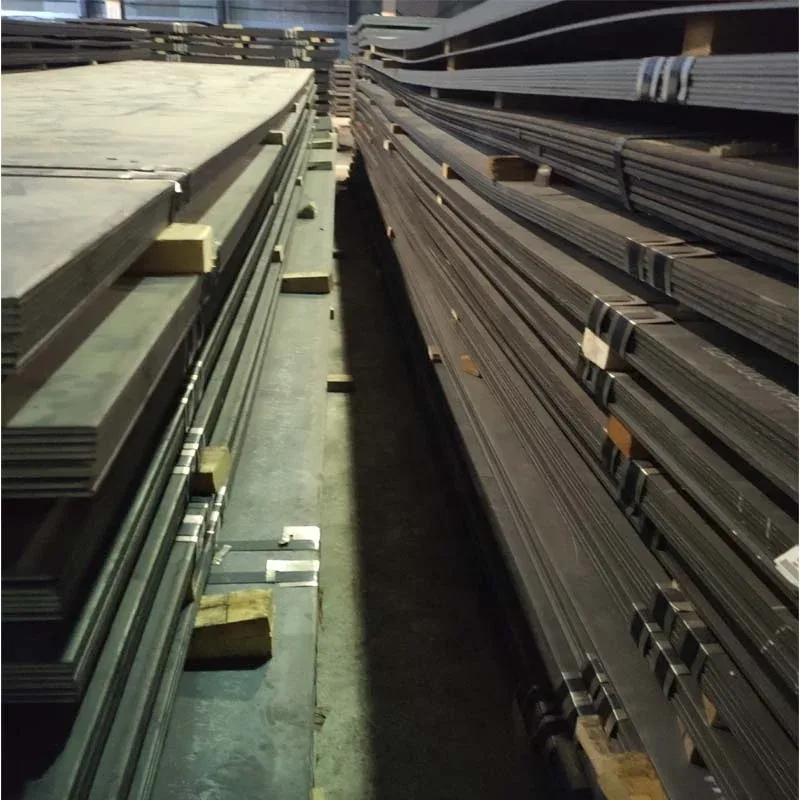
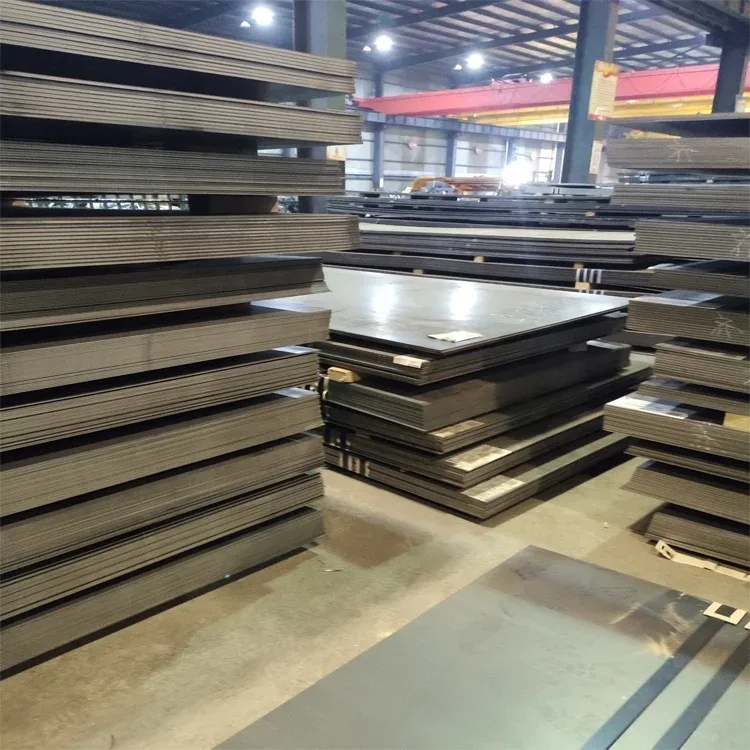
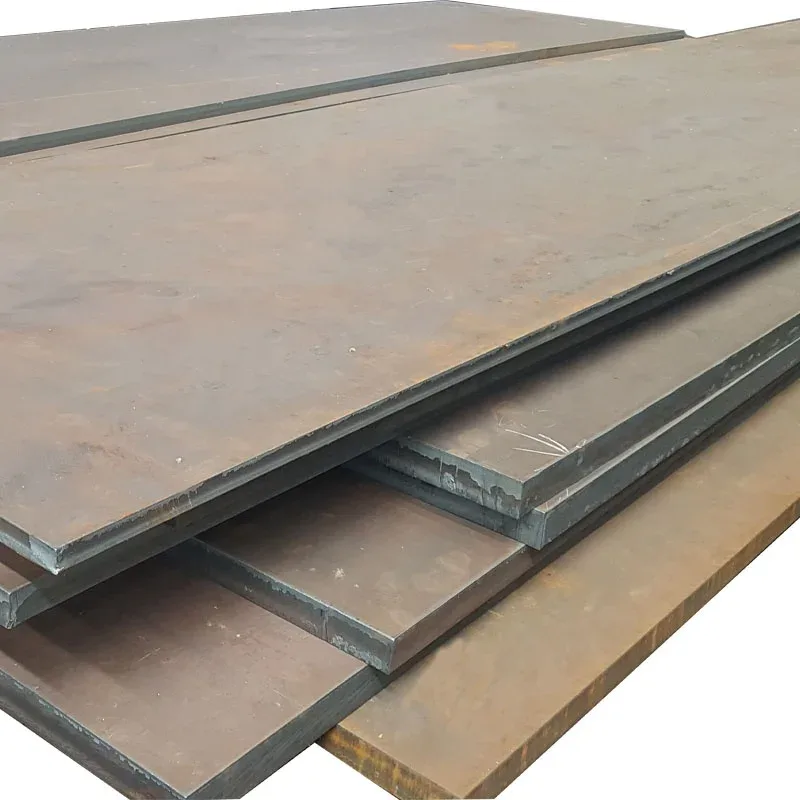
Description
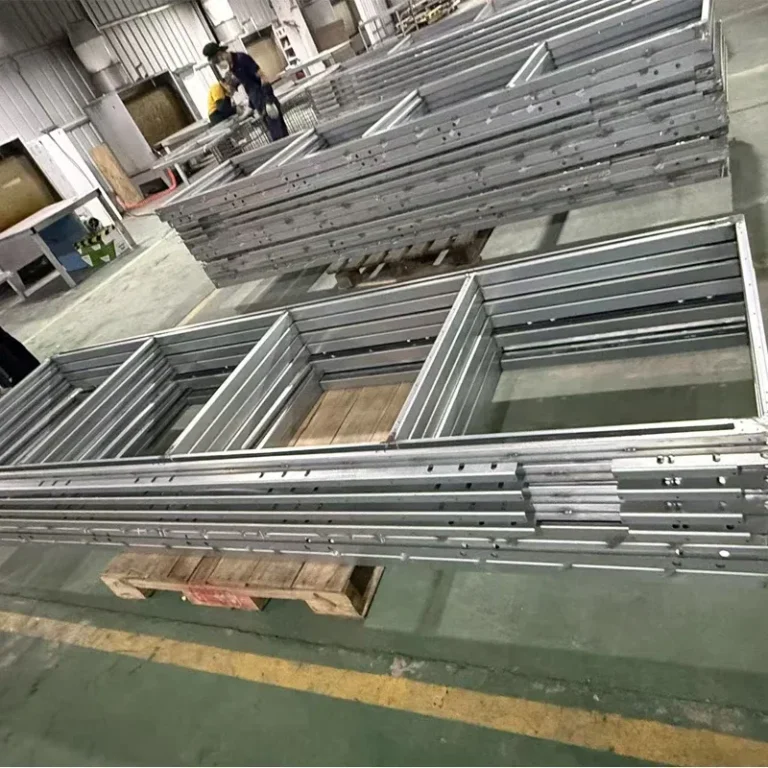
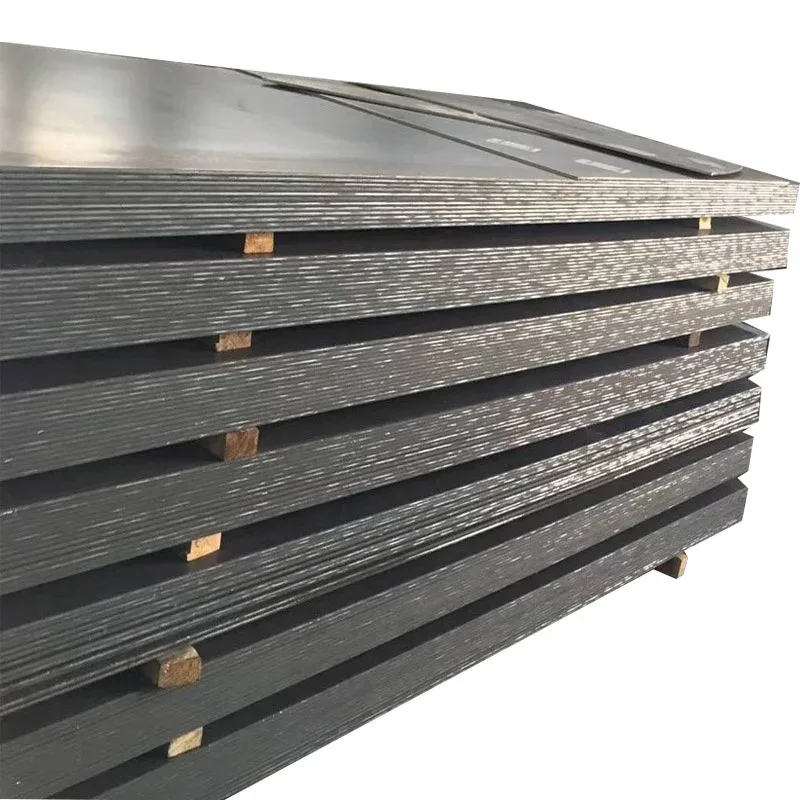
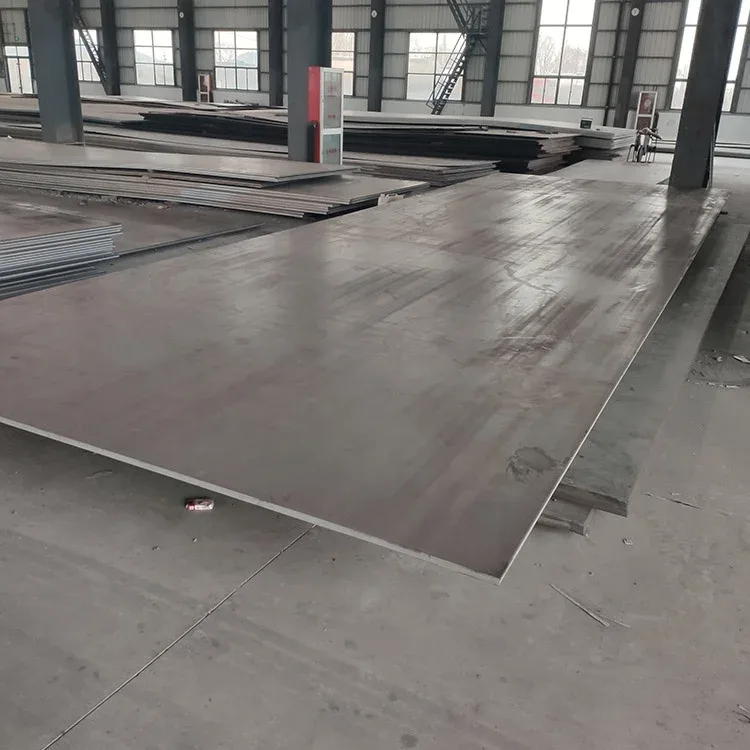
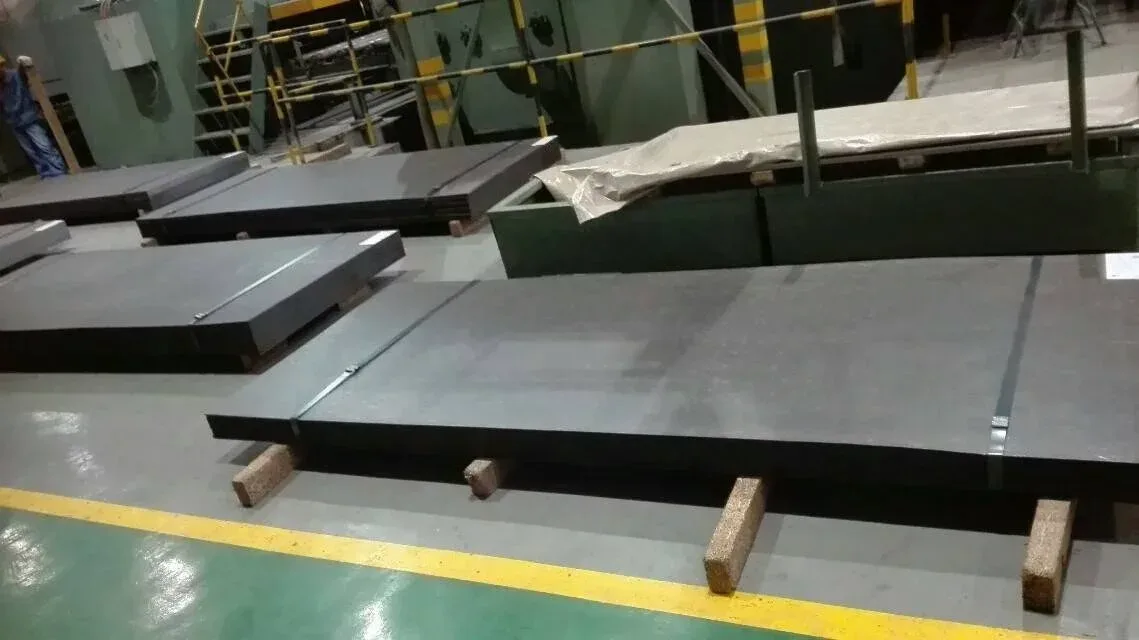
Factory-Direct Processed Plates — Every Q235, Q345, A36, and S355 plate is cut, welded, and punched in-house before shipment, eliminating the markup and dimensional drift of outsourced fabrication.
Technical Specifications
| Parameter | Value |
|---|---|
| Designation | Q235/Q345/A36/SS400 Steel Plate with Cutting & Welding Services |
| Product Type | Steel Plate (Machined Product — Plate Cutting and Processing) |
| Steel Grade | Q235, Q345, A36, S235, S275, S355, SS400, SS490, St37-2, St37-3, St52-3 |
| Standard | GB, JIS, BS, AISI, DIN, ASTM |
| Thickness | Customized |
| Width | Customized |
| Length | Customized |
| Technique | Hot Rolled / Cold Rolled |
| Surface Treatment | As-rolled (AR) / Normalized (N) / TMCP (M) |
| Tolerance | ±0.1% |
| Processing Services | Bending, Welding, Decoiling, Cutting, Punching |
| Delivery State | AR / N / M |
| Application | Metallurgy, Coal, Cement, Power, Mining, Building Materials, Structural Fabrication |
| MOQ | 1 kg |
| Origin | Shandong, China |
Application Suitability
| Industry | Typical Applications |
|---|---|
| EPC Contractors & Construction | Base plates, gussets, column splices, and bridge deck stiffeners for structural steel frames |
| Machinery Manufacturers | Equipment base frames, crane booms, and conveyor support brackets requiring precision-cut profiles |
| Mining & Cement | Wear liners, hopper skirts, and mill discharge chutes exposed to high-impact abrasion |
| Power & Energy | Boiler support platforms, wind tower base flanges, and coal handling structure panels |
When Outsourced Cutting Turns a Plate Order into a Rework Order
Splitting plate supply and fabrication between two vendors is the single most expensive habit in structural procurement.
I once watched a 200-ton IS2062 E250 plate shipment get rejected at site because the mill certificate heat numbers did not match the material on the truck — the supplier had mixed furnace batches before loading. The plates themselves were fine; the paperwork was not. The client paid for a third-party re-inspection, a two-week delay, and a return flight for the inspection team. When you buy raw plates from one source and send them to a local workshop for cutting and edge prep, you absorb that same risk in every dimension: tolerance stack-up, edge bevel inconsistency, and zero traceability once the original mill sticker is ground off. An IS2062 structural steel plate cutting and welding services supplier that controls both the material certificate and the cutting bed eliminates that gap entirely. [NEED_CITE: structural steel fabrication quality control requirements per EN 1090]
How Factory-Processed Plates Match Structural Frame Requirements
A structural frame does not care whether its base plate came from a stockholder or a fabricator — it cares whether the bolt holes land within tolerance and the weld prep matches the WPS. By running cutting, bending, welding prep, and punching on the same shop floor where the plates are received, dimensional continuity is maintained from the mill certificate heat number through to the finished component. An IS2062 structural steel plate cutting and welding services supplier that integrates these steps delivers parts that bolt together on the first attempt, whether the application is a high-rise column shoe or a mining conveyor transfer point.
Engineering Compliance Across Grade Systems and Delivery States
Structural design codes — EN 1993 in Europe, AISC 360 in North America, GB 50017 in China — all require documented proof that the steel grade, delivery condition, and impact performance match the calculation assumptions. Specifying Q345B under GB, S355JR under EN, or A36 under ASTM is not just a purchasing preference; it determines which mill test certificate format customs and the site engineer will accept. Normalized or TMCP delivery states are specified for thicker plates where through-thickness toughness matters, and choosing the wrong condition can void an entire weld procedure qualification. [NEED_CITE: steel grade equivalence between GB, EN, and ASTM structural standards] Third-party inspection by SGS or BV closes the loop for projects where the client’s engineer of record requires independent verification before the container is sealed.
Reading the Grade Designations on Your Drawing
Q235 and Q345 follow the Chinese GB system, where the number indicates minimum yield strength in MPa and the suffix letter (A/B/C/D) specifies impact test temperature. S235, S275, and S355 are the European EN equivalents, with JR, J0, J2, K2 suffixes governing Charpy impact energy at 20°C, 0°C, or −20°C. A36 and SS400 sit in the ASTM and JIS systems respectively, covering similar yield ranges but with different elongation and chemistry limits. St37-2 and St52-3 are legacy DIN designations still called out on older European drawings, now mapped to S235 and S355. Hot-rolled plates in the as-rolled condition suit general structural work, while normalized and TMCP plates are specified when welding on thick sections demands predictable through-thickness properties. The tolerance of ±0.1% on processed dimensions ensures that nested cuts for complex gusset shapes stay within the fit-up allowance of the erection sequence.
The Hidden Cost of Plates That Arrive Without a Traceable Heat Number
A plate without a matching mill test certificate is not a discount — it is a liability. When the heat number on the stamp does not correspond to any entry in the documentation package, the site inspector has only two options: reject the lot or order destructive re-testing at the contractor’s expense. Both paths lead to schedule overruns. Beyond the immediate rejection, untraceable plates cannot be legally incorporated into structures governed by EN 1090 or AISC, because the design assumption of verified material properties cannot be demonstrated. An IS2062 structural steel plate cutting and welding services supplier that stamps every cut piece with the original heat number and supplies the corresponding MTC protects the project from that exposure. [NEED_CITE: EN 1090 execution class requirements for structural steel traceability]
What Changes When the Plate Supplier Also Runs the Cutting Bed
Material traceability starts at the slab and ends at the last bolt hole. An in-house physical and chemical laboratory tests every incoming heat against the mill certificate before any cutting begins, so a chemistry mismatch is caught before the plasma torch fires. With over 2,800 specifications in the broader product range and custom non-standard dimensions available, a single order can combine plates, sections, and fabricated components under one purchase order and one set of certificates. The factory holds Lloyd’s Register EU CE certification under EN 10210/EN 10219, ISO 9001:2015, Singapore FPC, and verification from SGS and BV — meaning the documentation package satisfies customs and client engineers across the EU, North America, the Middle East, and Southeast Asia. Professional loading plans optimize container weight distribution for heavy plate shipments, and door-to-door logistics coordination removes the need for the buyer to manage separate freight and fabrication contractors.
Documentation & Compliance
- Mill test certificate documenting Q235/Q345/A36/S355 chemical composition and mechanical properties per heat number, issued before shipment
- Lloyd’s Register EU CE certificate covering structural steel plate fabrication under EN 10210/EN 10219 for projects entering European markets
- ISO 9001:2015 quality management certificate validating in-house laboratory testing and dimensional inspection procedures
- SGS or BV third-party inspection report available upon request for projects requiring independent material verification
- Full material traceability linking every cut piece and welded assembly back to the original heat number on the mill certificate
- Customs documentation package including packing list, bill of lading, and certificate of origin formatted for the destination country’s import requirements
Packaging, Loading & Delivery
- Hot-rolled Q235 and Q345 plates bundled with galvanized steel straps and edge protectors to prevent coating damage and edge deformation during ocean transit
- Custom-cut A36 and S355 components wrapped in waterproof paper and secured on fumigated timber skids, sized to match the processed dimensions rather than raw mill lengths
- Container loading plans optimized for heavy plate shipments, distributing weight across the floor area to stay within port crane limits and avoiding overloading at the door end
- Cut-to-dimension plates nested and labeled with heat number, grade, and piece mark before wrapping, so site crews can identify components without unwrapping the full bundle
- FOB, CIF, and DDP shipping terms available, with door-to-door coordination for projects in the EU, North America, India, Southeast Asia, and the Middle East
Getting a Firm Price on Processed Plates Starts with the Drawing
Send the plate list — grade, thickness, width, length, quantity, edge prep requirements, and destination port — and the response includes unit price, total cost, typical production lead times, payment terms, and the applicable certification package. For non-standard dimensions or welded assemblies, the engineering team reviews the drawing and returns a fabrication proposal with nesting efficiency and lead time. Confirming the mill test certificate format and third-party inspection scope at inquiry stage prevents documentation delays at customs.
Frequently Asked Questions
Q: How do IS2062, GB Q235/Q345, ASTM A36, and EN S235/S355 relate to each other?
A: They are parallel national standards covering overlapping yield strength ranges. IS2062 E250 maps broadly to Q235 and A36; E300/E350 map to Q345 and S355. The exact chemistry and elongation limits differ, so the correct grade must be specified per the project’s governing design code. The in-house laboratory provides full chemical and mechanical test data for whichever standard your drawing calls up.
Q: Can plates be cut to exact drawing dimensions with welding edge prep included?
A: Yes. Cutting, beveling, punching, and bending are performed in-house. Edge prep for welding — including V-groove, X-groove, and single-bevel profiles — is completed before shipment so components arrive ready for fit-up.
Q: What is the minimum order quantity for custom-cut plates?
A: The MOQ is 1 kg. There is no practical minimum for standard or custom-cut plates, though container-level shipments offer the most competitive freight rates per tonne.
Q: How is material traceability maintained through cutting and fabrication?
A: Every plate is stamped with the original heat number on receipt. During cutting, the heat number is transferred to each piece. The mill test certificate references the heat number, so any finished component can be traced back to the original slab chemistry and mechanical test results.
Q: What are the delivery terms and typical lead times for processed plates?
A: FOB, CIF, and DDP terms are available. Typical production lead times depend on the order volume and processing complexity, and are confirmed in the quotation. Door-to-door logistics are coordinated for destinations across the EU, North America, India, Southeast Asia, and the Middle East.
Get Your Processed Plate Quote with Mill Test Certificate
Send your plate list with grade, dimensions, processing requirements, and destination port to receive a detailed quotation including pricing, certifications, and delivery terms.
Mobile/WhatsApp/WeChat: +86 188 5315 7756
Email: admin@sdxjysteel.com
Website: www.sdxjysteel.com