Description
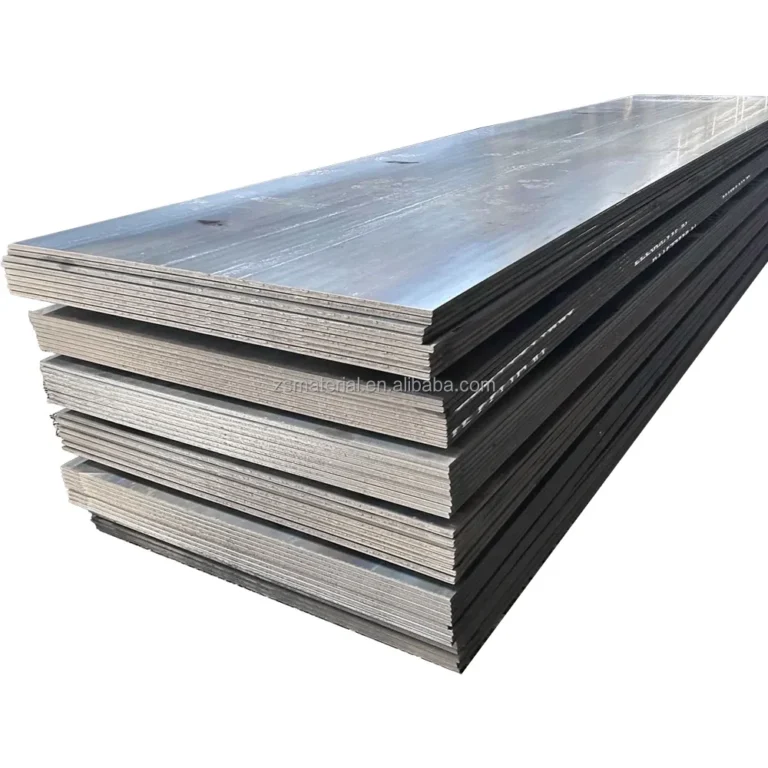
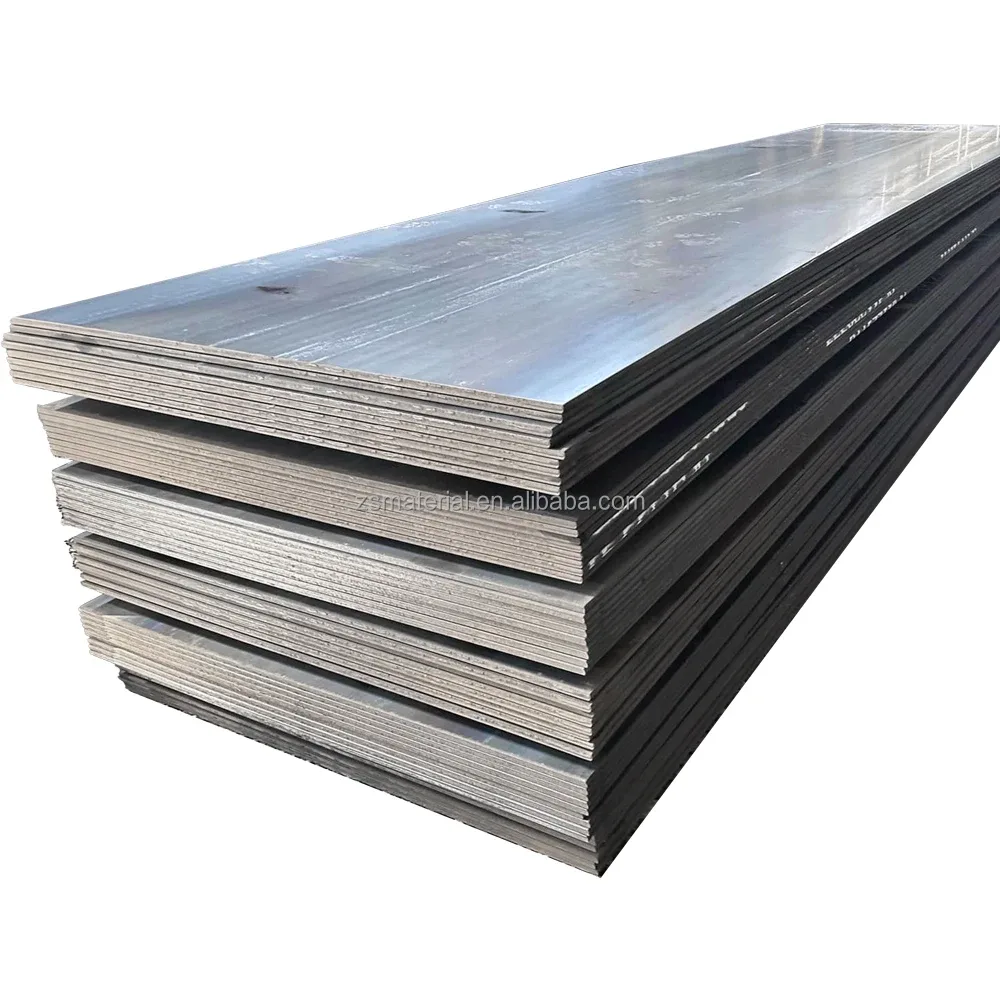
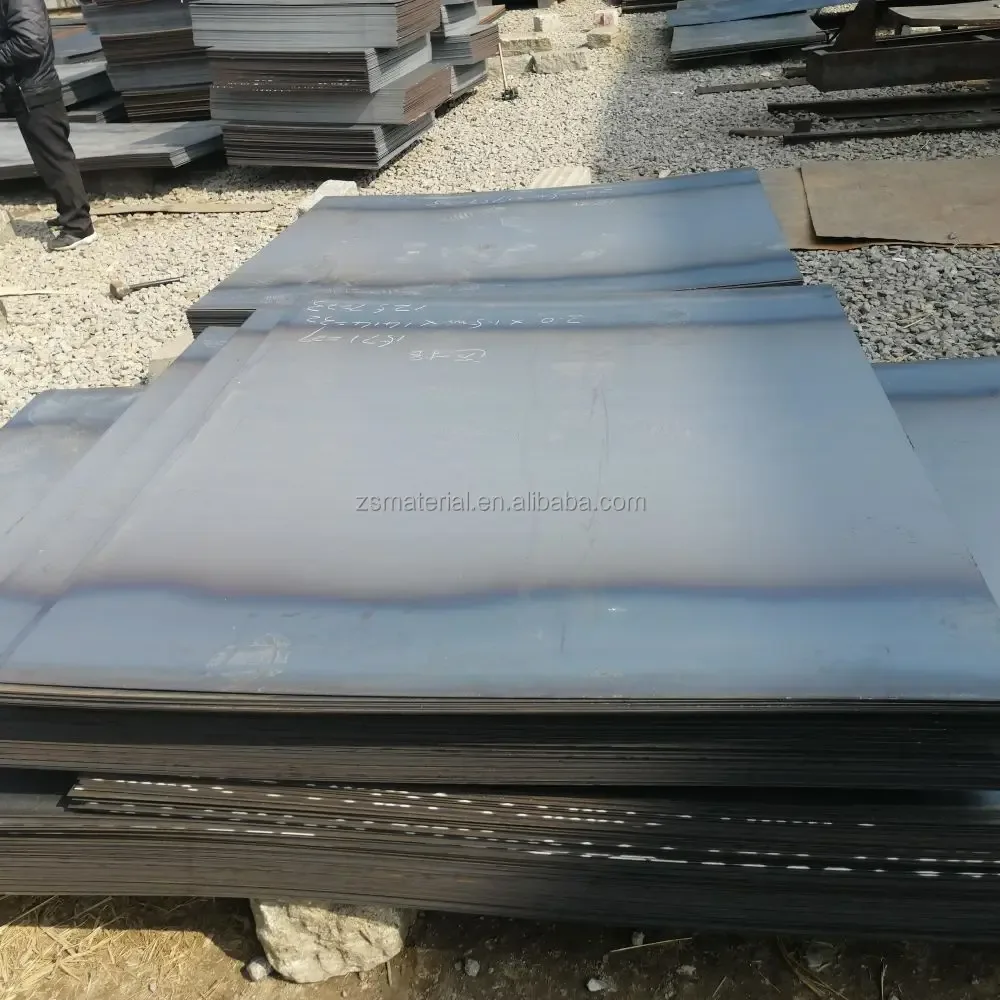
Factory-Direct Hot Rolled Carbon Steel Plate — 20+ international grades from a single mill-certified source with in-house lab verification.
Technical Specifications
| Parameter | Value |
|---|---|
| Designation | Carbon Steel Plate / Sheet |
| Product Type | Steel Plate |
| Steel Grade | Q235, Q235B, Q345, Q345B, Q195, A36, S235, S275, S295, S355, St37, St37-2, St35, St35.4, St42, ST52, SS400, SS540, A283 GR.A, A283 GR.C, A285 GR.A, A285 GR.B, A285 GR.C, A516 GR.50, A516 GR.60, A516 GR.70, S275JR, S355JR, S275J2H |
| Standard | ASTM A36, EN 10025, GB/T 700, JIS G3101, DIN EN 10025 |
| Thickness | 1.5 mm – 4.0 mm |
| Width | 800 mm – 1600 mm |
| Length | Customized / as request |
| Technique | Hot Rolled |
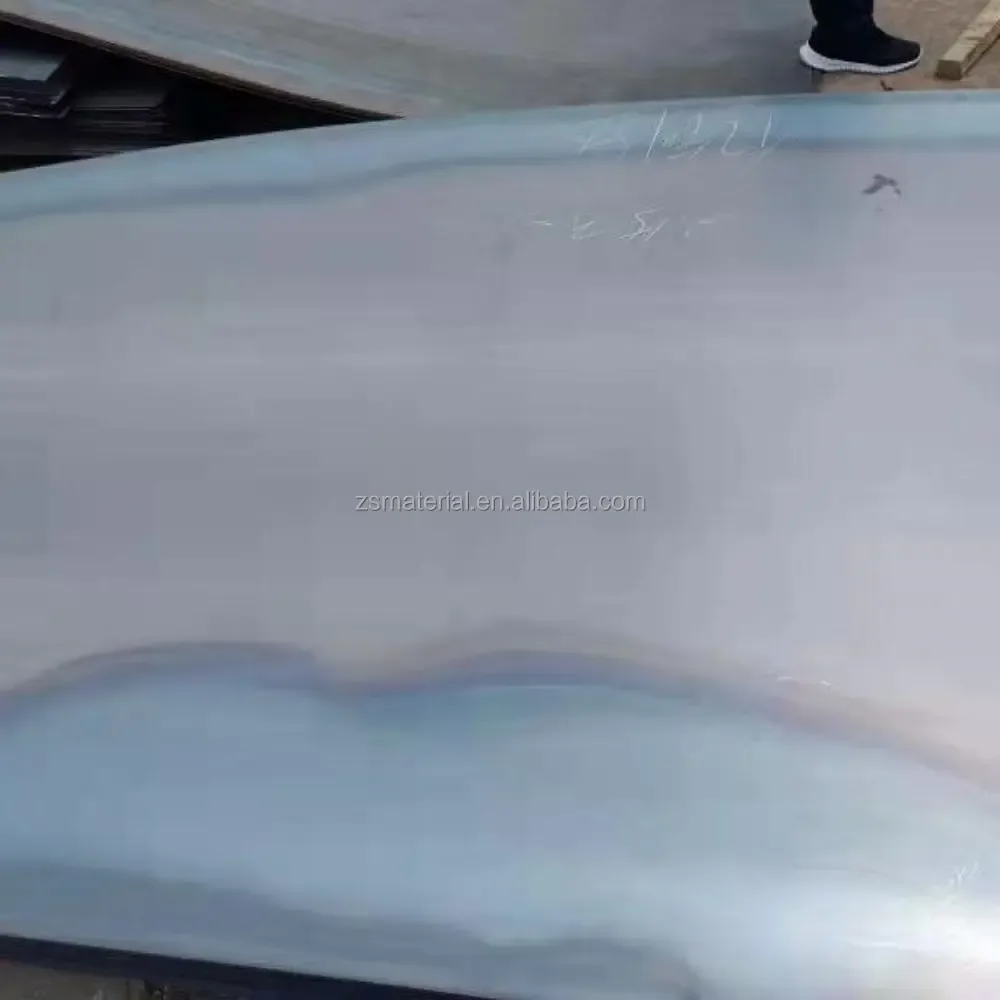
| Surface Treatment | Acid Surface (pickled) |
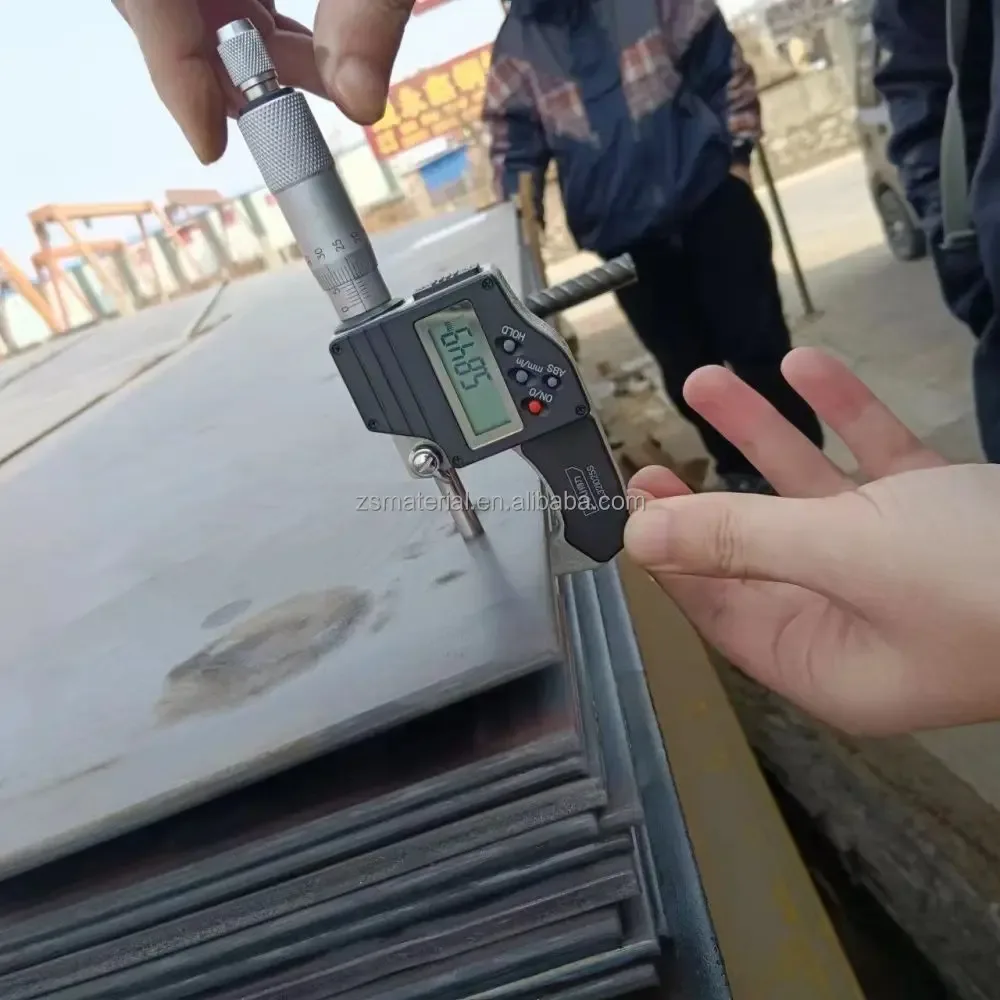
| Tolerance | ±1% |
| Processing Service | Welding, Punching, Cutting, Bending, Decoiling |
| Coil Weight | 3 – 8 Tons |
| Packing | Standard Seaworthy Packing |
| MOQ | 1 Ton |
| Origin | Shandong, China |
Application Suitability
| Industry | Typical Applications |
|---|---|
| EPC Contractors & Construction | Structural frames for industrial buildings, bridge deck plates, high-rise building infrastructure |
| Machinery Manufacturers | Equipment base plates, pressure vessel feedstock, boiler plates |
| Industrial Distributors & Pipe Makers | Container plates, pipe-making blanks, cold rolled feedstock |
| Structural Fabricators | Conveyor structures, scaffolding components, small tool manufacturing |
What Thickness Tolerance Costs on a Structural Frame Order
A ±1% tolerance on hot rolled plate means the difference between passing site inspection and scrapping an entire batch.
I once watched a 40-foot container of S355 plates get rejected at a Middle Eastern port because the actual thickness fell outside the EN 10025 allowable range. The mill certificate looked perfect on paper, but the plates were rolled to negative tolerance that exceeded the standard’s permitted deviation. The project timeline blew out by weeks while replacement material was sourced. That’s the hidden risk when suppliers prioritize weight savings over dimensional accuracy.
For hot rolled carbon steel plate in the 1.5–4.0 mm range, thickness tolerance directly affects load-bearing calculations, welding fit-up, and final assembly dimensions. When you’re fabricating structural frames or pressure vessel components, even a 0.1 mm deviation can cascade into costly rework downstream [NEED_CITE: EN 10025 hot rolled flat product dimensional tolerances].
Matching Hot Rolled Plate to Engineering Requirements
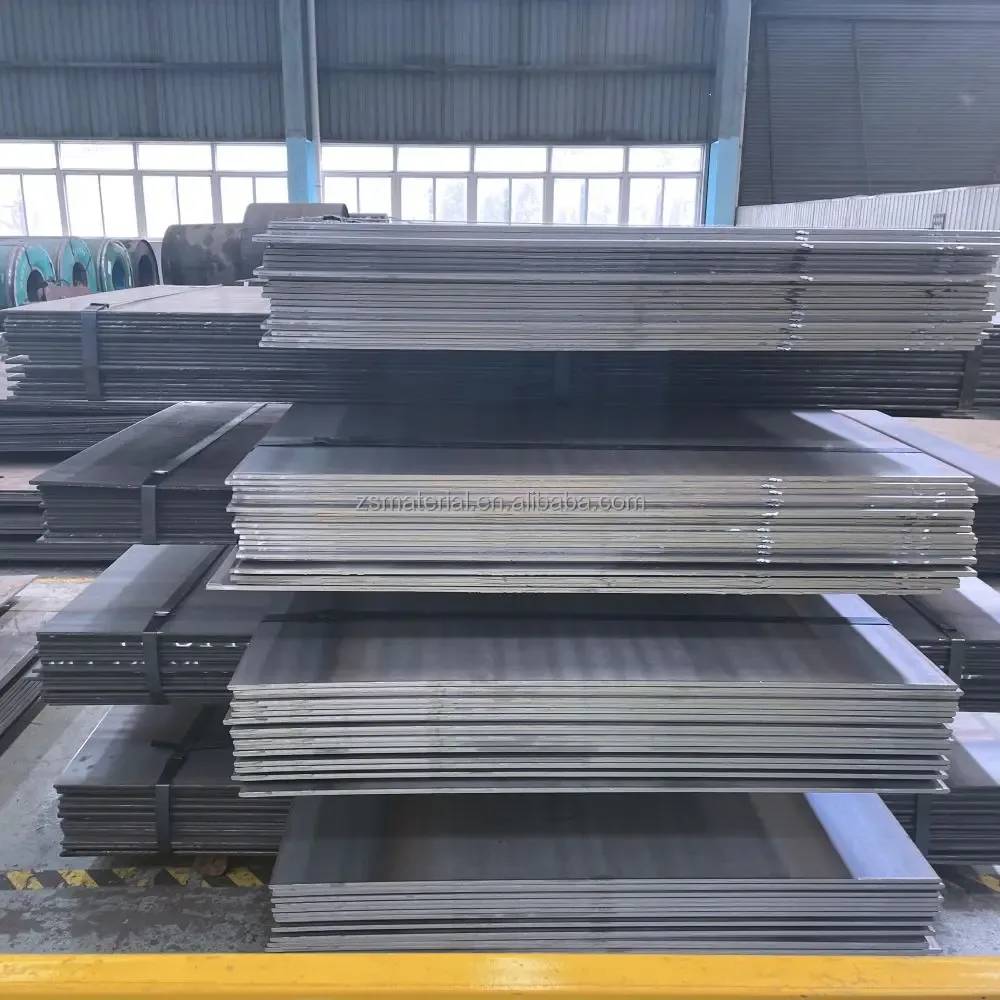
Hot rolled carbon steel plate in grades like S355JR, A36, and Q345B serves as the backbone for structural frames, machinery bases, and pressure vessel components. The pickled acid surface removes mill scale and provides a clean substrate for downstream welding, punching, and bending operations. With width up to 1600 mm and custom length capability, these plates can be cut to exact project dimensions, reducing on-site waste and fabrication time.
Our in-house physical and chemical laboratory tests every heat before shipment, verifying that S275JR plates meet EN 10025 yield requirements and that A516 GR.70 material conforms to ASTM pressure vessel specifications. This eliminates the guesswork that plagues fragmented sourcing from multiple traders.
Engineering Compliance and Certification Pathways
Structural steel plate for EU projects must comply with EN 10025 dimensional and mechanical requirements, while North American infrastructure typically specifies ASTM A36 or A516 grades. The challenge arises when a single project spans multiple regions — you need a supplier who can provide EN 10204 3.1 mill test certificates for European customs clearance and ASTM-compliant documentation for American engineers [NEED_CITE: steel grade equivalence between EN 10025 and ASTM standards].
Hot rolled pickled plate in grades like S235, S275, and S355 offers predictable weldability and formability for structural fabrication. The ±1% thickness tolerance ensures that load calculations remain valid across the entire plate surface. For corrosion-prone environments, the pickled surface can be further treated with oil, primer, or galvanization depending on the service conditions.
Understanding Steel Grade Selection for Carbon Plate
The S-series (S235, S275, S355) follows European EN 10025 standards, where the number indicates minimum yield strength in MPa. S355JR offers higher load-bearing capacity than S275JR, making it suitable for heavy structural applications. The “JR” designation indicates room-temperature impact toughness at 27 Joules.
ASTM A36 is the American equivalent for general structural use, while A516 GR.60 and GR.70 are specified for pressure vessel applications requiring elevated temperature performance. Q235B and Q345B are Chinese GB/T 700 grades commonly used in domestic and Belt & Road projects.
Hot rolling produces a mill scale surface that is removed through acid pickling, leaving a clean, uniform finish ready for fabrication. The 1.5–4.0 mm thickness range covers thin plate applications where weight optimization matters, while maintaining sufficient rigidity for structural use.
The Hidden Cost of Unverified Material Certification
Ordering carbon steel plate without verified mill test certificates creates downstream risks that far exceed the initial material cost. When S355JR plates arrive at a job site without proper EN 10204 3.1 documentation, customs authorities can hold the entire shipment, delaying project timelines and triggering liquidated damages [NEED_CITE: EN 10204 inspection document types for steel products].
Worse still is receiving material that meets chemical composition requirements but fails mechanical testing. I’ve seen A36 plates with correct carbon and manganese content but insufficient elongation, causing cracks during bending operations. The cost of replacing fabricated components far exceeds the price difference between verified and unverified suppliers.
Why Source Hot Rolled Carbon Steel Plate From Us
Our factory-direct model eliminates trading company markups, passing mill-level pricing directly to EPC contractors and machinery manufacturers. With 20+ international grades in stock — from S235 to A516 GR.70 — you can consolidate plate, coil, and structural steel procurement into a single purchase order, reducing coordination overhead.
The in-house physical and chemical laboratory performs real-time testing on every heat, ensuring that S355JR plates meet EN 10025 requirements before they leave Jinan. Original mill test certificates documenting chemical composition and mechanical properties are provided with every shipment, along with CE EN 10210/10219 certification for European projects.
Professional container loading plans optimize weight distribution for 3–8 ton coils and plate bundles, minimizing freight costs while ensuring material arrives without edge damage. Standard seaworthy packing with edge protectors preserves the pickled surface finish during ocean transit.
Documentation & Compliance
- Mill test certificate documenting S355JR chemical composition and yield strength per EN 10025
- CE certificate confirming compliance with EN 10210/EN 10219 for structural steel plate
- ISO 9001:2015 quality management certificate covering production and inspection processes
- SGS or BV third-party inspection report available upon request for project-specific verification
- Material traceability by heat number linking each plate to original mill test data
- Customs documentation including packing list, bill of lading, and certificate of origin
Packaging, Loading & Delivery
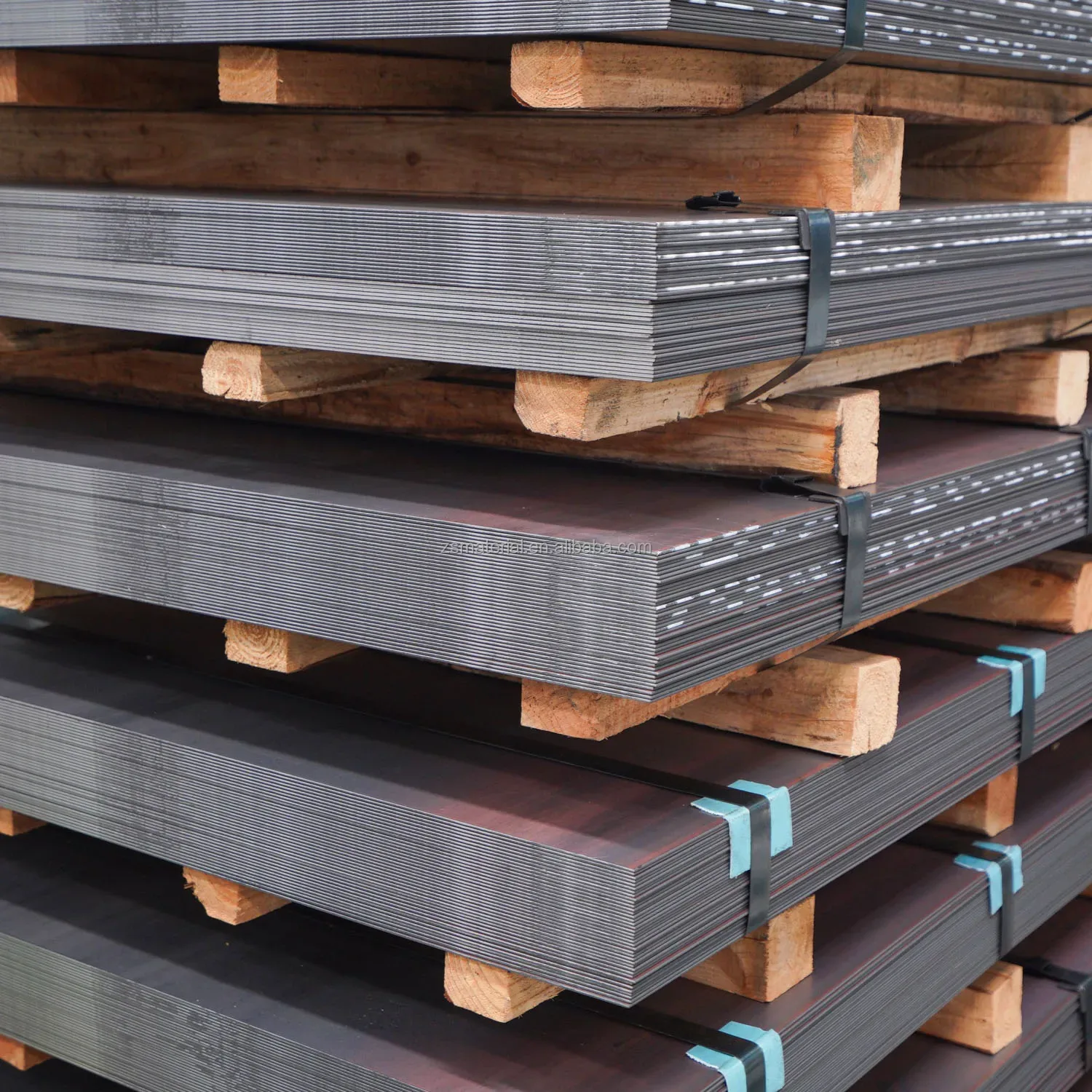
- Hot rolled carbon steel plate bundled with steel strips and edge protectors to preserve pickled surface finish during transit
- Standard seaworthy packaging with waterproof wrapping for 1.5–4.0 mm thickness plates in 800–1600 mm width
- Custom cut-to-length plates packed separately with heat number identification for project traceability
- Container loading optimized for 3–8 ton coil weight or plate bundle dimensions to maximize freight efficiency
- FOB, CIF, and DDP shipping terms available with real-time tracking to 50+ countries
- Professional loading plans ensuring even weight distribution and preventing plate edge damage
Getting Your Hot Rolled Carbon Steel Plate Quote
Submit your specifications including steel grade (S355JR, A36, Q345B, etc.), thickness, width, length, and quantity to receive a detailed quotation within 12 hours. We’ll provide original mill test certificates, confirm CE/ISO certification for your destination market, and optimize container loading for your project timeline.
Request Your Hot Rolled Carbon Steel Plate Quotation
Send your specifications via email at admin@sdxjysteel.com or WhatsApp at +86 188 5315 7756 to receive pricing, mill test certificates, and delivery timeline for your project.
Frequently Asked Questions
Q: How do A36, S275JR, and Q235B compare in yield strength and application?
A: A36 (ASTM) and Q235B (GB/T 700) are general structural grades with similar yield strength around 235–250 MPa, suitable for building frames and machinery bases. S275JR (EN 10025) offers higher yield strength at 275 MPa minimum, making it preferred for European structural projects requiring enhanced load-bearing capacity. All three grades are hot rolled and available with pickled surface finish.
Q: Can you provide EN 10204 3.1 mill test certificates and third-party SGS/BV inspection reports?
A: Yes, every shipment includes original EN 10204 3.1 mill test certificates documenting chemical composition and mechanical properties for the specific heat number. Third-party inspection by SGS or BV is available upon request for project-specific verification before shipment.
Q: What is the minimum order quantity for cut-to-length plates versus coils?
A: The MOQ is 1 Ton for both cut-to-length plates and coils. Custom length plates can be cut from 800–1600 mm width coils with ±1% thickness tolerance. Coil weight ranges from 3–8 tons depending on thickness and width specifications.
Q: Hot rolled pickled versus oiled versus galvanized — which surface treatment suits fabrication?
A: Hot rolled pickled (acid surface) removes mill scale and provides a clean substrate ideal for welding, punching, and bending. Oiled surface offers temporary rust prevention during storage and transit. Galvanized coating provides long-term corrosion protection but requires additional processing. For structural fabrication, pickled surface is typically preferred for its weldability and surface quality.
Q: What shipping terms and logistics support do you provide for heavy plate bundles?
A: We offer FOB, CIF, and DDP shipping terms with professional container loading plans optimized for 3–8 ton coils and plate bundles. Real-time tracking is provided for shipments to 50+ countries including EU, North America, Middle East, and Southeast Asia. Standard seaworthy packing with edge protectors ensures material arrives without damage.