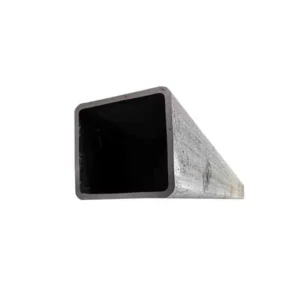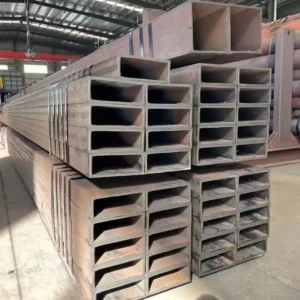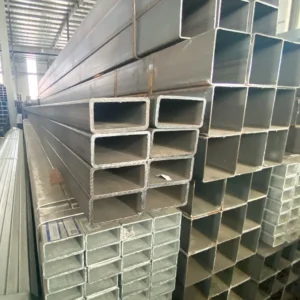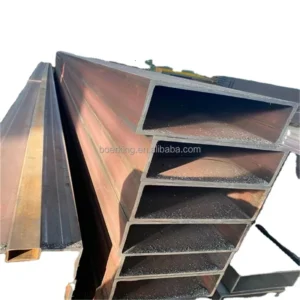

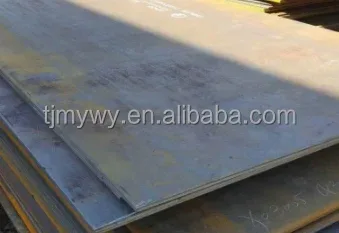
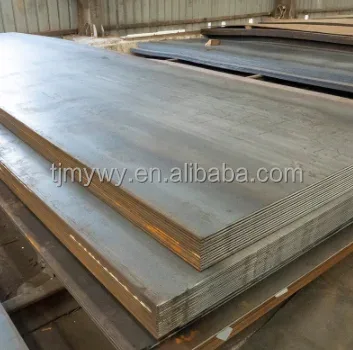


Description
Factory-Direct Hot Rolled Plates — Every ASTM A36, Q235, and St37 plate rolls through our in-house physical and chemical laboratory before loading, eliminating the traceability gaps that stall customs clearance.
Technical Specifications
| Parameter | Value |
|---|---|
| Designation | ASTM A36 / Q235 / St37 Hot Rolled Carbon Steel Plate |
| Product Type | Steel Plate |
| Steel Grade | ASTM A36, Q235, St37 |
| Standard | ASTM A36, GB/T 700 (Q235), DIN EN 10025 (St37) |
| Technique | Hot Rolled |
| Surface Treatment | Hot Rolled Finish |
| Length | Custom Lengths Available |
| Width | Multiple Width Options |
| Application | Heavy-duty construction projects, structural fabrication, building frames, industrial platforms |
| Origin | Shandong, China |
Application Suitability
| Industry | Typical Applications |
|---|---|
| EPC Contractors | Base plates and gusset plates for industrial plant structures and pipeline support frames |
| Construction Companies | High-rise building column base plates, bridge girder splice plates, foundation embedment plates |
| Machinery Manufacturers | Equipment base frames, crane boom mounting plates, conveyor support structures |
| Infrastructure Developers | Retaining wall stiffener plates, culvert reinforcement plates, heavy-duty industrial platform decking |
Where Material Traceability Decides Whether Your Container Clears Customs
A missing heat number on a mill test certificate can hold a 28-ton plate shipment in port for weeks.
I procured Q235B plates for a Middle East high-rise project years ago. The paper certificates looked flawless, but the client’s SGS inspection at destination flagged manganese content below the Q235 threshold. That container sat in customs for three weeks while we scrambled for replacement documentation. The lesson was expensive but permanent: paper alone never guarantees compliance. Now every ASTM A36 and Q235 plate we produce undergoes double verification in our own laboratory — chemical composition analysis and mechanical property testing — before any loading takes place. [NEED_CITE: EN 10204 inspection document types for steel products]
Fragmented sourcing compounds this risk. When buyers purchase plates from one supplier, beams from another, and fabrication from a third, mismatched material certificates create compliance gaps that surface only at project inspection. An ASTM A36 hot rolled carbon steel plate supplier who controls production from slab to finished plate eliminates that coordination failure entirely.
Matching Hot Rolled Plate Dimensions to Structural Frame Requirements
Heavy-duty construction frames demand plates with uniform thickness tolerance and consistent surface finish — properties that hot rolling delivers through controlled reduction at high temperature. ASTM A36, Q235, and St37 grades share comparable carbon-manganese compositions, making them interchangeable across many structural applications when proper equivalence documentation accompanies the shipment. Our production lines cover custom lengths and multiple width options, allowing EPC contractors to specify dimensions that minimize on-site cutting waste. For a recent Southeast Asian industrial project, we supplied Q235 plates in non-standard widths that reduced edge trimming by a significant margin compared to conventional stock sizes.
Engineering Compliance Across ASTM, GB, and EN Standards
Structural engineers designing to AISC specifications require ASTM A36 certification, while European projects specify St37 under DIN EN 10025. Chinese domestic infrastructure typically calls for Q235 per GB/T 700. The hot rolled carbon steel plate must carry documentation proving conformance to the specified standard — not merely a generic material declaration. [NEED_CITE: steel grade equivalence between ASTM A36 and EN 10025 S235] For projects requiring CE marking, plates must meet EN 10210/10219 requirements, and our factory holds the relevant EU CE certification alongside ISO 9001:2015 quality management registration. Custom length capability allows project teams to order plates cut to exact structural bay dimensions, reducing field welding and accelerating erection sequences.
Understanding Hot Rolled Carbon Steel Grade Selection
ASTM A36, Q235, and St37 represent three major international standards for mild carbon structural steel. ASTM A36 governs the North American market with its specified minimum yield point. Q235 serves Chinese domestic and export projects, with the “235” indicating the nominal yield strength class in the GB system. St37, now largely superseded by S235JR in updated EN standards, remains widely specified in legacy projects across the Middle East and Africa. All three grades share similar weldability characteristics and formability, making them suitable for building frames, industrial platforms, and structural fabrication without pre-heating requirements under normal thickness ranges. [NEED_CITE: hot rolling process effects on steel plate mechanical properties]
The hot rolling process itself matters for plate performance. Heating slabs above recrystallization temperature and passing them through successive roll stands produces a mill scale surface finish that provides moderate corrosion resistance during storage and transit. This finish accepts primer coatings readily after standard surface preparation, making it appropriate for both exposed structural applications and enclosed industrial environments.
The Hidden Cost of Unverified Steel Plate Procurement
Ordering an ASTM A36 hot rolled carbon steel plate at the lowest quoted price carries risk when the supplier cannot demonstrate full material traceability. Plates with chemistry outside the specified range may pass visual inspection but fail ultrasonic testing or exhibit poor weldability in the field. Missing or incomplete mill test certificates trigger customs holds in markets with strict import documentation requirements — particularly the EU, Australia, and Gulf Cooperation Council states. [NEED_CITE: consequences of non-compliant steel imports in construction projects] Replacing a rejected plate shipment involves not only material cost but also demurrage charges, project schedule delays, and reputational damage with the end client.
Why Engineering Procurement Teams Source Hot Rolled Plates From Our Facility
Our factory operates three dedicated production lines with in-house physical and chemical laboratories that test every heat before plates enter finished goods inventory. This capability means we issue original mill test certificates documenting actual chemical composition and mechanical results — not template documents. With over 2,800 specifications across our full product range, we consolidate plate orders alongside tubes, sections, and fabrication in single shipments, reducing the coordination burden on EPC procurement teams. We hold 41 invention patents and participated in drafting China’s cold-formed steel industry standards in 2018, reflecting technical depth beyond basic rolling. Third-party inspection through SGS or BV is available before loading for clients who require independent verification. Our professional logistics team manages container optimization and port coordination for heavy plate cargo, supporting FOB, CIF, and DDP delivery terms to over 50 countries.
Documentation & Compliance
- Mill test certificate per EN 10204 Type 3.1 documenting ASTM A36 chemical composition (carbon, manganese, silicon, phosphorus, sulfur) and mechanical test results for each heat number
- CE certificate covering EN 10210/10219 compliance for hot rolled structural plates destined for European Union markets
- ISO 9001:2015 quality management system certificate covering the full production process from slab inspection through final plate dimensional verification
- SGS or BV third-party inspection report available upon request, covering visual examination, dimensional checks, and witness testing for ASTM A36 and Q235 plates
- Material traceability documentation linking each plate to its original heat number, chemical analysis report, and rolling schedule record
- Complete customs document package including commercial invoice, packing list with plate dimensions and net weight, bill of lading, and certificate of origin
Packaging, Loading & Delivery
- Hot rolled ASTM A36 and Q235 plates bundled with steel strip ties and edge protectors to prevent surface damage and edge deformation during ocean transit
- Mill scale surface preserved with anti-rust coating or light oil application depending on destination climate and storage duration at project site
- Container loading plans optimized for custom-length plates to maximize weight utilization within standard 20-foot and 40-foot shipping containers
- Plate bundles marked with heat number, steel grade designation (ASTM A36 / Q235 / St37), dimensions, and piece count for rapid identification at destination
- FOB, CIF, and DDP shipping terms available with professional coordination for heavy plate cargo to ports across the EU, North America, Middle East, and Southeast Asia
Requesting a Quotation for Your Plate Procurement Project
Submit your required steel grade (ASTM A36, Q235, or St37), plate dimensions, total tonnage, and destination port to receive a detailed quotation including unit pricing, production timeline, applicable certifications, and recommended shipping terms. We respond to inquiries within 12 hours with complete commercial and technical documentation.
Frequently Asked Questions
Q: What is the difference between ASTM A36, Q235, and St37, and which should I choose for my project?
A: These three grades represent mild carbon structural steel under different international standard systems — ASTM A36 for North American specifications, Q235 for Chinese GB standards, and St37 for European DIN EN 10025 legacy projects. All three offer comparable weldability and formability for building frames and structural fabrication. Your project engineer’s specification document determines which grade to order, and we supply the corresponding mill test certificates for customs and inspection compliance.
Q: Can you provide mill test certificates and third-party inspection reports for customs clearance?
A: Yes. Every shipment includes original mill test certificates per EN 10204 Type 3.1 documenting the actual chemical composition and mechanical test results for each heat number. For clients requiring independent verification, we arrange SGS or BV third-party inspection before loading, covering visual examination, dimensional verification, and witness testing.
Q: What are the available thickness, width, and length options, and do you accept custom non-standard sizes?
A: We produce hot rolled plates in custom lengths and multiple width options to match your structural drawing requirements. Our facility covers over 2,800 specifications across our product portfolio, and we accommodate non-standard dimensions for project-specific needs. Contact us with your exact size requirements for availability confirmation.
Q: How do you ensure consistent quality across large-volume orders?
A: Our in-house physical and chemical laboratory tests every heat of steel during production — incoming raw material inspection, in-process monitoring, and final verification before plates leave the mill. This dual-check system ensures that the chemical composition and mechanical properties documented on your mill test certificate match the physical plates in your container.
Q: What are the shipping and logistics options for heavy steel plate cargo?
A: We support FOB, CIF, and DDP delivery terms with professional container loading plans optimized for plate dimensions and weight distribution. Our logistics team coordinates port operations and documentation for destinations across the EU, North America, Middle East, Southeast Asia, and beyond, with real-time shipment tracking available throughout transit.
Secure Your ASTM A36 Hot Rolled Plate Supply With Full Documentation
Send your plate specifications, quantity, and destination to receive a quotation with mill test certificate details and delivery timeline within 12 hours.
Email: admin@sdxjysteel.com | WhatsApp: +86 188 5315 7756 | Tel: +86 531 8573 6315