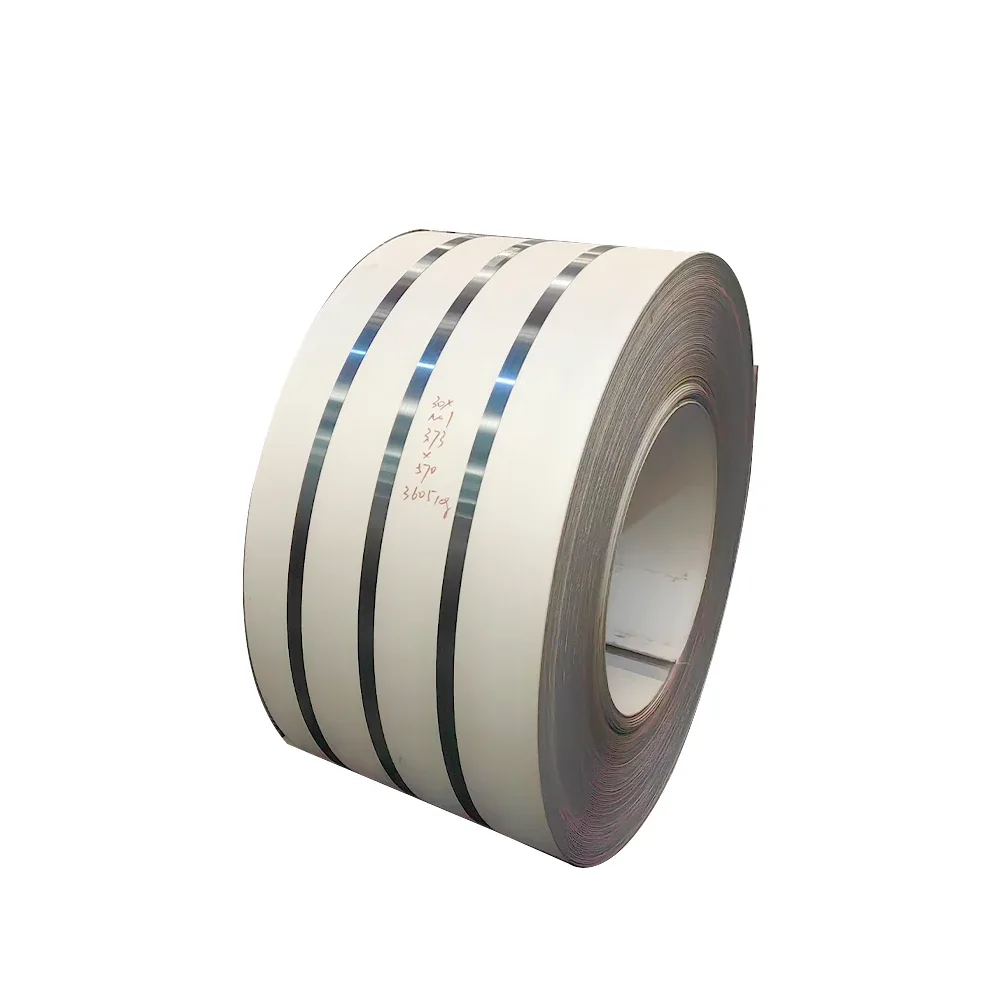

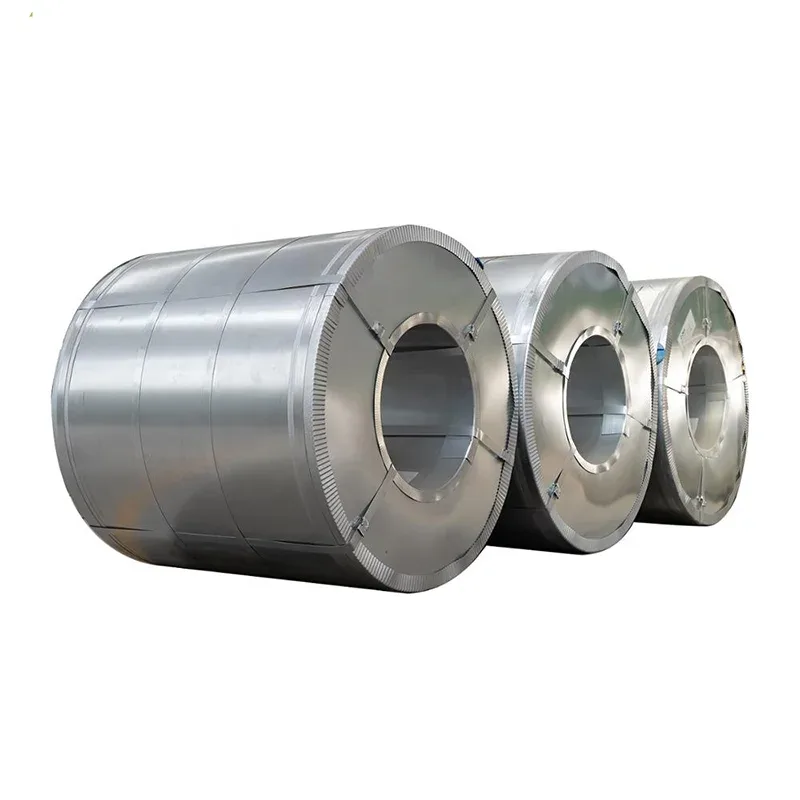
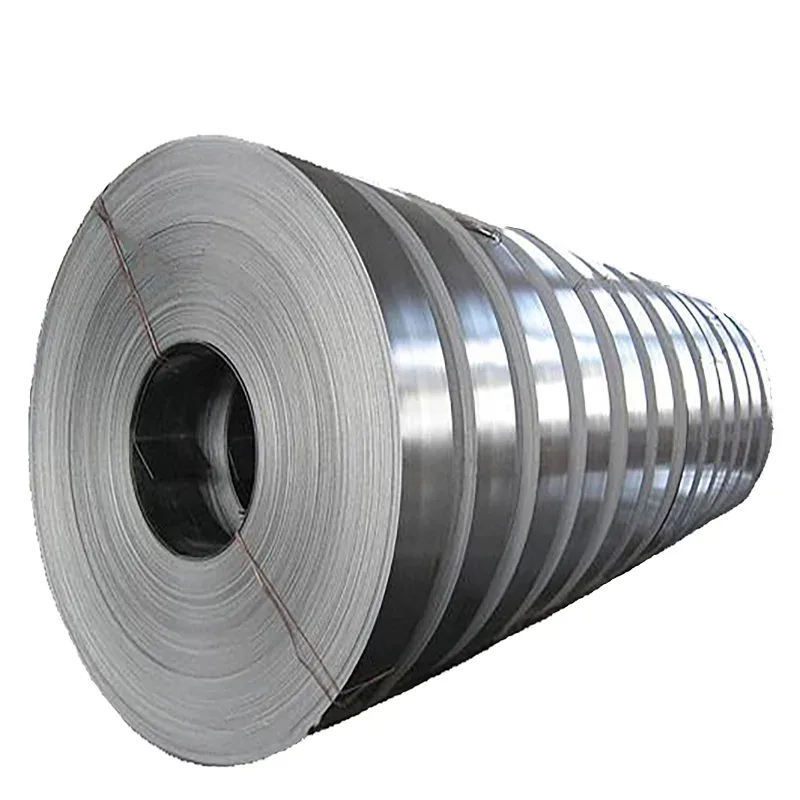
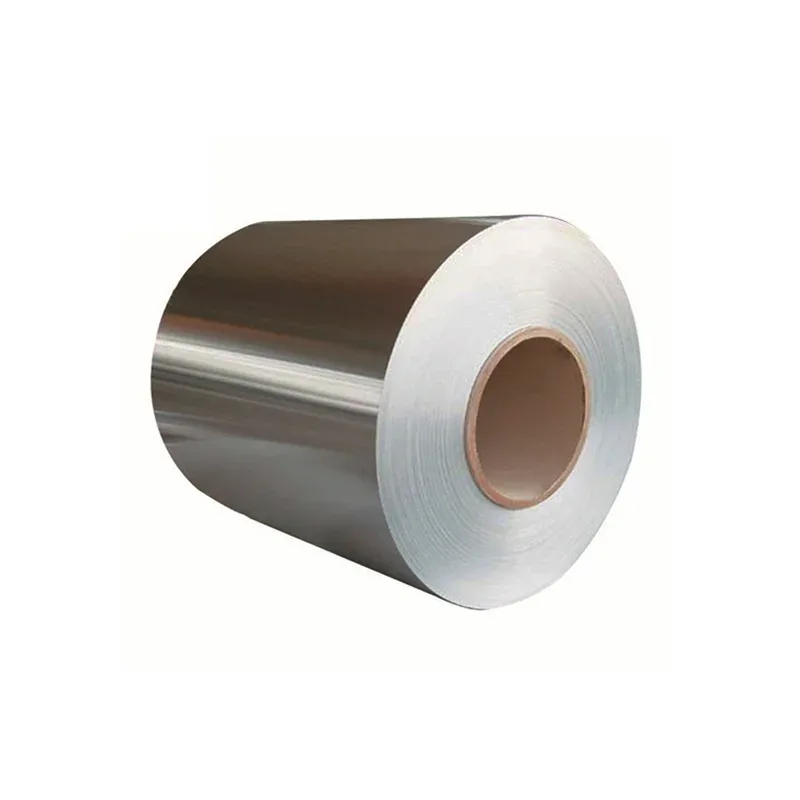

Description
Factory-Direct Stainless Steel Coil — In-house lab verifies every heat number before shipment
Technical Specifications
| Parameter | Value |
|---|---|
| Designation | 304/316/430 Series Stainless Steel Coil |
| Product Type | Steel Coil |
| Steel Grade | 304, 316, 430, 440C, 416, 439, 309S, 201, 321H, 310S, 321 |
| Section Shape | Coil / Strip |
| Width | 1000mm / 1219mm / 1500mm |
| Thickness | 0.2mm–3mm |
| Surface Treatment | No.1, 2B, BA, Polish |
| Technique | Cold Rolled |
| Application | Fabrication / Pressure vessels / Shipbuilding / Automotive / Industrial equipment |
| Origin | Shandong, China |
Application Suitability
| Industry | Typical Applications |
|---|---|
| EPC Contractors | Process piping spools, pressure vessel shells, heat exchanger wraps for petrochemical and desalination plants |
| Machinery Manufacturers | Food processing hoppers, pharmaceutical mixing tanks, conveyor belt components requiring hygienic-grade surfaces |
| Construction Companies | Architectural cladding panels, elevator interior liners, decorative column wraps and ceiling systems |
| Shipbuilding | Galley fittings, exhaust ducting, ballast tank liners exposed to chloride environments |
Why Nickel Content Discrepancies Sink a Stainless Coil Order at Port
A spectrometer reading at the discharge port is the only acceptable proof of grade.
I watched a container of 316L coils sit on the tarmac at Jebel Ali for eleven days because the mill cert claimed nickel above 10%, while the independent inspector’s handheld gun read 8.2%. The buyer’s facade panels would have corroded within two years in a coastal chloride atmosphere. That single heat-number mismatch cost more in demurrage and air-freight replacement than the entire coil order. Global buyers sourcing stainless materials repeatedly encounter quality uncertainty — inconsistent chemical composition between heats, mill test certificates that look flawless on paper but fail under third-party spectrometer verification, and no lab traceability linking the certificate to the actual coil shipped. [NEED_CITE: stainless steel grade verification procedures for import compliance]
Matching Coil Finish and Grade to Engineering Environments
Selecting the correct 304 316 stainless steel coil supplier means aligning surface finish with the service environment before the purchase order is signed. A 2B finish on 304 coils works for general fabrication brackets and food-grade tanks where a smooth, reflective surface aids cleaning. BA finish on 316 coils serves architectural cladding in coastal cities where chloride pitting resistance is non-negotiable. No.1 hot-rolled finish handles industrial furnace wraps and heat shields where appearance is irrelevant but high-temperature oxidation resistance matters. Polish finish on 304 or 316 delivers mirror-grade surfaces for elevator panels and decorative column wraps in commercial buildings. Our in-house physical and chemical laboratory tests every heat before the coil leaves the production line, verifying nickel, chromium, and molybdenum content against the grade specification — not relying on the mill’s paper alone.
Engineering Compliance and Certification Requirements Across Markets
Stainless coils shipped to European projects must carry CE marking under applicable pressure equipment or construction product directives, with chemical composition and mechanical properties documented per the relevant EN standard. North American buyers typically require ASTM-equivalent grade designation on the mill test certificate, and customs authorities at major ports increasingly request third-party inspection reports from SGS or BV before releasing stainless material shipments. [NEED_CITE: CE marking requirements for stainless steel flat products in EU construction] Material traceability by heat number is mandatory for pressure vessel fabrication under ASME and PED frameworks — each coil must link back to its original melt record. Our facility maintains ISO 9001:2015 certified quality management with real-time spectrometer analysis at every production stage, and we hold Lloyd’s Register EU CE certification alongside SGS and BV verification capability. For projects in the Middle East and Southeast Asia, where ambient temperatures exceed 45°C and humidity drives accelerated corrosion, confirming the correct grade — particularly molybdenum-bearing 316 versus standard 304 — before shipment prevents catastrophic field failures. [NEED_CITE: stainless steel grade selection for high-chloride coastal environments]
Decoding Stainless Grades, Finishes, and Thickness Tolerance
The austenitic series — 304, 316, 321H, 310S — forms the backbone of corrosion-resistant coil demand. 304 provides general-purpose resistance across atmospheric and mild chemical environments. 316 adds molybdenum for chloride and marine resistance. 321H stabilizes with titanium for high-temperature exhaust and furnace applications. 310S handles sustained service above 1000°C in heat treatment equipment. The ferritic series — 430, 439 — offers lower cost with adequate resistance for decorative and mild indoor applications. Martensitic grades 440C and 416 serve machined components requiring hardness. Surface finish selection directly affects both corrosion performance and downstream processing: No.1 retains the mill scale for industrial use; 2B provides a smooth cold-rolled surface suitable for further forming; BA delivers a bright annealed reflective finish for architectural exposure; Polish achieves mirror-grade aesthetics. Thickness tolerance from 0.2mm to 3mm across widths of 1000mm, 1219mm, and 1500mm determines material yield per project — tighter tolerance reduces waste on precision-cut blanks for pressure vessel dishing or automotive stamping.
The Hidden Cost of Ordering Stainless Coil Without Verified Chemistry
Accepting a mill test certificate without independent spectrometer verification is the most expensive shortcut in stainless procurement. A coil labeled 316 that tests as 304 will pass visual inspection and even basic salt-spray tests in the first weeks — but pitting corrosion appears within months in chloride-bearing environments, forcing full facade or piping replacement. [NEED_CITE: failure analysis of misidentified stainless steel in marine environments] Missing or incomplete certification triggers customs holds at destination ports, generating demurrage charges that exceed the material cost. Negative thickness tolerance beyond the allowable range means fewer usable meters per ton, inflating the effective price per project. Welding procedures qualified for one grade fail on another, requiring re-qualification and schedule delays. These are not hypothetical scenarios — they are recurring failure modes across global stainless supply chains where verification stops at the paperwork stage.
Procurement Confidence Built on Verification Infrastructure
Every 304 316 stainless steel coil we ship passes through our in-house physical and chemical laboratory, where spectrometer analysis confirms chromium, nickel, molybdenum, and carbon content against the declared grade before the coil is released. We maintain 2,800+ specifications across our product range, covering austenitic, ferritic, and martensitic series in widths up to 1500mm and thicknesses from 0.2mm — reducing the need to source from multiple suppliers for different grades and finishes. Our 41 patented technologies include proprietary process controls that ensure consistent surface quality and dimensional tolerance across production runs. We hold CE certification under Lloyd’s Register for European market compliance, ISO 9001:2015 for quality management, and accept SGS or BV third-party inspection at any stage. Custom non-standard widths, thicknesses, and lengths are available beyond standard catalog offerings. Professional loading plans optimize container utilization for heavy coil shipments, and we coordinate door-to-door logistics to 50+ countries with full documentation support.
Documentation & Compliance
- Mill Test Certificate documenting 304/316/430 chemical composition including chromium, nickel, and molybdenum content per applicable ASTM or EN standard
- Lloyd’s Register EU CE certificate confirming compliance for stainless flat products entering European construction and pressure equipment markets
- ISO 9001:2015 quality management certificate covering the full production and inspection process at our Jinan facility
- SGS or BV third-party inspection report available upon request, verifying spectrometer readings against declared grade before shipment
- Full material traceability by heat number linking each coil to its original melt record, chemical analysis, and rolling schedule
- Complete customs documentation package including commercial invoice, packing list, Bill of Lading, and Certificate of Origin
Packaging, Loading & Delivery
- Stainless steel coils packed in seaworthy export bundles with steel strip binding and edge protectors to prevent surface damage to 2B, BA, and Polish finishes during ocean transit
- Each coil wrapped in moisture-proof paper and plastic film to preserve surface integrity of No.1 and BA finishes against humidity and salt spray during shipping to Middle East and Southeast Asian ports
- Container loading plans optimized for coil weight distribution across 1000mm, 1219mm, and 1500mm widths, maximizing payload while maintaining axle and port handling limits
- Heat number and grade identification marked on each coil edge and outer wrapping, enabling immediate verification at discharge port without unpacking
- FOB, CIF, and DDP delivery terms available with professional coordination to 50+ countries, including port customs clearance support and door-to-door logistics for project sites
Securing Your Stainless Coil Order with Verified Specifications
Submit your required grade — 304, 316, 430, or other series — along with width, thickness, surface finish, quantity, and destination port. We respond within 12 hours with a detailed quotation including unit price, production lead time, applicable certifications, and available mill test certificate documentation. For non-standard specifications outside the 1000–1500mm width and 0.2–3mm thickness range, we provide custom production options with confirmed delivery schedules.
Request Your Stainless Steel Coil Quotation with Mill Test Certificate
Send your specifications, steel grade, surface finish, and destination to receive a detailed quote and sample mill test certificate within 12 hours.
Tel: +86 531 8573 6315 | Mobile/WhatsApp/WeChat: +86 188 5315 7756 | Email: admin@sdxjysteel.com
Frequently Asked Questions
Q: What is the difference between 2B, BA, and No.1 surface finishes for stainless steel coils?
A: No.1 is a hot-rolled annealed and pickled finish with a matte surface, suitable for industrial applications where appearance is not critical. 2B is a cold-rolled, annealed, pickled, and skin-passed finish providing a smooth, moderately reflective surface ideal for general fabrication and food-grade equipment. BA (Bright Annealed) is processed in a controlled-atmosphere furnace to produce a highly reflective mirror-like surface, used for architectural cladding, elevator panels, and decorative applications.
Q: Can you provide Mill Test Certificates and third-party inspection reports for customs clearance?
A: Yes. Every coil shipment includes an original Mill Test Certificate documenting chemical composition and mechanical properties per the applicable standard. We also arrange SGS or BV third-party inspection reports upon request, which are accepted by customs authorities at major ports worldwide for grade verification and release.
Q: What are the standard widths and thicknesses available, and do you accept custom non-standard specifications?
A: Standard widths are 1000mm, 1219mm, and 1500mm, with thickness ranging from 0.2mm to 3mm. We accept custom non-standard widths, thicknesses, and lengths beyond the standard catalog, produced on our dedicated lines with confirmed lead times and MOQ requirements.
Q: How do you ensure material traceability and quality consistency across different stainless grades?
A: Every coil is tested in our in-house physical and chemical laboratory using spectrometer analysis before shipment. Each heat number is recorded and linked to its chemical composition, mechanical test results, and rolling schedule. This traceability chain is documented on the Mill Test Certificate provided with every shipment.
Q: What are the delivery terms and typical lead times for stocked versus custom orders?
A: We offer FOB, CIF, and DDP delivery terms to 50+ countries. Standard catalog items in 304, 316, and 430 grades with common finishes are typically available from stock or short production runs. Custom non-standard specifications follow typical production lead times confirmed at the quotation stage based on grade, finish, and quantity.