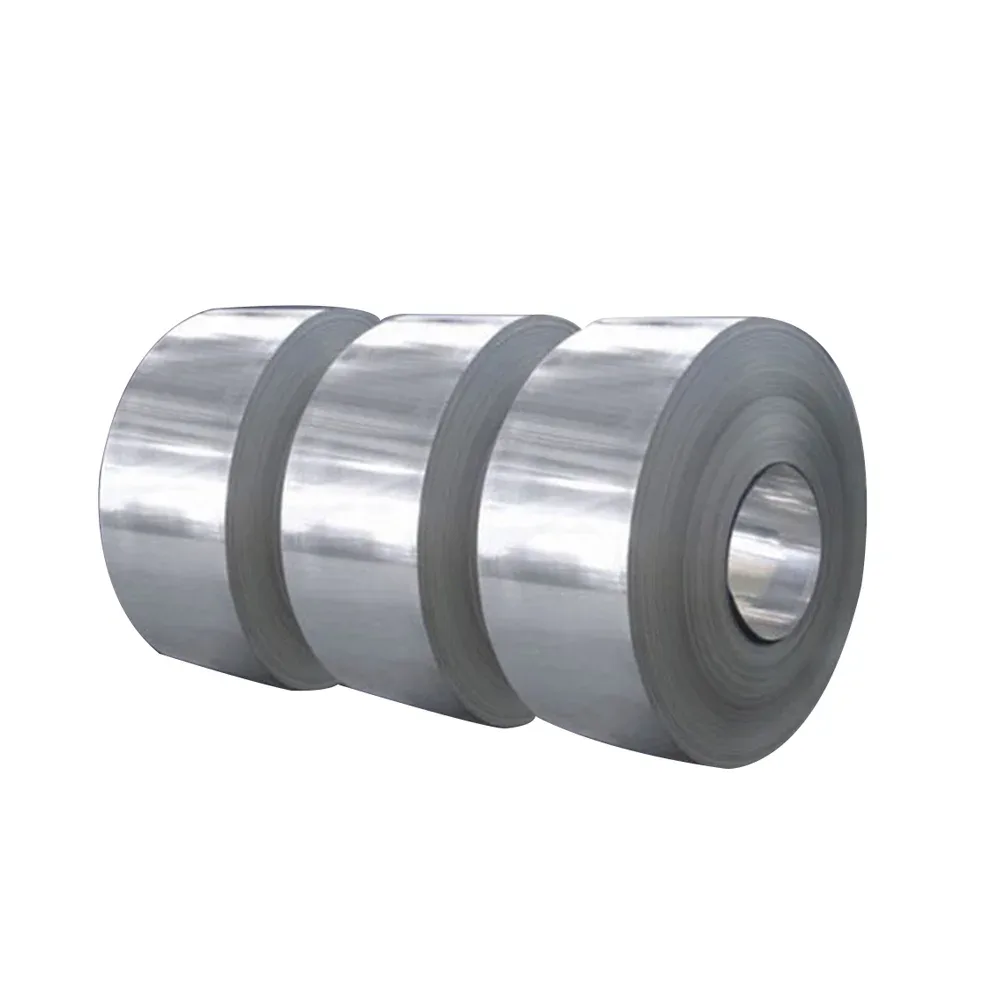
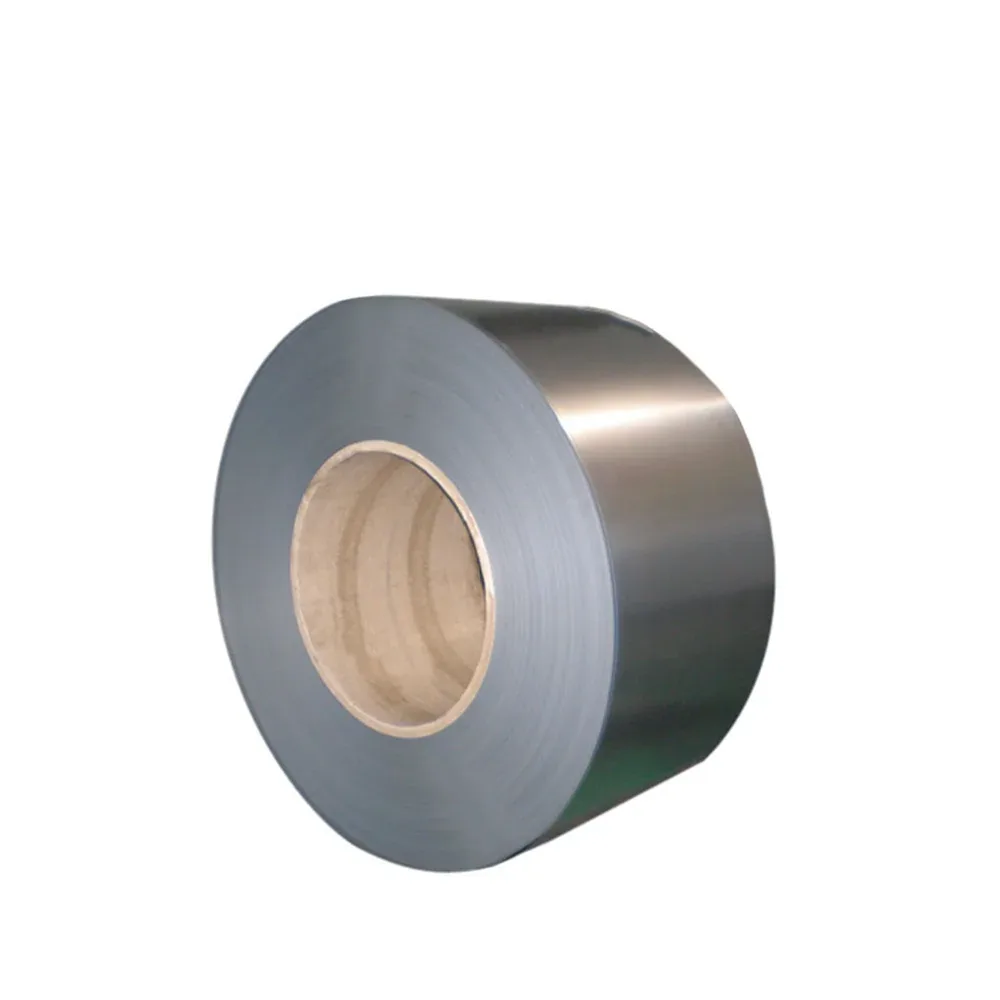
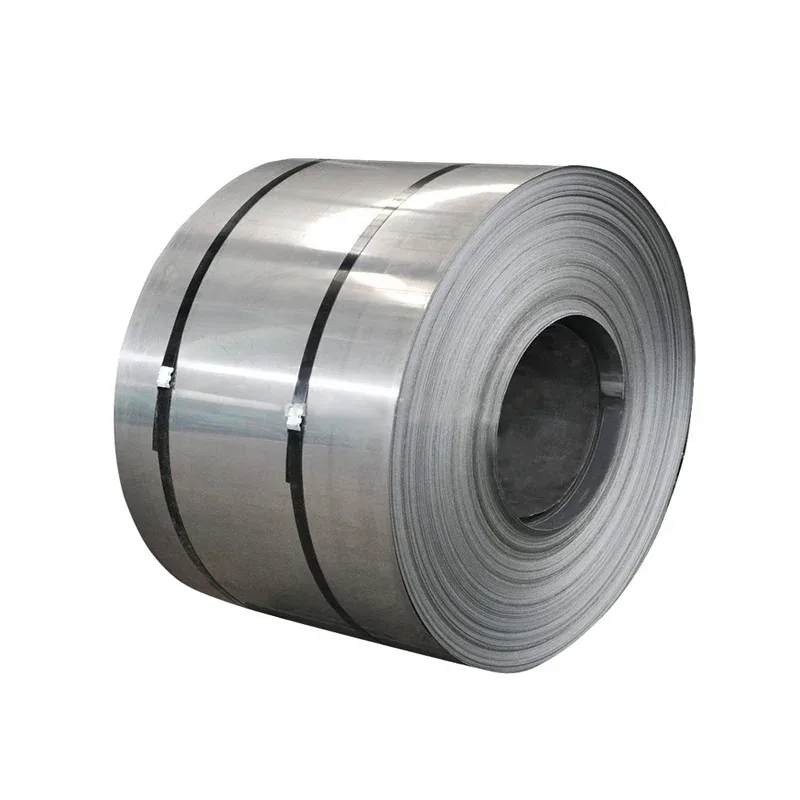
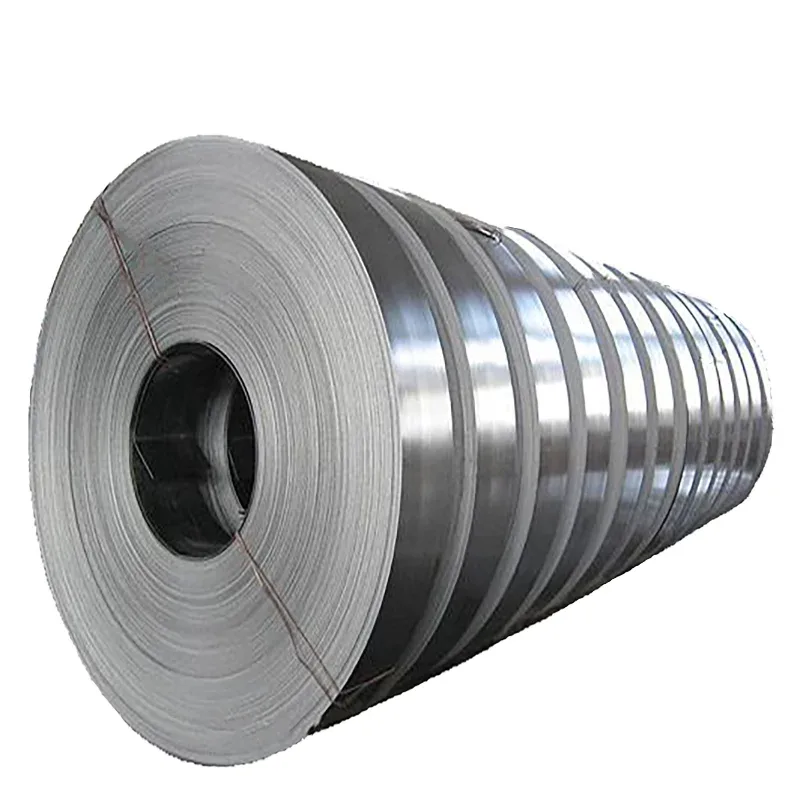
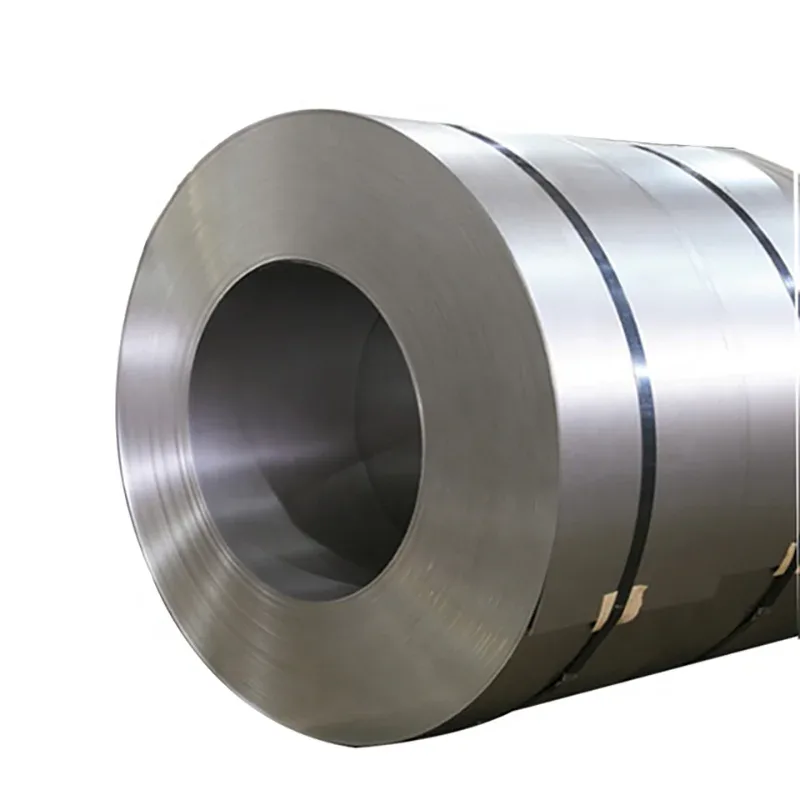
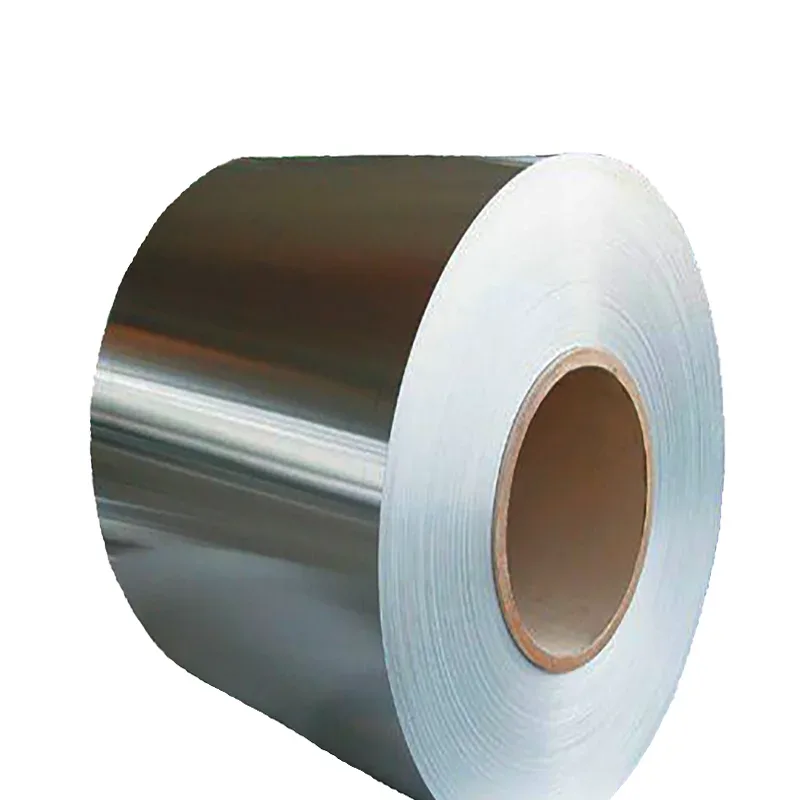
Description
Factory-direct stainless steel coil sourcing — Original mill test certificates verified against third-party SGS reports before every shipment leaves Jinan.
Technical Specifications
| Parameter | Value |
|---|---|
| Designation | Stainless Steel Coil Strip |
| Product Type | Steel Coil |
| Steel Grade | 201, 202, 304, 310S, 316, 430, 904L, 2205 |
| Standard | ASTM, JIS, GB, AISI, DIN, BS, EN |
| Technique | Hot Rolled / Cold Rolled |
| Surface Treatment | Gold Finish / Standard Mill Finish |
| Width Options | 1000mm, 1219mm, and other widths |
| Length | Coil form (customizable cut-to-length) |
| Application | Chemical industry / Food processing equipment / Construction / General fabrication |
| MOQ | Contact for details |
| Origin | Shandong, China |
Application Suitability
| Industry | Typical Applications |
|---|---|
| Chemical Processing | Reaction vessels, piping systems, and storage tanks requiring chloride resistance |
| Food & Beverage | Processing line conveyors, fermentation tanks, and sanitary surface fabrication |
| Construction & Architecture | Roof cladding, wall panels, and decorative trim for commercial buildings |
| General Fabrication | Bracket assemblies, machine guards, and custom-formed structural components |
Where Thickness Tolerance Decides Whether a Coil Passes Port Inspection
A 0.05mm negative tolerance deviation can hold an entire container at destination customs.
I once watched a 316L stainless steel coil shipment get stuck in Dubai because the mill certificate declared 0.5mm thickness while third-party inspection measured 0.45mm — the negative tolerance exceeded the buyer’s project specification, and the entire batch was quarantined pending re-verification. That is the reality of stainless steel coil procurement: declared specs must match physical reality down to the decimal, not just satisfy the paper trail. Buyers sourcing a Stainless Steel Coil Strip from overseas suppliers frequently encounter quality uncertainty where material properties drift between heats, and specification gaps where standard catalog widths cannot cover non-standard project requirements. Without in-house laboratory verification and pre-shipment third-party inspection, these discrepancies only surface after the cargo has already crossed the ocean [NEED_CITE: stainless steel coil thickness tolerance standards for cold rolled products].
Matching Coil Grade to Corrosive and Thermal Environments
Selecting the correct stainless steel coil strip grade directly determines whether the material survives its intended service environment. For chemical processing plants handling chloride-laden solutions, 904L and 2205 duplex grades provide pitting resistance that standard 304 simply cannot deliver. Food processing facilities typically specify 304 or 430 for sanitary contact surfaces where corrosion resistance matters but cost control remains a factor. Construction applications often use 201 or 304 for architectural cladding where formability and surface appearance take priority over extreme corrosion performance. Our production lines cover all eight grades in both hot rolled and cold rolled finishes, and each coil ships with chemistry and mechanical data traceable to its original heat number.
Engineering Compliance and Certification Requirements
Stainless steel coil procurement for regulated industries demands documentation that satisfies both the engineering specification and the customs authority. European projects require CE marking under EN standards, while North American buyers typically reference ASTM designations — and the grade equivalence between these systems must be explicitly documented to avoid rejection at the mill test certificate review stage [NEED_CITE: stainless steel grade equivalence between ASTM and EN standards]. Cold rolled coils destined for food contact applications must comply with surface finish requirements that differ fundamentally from hot rolled industrial grades. Our in-house physical and chemical laboratory tests every heat before release, and we arrange SGS or BV third-party inspection for buyers who require independent verification. For projects involving structural fabrication, the coil must meet the dimensional tolerances specified in the relevant standard, and our quality control system tracks width, thickness, and flatness against those benchmarks before any coil enters the packaging line.
Understanding Hot Rolled vs Cold Rolled and Grade Selection
The choice between hot rolled and cold rolled processing fundamentally affects surface finish, dimensional precision, and mechanical behavior of the final stainless steel coil strip. Hot rolled coils offer thicker gauges and are suited for industrial applications where surface appearance is secondary to formability and corrosion resistance. Cold rolled coils deliver tighter thickness tolerances, smoother surface finishes, and higher strength through strain hardening — making them the default choice for architectural and food-grade applications. Within the grade spectrum, austenitic series (201, 304, 316, 310S, 904L) provide superior corrosion resistance and formability, while ferritic 430 offers magnetic properties and lower nickel cost for less aggressive environments. Duplex 2205 combines austenitic and ferritic structures to deliver higher yield strength and chloride stress corrosion cracking resistance for offshore and chemical applications. Negative tolerance control remains critical across all grades: a cold rolled 304 coil ordered at 1.0mm must arrive within the standard tolerance band, or the buyer faces scrap losses during deep drawing operations [NEED_CITE: cold rolled stainless steel tolerance standards for thickness and width].
The Hidden Cost of Unverified Coil Specifications
Purchasing a stainless steel coil strip without verified mill test certificates creates a cascade of downstream risks that dwarf the initial price saving. Material chemistry that fails to match the declared grade can cause weld cracking in pressure vessel fabrication or premature corrosion in chemical service. Thickness tolerance that drifts beyond specification forces the buyer into costly rework or outright scrap — and if the discrepancy is discovered only after the coil has been slit or formed, the loss multiplies. Certification gaps trigger customs holds that delay project timelines and generate demurrage charges. The engineering norm requires that every coil carry traceable chemistry and mechanical property data, and any supplier unable to provide original mill test certificates per heat number should be treated as a procurement risk [NEED_CITE: mill test certificate requirements for stainless steel coil imports].
Why Buyers Source Stainless Steel Coil Strip From Our Mill
We operate three dedicated production lines in Jinan with in-house physical and chemical laboratories that test every heat before release — no coil leaves the facility without verified chemistry and dimensional data. Our factory-direct model eliminates trading company markups, and we hold ISO 9001:2015 certification alongside Lloyd’s Register EU CE marking and Singapore FPC approval. We cover over 2,800 specifications across our product range, and our professional export team has shipped stainless steel products to buyers in the EU, North America, India, Southeast Asia, and the Middle East for nearly two decades. Every shipment includes original mill test certificates, and we arrange SGS or BV third-party inspection for buyers who require independent verification. Custom widths, cut-to-length services, and non-standard specifications are available against technical drawing, and our logistics team handles professional container loading with weight distribution optimization for ocean freight.
Documentation & Compliance
- Mill test certificate documenting chemical composition and mechanical properties for each stainless steel coil strip heat, traceable to the original melt batch
- CE certificate confirming compliance with EN standards for stainless steel flat products destined for European Union markets
- ISO 9001:2015 quality management system certificate covering the full production and inspection process
- SGS or BV third-party inspection report available upon request for independent verification of thickness, width, and surface quality
- Material traceability by heat number stamped on each coil and recorded in the shipping documentation package
- Full customs document set including packing list, bill of lading, and certificate of origin for destination port clearance
Packaging, Loading & Delivery
- Stainless steel coil strips packed in seaworthy export bundles with steel strip banding and edge protectors to prevent surface damage during ocean transit
- Cold rolled coils wrapped in moisture-proof paper and plastic film to preserve surface finish and prevent oxidation during storage and shipping
- Container loading plans optimized for coil weight distribution across 20ft and 40ft units, with wooden cradles and chocking to prevent rolling
- Cut-to-length sheets stacked on wooden pallets with interleaving paper for surface protection, bundled per buyer specification
- Each coil marked with heat number, grade designation, width, and thickness for on-site identification and traceability
- FOB, CIF, and DDP shipping terms available with professional logistics coordination to 50+ countries
Start Your Stainless Steel Coil Strip Procurement
Submit your technical requirements — grade, thickness, width, quantity, and destination port — and receive a detailed quotation with delivery timeline and applicable certification documentation within 12 hours. We provide original mill test certificates for quality confirmation before production begins, and our team handles custom specification review, container optimization, and door-to-door logistics coordination.
Request Your Quotation and Mill Test Certificate Today
Send your specifications via email or WhatsApp to receive factory-direct pricing, material traceability documentation, and confirmed delivery schedules for your next stainless steel coil strip order.
📧 admin@sdxjysteel.com
📱 WhatsApp / WeChat: +86 188 5315 7756
🌐 www.sdxjysteel.com